

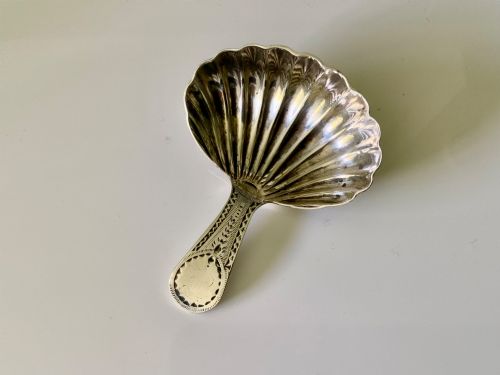


Vintage Tea Caddy Scoop
A vintage tea caddy scoop measures out dry leaf from storage with precision, bringing tangible craftsmanship to daily tea ceremonies.
Vintage Tea Caddy Scoop
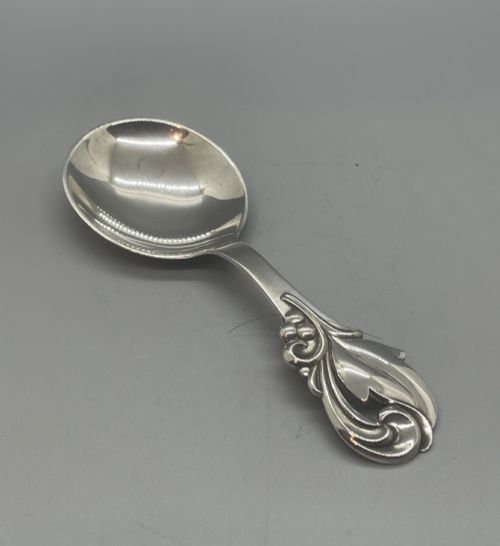
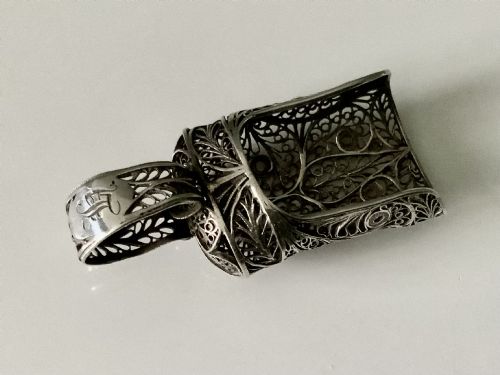
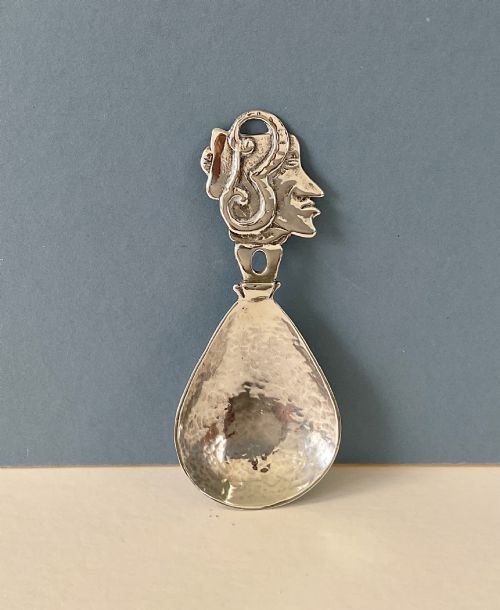
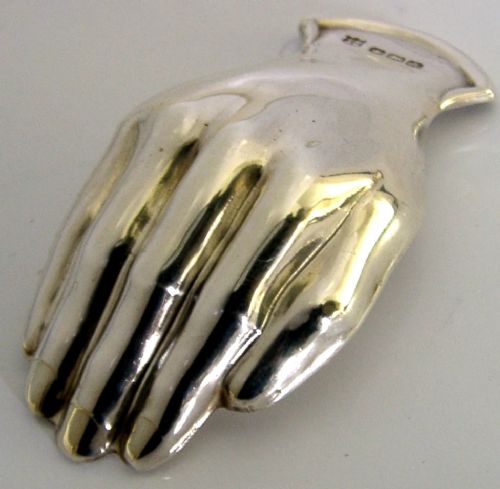
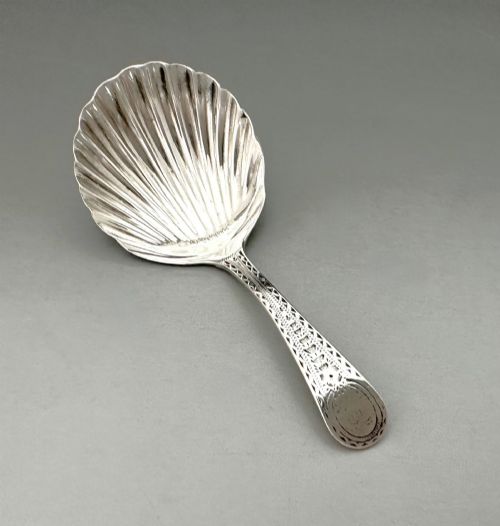
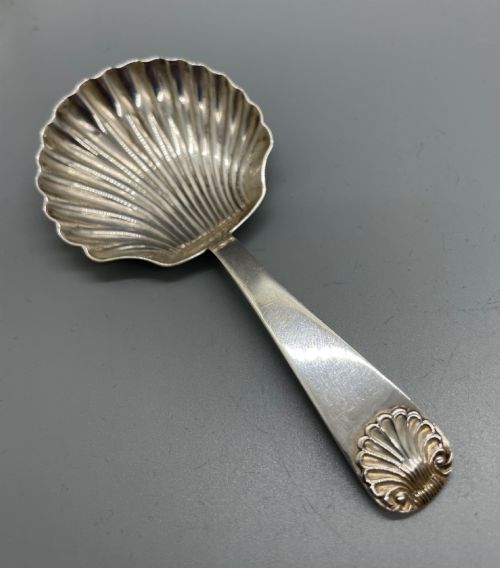
A vintage tea caddy scoop serves the specific purpose of transferring loose leaves from a container into a pot, appearing across multiple eras from the Georgian period through the mid-century. The most common examples met on this page are small sterling silver spoons, often featuring shaped bowls designed to resemble shells or jockey caps.
Makers shaped these implements across diverse aesthetic movements, producing examples that align with Georgian, Edwardian, Art Nouveau, Art Deco, and Danish Modern design principles. Alongside silver tableware, the inventory includes carved hardwood oriental pieces which offer an alternative texture to metal spoons.
The objects function primarily as tea collectables and tea accessories, historically accompanying storage vessels in wealthy households. Collectors encounter standard sterling silver spoons alongside novelty forms and enamelled variants that reflect the changing tastes of different decades.
How they were made
Silversmiths utilised sterling silver and silver gilt to construct the majority of these implements, frequently applying hallmarks to indicate the year and place of assay in English, Scottish, or continental workshops. Enamel work provides colour on specific twentieth-century pieces, fusing vitreous glass to metal surfaces under high heat.
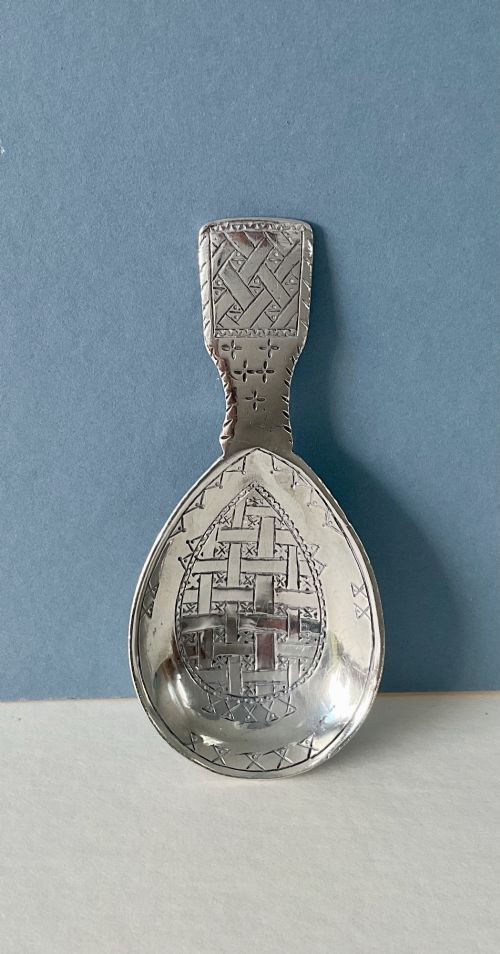
Hardwood examples required skilled carving techniques to shape organic material into functional scoops, relying on hand tools rather than metal presses. Metal spoons often incorporated engraved handles and double struck patterns, pressing designs into both sides of the silver for added ornamentation.
Vintage Tea Caddy Scoop Retail Price Guide 2026
Typical asking prices for vintage tea caddy scoop among the pieces listed under this phrase on Sellingantiques today, from the lower quarter to the upper quarter. They describe what is for sale here now, not the wider market.
One scoop takes the cheeky form of a tiny jockey's cap, ready to ride off with your morning brew.
What varies in quality
The standard of execution separates basic utility items from exceptional collector pieces, particularly visible in the crispness of hallmarks, the depth of hand engraving, and the precision of shell bowl shaping. Superior examples display balanced weight in the hand and careful finishing around the edges of the bowl and handle.
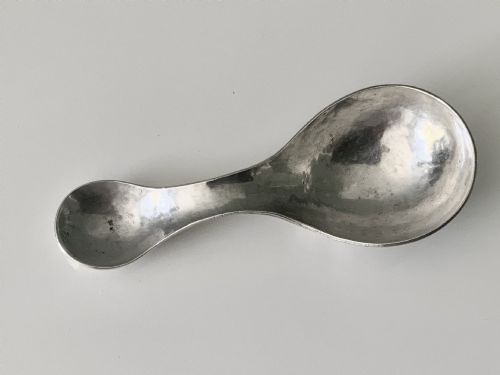
Design complexity also defines the upper tier of the range, where novelty forms like jockey caps or pieces by notable silversmiths demonstrate greater artistic ambition. Simpler stamped silver spoons represent functional production rather than bespoke craftsmanship, though they retain period charm.
David Andersen·Georg Jensen·Liberty
The Vintage Tea Caddy Scoop Glossary
- Sterling silver
- An alloy consisting of ninety-two point five percent silver and seven point five percent other metals, typically copper, used to ensure durability in small tableware.
- Hallmark
- An official stamp applied to precious metals by an assay office to guarantee the purity of the material and record the year of manufacture.
- Silver gilt
- Sterling silver that has been coated with a thin layer of gold on its surface, giving the metal a warm golden appearance.
- Double struck
- A manufacturing method where the die strikes the silver blank twice to ensure deep, sharp relief on both sides of the handle or bowl.
- Enamel
- A glassy substance fused to metal through firing, adding decorative colour and smooth texture to twentieth-century designs.
Vintage Tea Caddy Scoop: Frequently Asked Questions
What is a tea caddy scoop used for?
These small spoons measure out loose leaf tea from a caddy or storage jar into a teapot. Their short handles and wide bowls were specifically designed to fit inside the neck of traditional tea containers.
Beyond utilitarian function, they formed part of the formal tea service ritual in wealthy households. Collectors now prize them as decorative silver items or display them alongside antique tea wares.
How do I date a silver scoop?
English and Scottish silver pieces usually carry a series of hallmarks that include a date letter indicating the exact year of assay. Maker's marks, duty marks showing the reigning monarch, and town marks also help narrow down the period.
Pieces without traditional hallmarks, such as mid-century Scandinavian designs or carved wooden items, are dated through stylistic markers, maker signatures, or documented production eras.
How should I display a caddy scoop?
Many collectors display their spoons in shallow wall-mounted cabinets, flat glass-topped table cases, or arranged alongside antique tea caddies. Their compact size allows multiple pieces to be grouped together effectively without taking up excessive space.
Proper care involves keeping silver away from humid environments to slow tarnishing, using gentle cleaning methods appropriate for antique precious metals.