




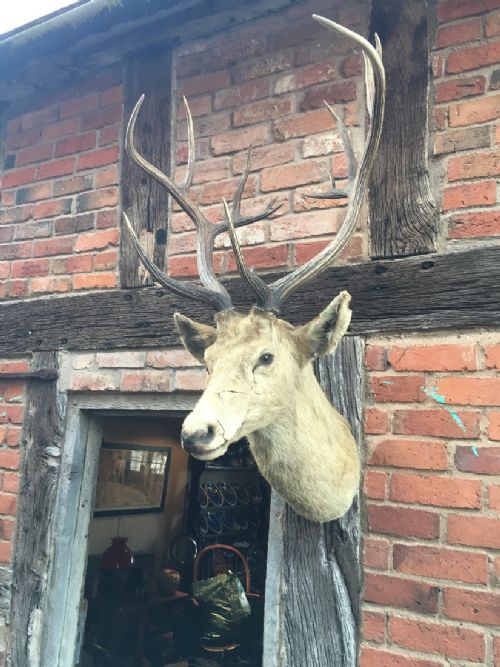
Vintage Taxidermy Shoulder Mount
A vintage taxidermy shoulder mount brings the dramatic presence of natural history and country house sports into a room.
Vintage Taxidermy Shoulder Mount
When you search for vintage taxidermy shoulder mount pieces, you are looking at preserved animal heads and upper necks mounted for display on walls. These pieces originate from periods spanning the nineteenth century through the Edwardian era up to the nineteen-thirties.
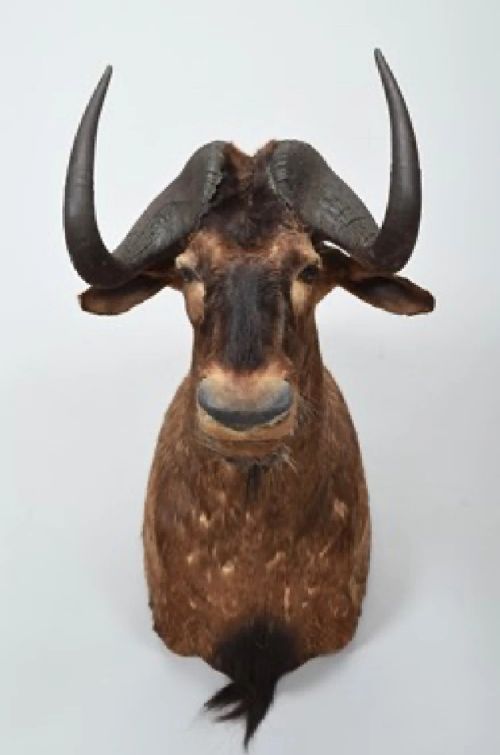
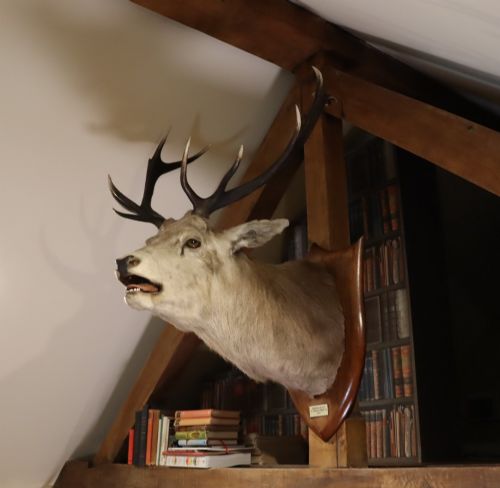
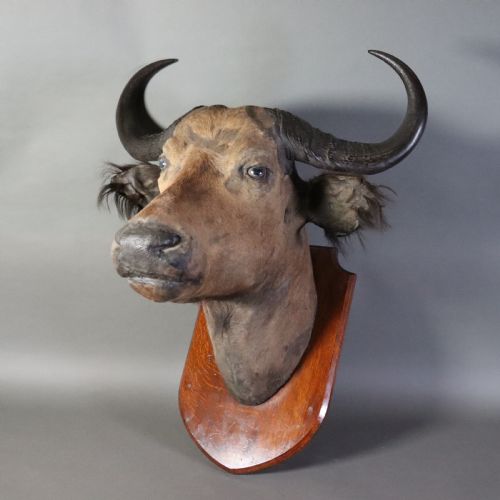
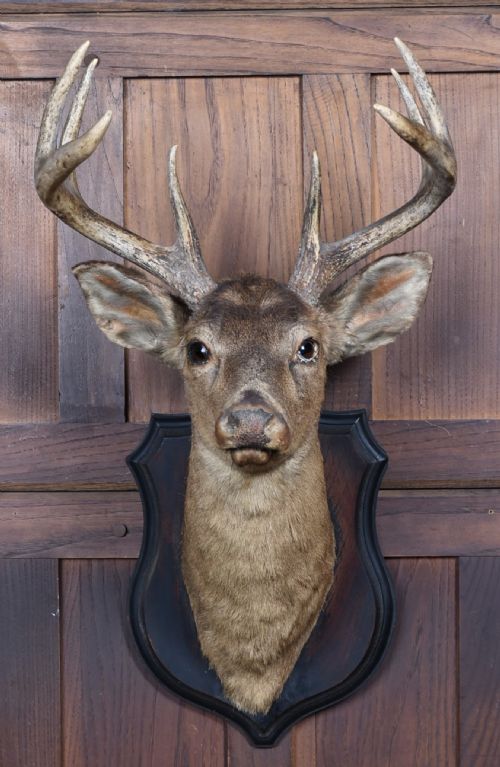
The specimens you are most likely to meet on this page include deer species such as Red Deer stags and Roe Deer, alongside larger African game like the Nile Buffalo and Waterbuck. They are rooted in aesthetic traditions like Victorian Natural History and Highland hunting lodges.
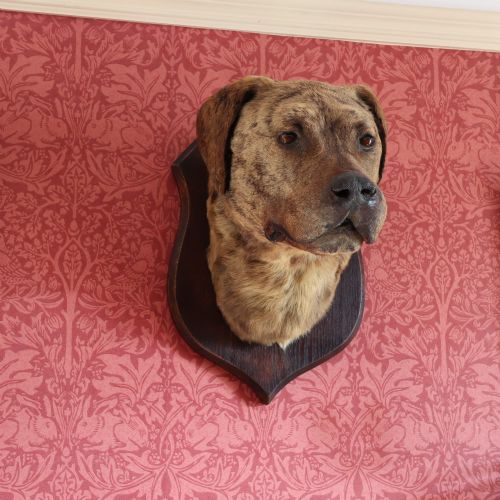
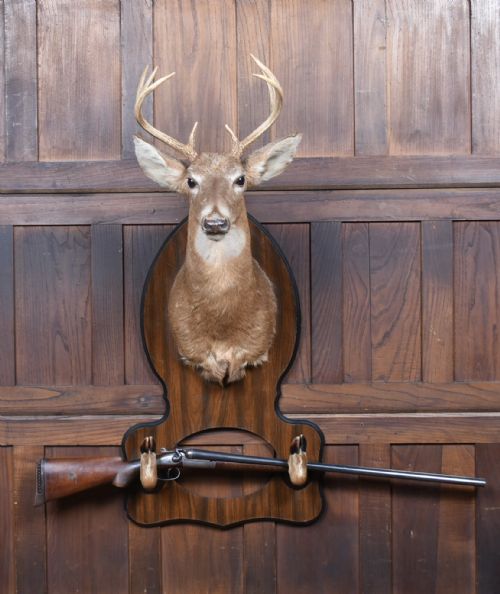
Makers and taxidermists mounted these specimens on wooden shields, often utilising oak or other timbers, frequently accompanied by natural antlers or horns. The forms vary from native British fauna to exotic trophies brought back from overseas expeditions.
How they were made
Taxidermists prepared these shoulder mounts by stretching the animal hide over a sculpted form shaped to the correct anatomical proportions. Glass eyes were inserted to recreate a lifelike gaze, and the hide was preserved using the chemical techniques available at the time.
The completed heads were then securely fixed to wooden shields made of materials like oak, allowing the trophy to be hung flat against a wall. Antlers and horns were fitted permanently to the skull structure or the upper mount to complete the display.
Vintage Taxidermy Shoulder Mount Retail Price Guide 2026
Typical asking prices for vintage taxidermy shoulder mount among the pieces listed under this phrase on Sellingantiques today, from the lower quarter to the upper quarter. They describe what is for sale here now, not the wider market.
Materials recorded across the inventory include taxidermy hide, glass eyes, oak, wood, horn, and antlers.
What varies in quality
The standard of taxidermy work depends heavily on the skill of the original taxidermist in capturing the true anatomical proportions and alert expression of the living animal. Works produced by noted firms demonstrate superior sculpting beneath the hide compared to anonymous workshop output.
The condition of the taxidermy hide and the natural state of the horns or antlers determine the visual success of the piece over time. Original mounting boards made of solid oak add structural integrity and historical context that enhance the overall presentation.
Peter Spicer and Sons·Gerrard and Sons London
The Vintage Taxidermy Shoulder Mount Glossary
- Shoulder mount
- A taxidermy preparation that includes the head, neck, and part of the shoulders of an animal. This form is designed specifically for wall hanging.
- Shield
- The shaped wooden plaque, often made of oak, upon which the taxidermy mount is fixed. It provides both structural support and a finished edge for wall display.
- Antler
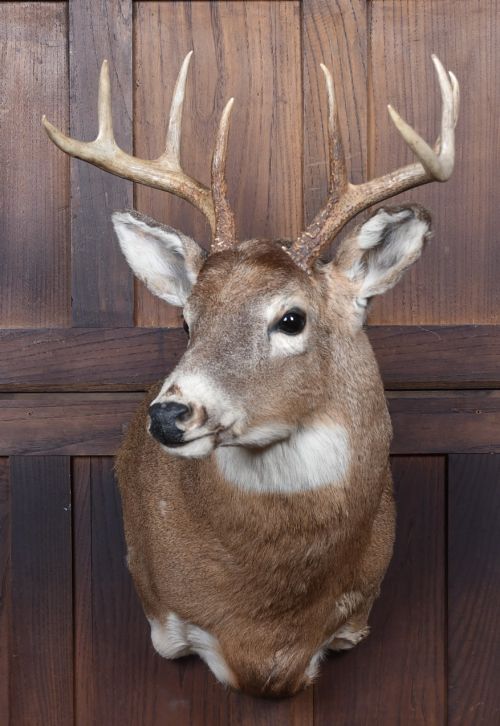
- The bony growth shed and regrown annually by members of the deer family. These are mounted permanently to the skull or head structure.
- Hide
- The natural skin and fur of the animal preserved over the taxidermy form. Its condition reflects both the age of the piece and the methods used in its original preparation.
Vintage Taxidermy Shoulder Mount: Frequently Asked Questions
How do I hang a shoulder mount securely?
These heavy taxidermy pieces require strong wall fixings anchored directly into masonry or solid studs rather than standard plasterboard. Use sturdy steel brackets or heavy-duty picture hooks capable of supporting the combined weight of the mount and its wooden shield.
Ensure the mounting wire or internal bracket on the back of the wooden shield engages firmly with the wall fixture. Check the balance of the piece so it hangs straight and flush against the surface.
What periods do these mounts come from?
The pieces available span from the nineteenth century through the Edwardian period up to the nineteen-thirties. Victorian examples often reflect natural history display trends.
Later pieces from the nineteen-tens and nineteen-twenties show the continuing popularity of Highland lodge and country house aesthetics. Each era utilises characteristic mounting styles and taxidermy techniques.
How should I clean the hide and horns?
Dust the taxidermy hide gently using a soft brush or a low-suction vacuum attachment to remove surface particles without damaging the hairs. Avoid using water or liquid cleaners directly on the skin.
Horns and antlers can be wiped carefully with a dry cloth to maintain their natural appearance. Keep the mount away from direct sunlight and excessive moisture to preserve the materials.
What animal species are commonly found?
British deer species such as Red Deer stags and Roe Deer appear frequently, reflecting the traditions of Highland hunting lodges. Whitetail deer represent North American sporting history.
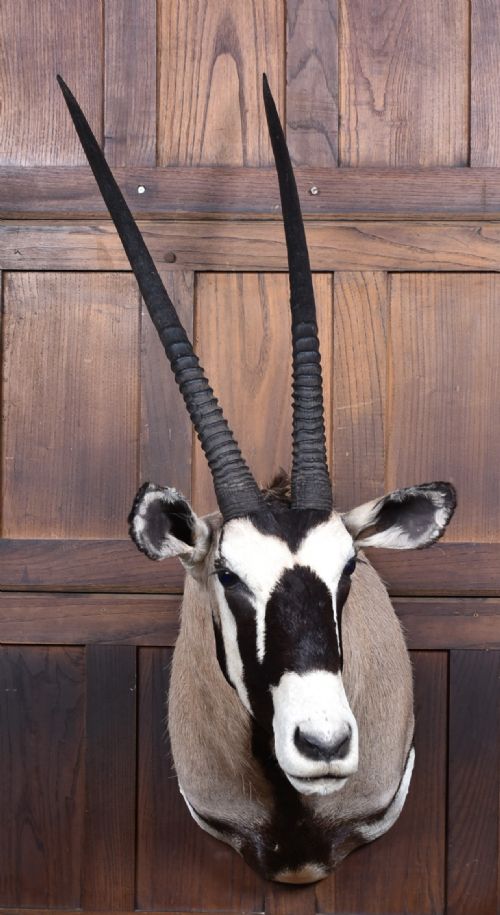
Exotic species like the African Nile Buffalo, Gemsbok, and Waterbuck demonstrate the reach of early twentieth-century expeditions. Each species brings distinct horn structures and hide textures to the display.