




Vintage Tavern Seat
These vintage tavern seat examples span stools, benches, and armchairs built to handle heavy use in public houses and country houses alike.
Vintage Tavern Seat
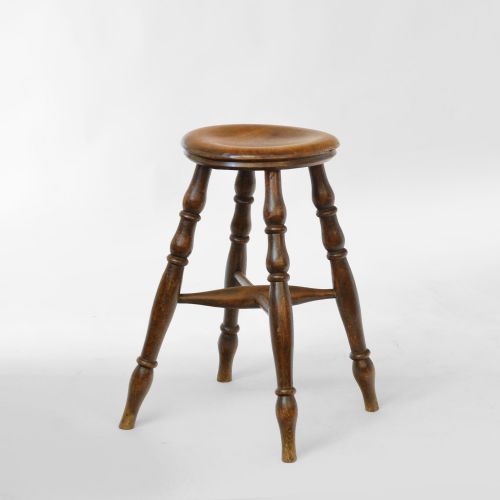
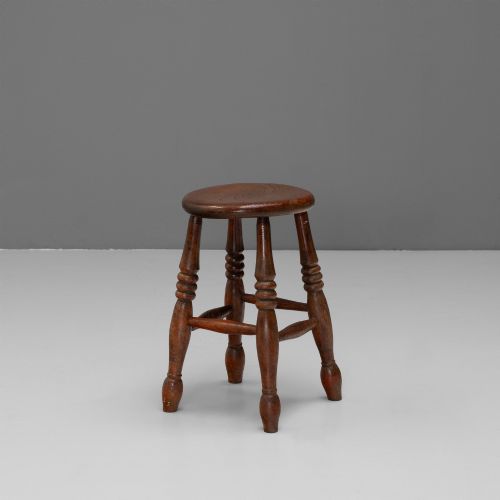
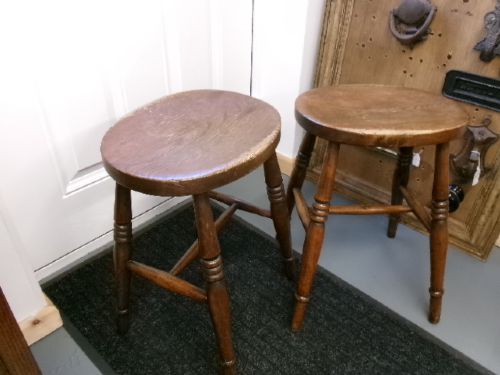
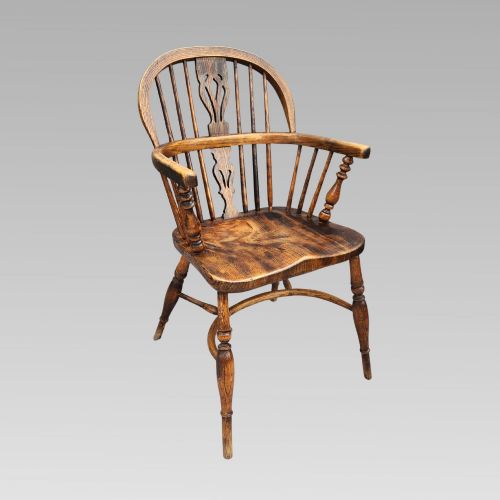
When you search for a vintage tavern seat, you encounter robust domestic and commercial furniture designed for communal spaces. The selection includes individual stools, benches, and armchairs originating from the nineteenth and early twentieth centuries.
Stools form the most common type met on this page, often featuring solid timber tops supported by turned legs. Alongside them, bench formats and spindle-back armchairs represent the broader vernacular tradition of English seating.
How they were made
Construction relies heavily on native hardwoods such as elm, beech, oak, and sycamore selected for strength and durability. Woods like ash and pine also appear frequently in the framing and lesser components of these rustic forms.
Joinery methods prioritize utility, utilising turned spindles, pegged joints, and dished solid timber seats shaped for comfort during extended sitting.
Vintage Tavern Seat Retail Price Guide 2026
Typical asking prices for vintage tavern seat among the pieces listed under this phrase on Sellingantiques today, from the lower quarter to the upper quarter. They describe what is for sale here now, not the wider market.
The listings on this site span the nineteenth century through the Edwardian period, featuring elm, beech, oak, and sycamore.
What varies in quality
The sophistication of the turning on legs and spindles also distinguishes standard utility forms from finer vernacular workshop production.
The Vintage Tavern Seat Glossary
- Vernacular
- Everyday utilitarian furniture made by regional carpenters rather than high-style cabinetmakers. These pieces prioritize local materials and practical function over fashionable ornament.
- Dished top
- A wooden seat carved into a shallow concave depression for comfort. This shaping technique is commonly found on traditional stools and Windsor chairs.
- Spindle back
- A chair or stool back constructed from vertical turned wooden rods fitted into a bent rail. It provides sturdy support while keeping the piece relatively lightweight.
- Trestle
- A structural support consisting of horizontal beams and vertical feet. It underpins long benches and refectory tables found in communal rooms.
Vintage Tavern Seat: Frequently Asked Questions
What woods were used for tavern seating?
Makers relied on durable native hardwoods including elm, beech, oak, and sycamore. Softer timbers like pine also appear in bench construction.
These materials ensured the furniture could withstand heavy daily use in public houses and busy domestic kitchens.
How do I identify a 19th-century stool?
Nineteenth-century examples typically display hand-turned legs, pegged joints, and significant surface wear from generations of use. Solid timber tops often show distinct grain patterns developed over decades.
Construction details and tool marks help separate genuine period pieces from later reproductions.
Where were tavern seats originally placed?
These pieces sat around communal tables in public houses, inns, and country houses. Their robust build suited high-traffic rooms.
Today, they transition easily into modern kitchens, hallways, and dining spaces as practical seating.
What is a dished seat?
A dished seat is a solid wooden top carved with a shallow depression to match the sitter's body. This traditional technique adds comfort without requiring upholstery.
It remains a hallmark of quality nineteenth-century country stools and Windsor armchairs.