






Vintage Tavern Bar
These vintage tavern bar pieces bring authentic public house character into domestic spaces through robust commercial furnishings and atmospheric art.
Vintage Tavern Bar
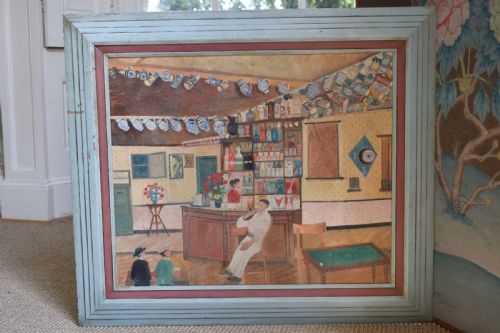
A vintage tavern bar search brings up commercial pub furnishings and related interior items spanning the Victorian era through the mid-twentieth century. Buyers find functional seating, sturdy tables, architectural fittings, and oil paintings that capture public house life.
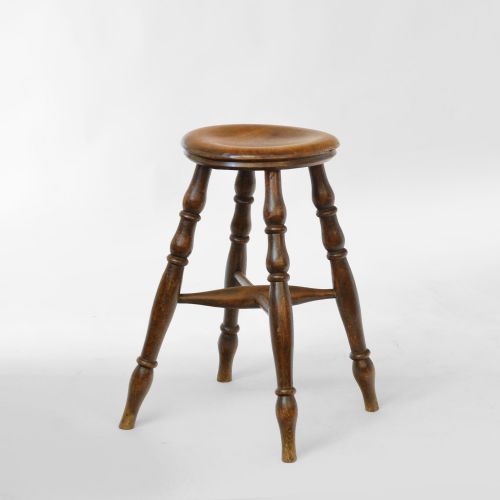
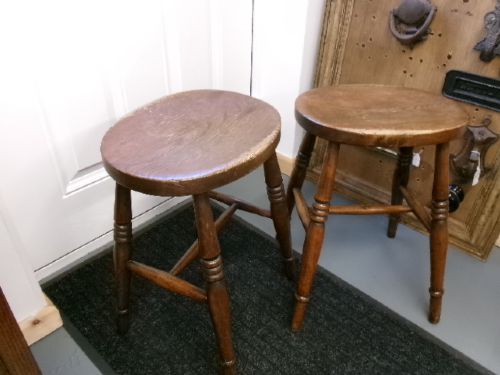
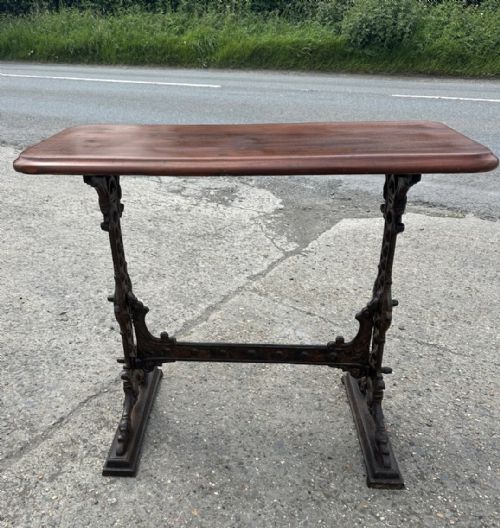
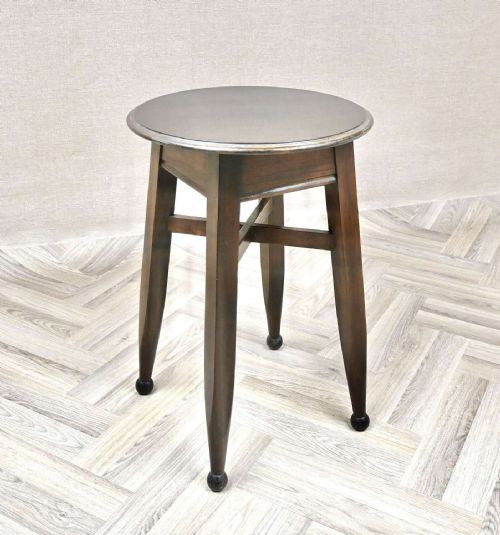
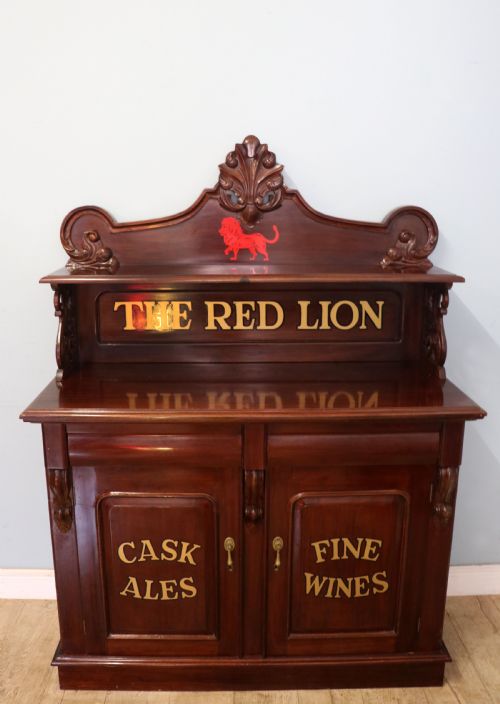
The most common forms on this page include nineteenth-century sycamore and bar stools with oval dished tops alongside Victorian cast iron pub tables with mahogany tops. Sideboards with later public house sign-writing and architectural etched pub windows also appear.
The pieces originate primarily from nineteenth-century periods, Victorian country workshops, and later Art Deco and mid-century contexts. They represent practical drinking establishment furniture built for heavy daily use.
How they were made
Makers utilised durable hardwoods like mahogany, sycamore, oak, elm, pine, and wood to withstand constant public house custom. Cast iron formed heavy, stable bases for pub tables, often paired with contrasting timber tops.
Glass panels received intricate etching to create privacy screens and windows for Victorian establishments. Paint and canvas recorded bar interior scenes, while cabinetry techniques shaped sideboards and front and back bar structures.
Vintage Tavern Bar Retail Price Guide 2026
Typical asking prices for vintage tavern bar among the pieces listed under this phrase on Sellingantiques today, from the lower quarter to the upper quarter. They describe what is for sale here now, not the wider market.
Listings feature periods from the nineteenth century and Victorian era up to 1950, utilising cast iron, mahogany, sycamore, oak, pine, elm, and etched glass.
What varies in quality
Quality rests upon the integrity of original materials, such as untouched mahogany tops paired with genuine cast iron bases rather than later replacements. The depth of hand-turned detail on sycamore stools and the clarity of etched glass windows separate standard items from finer examples.
Patina accumulated from decades of commercial service dictates the visual depth of the timber surfaces. Maker retention of original structural components determines the historical weight of each piece.
The Vintage Tavern Bar Glossary
- Britannia
- A heavy cast iron table base design featuring figural or ornate openwork supports, commonly found on Victorian pub tables. This style provided the necessary stability for bustling tavern environments.
- Dished top
- A seat or surface carved with a shallow concave depression for comfort. These appear frequently on nineteenth-century tavern and pub stools.
- Chiffonier
- A compact sideboard with lower cupboards and upper shelving or superstructure. In tavern contexts, these timber pieces occasionally received later public house sign-writing.
- Etched glass
- Glass treated with acid to create opaque decorative patterns or lettering. Large Victorian examples served as decorative architectural windows within pub interiors.
- Sycamore
- A dense, light-coloured hardwood frequently selected for nineteenth-century tavern seating. Its tight grain resisted splitting under heavy daily wear.
Vintage Tavern Bar: Frequently Asked Questions
What periods do these pub items cover?
The listings span from the nineteenth century and the Victorian era through Art Deco and mid-century twentieth-century production. Each piece reflects the utilitarian design standards of its specific decade of manufacture.
Most items originate from Victorian and nineteenth-century workshops, utilising traditional commercial timbers and iron-casting methods suited for heavy tavern use.
What timber types appear most often?
Mahogany, sycamore, pine, oak, elm, and general wood feature prominently across the seating and table inventory. Sycamore was a primary choice for turned pub stools, while mahogany frequently surfaced on table tops and sideboards.
These domestic and imported hardwoods were chosen specifically for their durability and resistance to heavy daily impact in public houses.
How can I identify a genuine Victorian pub table?
Authentic Victorian examples combine heavy cast iron bases with dense timber tops, often displaying the characteristic weight and wear of nineteenth-century commercial service. Look for traditional construction methods and patination appropriate to active tavern environments.
Makers utilised materials like cast iron and mahogany to ensure longevity, leaving physical evidence of age and use across the surfaces.