
Vintage Tallboy Bureau
These vintage tallboy bureau pieces combine writing surfaces and vertical drawer storage, offering traditional craftsmanship for practical room organisation.
Vintage Tallboy Bureau
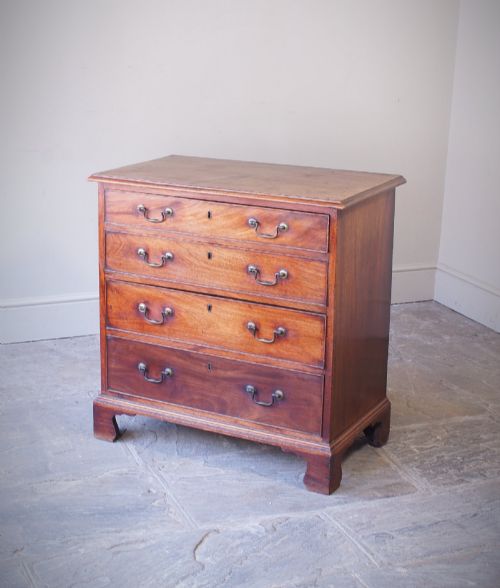
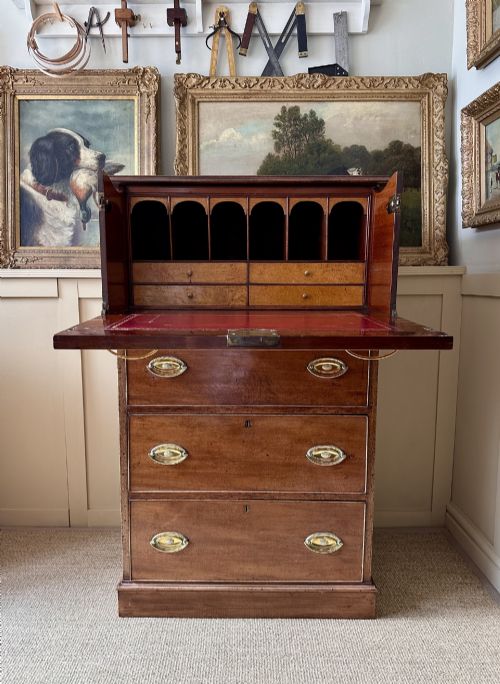
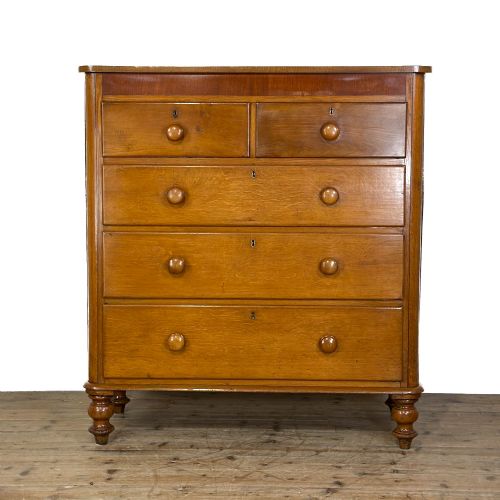
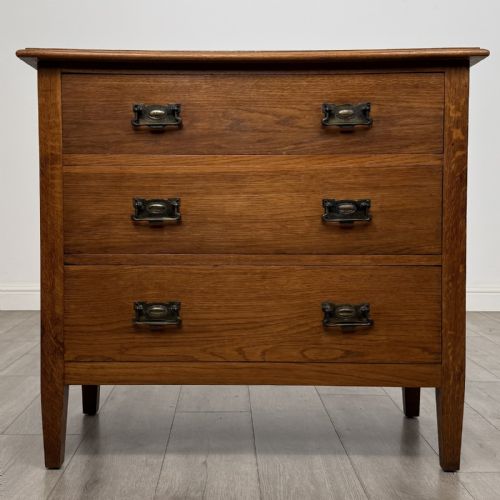
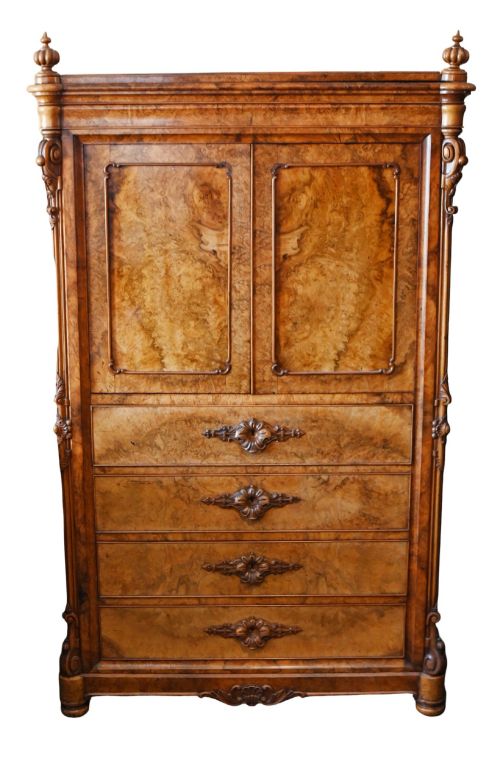
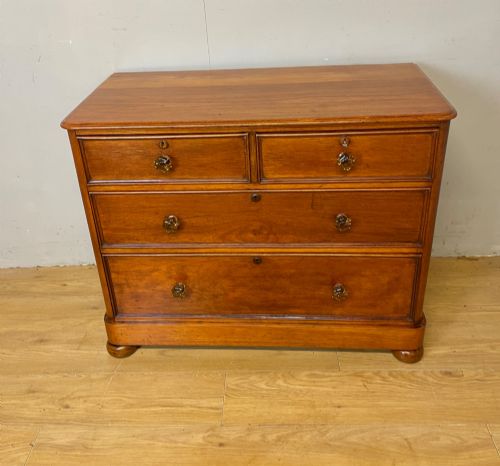
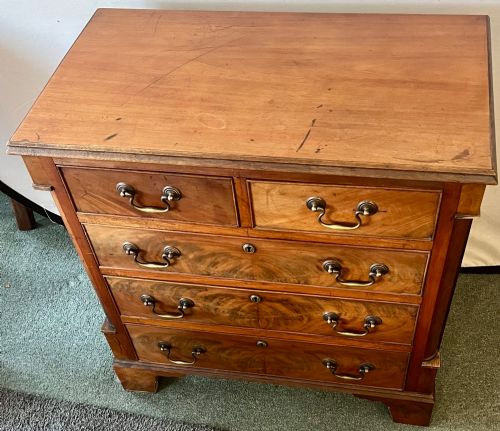
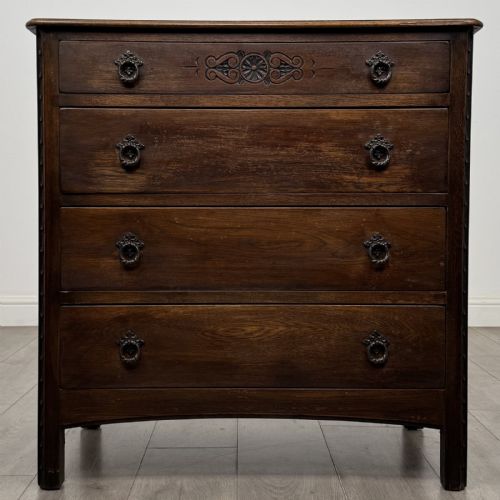
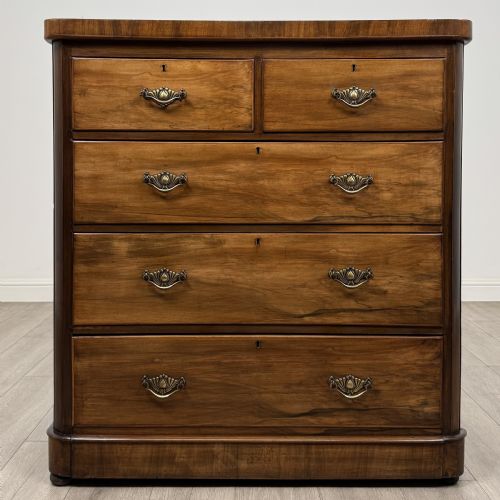
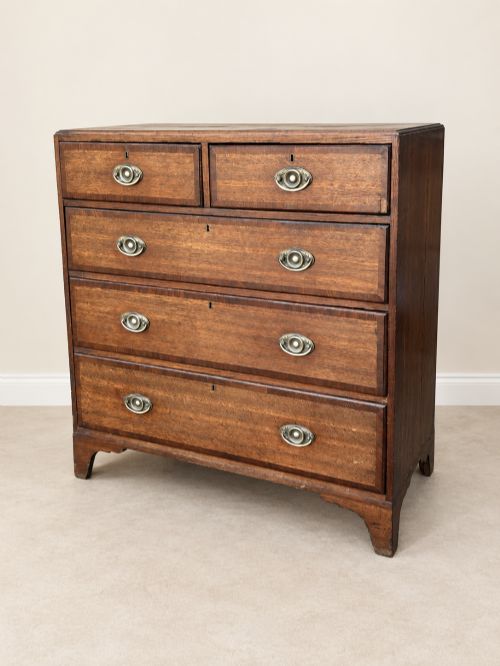
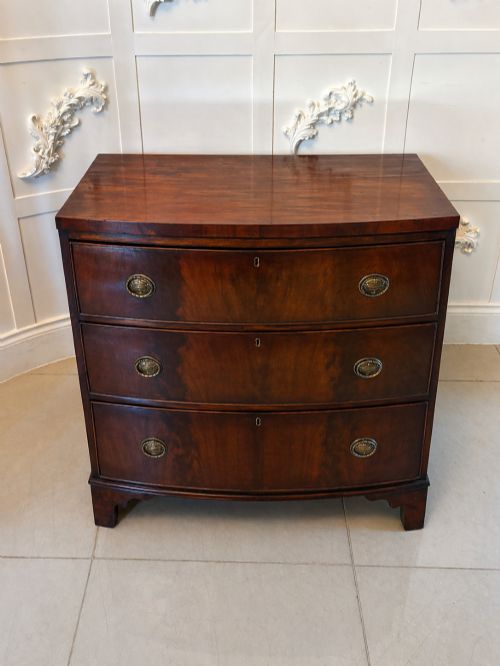
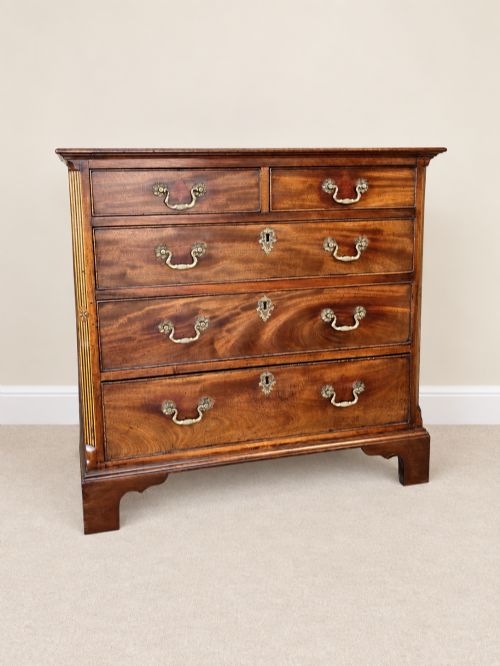
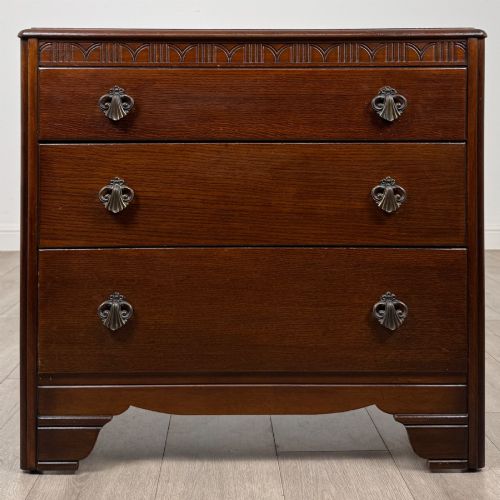
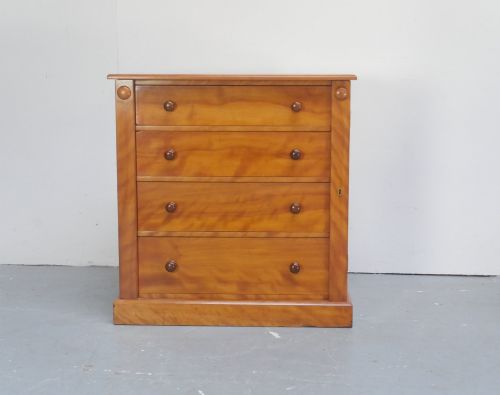
Buyers seeking a vintage tallboy bureau encounter multi-drawer storage furniture spanning periods from the eighteenth century through to the Edwardian era. The pieces presented here primarily comprise chests of drawers and bureau bookcases executed in traditional forms.
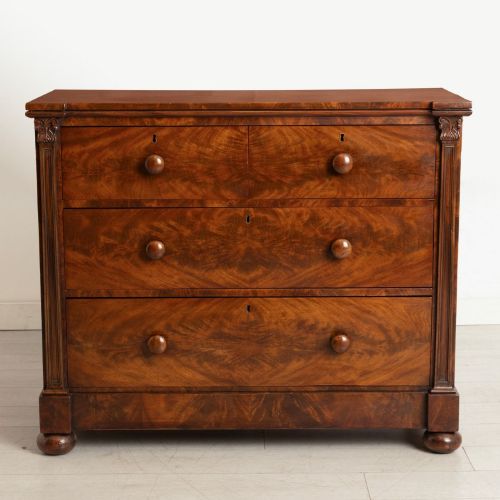
Mahogany, oak, and pine form the backbone of these pieces, alongside flame mahogany veneer and occasional burr walnut. Stylistic influences range from Georgian and Regency lines to Victorian country and Gothic Revival interpretations.
Materials and construction methods
Solid timbers such as mahogany, oak, and pine provide structural integrity, frequently enhanced with flame mahogany veneer or burr walnut for decorative grain patterns. Brass fittings secure drawers and doors, while occasional glass panels feature in bookcase sections.
Cabinet makers utilised traditional joinery techniques to assemble these vertical storage units, incorporating specialised writing slides and compartmentalised interiors within bureau sections.
Materials span mahogany, pine, oak, flame mahogany veneer, wood, bone, and glass across multiple historical periods.
Assessing build quality and finishing
The refinement of timber selection dictates overall quality, distinguishing standard pine or oak carcases from finely figured flame mahogany and burr walnut surfaces. Precision in veneer application and the crispness of carved or applied decorative elements separate standard workshop output from exceptional examples.
Hardware choice and internal secondary timbers, such as oak linings, indicate the level of care invested during original manufacture across Georgian, Regency, and Victorian periods.
Sir Clough Williams-Ellis
The Vintage Tallboy Bureau Glossary
- Flame mahogany
- A veneer cut from timber where the grain creates a flickering, flame-like pattern. This decorative treatment appears frequently on higher-end Georgian and Regency furniture.
- Brushing slide
- A pull-out shelf positioned above the drawers, originally utilised for dusting clothes or writing correspondence. Georgian chests often incorporate this practical feature.
- Bureau bookcase
- A combination of a sloping writing desk and a shelved upper cabinet enclosed by doors. These taller pieces maximise vertical storage space.
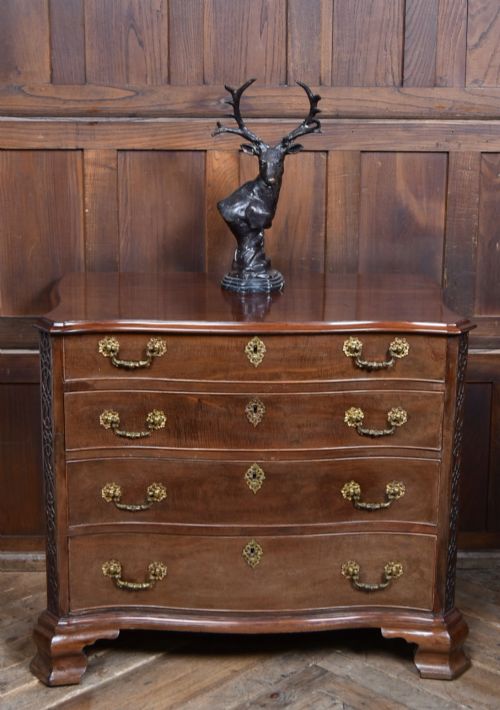
- Serpentine front
- A cabinet front curved in a wave shape, convex in the centre and concave at the sides. This sophisticated profile requires advanced carpentry skills.
Vintage Tallboy Bureau: Frequently Asked Questions
What periods do these pieces date from?
The inventory spans the eighteenth century, Georgian, Regency, Victorian, and Edwardian eras. Pieces often reflect specific regional styles of these periods.
Construction methods and timber choices shift noticeably across these decades, aiding chronological identification.
Which woods were used for construction?
Mahogany, oak, and pine form the primary structural materials. Flame mahogany veneer and burr walnut frequently appear on decorative surfaces.
Brass handles and glass panes supplement these core timber elements across various styles.
How do bureau bookcases differ from chests?
Bureau bookcases combine a sloping desktop workspace with upper shelving enclosed by doors. Chests focus purely on vertical drawer storage.
Both forms offer substantial capacity while maintaining a compact footprint.
What is a brushing slide?
A brushing slide is a pull-out wooden shelf located just below the top surface. It served as a temporary writing or clothes-brushing area in eighteenth-century rooms.
Examples appear on select Georgian mahogany chests.