


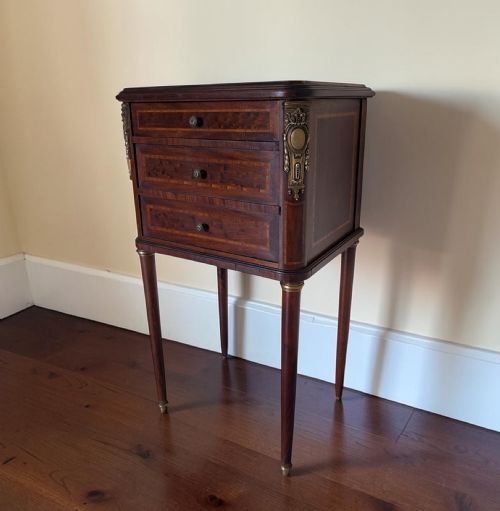
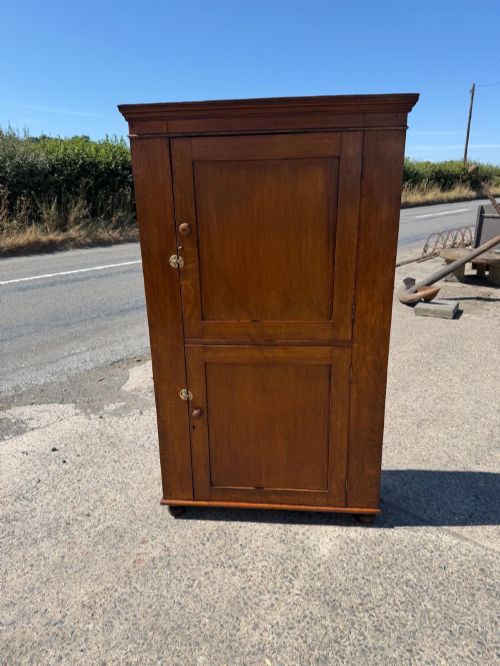
Vintage Tall Wooden Cabinet
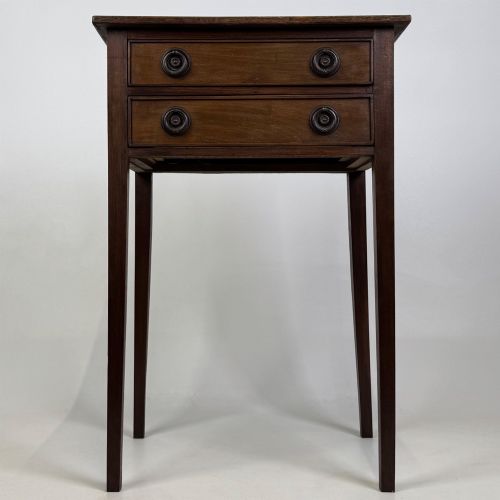
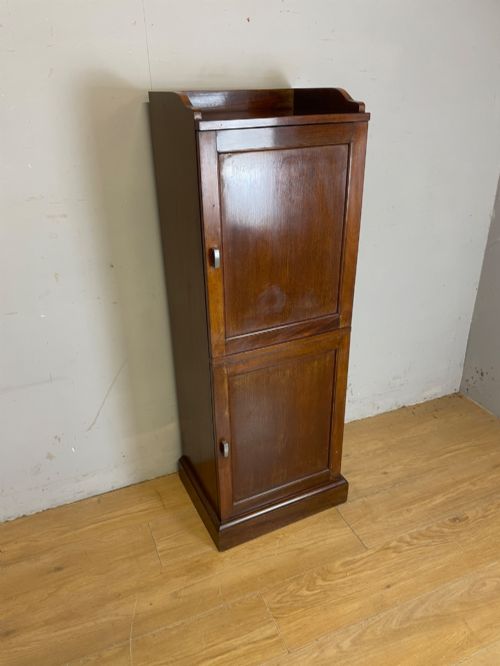
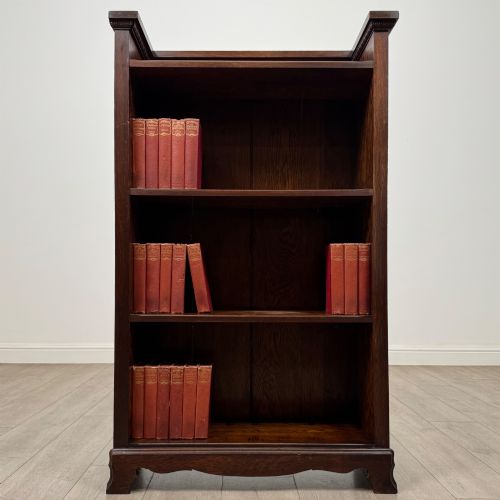
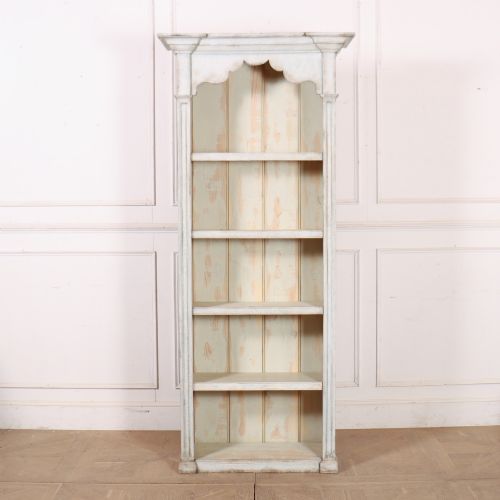
A vintage tall wooden cabinet provides upright storage, spanning timber bookcases, narrow chests and music cabinets from the nineteenth and twentieth centuries.
Vintage Tall Wooden Cabinet
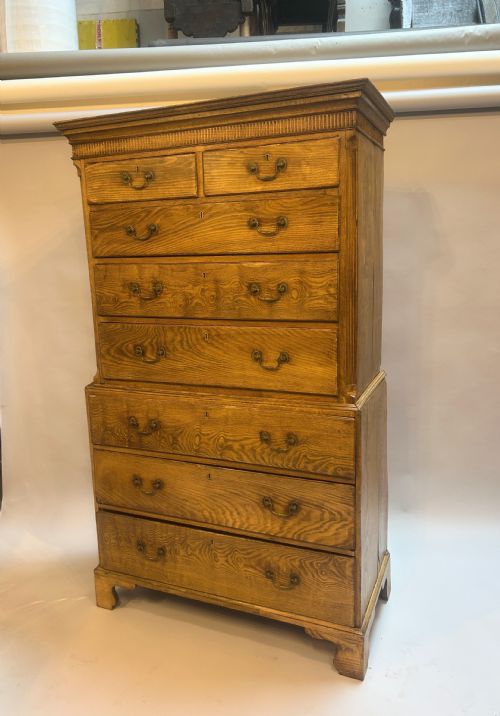
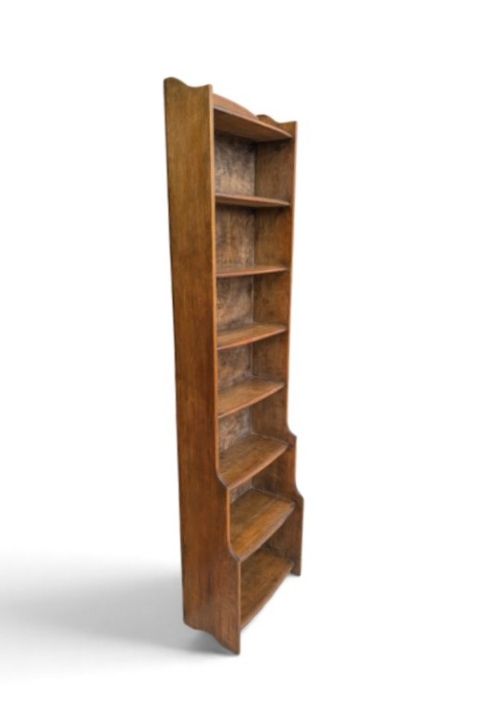
A vintage tall wooden cabinet brings vertical utility and traditional proportions to domestic interiors. When searching for a vintage tall wooden cabinet, buyers encounter diverse forms ranging from Edwardian bookcases and Victorian Wellington chests to Georgian tallboys and oak filing cabinets.
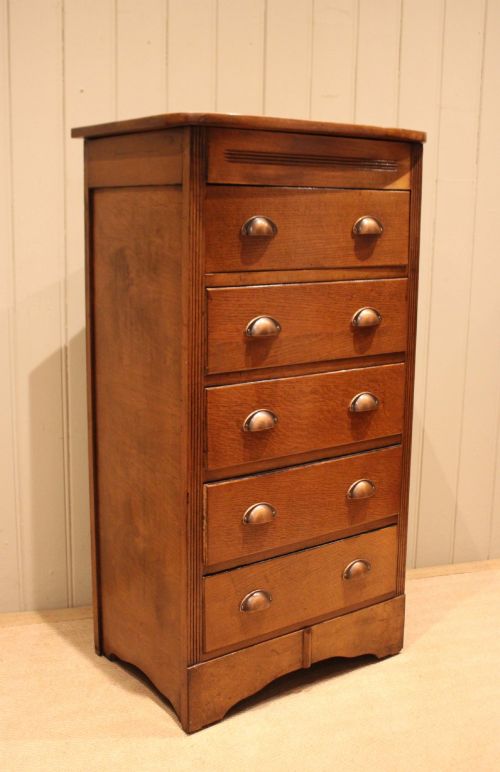
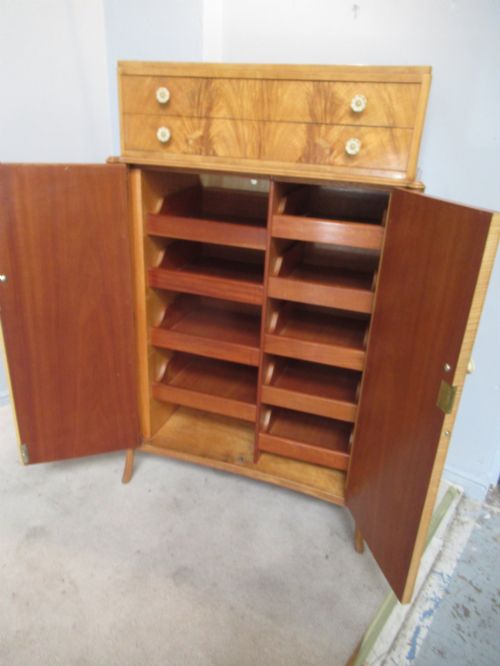
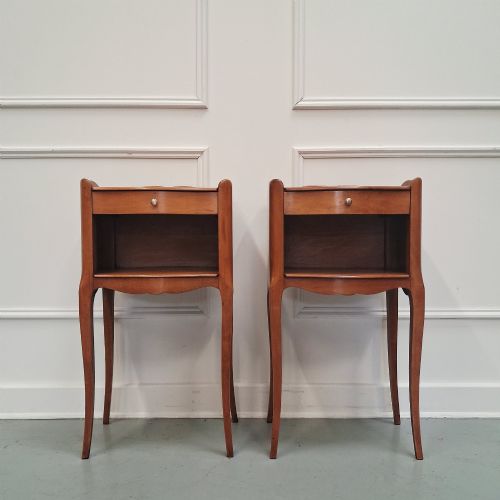
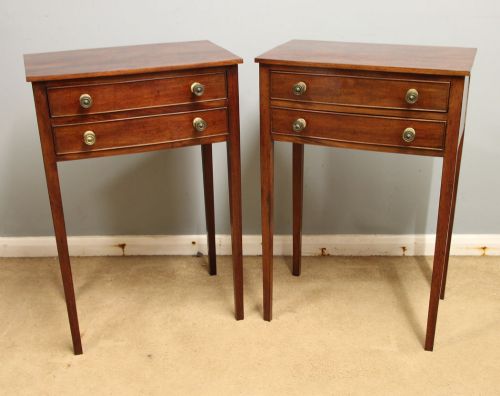
The selection includes specific upright furniture types designed for specialised storage. Tall oak chests of drawers, mahogany music cabinets, tambour front office units and glass-shelved display pieces appear alongside bedside cabinets and painted cupboards.
Origins span British periods such as Victorian, Edwardian and George III, alongside continental European and Indian pieces. Walnut, mahogany, pine and oak form the structural backbone of these tall storage solutions.
Materials and construction
Cabinet makers utilised dense hardwoods including mahogany, walnut and oak alongside softer timbers such as pine. Solid wood construction dominates, frequently enhanced by burr walnut veneers, maple highlights and painted finishes.
Functional hardware integrates brass handles, locks and hinges with specialised mechanisms. Tambour fronts feature sliding wooden slats, while display units incorporate adjustable glass shelves and bun feet support heavier carcases.
Listings feature woods like mahogany, oak, walnut, pine and metal, spanning Victorian, Edwardian, Georgian and Art Deco styles.
Assessing quality and craftsmanship
Superior examples demonstrate refined timber selection, such as figured walnut and fine mahogany with consistent grain patterns. Joinery execution dictates longevity, visible in tightly fitted drawer linings and robust carcase assembly.
Detailing elevates finer pieces through inlaid marquetry, carved solid wood elements and original brass fittings. The integrity of mechanical components, including smooth-running tambour doors and functional locking mechanisms, separates standard utility items from masterwork pieces.
GM Elwood·JS Henry
The Vintage Tall Wooden Cabinet Glossary
- Wellington chest
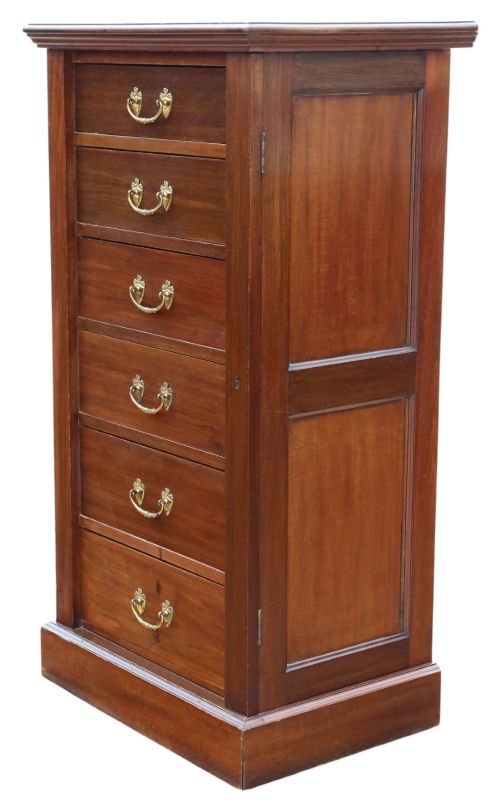
- A tall, narrow chest of drawers secured by a hinged vertical locking sidebar on one side. This design originated in the nineteenth century for efficient document and linen storage.
- Tambour
- A flexible shutter door constructed from narrow vertical strips of wood glued to a canvas backing. It slides smoothly within grooved tracks to conceal interior shelving or filing drawers.
- Tallboy
- A stack of drawers comprising a larger chest base topped by a smaller chest. Georgian and later cabinet makers built these to maximise vertical storage floor space.
- Music cabinet
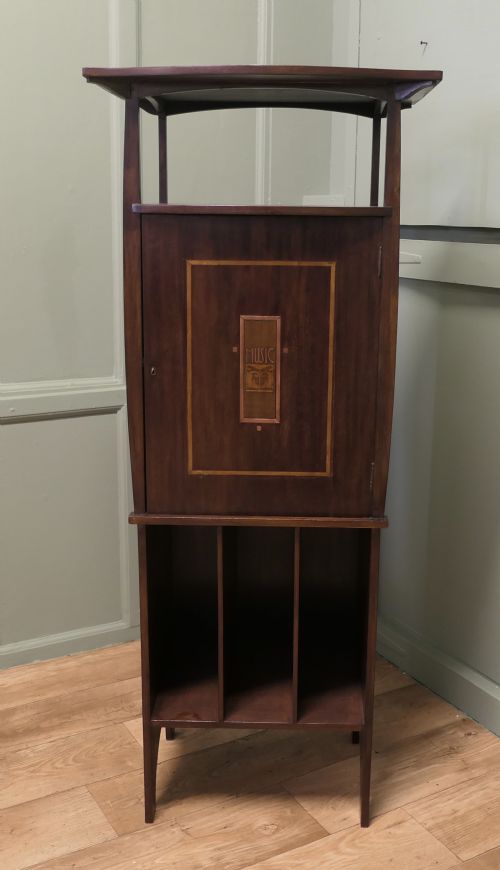
- An upright cabinet featuring multiple shallow internal shelves designed specifically to store sheet music. Edwardian iterations frequently incorporate decorative glass doors or inlaid timber panels.
- Carcase
- The main structural body or framework of a cabinet excluding doors, drawers and feet. Fine carcase construction relies on stable joints that withstand seasonal timber movement.
Vintage Tall Wooden Cabinet: Frequently Asked Questions
What is a Wellington chest?
A Wellington chest is a tall, narrow set of drawers featuring a locking side stile that secures every drawer simultaneously. This mechanism kept valuable papers private in nineteenth-century studies.
Buyers often place these in bedrooms or hallways where floor space is restricted but vertical capacity is required.
How do I use a tambour cabinet?
Tambour cabinets utilise a flexible slatted wooden door that slides along tracks to reveal the interior. They were originally designed for offices to house files without requiring swing clearance for traditional doors.
In modern homes, these cabinets serve well as compact drinks cupboards or media storage units.
What is the difference between a tallboy and a chest of drawers?
A tallboy consists of two distinct cabinet sections stacked vertically, providing greater height than a standard chest of drawers. Georgian and Victorian cabinet makers favored this format to increase storage without widening the footprint.
They anchor tall bedroom walls effectively and offer deep capacity across multiple tiers.
How do I date an oak cabinet?
Dating oak furniture involves examining construction marks, timber preparation methods and hardware styles. Edwardian and Victorian pieces often show machine-sawn timber and standardised brass fittings, whereas earlier examples reveal hand-planed surfaces.
Matching the period characteristics to the overarching style helps confirm the era of manufacture.