

Vintage Tall Plant Stand
These vintage tall plant stand pieces elevate botanical displays and sculptures, bringing vertical interest and period craftsmanship into living spaces.
Vintage Tall Plant Stand
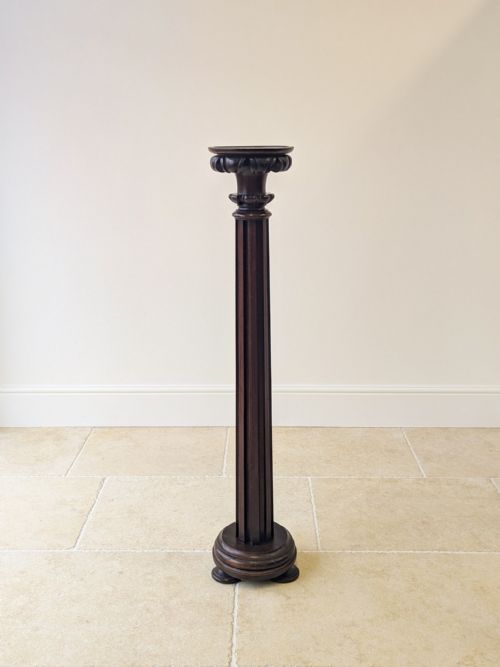
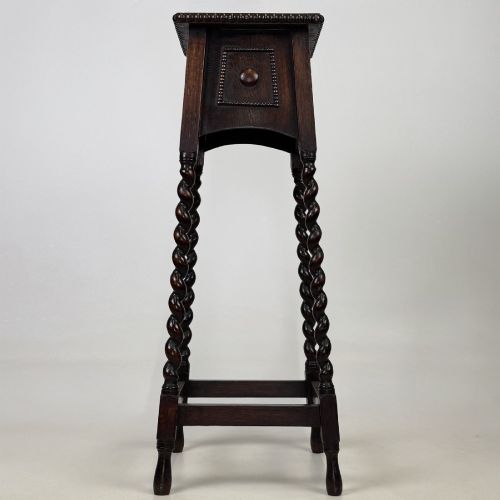
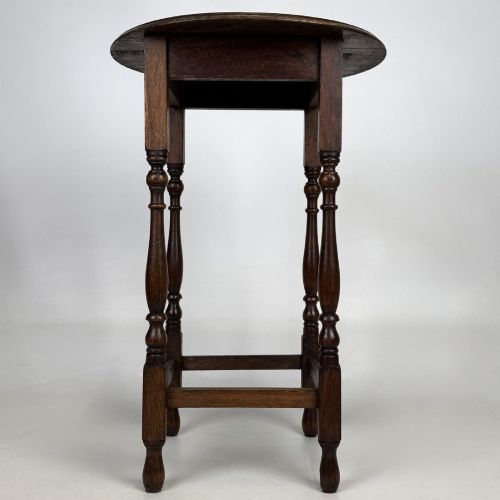
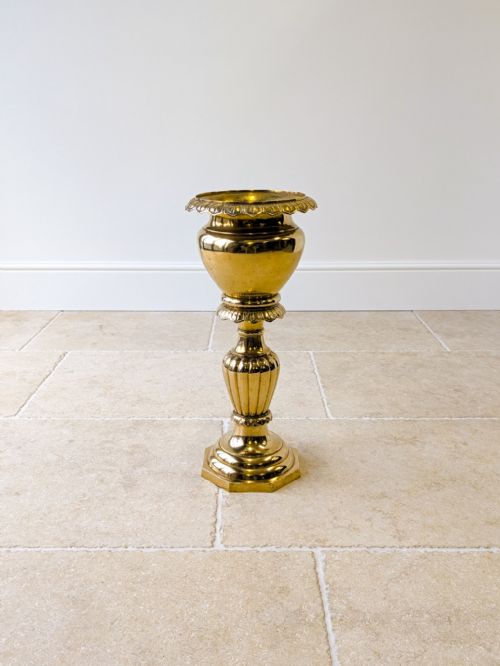
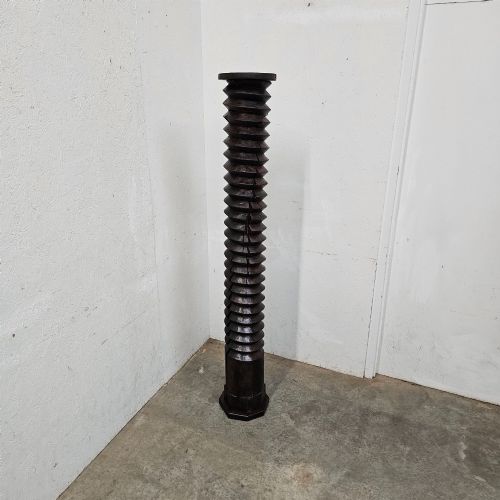
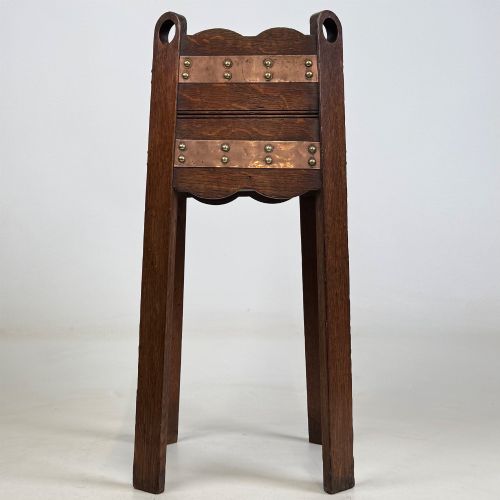
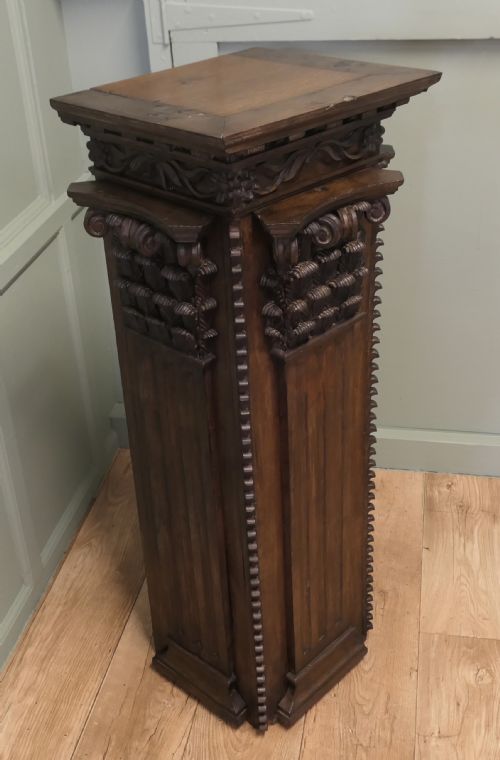
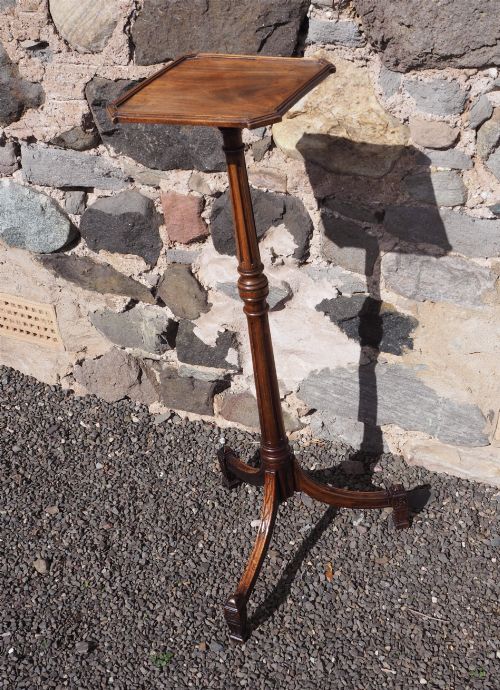
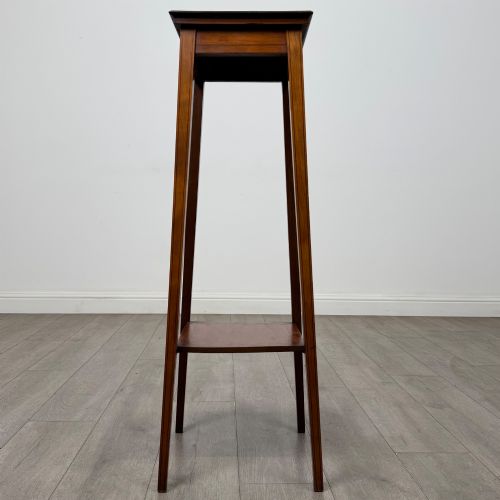
A vintage tall plant stand serves to elevate greenery and decorative objects, drawing the eye upward within a room. When exploring this selection, buyers encounter various forms including traditional torcheres, slender pedestals, columns, and multi-tier side tables.
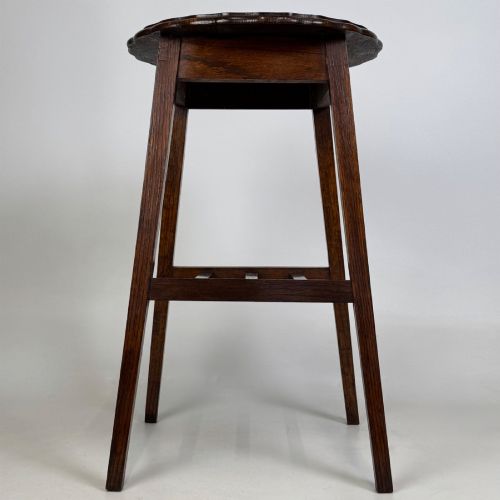
The pieces span from the eighteenth century through the Edwardian era and the early twentieth century. Examples range from simple oak Arts and Crafts designs to inlaid mahogany Edwardian pieces and continental walnut torcheres.
Makers utilised diverse regional styles, creating items that function equally well as display columns for sculpture or as corner stands for foliage. Most options on this page date from the Victorian and Edwardian periods, offering slender proportions suited to both period and modern interiors.
Materials and construction
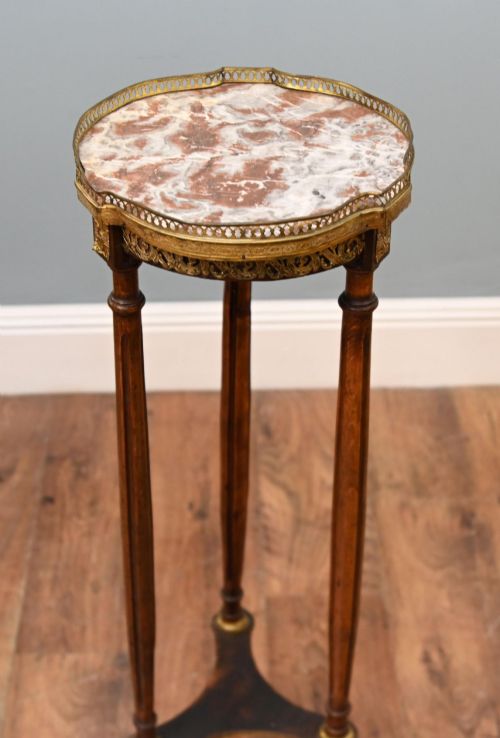
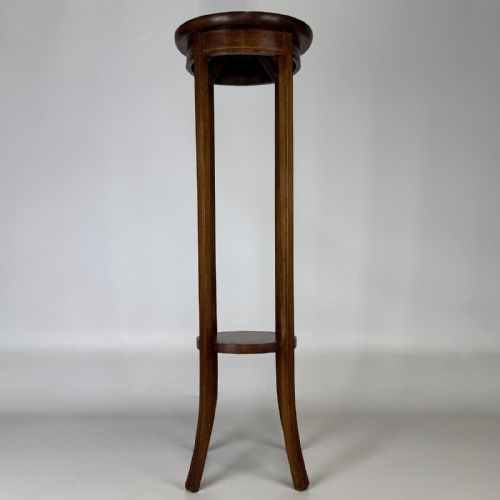
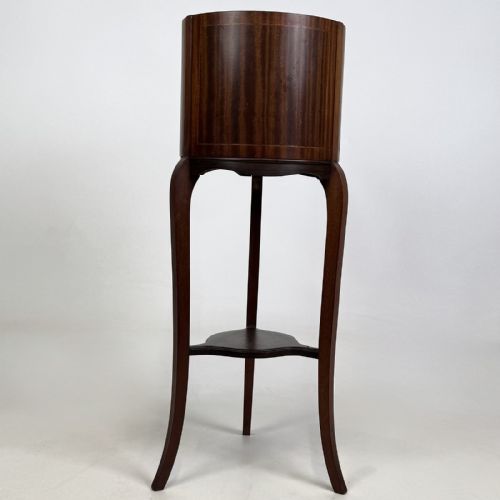
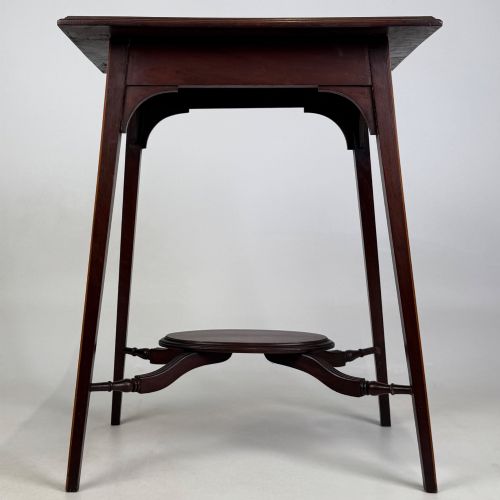
Cabinetmakers constructed these supports using timbers such as mahogany, oak, walnut, satinwood, and hardwood, often incorporating brass mounts or inset marble tops. Selected pieces feature intricate marquetry inlay, carved cabriole legs, and turned columns.
Surface finishes vary from polished mahogany and original green paint to ebonised treatments and carved oak detailing. Structural stability is achieved through heavy bases, tripod feet, or lower shelves that anchor the height of the piece.
Vintage Tall Plant Stand Retail Price Guide 2026
Typical asking prices for vintage tall plant stand among the pieces listed under this phrase on Sellingantiques today, from the lower quarter to the upper quarter. They describe what is for sale here now, not the wider market.
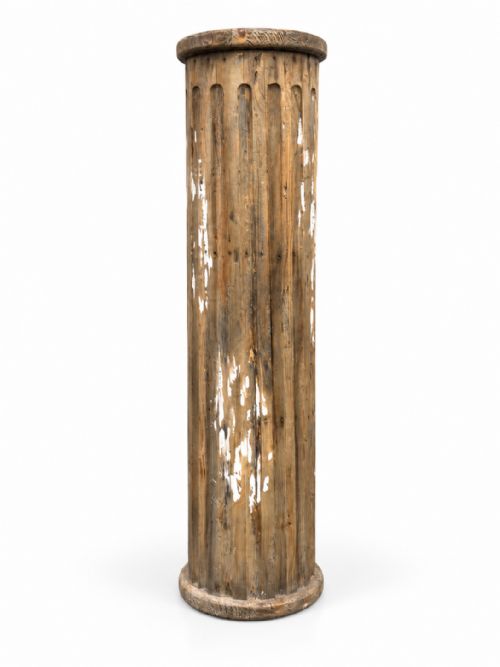
Several stands arrive wearing their original nineteenth-century green paint, refusing to take themselves too seriously.
Judging the execution
Distinction in these pieces lies in the crispness of the carving, the selection of timber veneers, and the integrity of the structural joints. Superior examples exhibit harmonious proportions between the narrow shaft and the supporting base, ensuring stability despite the height.
The refinement of brass scrollwork, the precision of inlaid woodwork, and the retention of original surface finishes separate standard utility items from finer decorative pieces. Detail in turned columns and the quality of inset marble slabs further indicate higher workshop standards.
Druce & Co London·Shoolbred
The Vintage Tall Plant Stand Glossary
- Torchere
- A tall, slender stand originally designed to hold a candle or light source. These pieces now function primarily to display plants or decorative objects.
- Plinth
- A heavy base or lower block that supports a column, statue, or tall plant stand. It provides the necessary counterweight for elevated displays.
- Pedestal
- A vertical support structure used to elevate vases, busts, or botanical specimens. They appear in various timber and marble configurations.
- Inlay
- A decorative technique where contrasting woods or materials are fitted into depressions within the primary surface. Edwardian mahogany stands frequently employ this method.
- Cabriole leg
- A furniture leg that curves outward and then tapers inward, inspired by the shape of an animal's leg. This form appears on several Edwardian examples.
Vintage Tall Plant Stand: Frequently Asked Questions
What are tall plant stands used for?
These elevated pieces display potted plants, vases, and sculptures, creating varying heights within a room's interior layout.
They allow greenery to receive better light and introduce vertical architectural interest into empty corners.
How do I choose the right height?
Consider the scale of the surrounding furniture and the height of the plant or object you intend to place on top.
Slender torcheres suit smaller spaces, while robust columns accommodate heavier marble tops and larger botanical specimens.
Are marble top stands delicate?
The inset marble slabs provide a durable, water-resistant surface ideal for holding potted plants without damaging the underlying timber.
Care should be taken to protect the stone from staining and to ensure the wooden base remains stable on uneven floors.
How do I identify an Edwardian stand?
Edwardian pieces often feature lighter mahogany or satinwood timbers, frequently embellished with delicate inlay work and tapered legs.
They reflect the lighter aesthetic of the early twentieth century compared to heavier Victorian or Georgian furniture.