

Vintage Tall Mirror
A vintage tall mirror brings vertical presence to a room, reflecting light from floor to ceiling through centuries of French and English design.
Vintage Tall Mirror
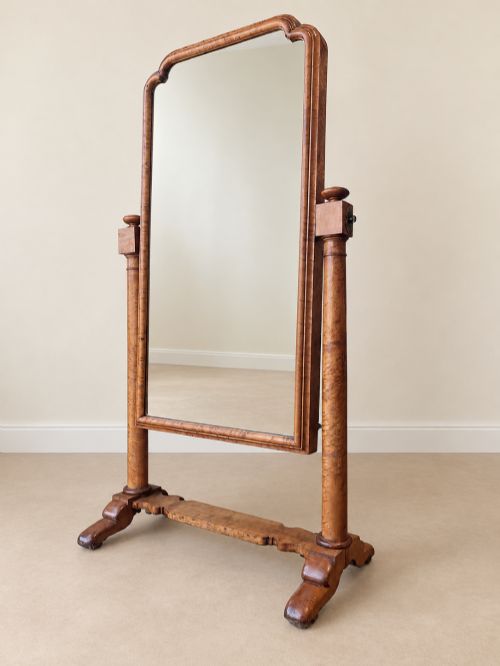
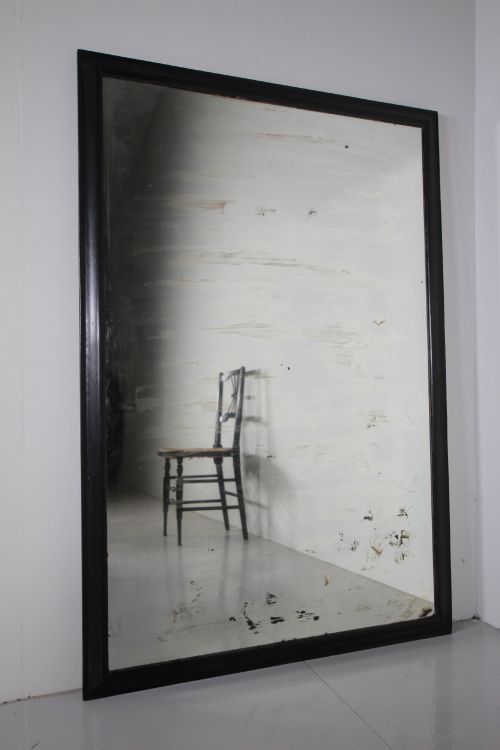
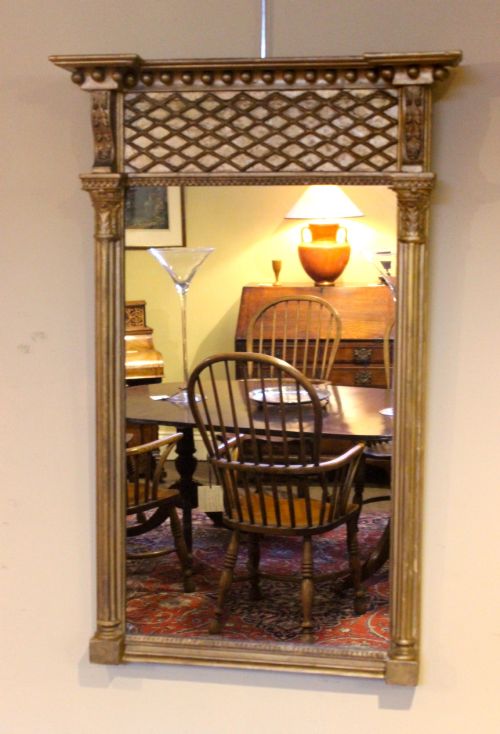
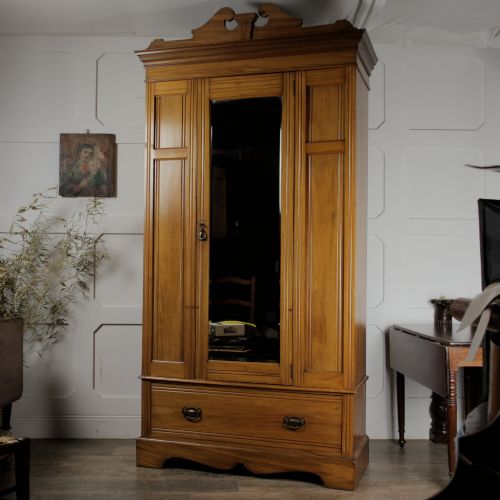
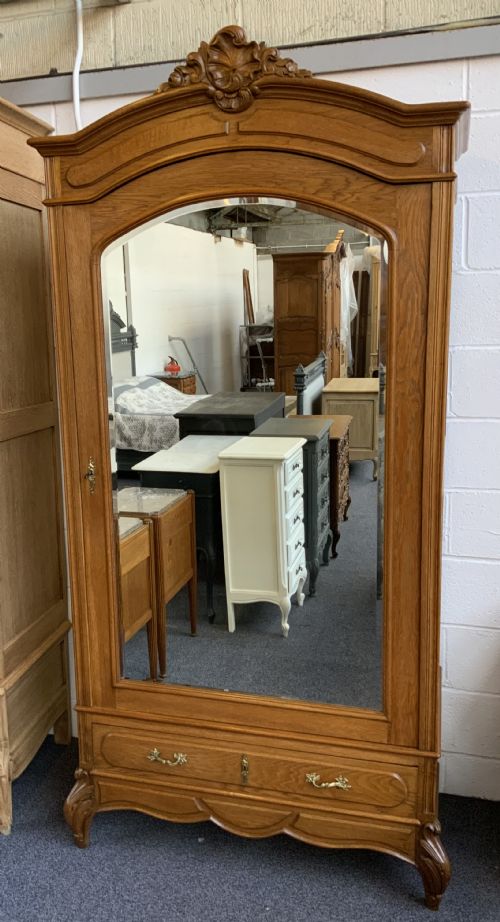
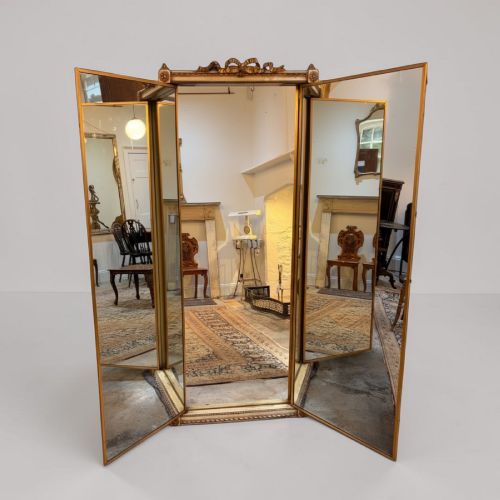
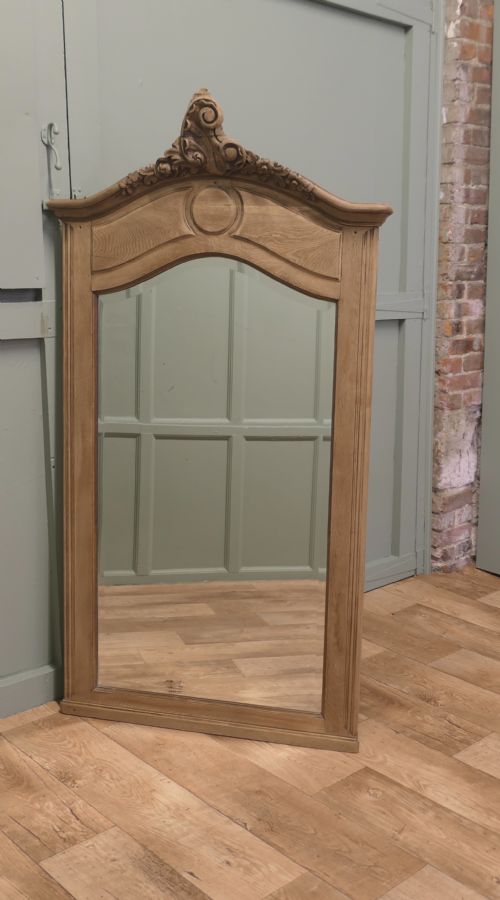
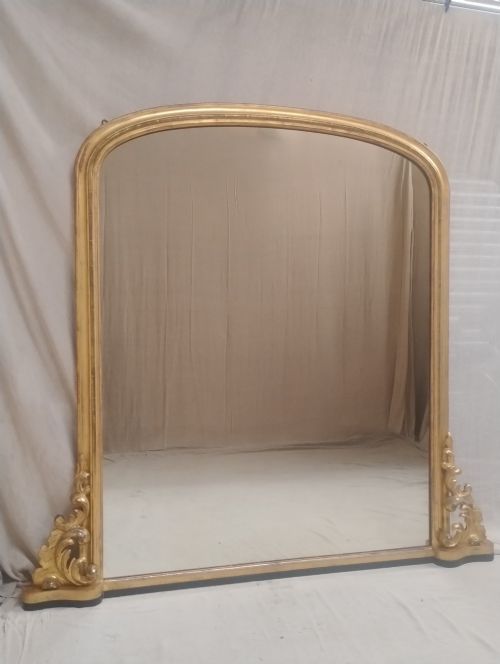
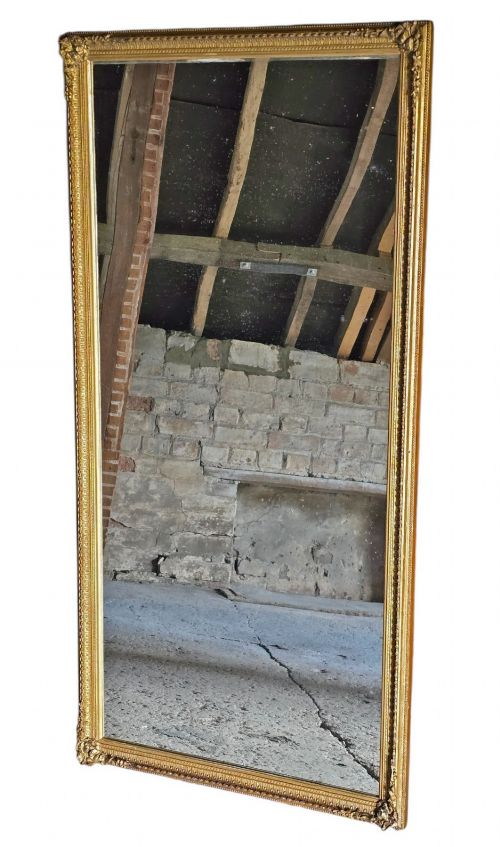
A vintage tall mirror encompasses several vertical forms designed to elongate interior space, spanning wall-mounted pier mirrors, overmantels, and free-standing cheval mirrors. When searching for a vintage tall mirror, buyers encounter numerous nineteenth-century French Louis Philippe designs alongside English Victorian mahogany pieces and early twentieth-century shop dressing mirrors.
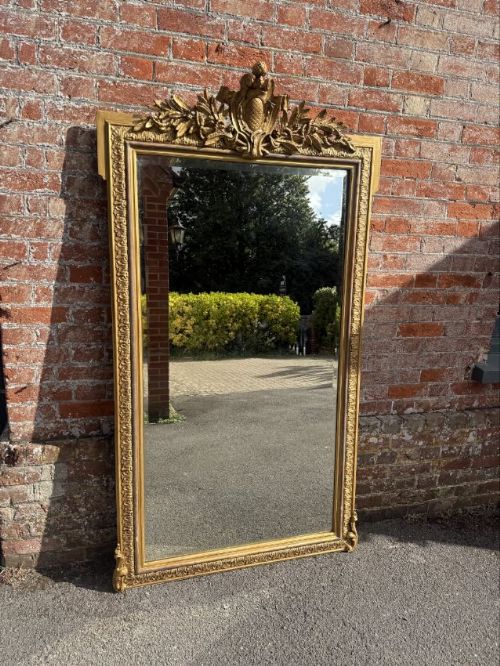
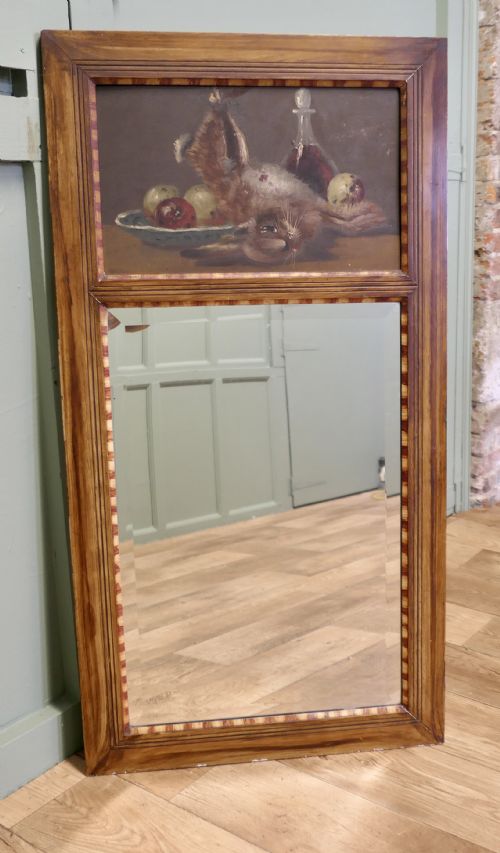
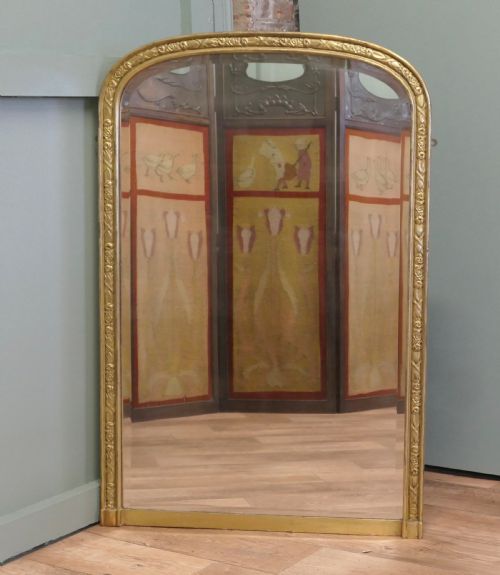
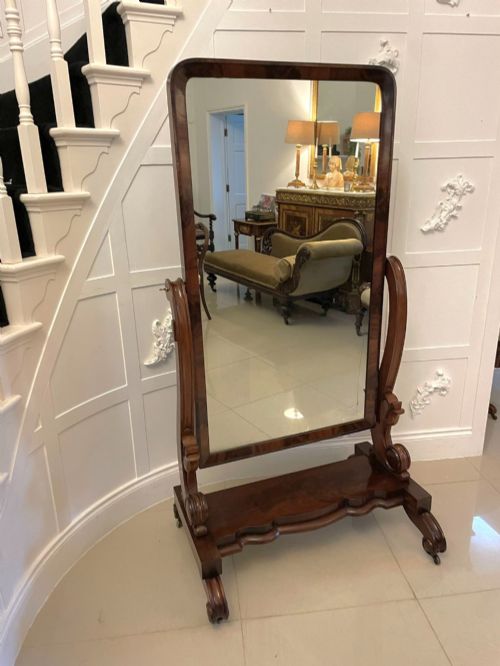
The selection ranges from narrow trumeau panels with painted upper sections to grand giltwood overmantels exceeding one hundred and sixty centimetres in height. Cheval mirrors provide full-length adjustment on pivoting frames, while wall-mounted variants utilise slender proportions to fit narrow wall spaces between windows or doors.
Materials and construction
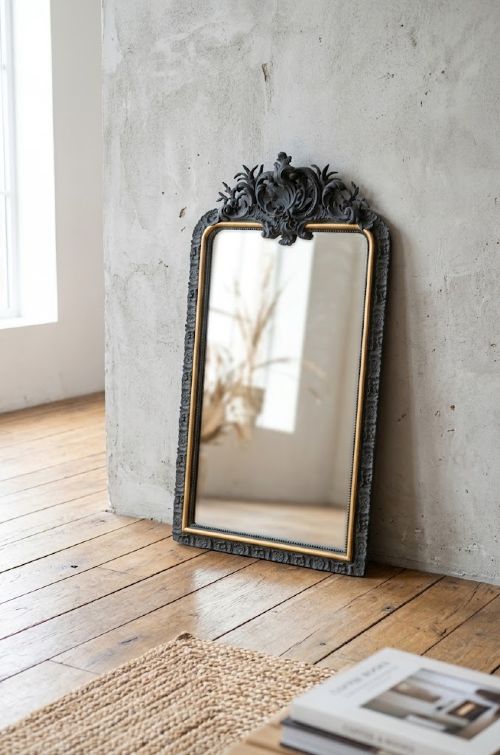
Makers constructed frames using solid timbers such as mahogany, oak, and walnut, frequently applying gesso over carved wood to build up intricate surface ornament before gilding or painting. Giltwood and silvered finishes dominate the decorative examples, while shop and dressing mirrors rely on sturdy mahogany framing to support large glass plates.
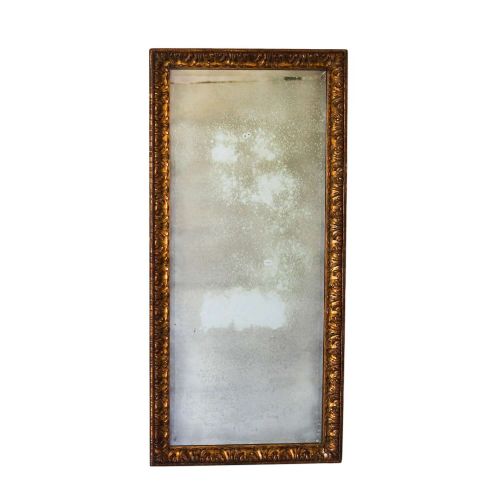
Glass plates vary from early bevelled sheets with natural foxing to clean nineteenth-century silvered mirror glass held securely within rebated wooden frames. Structural support relies on traditional joinery, with floor-standing cheval designs incorporating stable sabre legs and brass castors for mobility.
Vintage Tall Mirror Retail Price Guide 2026
Typical asking prices for vintage tall mirror among the pieces listed under this phrase on Sellingantiques today, from the lower quarter to the upper quarter. They describe what is for sale here now, not the wider market.
Listings feature pieces spanning from the eighteenth century through the Victorian, Edwardian, and Art Deco periods, utilising mahogany, giltwood, gesso, and brass.
Markers of excellence
Quality rests in the depth and crispness of the hand-carved gesso ornament and the purity of the original gilding against the wooden substrate. Superior examples display substantial scale with well-proportioned sight lines, whether in the subtle sweep of a Louis Philippe frame or the robust turnings of a Victorian cheval stand.
The integrity of the glass plate and the original backboards contribute significantly to a piece's standing. Refined execution shows in the precision of the mitred corners, the weight of the timber, and the harmonious integration of painted or carved decorative panels.
The Vintage Tall Mirror Glossary
- Pier mirror
- A tall glass designed specifically to hang on the narrow pier of wall space situated between two windows. These vertical glasses often match the height of the surrounding architecture.
- Cheval mirror
- A full-length dressing glass suspended on a vertical frame with pivoting side pins. This allows the user to tilt the glass plate to various angles.
- Trumeau
- A decorative wall mirror incorporating a painted or carved panel above the glass plate. Originating in French interiors, the upper section frequently depicts pastoral or floral scenes.
- Louis Philippe
- A mid-nineteenth-century French style characterised by understated elegance and softly rounded upper corners. These frames rely on simple classical proportions rather than heavy ornamentation.
- Foxing
- The natural ageing process in mirror glass where oxidation creates dark spots and misty patches behind the surface. This chemical alteration indicates genuine antique provenance.
Vintage Tall Mirror: Frequently Asked Questions
How do I hang a heavy tall mirror?
Heavy tall mirrors require secure wall fixings distributed evenly across the primary wooden frame rather than relying on single wire attachments.
Professional installation into wall studs or masonry ensures the weight of large giltwood or overmantel pieces remains properly supported.
What is a trumeau mirror?
A trumeau mirror combines a vertical looking glass with an integrated decorative panel positioned directly above the frame.
These pieces served as architectural wall decorations in French homes, blending painted artwork or wood carving with functional reflection.
Where should I place a cheval mirror?
Cheval mirrors function best in bedrooms and dressing rooms where free-standing floor placement permits a complete head-to-toe view.
Because they pivot on a stable frame, positioning them near a light source maximises illumination within the dressing area.
How can I date an antique mirror?
Dating relies on examining the construction methods, the thickness and clarity of the glass plate, and the composition of the frame's gesso and timber.
Hand-bevelled edges, original backboards, and natural foxing patterns provide clear chronological indicators pointing to nineteenth or early twentieth-century origins.