
Vintage Tableware Accessory
These vintage tableware accessory pieces bring functional elegance to the dining table through silver, enamel, and fitted presentation cases.
Vintage Tableware Accessory
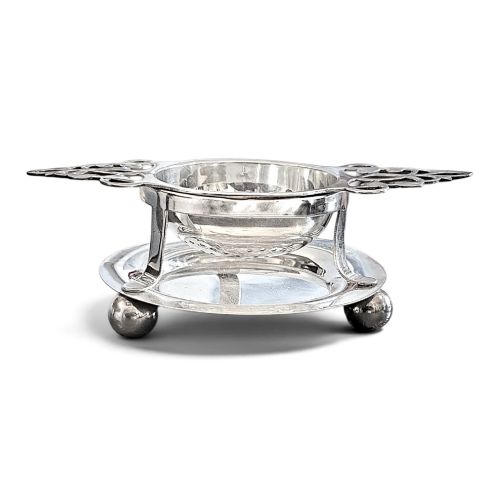
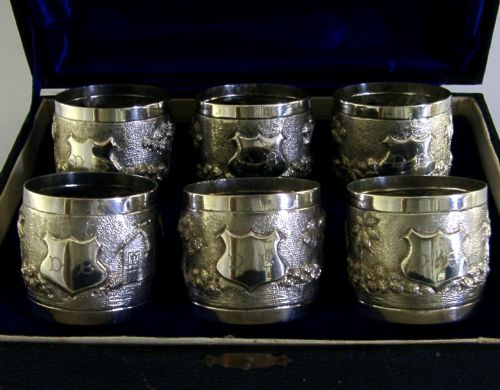
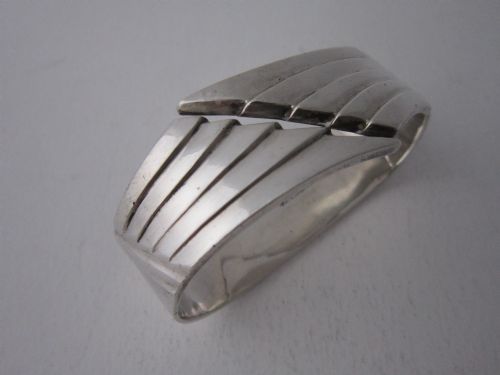
A vintage tableware accessory encompasses functional and decorative items designed for formal dining from the late Victorian period through the mid-century. Napkin rings, menu holders, condiment sets, and knife rests represent the core forms encountered across these listings. Buyers seek these items to complement traditional table settings with authentic period metalwork.
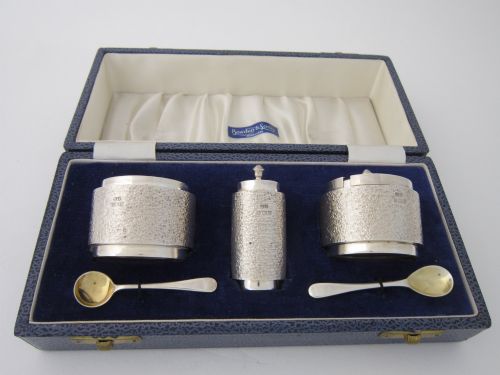
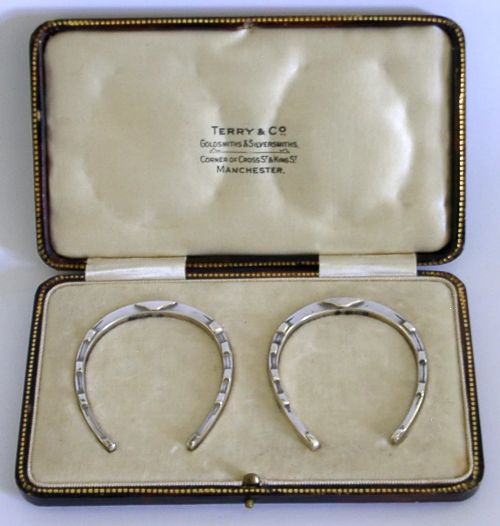
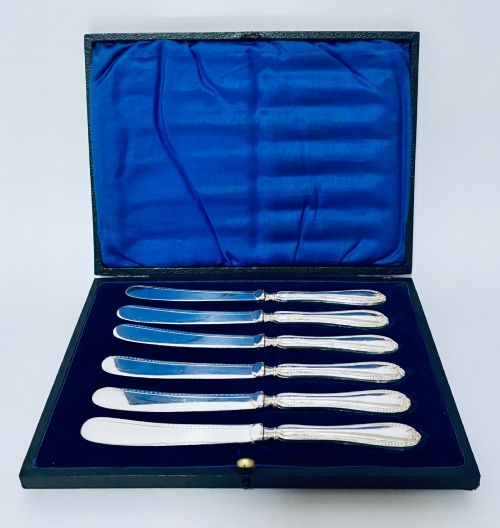
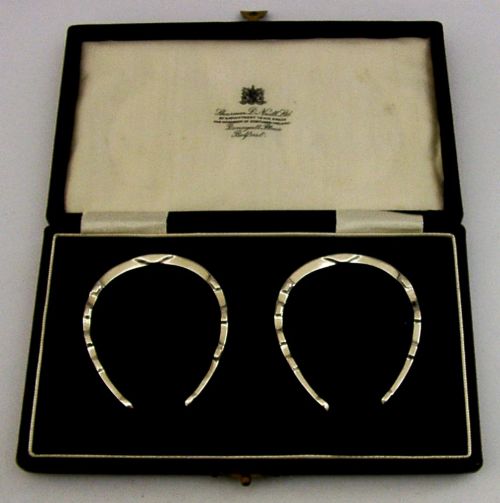
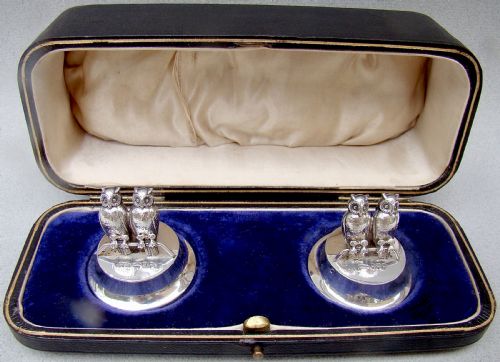
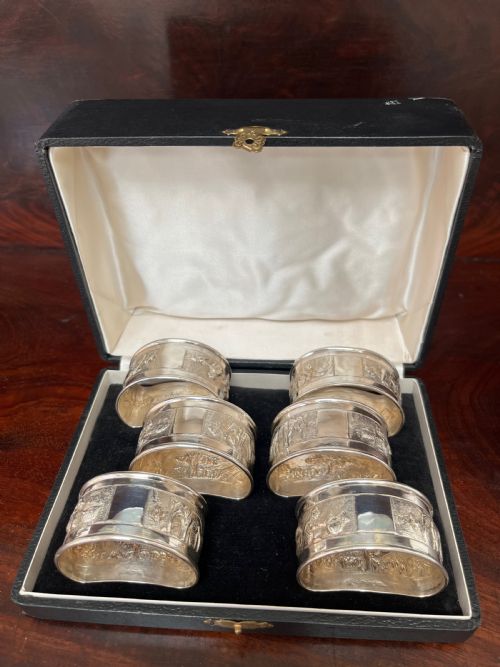
The selection ranges from individual place markers to matched sets housed in velvet or silk-lined leatherette cases. Edwardian and Art Deco examples demonstrate the shift from ornate Victorian ornamentation toward streamlined modernism. Cased sets indicate items intended for gifting or formal domestic storage.
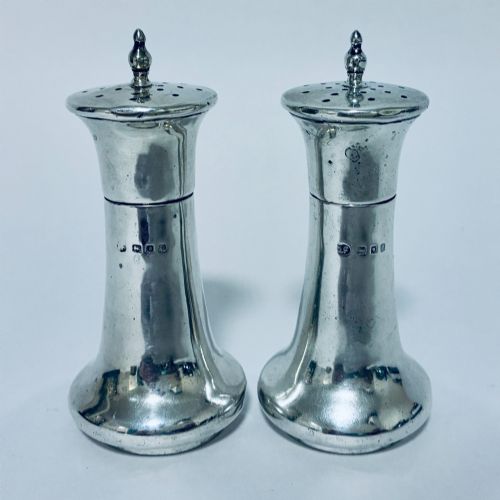
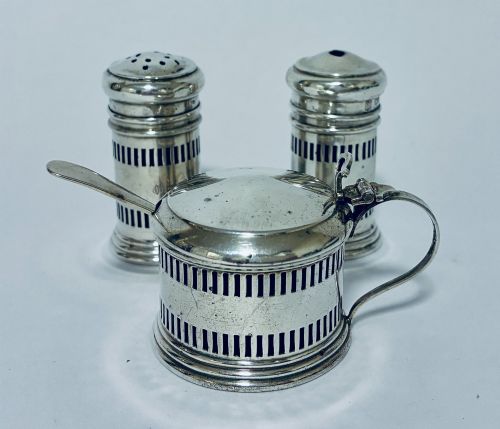
Cruet sets, tea strainers, and sauce boats illustrate the specialised nature of historical dining rituals. Sterling silver predominates, alongside silver plate and functional additions such as glass liners and agate insets.
Materials and Craftsmanship
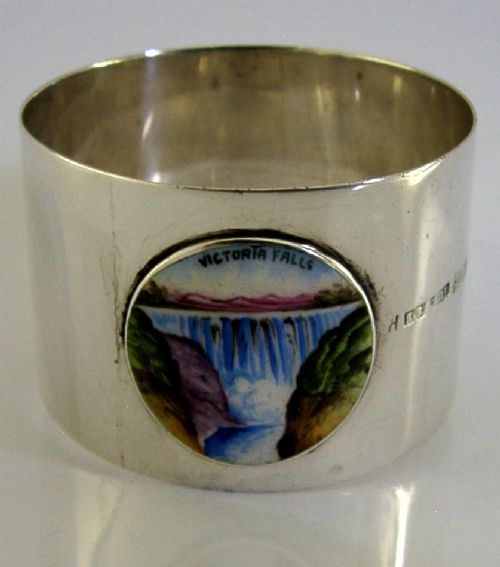
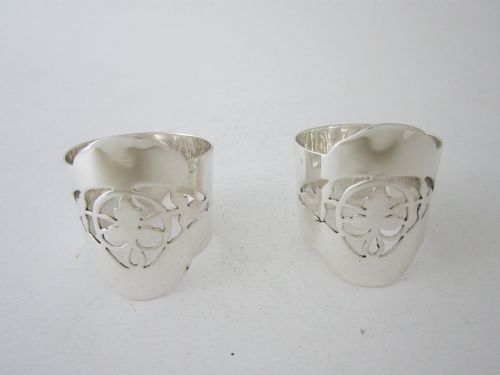
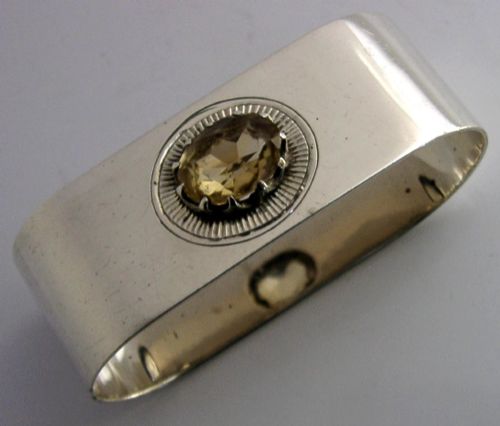
Sterling silver and silver plate form the structural foundation for the majority of pieces, worked through casting, hammering, and piercing. Enamel work and gemstones such as citrine add colour highlights to specific napkin rings and menu holders. Fitted boxes utilise wood covered in leatherette, lined with velvet or silk to protect the metal components.
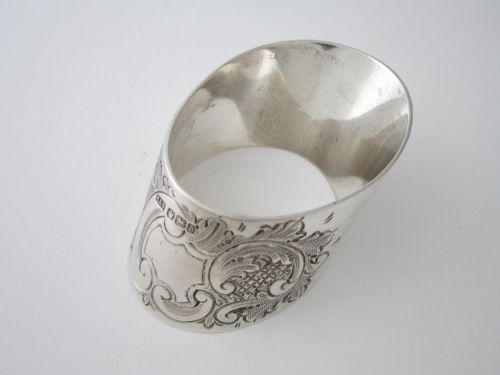
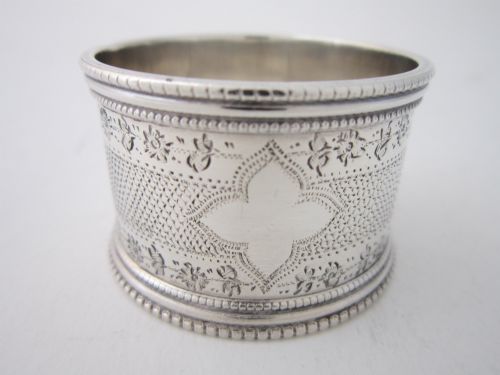
Silversmiths employed techniques including engraving, chasing, and model casting to produce dimensional figures like owls, horseshoes, and bull heads. Maker marks and assay office stamps provide verifiable evidence of metal purity and date of production. Silver gilt applications provide contrasting golden interior surfaces on select pieces.
The listings span the Victorian, Edwardian, and Art Deco periods, utilising sterling silver, silver plate, velvet, silk, and leather.
Markers of Quality
Quality rests upon the weight of the metal, the crispness of chased or cast details, and the integrity of any associated fitted presentation case. Superior napkin rings and menu holders display sharp definition in figural elements without smoothing from excessive polishing. Complete sets matching their original numbered rings or cruet bottles retain higher desirability than assembled groups.
The presence of crisp hallmarks and recognised maker stamps distinguishes standard domestic production from distinguished workshops. Intact interior gilding and undamaged glass liners or enamel panels preserve the original aesthetic intended by the maker.
Hammond Turner and Sons·Levi and Salaman·Sampson Mordan·Georg Jensen·Hermes Paris·Mappin and Webb
The Vintage Tableware Accessory Glossary
- Hallmark
- Official stamps pressed into precious metal indicating the assay office, standard of purity, and year of manufacture. These marks allow precise dating of British silver pieces.
- Condiment Set
- A matching collection of small vessels holding salt, pepper, and mustard for table use. They often sit on a dedicated stand or tray.
- Cruet Set
- A container or set of containers holding vinegar, oil, or other liquid seasonings for the dining table. Historical examples frequently incorporate glass bottles within silver or plated frames.
- Menu Holder
- A small upright display piece designed to hold card menus on a formal dining table. They frequently take figural forms such as animals or hearts.
- Silver Plate
- A base metal, typically copper or nickel silver, coated with a thin layer of pure silver. This technique offered an accessible alternative to solid sterling silver.
Vintage Tableware Accessory: Frequently Asked Questions
How do I clean silver accessories?
Use a specialised soft silver cloth and mild soapy water to remove tarnish without abrading the surface details or damaging enamel work.
Avoid harsh chemical dips, particularly on items featuring fitted stones, silk linings, or delicate gilt surfaces.
Are cased sets original?
Many sets remain in their original velvet or silk-lined leatherette presentation boxes, which often feature maker details inside the lid.
Matching fitted interiors protect the items from wear and indicate the piece was retailed as a cohesive suite.
How do I read silver hallmarks?
British hallmarks typically show a standard mark for silver purity, a leopard head or other city symbol for the assay office, and a date letter.
Matching these symbols against official registry tables reveals the exact year and location where the piece was tested and stamped.
Can I use these items daily?
Solid sterling silver napkin rings, toast racks, and condiment sets are robust enough for regular contemporary dining use.
Items with delicate glass liners, enamel, or silver plate require gentle hand washing rather than automated dishwasher cleaning.