

Vintage Table Urns
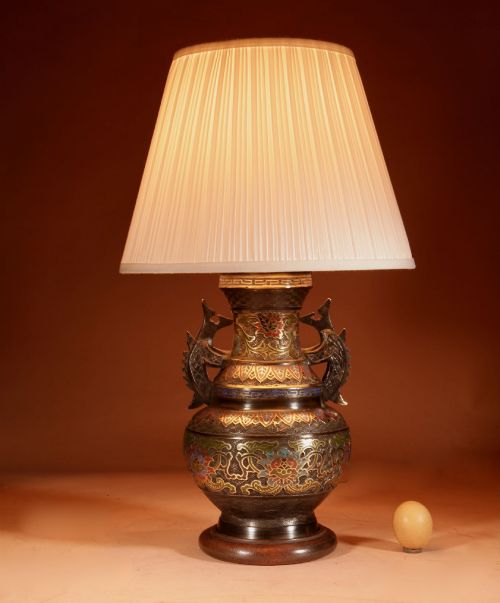
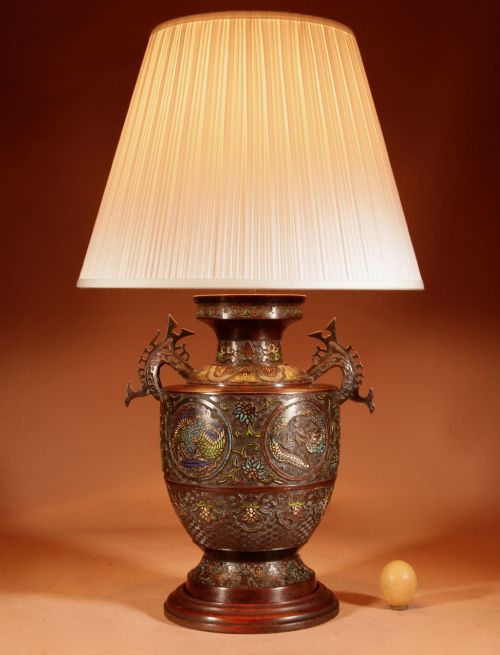
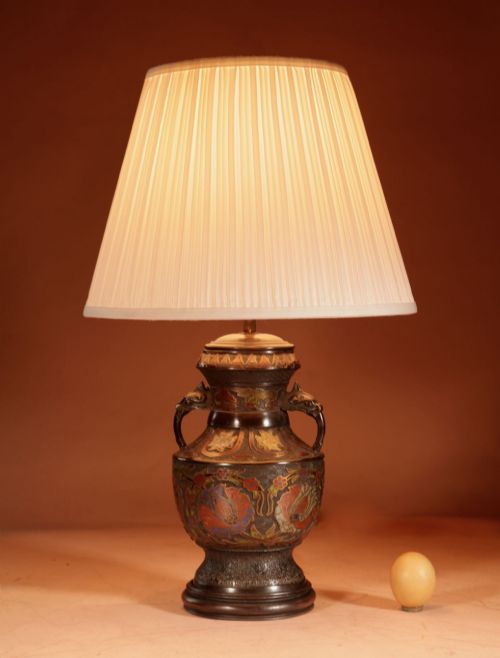
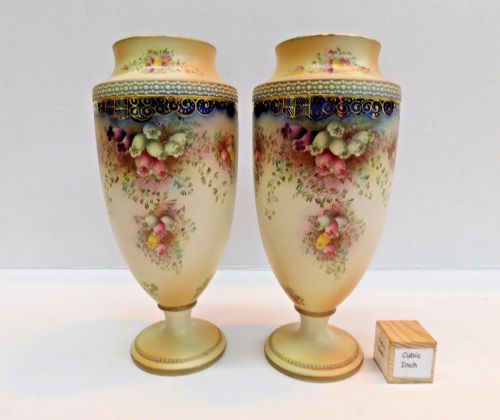
These vintage table urns bring sculptural presence and period character to a room, functioning as striking ornamental centerpieces.
Vintage Table Urns
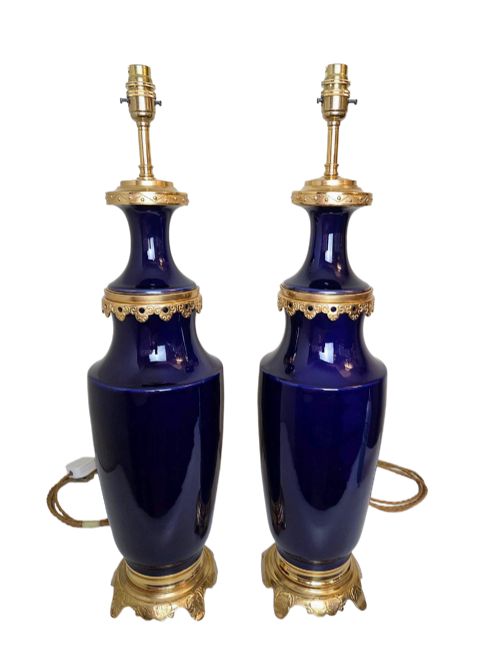
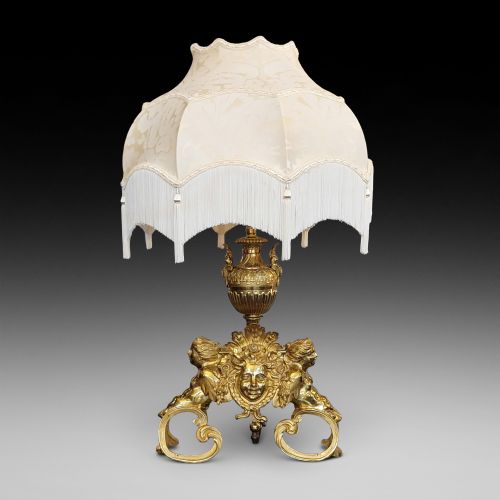
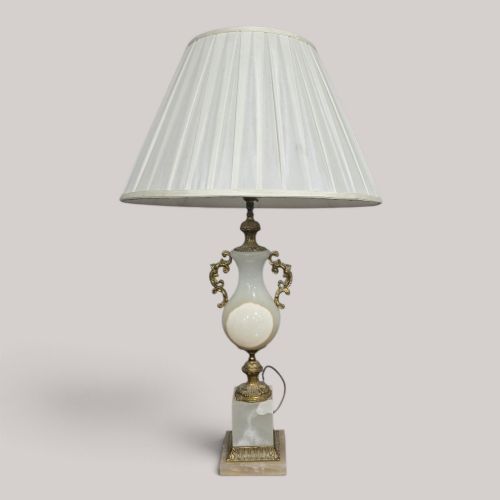
Vintage table urns encompass decorative vessels and converted lamps originating from various late nineteenth and early twentieth century traditions.
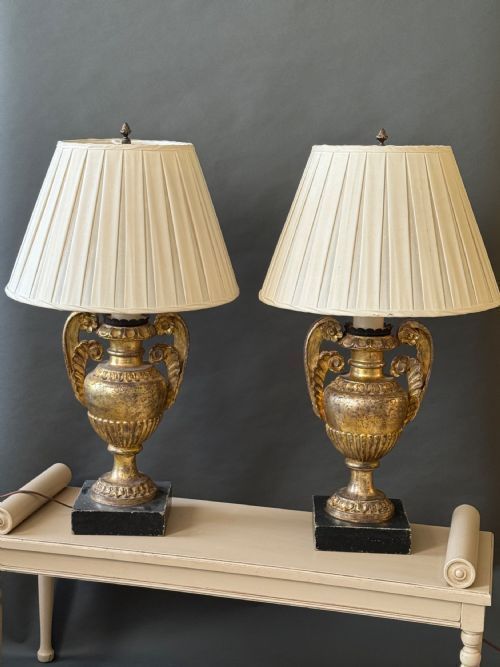
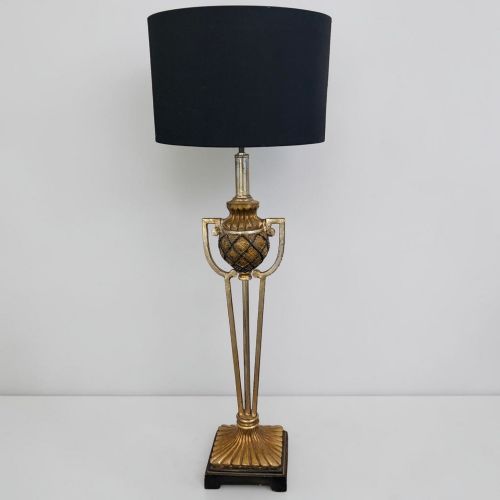
The selection ranges from French Neoclassical gilt bronze mounts to Japanese Satsuma and Meiji period bronzes adapted for domestic lighting.
Materials and construction
Construction relies on traditional metalworking methods, combining cast brass and gilt bronze with detailed enamel work.
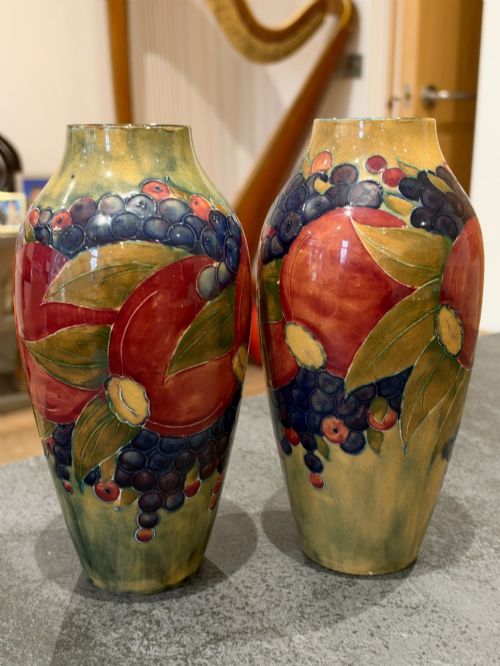
Ceramic examples utilise Paris porcelain and crackle ware bodies, often paired with hand-applied gilding and painted motifs.
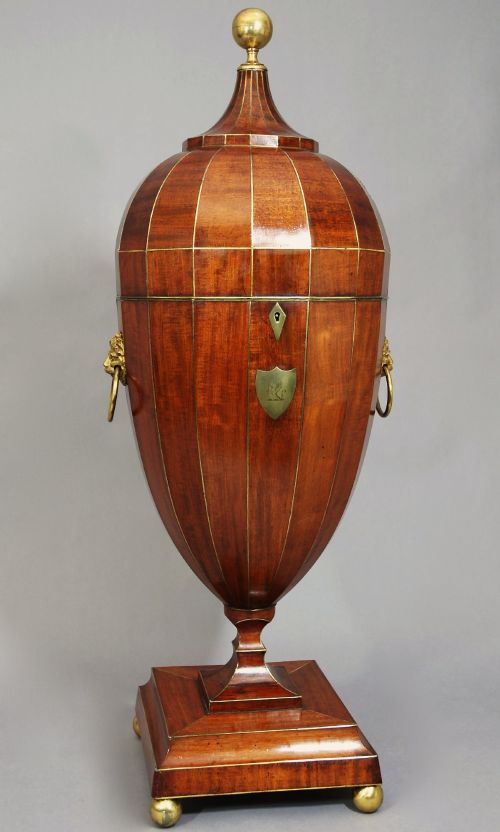
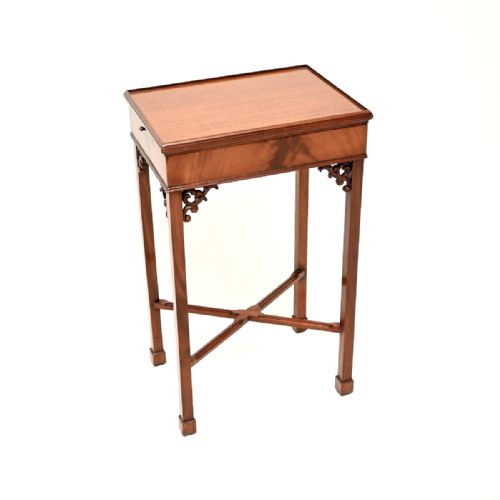
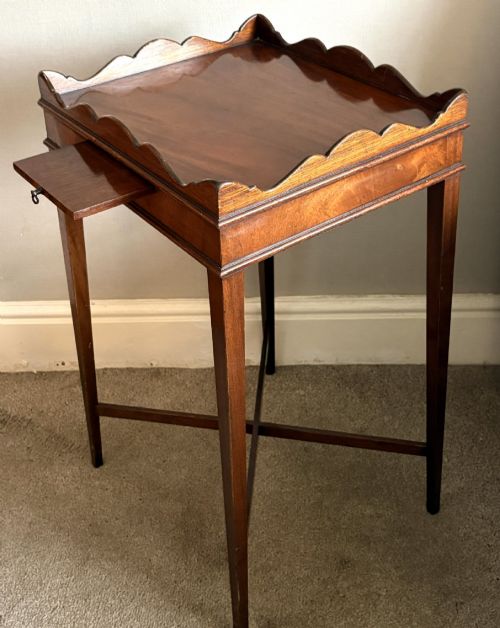
Wooden furniture forms incorporate mahogany, satinwood, and elm, featuring marquetry inlays and carved details.
Vintage Table Urns Retail Price Guide 2026
Typical asking prices for vintage table urns among the pieces listed under this phrase on Sellingantiques today, from the lower quarter to the upper quarter. They describe what is for sale here now, not the wider market.
The listings feature diverse materials including alabaster, marble, cloisonne enamel, and mother of pearl inlay.
Assessing quality and execution
Quality rests upon the crispness of metal casting and the precision of applied champlevé enamel decoration.
Superior ceramic pieces display finely controlled glaze work and hand-painted detail rather than mechanical transfer printing.
Furniture elements demonstrate the depth of cabinetmaking skill through tight joinery and well-executed wood veneers.
Liberty & Co·Druce & Co London·Shoolbred·Royal Worcester
The Vintage Table Urns Glossary
- Champlevé
- An enamelling technique where troughs are dug into a metal surface and filled with vitreous enamel before firing. This method creates bold coloured patterns across bronze and brass bodies.
- Gilt bronze
- Metal alloy treated with a fine layer of gold to produce a durable golden finish. Also known asormolu, it provides rich decorative trim on nineteenth-century pieces.
- Satsuma
- A type of Japanese earthenware featuring a pale crackle-glazed finish decorated with intricate polychrome designs. These pieces were frequently exported to Europe during the Meiji period.
- Pate sur pate
- A ceramic decorating technique where layers of liquid porcelain clay are built up on a contrasting body to create a low relief cameo effect.
Vintage Table Urns: Frequently Asked Questions
How do I identify a converted urn?
Converted urns generally feature discreet drill holes or internal wiring channels added during the twentieth century to accommodate electrical fittings without damaging the main vessel body.
Examination of the base and collar often reveals threaded metal hardware fitted to secure lamp stems into antique ceramic or bronze receptacles.
Where should I place a table urn?
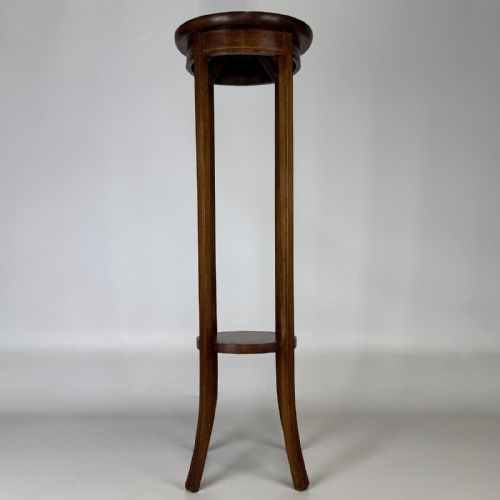
These pieces suit side tables, mantelpieces, and dedicated plant stands where their height and sculptural silhouette draw the eye. Placing them away from direct sunlight protects delicate gilt and enamel surfaces from fading over time.
Pairing matching urns on console tables creates a balanced focal point within traditional interior schemes.
How do I care for gilt bronze?
Dust gilt bronze surfaces gently with a soft dry cloth to prevent accumulation in recessed decorative reliefs. Avoid abrasive cleaning products or polishes that strip the original surface gilding.
Handling pieces with clean hands prevents natural oils from tarnishing vulnerable metal areas.
What periods do these pieces span?
The selection covers late nineteenth-century Victorian and Meiji period works alongside Edwardian and 1920s decorative arts. Stylistic influences range from French Chateau to Chinese Export and Neoclassical designs.
Manufacturing dates stretch from the late eighteen-hundreds into the early decades of the twentieth century.