


Vintage Table Light
A vintage table light brings character and a warm glow to a room, offering functional illumination through pieces shaped by decades of design.
Vintage Table Light
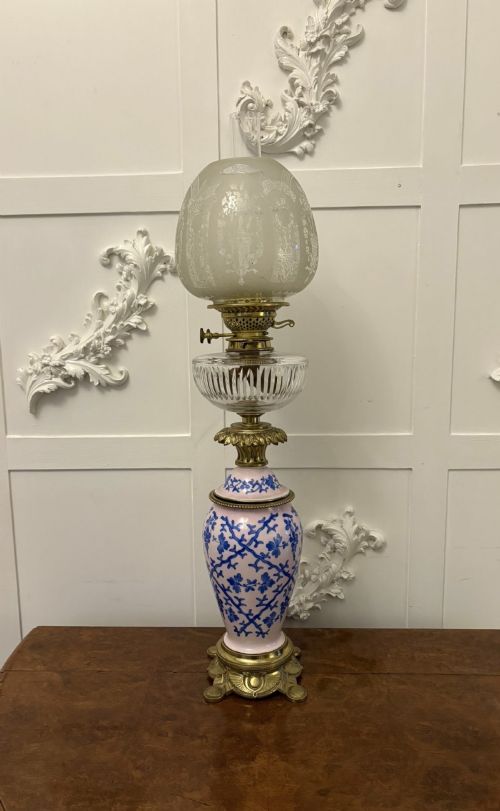
When searching for a vintage table light, buyers encounter a diverse selection ranging from converted nineteenth-century oil lamps to modernist art deco designs. These pieces function as both practical lighting and decorative objects for desks, side tables, and living spaces.
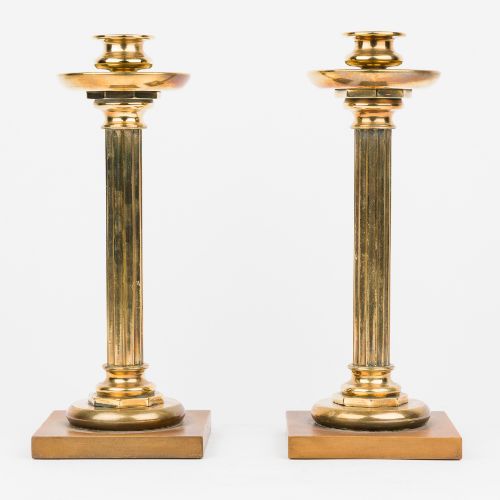
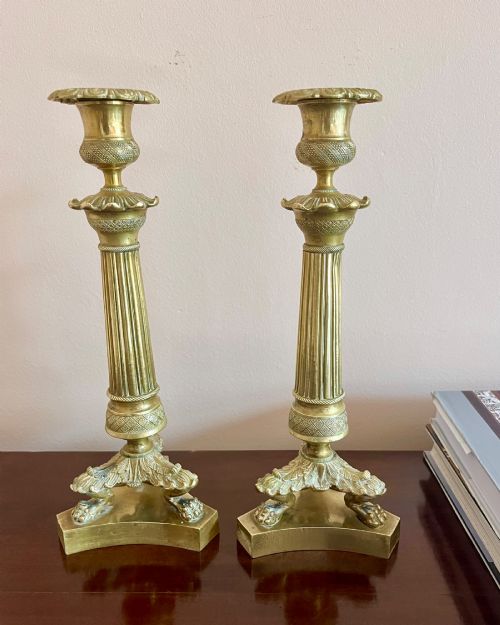
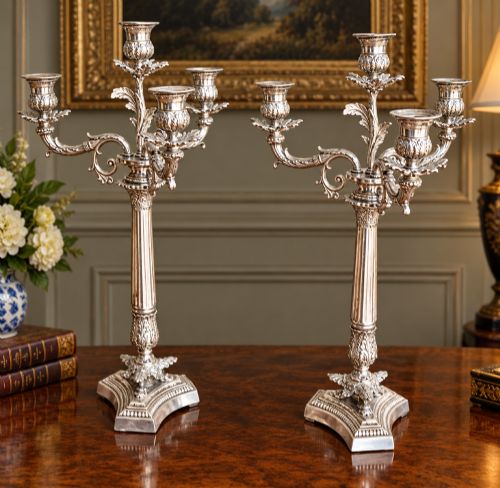
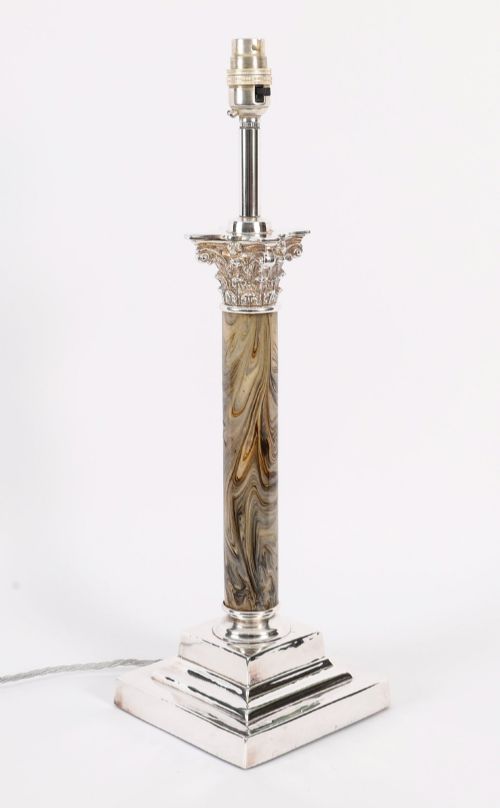
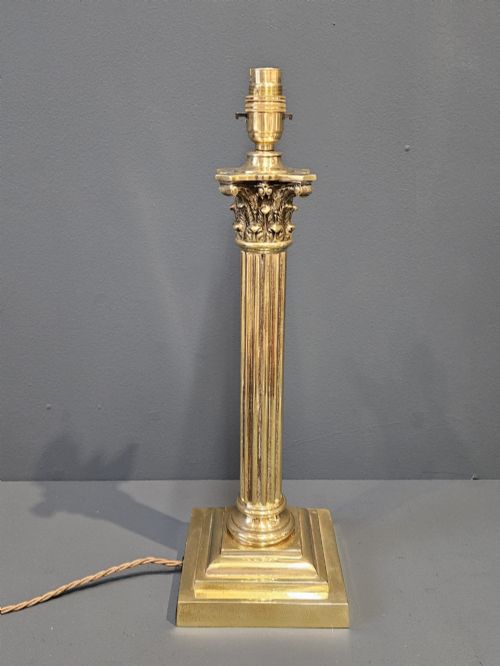
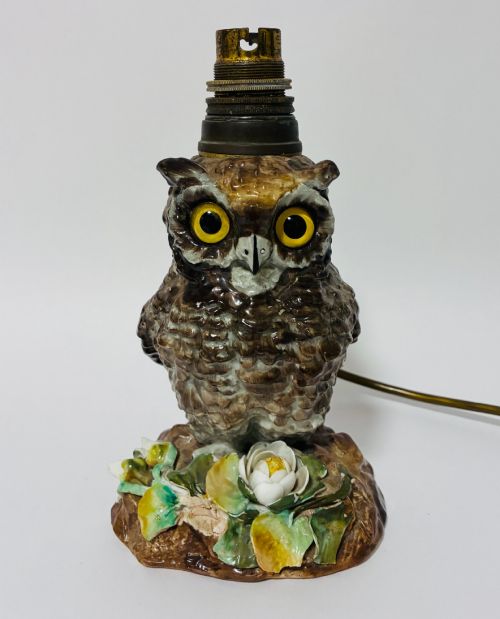
The materials and forms vary considerably, encompassing cast brass Corinthian columns, carved Japanese brush pots, ceramic owl bases, and lacquered chinoiserie finishes. Many examples begin life as candlesticks, oil lamps, or candelabras before later adaptation into electric lamps.
Earlier nineteenth-century items lean toward ornate silver plating and classical bronze figures, while twentieth-century examples embrace clean modernist lines or Bakelite construction. This mix of periods ensures that pieces suit both traditional interiors and contemporary rooms.
How they were made
Maker workshops utilised durable metals such as brass, bronze, silver plate, and chrome, often cast and chased with intricate decorative motifs. Columnar designs, cherubs, and classical revival details rely upon precise metalworking and foundational casting techniques.
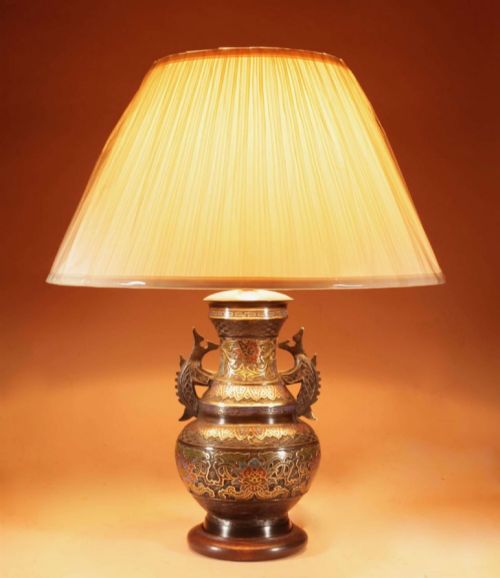
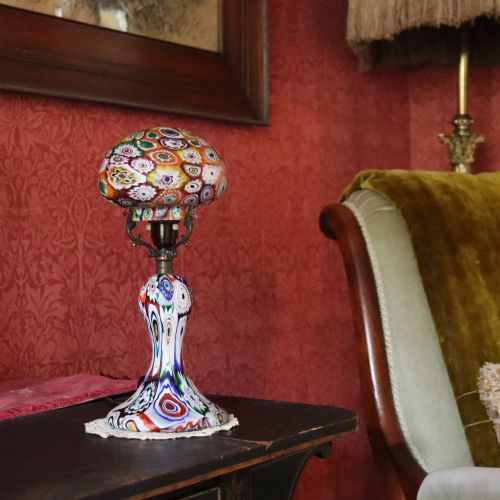
Other examples incorporate natural materials like oak, ash, marble, onyx, and hand-blown glass, including Murano millefiori and cut crystal. Lacquering, champlevé enamel work, and applied ochre finishes provide vibrant colour and surface texture to wooden and bronze bodies.
Listings span periods from the eighteenth century through the Victorian and Edwardian eras into the nineteen-twenties and nineteen-thirties.
What varies in quality
The standard of a vintage table light rests upon the crispness of its casting, the weight of its metal or stone base, and the depth of its surface finish. Superior examples display refined hand-chiselling on bronze mounts, unblemished lacquer work, and substantial materials rather than thin plating over base metals.
Proportion and architectural balance separate ordinary lighting fixtures from exceptional decorative objects. Pieces retaining original components, matching pairs, and authenticated designs by known makers demonstrate superior craftsmanship and desirability.
Fratelli Toso·Eileen Grey
The Vintage Table Light Glossary
- Corinthian column
- A classical architectural column style featuring an ornate capital decorated with acanthus leaves, frequently utilised for tall nineteenth-century brass table lamps.
- Champlevé
- An enamelling technique where troughs are carved into a metal surface and filled with vitreous enamel before firing, seen on Japanese and French bronze pieces.
- Bakelite
- An early form of plastic prized in art deco design for its smooth dark finish and moulded geometric shapes.
- Candelabra
- A branched candlestick holder designed to support multiple candles, often adapted later to hold electric lamp fittings.
- Millefiori
- A glasswork technique producing distinctive multicoloured flower-like patterns, associated with Italian production from centres such as Murano.
Vintage Table Light: Frequently Asked Questions
Are these lamps safe to plug in?
Many older lamps require rewiring to meet modern electrical standards before daily use in a home. A qualified electrician can easily update old wiring while preserving the antique base.
Buyers should check the lampholder and cord condition upon arrival to ensure the piece is suitable for safe operation.
How do I date a brass lamp?
Dating relies upon examining the manufacturing techniques, base weights, switch types, and stylistic indicators such as Corinthian columns or art deco geometry. Victorian examples often show heavier sand-casting methods.
Comparing the patina and construction details against known period pieces helps narrow down the decade of production.
Can I find matching pairs?
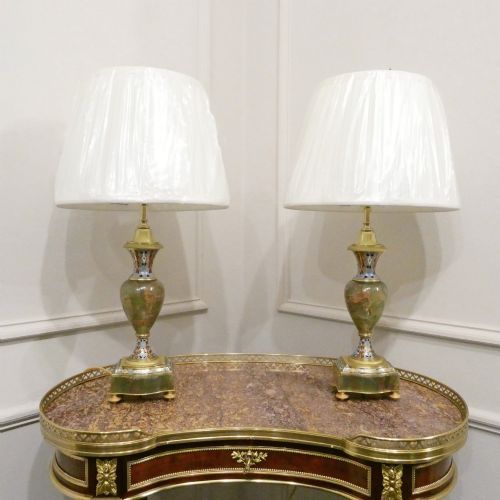
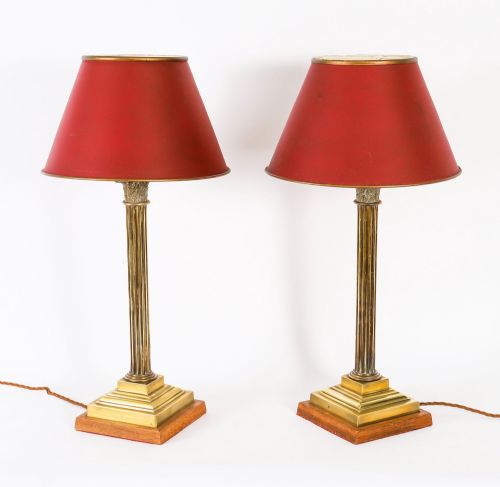
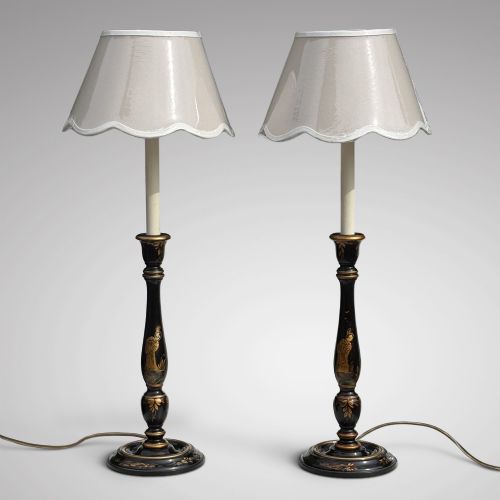
The selection frequently includes matched pairs of candlesticks, bronze cherub figures, and lacquered column lamps. These symmetrical pieces work well placed on either side of a sideboard or desk.
Pairs offer a balanced look for larger rooms and hold strong appeal for collectors.
What materials are most common?
Brass and bronze dominate the metal selections, often paired with glass shades, fabric elements, or marble bases. Oak and other woods also appear frequently in farmhouse and revival styles.
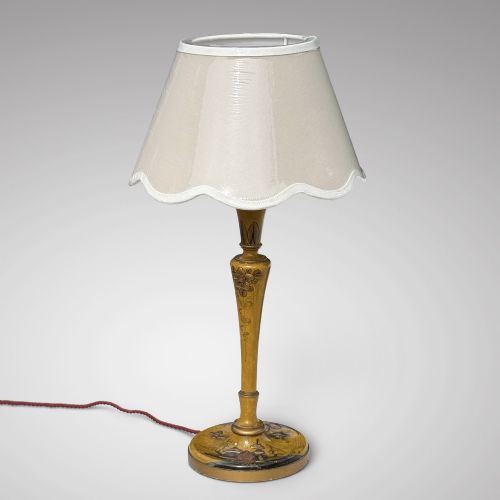
Surface treatments range from silver plating to hand-applied ochre lacquer and champlevé enamel.