



Vintage Sugar Spoon
These vintage sugar spoon finds bring traditional silver and plate into modern tea service with genuine period character.
Vintage Sugar Spoon
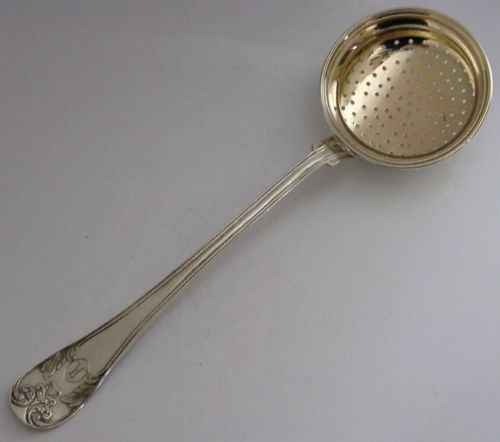
When you search for vintage sugar spoon pieces, you encounter a range of sterling silver, silver-gilt, and silver plate items spanning the Georgian, Victorian, Edwardian, and Art Deco eras. These eating implements include sifter spoons, strainer ladles, and pieces paired with tongs inside larger sets.
You are most likely to meet individual sterling silver sifter spoons from the Georgian and 1900 periods, alongside matched sets that incorporate sugar tongs and cranberry glass bowls. The forms range from plain English designs to Swedish Art Nouveau creations.
The objects function within broader categories of flatware, silverware, and cutlery, often appearing alongside butter knives and teaspoons. Their origins stretch from the eighteenth century through the 1930s.
How they were made
Craftsmen utilised traditional metalsmithing techniques, stamping hallmarks onto English sterling silver to denote the assay office, standard, and date. Presentation boxes lined with velvet, silk, and leatherette accommodated multi-piece sets containing spoons and tongs.
Vintage Sugar Spoon Retail Price Guide 2026
Typical asking prices for vintage sugar spoon among the pieces listed under this phrase on Sellingantiques today, from the lower quarter to the upper quarter. They describe what is for sale here now, not the wider market.
The periods represented stretch from the eighteenth century through the Georgian, Victorian, Edwardian, and Art Deco eras.
What varies in quality
The distinction between standard utility items and finer examples rests on the weight of the silver, the crispness of the hallmark stamps, and the complexity of any pierced design work. Heavier solid silver pieces command attention for their substantial feel in the hand.
Sets maintain higher desirability when their original fitted boxes, lined in silk or velvet, survive intact alongside the full complement of spoons and matching tongs. The presence of gilt finishes and distinct regional styles, such as Swedish Art Nouveau, elevates specific examples above plain domestic cutlery.
Robert Stebbings
The Vintage Sugar Spoon Glossary
- Sterling silver
- A silver alloy containing 92.5 percent pure silver by mass, standard for quality English flatware. This material forms the baseline for most antique spoons.
- Silver-gilt
- Silver that has been plated with a thin layer of gold on its surface. This treatment provides a warm golden appearance while retaining a silver core.
- Sugar sifter
- A specialised spoon with a perforated bowl designed for dusting loose sugar over food or tea. These pieces often feature intricate piercing patterns.
- Hallmark
- An official stamp or series of marks applied to precious metals in Britain to certify purity and origin. These tiny impressions indicate the year of manufacture and the maker.
- Silver plate
- A base metal coated with a thin layer of silver through electroplating or older methods. This offered an accessible alternative to solid silver during the Victorian and Edwardian periods.
Vintage Sugar Spoon: Frequently Asked Questions
How do I clean antique silver spoons?
Cleaning antique silver requires a gentle approach using a soft cloth and specialised silver polish designed to preserve hallmarks and delicate pierced details. Avoid harsh abrasive cleaners that can wear away thin silver plate or silver-gilt finishes.
Store pieces away from rubber and damp environments to prevent tarnishing and protect any original velvet or silk box linings.
Are these spoons made of solid silver?
The listings include both solid sterling silver and silver plate, alongside silver-gilt examples. Hallmarks stamped directly onto the metal help identify solid silver items and their assay office origins.
Plate items utilise a base metal coated in a layer of silver, offering the appearance of solid silver at a different weight and price point.
How can I date an old spoon?
Dating relies on reading the hallmarks stamped into English sterling silver, which indicate the exact year of manufacture and the assay office. Stylistic markers, such as the curved lines of Art Deco or the heavy ornamentation of Victorian pieces, also point to specific eras.
Periods represented range from the eighteenth century through the 1930s, each carrying distinct design characteristics.
What were sugar tongs used for?
Sugar tongs served to lift sugar lumps from a bowl into a teacup before the widespread use of granulated sugar. They were frequently packaged alongside teaspoons and sifter spoons in matching sets.
These small implements showcase the same decorative styles and metalwork as their companion spoons.