





Vintage Style Textile
These pieces sold as vintage style textile span centuries of weaving, embroidery and painting, offering rich textures and historic narratives for modern interiors.
Vintage Style Textile
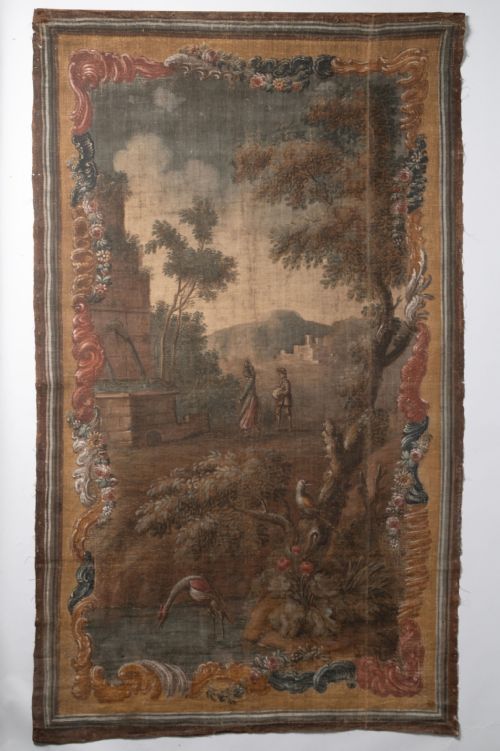
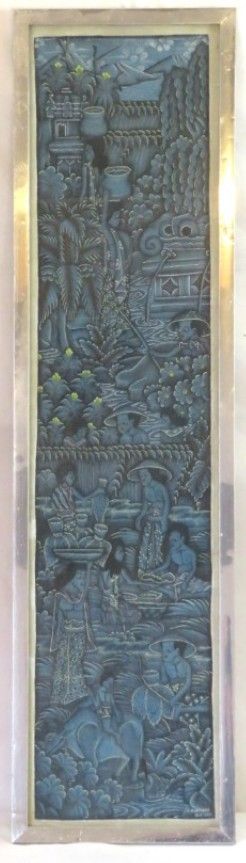
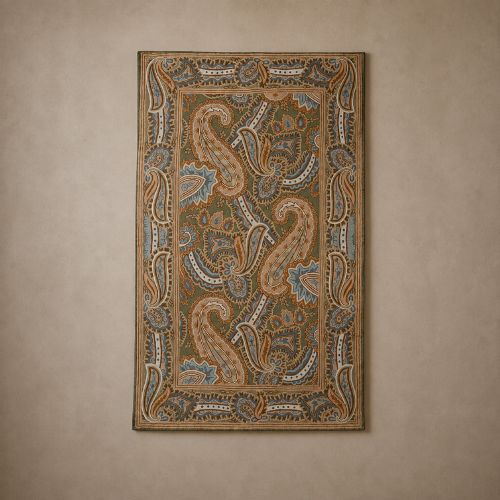
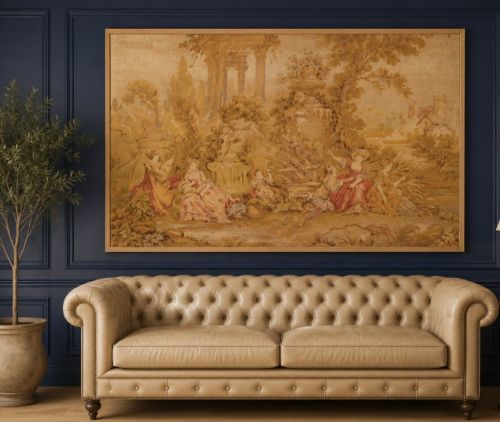
A vintage style textile encompasses a broad range of historic decorative works, from large French wall hangings and Flemish tapestry fragments to intricate Persian tribal rugs and Balinese paintings on fabric. When exploring this selection, buyers frequently encounter 19th-century woven panels, early 20th-century embroideries and traditional regional items such as Uzbek horse covers and Indian velvets.
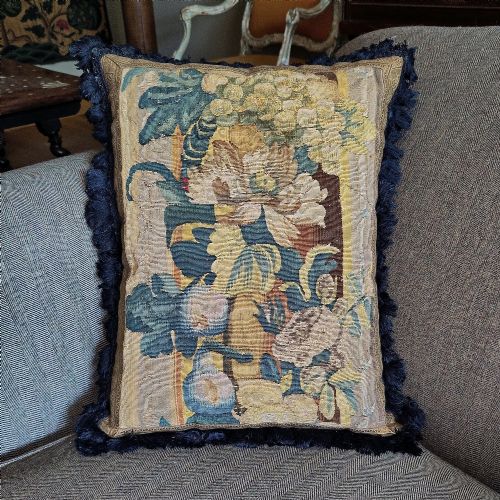
The objects take many functional and decorative forms, including framed wall art, folding room screens, cushions fashioned from antique borders and substantial floor coverings like Cuenca carpets and Caucasian rugs. These pieces bring tactile warmth and distinct period character into a room, serving as focal points that reflect diverse global craft traditions across multiple centuries.
How they were made
Makers utilised a variety of natural materials including wool, cotton, silk, linen and velvet, often combining them with supportive structures of wood, glass, brass and carved hardwood. Textiles such as crewelwork embroideries and needlework tapestries display dense threadwork executed by hand, while others incorporate delicate watercolours directly onto fabric grounds.
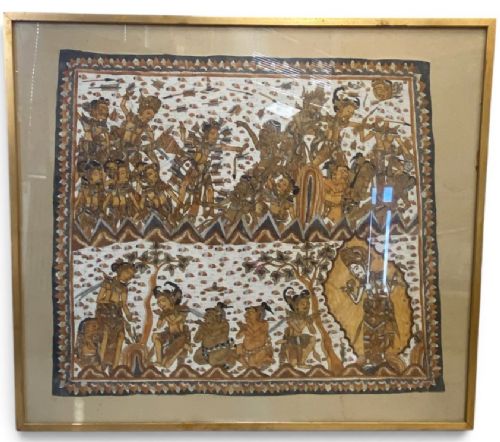
Weaving techniques range from intricate tapestry looms producing complex figurative scenes to regional carpet knotting and specialised dyeing methods seen in Balinese Kamasan and Batuan works. Artisans also integrated secondary elements like gilt frames and wooden backing boards to preserve and display these fragile textile surfaces.
Vintage Style Textile Retail Price Guide 2026
Typical asking prices for vintage style textile among the pieces listed under this phrase on Sellingantiques today, from the lower quarter to the upper quarter. They describe what is for sale here now, not the wider market.
Ceremonial horse covers from Uzbekistan remind us that even horses once required deeply respectable attire.
What varies in quality
Quality rests in the fidelity of the execution, the complexity of the design and the preservation of the materials over time. Finer works display meticulous needlework, clear pictorial registers in figurative scenes and tightly knotted piles in rugs and bag faces.
The provenance and artistic ambition behind each piece dictate its standing, with signed French tapestries and detailed ceremonial items representing the upper tier of craftsmanship. Lesser examples may show simplified motifs or heavy structural wear, though integrity of the remaining fabric remains central to the piece's character.
The Vintage Style Textile Glossary
- Crewelwork
- A type of embroidery using wool yarn on a fine linen or cotton ground to create textured, flowing floral or figurative designs. It appears frequently in historic wall panels and decorative hangings.
- Aubusson Style
- A woven tapestry tradition originating from France, characterised by pastoral scenes, floral motifs and verdant landscapes within classical borders. These pieces often mimic the grand scale of historic chateau decor.
- Bag Face
- The front panel of a nomadic tribal storage bag, typically woven in wool with geometric or animal motifs. Collectors value these for their dense tribal iconography and robust construction.
- Kamasan
- A traditional Balinese painting style originating from the village of Kamasan, known for depicting Hindu epics and mythological narratives in horizontal registers. These works are traditionally executed on textile grounds using natural pigments.
- Tapestry
- A form of textile art woven on a vertical loom where colourful weft threads create pictorial or decorative patterns. Historic examples often depict medieval, baroque or hunting scenes designed for wall display.
Vintage Style Textile: Frequently Asked Questions
How should I hang a large textile?
Large tapestries and wall panels require even weight distribution to prevent distortion of the fabric fibres over time. Many collectors utilise a concealed wooden baton or a specialist sleeve stitched to the reverse.
Ensure the piece hangs away from direct sunlight and damp walls to preserve the integrity of the wool, silk or cotton yarns.
Can I use antique textile fragments as cushions?
Using antique textile fragments, such as 17th-century Flemish tapestry borders, for cushions is a traditional method of giving historic fabrics a functional second life. The sturdy weave of these borders handles light domestic use well.
Pair them with a supportive backing and gentle feather pads to maintain the shape without stressing the old threads.
How do I identify a regional carpet?
Regional carpets and bag faces display distinct knotting structures, wool qualities and specific colour palettes associated with tribal groups like the Lakai or Heriz weavers. Examining the back of the rug often reveals the weave density and material origins.
Motifs such as geometric medallions or tribal figures provide strong clues to the piece's geographic provenance.
What is the difference between a tapestry and an embroidery?
A tapestry is created on a loom where the design is woven directly into the fabric structure during the actual making process. Embroidery, by contrast, is stitched onto an already woven textile ground using a needle and various yarns.
Both techniques yield rich decorative wall art but employ fundamentally different methods of construction.