

Vintage Style Seating
Vintage style seating gathers chairs, benches, and sofas spanning the Georgian era through the early twentieth century.
Vintage Style Seating
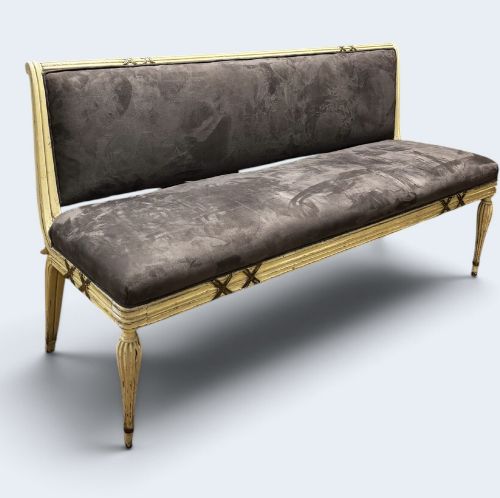
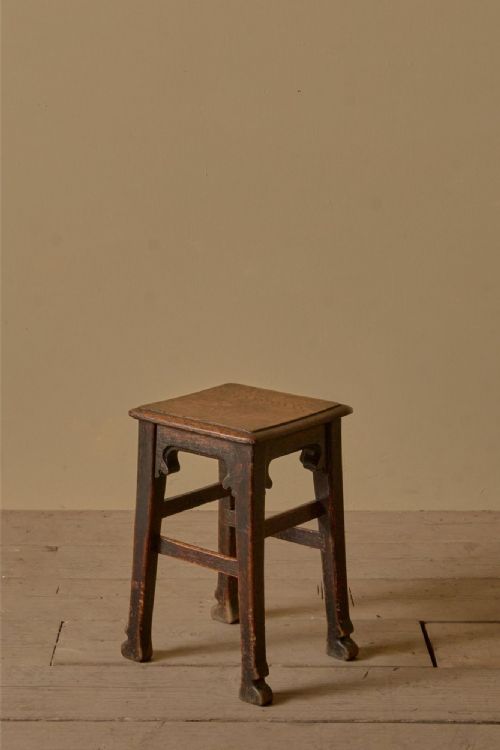
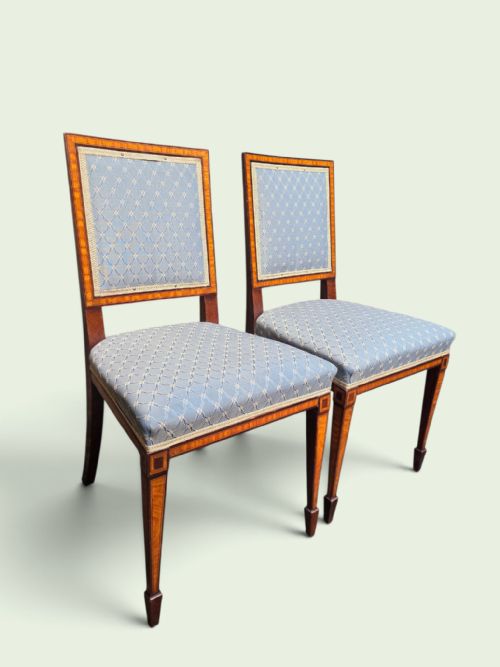
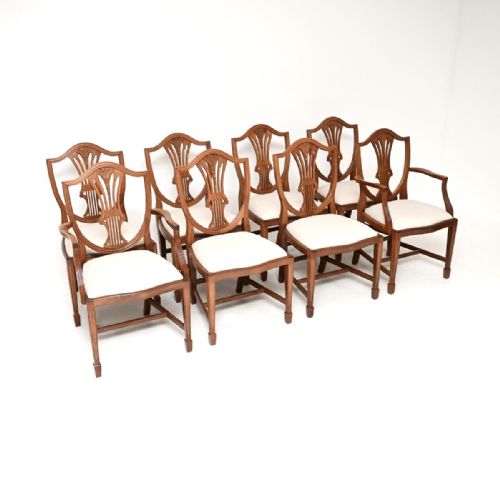
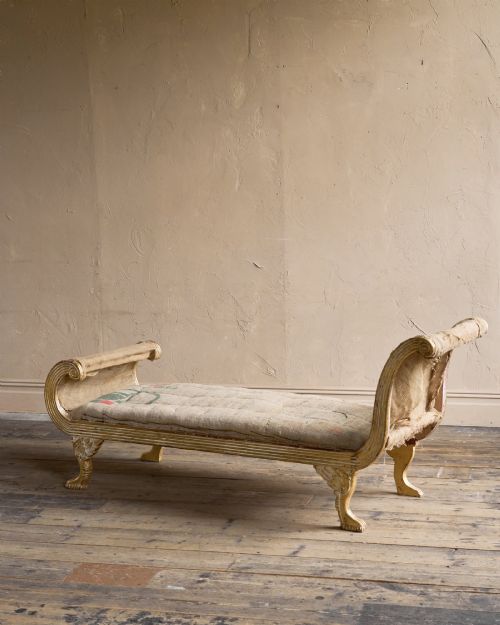
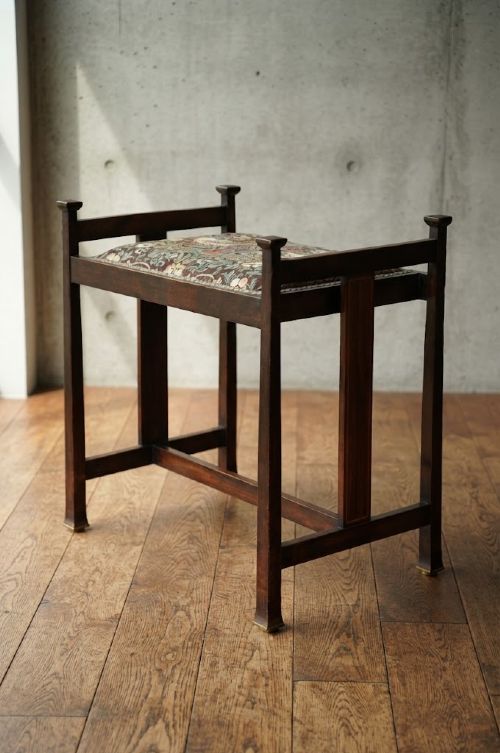
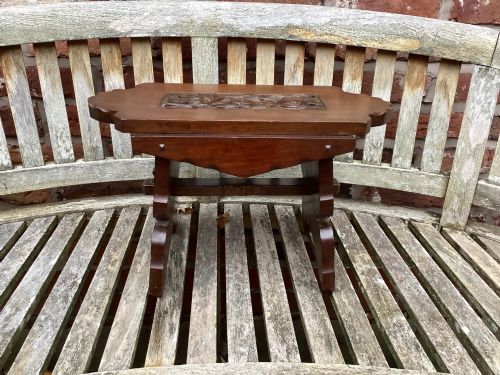
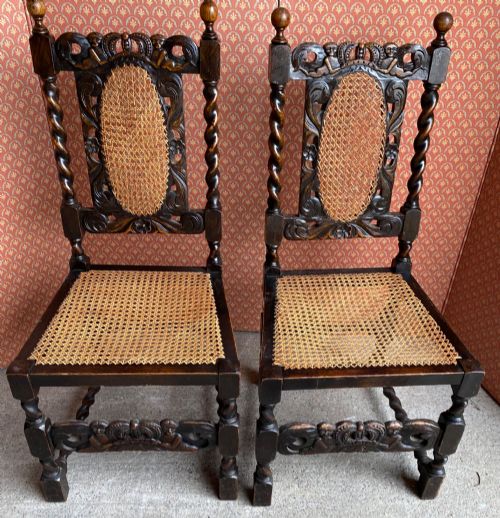
Vintage style seating encompasses a broad spectrum of historical forms, ranging from sturdy oak benches and rustic country stools to formal dining chairs and upholstered armchairs. Pieces emerge from periods including the Georgian era, the nineteenth century, and the early decades of the twentieth century, reflecting revivals of older designs such as Chippendale, Queen Anne, and Jacobean styles. Dining chairs and lounge seating predominate across the selections.
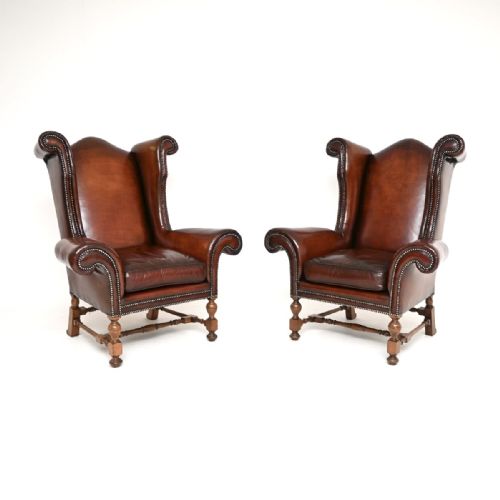
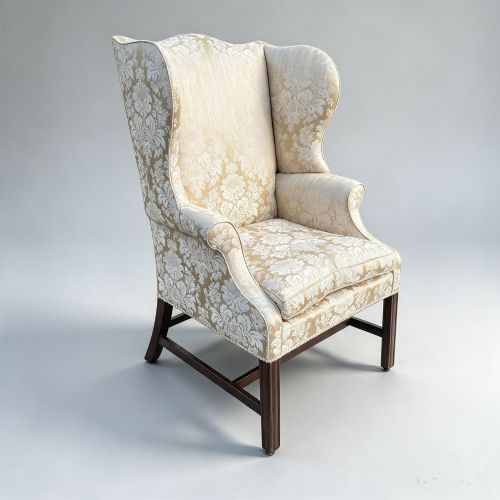
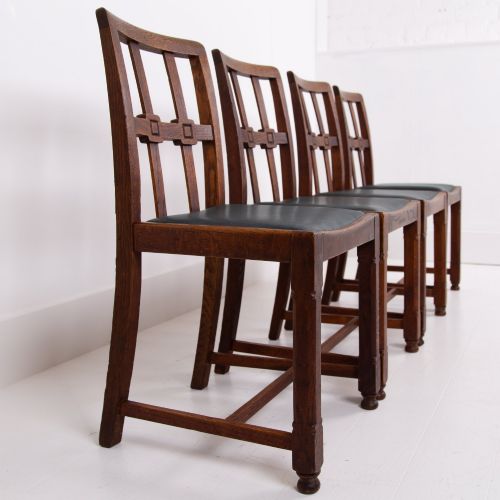
Makers and workshops of the past utilised durable timbers and traditional construction methods to produce seating intended for daily utility. Examples span mahogany dining sets, walnut wingback chairs, beech bentwood side chairs, and pine stick back armchairs. These furnishings bridge historical craftsmanship with domestic practicality.
Materials and construction
Timbers such as mahogany, oak, walnut, ash, and pitch pine form the structural foundations of these pieces, shaped through traditional joinery and turning techniques. Workshops employed sturdy hardwoods to support heavy use in dining rooms, halls, and libraries.
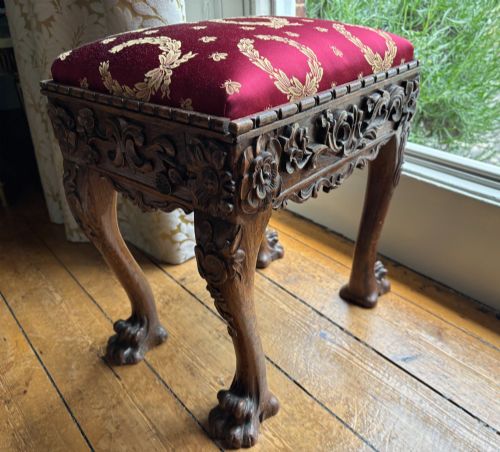
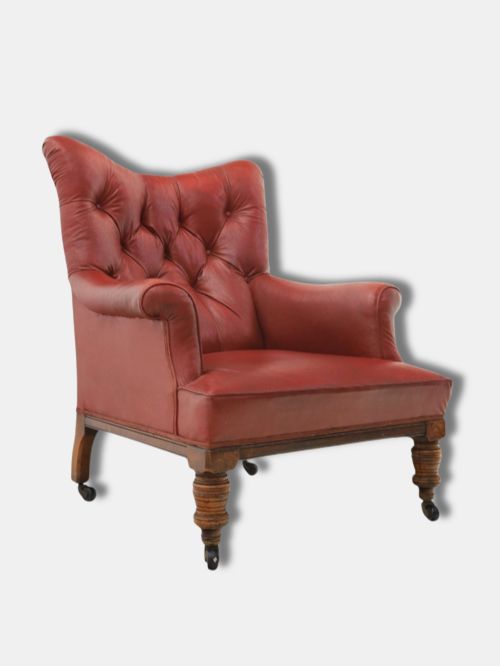
Upholstered items integrate materials like leather, velvet, fabric, brass studs, cane, and rush seating. Frames often feature carved details, button backs, and cabriole legs characteristic of specific design revivals.
Vintage Style Seating Retail Price Guide 2026
Typical asking prices for vintage style seating among the pieces listed under this phrase on Sellingantiques today, from the lower quarter to the upper quarter. They describe what is for sale here now, not the wider market.
Listings feature multiple timber varieties including mahogany, oak, walnut, beech, pine, and teak across diverse historical periods.
Assessing quality and craftsmanship
Quality resides in the integrity of the timber frame, the crispness of hand-carved details, and the fidelity of revival styles to their historical precedents. Superior examples display dense, well-figured mahogany or quarter-sawn oak with robust joints that remain tight after generations of use.
Upholstered pieces differ according to the grade of leather or textile utilised and whether original webbing and stuffing methods survive intact. Pieces requiring reupholstery present an opportunity to examine internal framing while retaining historical authenticity.
Howard and Sons·Maple and Co
The Vintage Style Seating Glossary
- Cabriole leg
- A furniture leg that curves outward at the knee and tapers inward toward the foot, often ending in a pad or claw shape. This form was popularised during the Queen Anne and Chippendale periods.
- Windsor chair
- A wooden chair constructed with a solid wooden seat into which the legs and back spindles are separately bored and wedged. Stick back and comb back variations appear frequently in country settings.
- Bergere
- An enclosed upholstered armchair with wooden framing exposed around the sides and back. These seats typically incorporate cane work panels or loose seat cushions.
- Sgabello
- A light wooden chair featuring solid trestle supports instead of traditional legs, common in Renaissance Italy and later revived for halls and corridors.
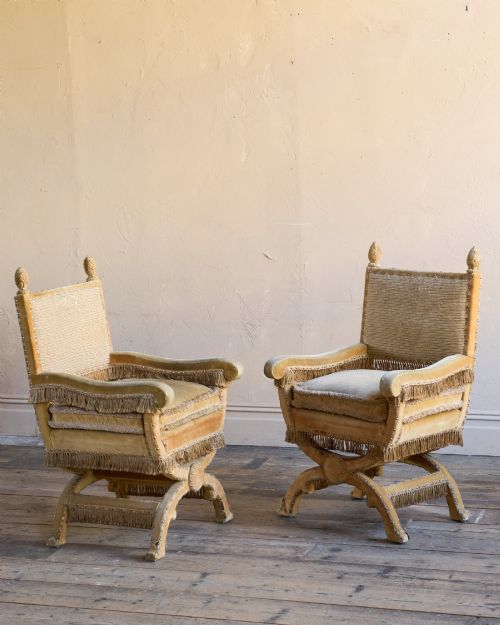
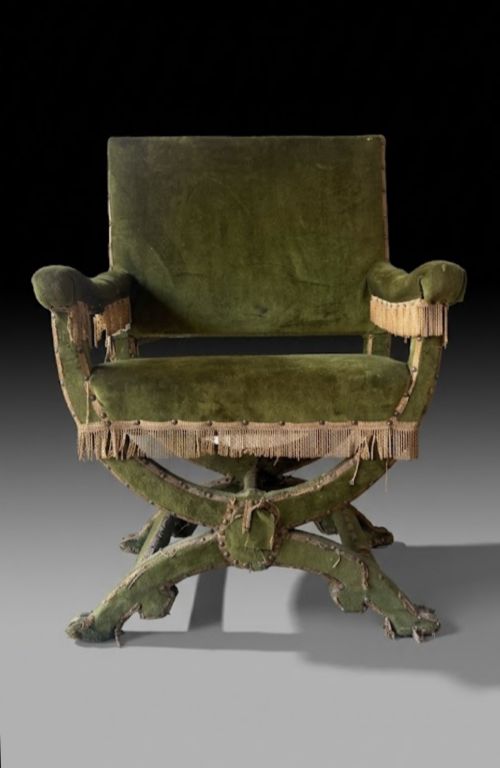
- X frame stool
- A folding or rigid stool supported by intersecting diagonal legs forming an X shape. This neoclassical form draws inspiration from ancient Roman and Regency designs.
Vintage Style Seating: Frequently Asked Questions
How do I identify a Georgian style chair?
Georgian style chairs typically feature mahogany construction, pierced splat backs, and carved cabriole or straight legs. Many examples seen today are Edwardian or early twentieth-century revivals inspired by Chippendale or Hepplewhite designs.
Examining the underside and joinery helps determine whether a chair dates to the original eighteenth century or a later revival period.
What is the difference between a settle and a bench?
A settle is a wooden bench featuring a high solid back, often with arms and enclosed sides designed to block drafts in older hallways and kitchens. Standard benches offer simpler open seating without the protective high back panel.
Both forms utilise heavy timbers like oak and pine for structural stability.
How should I care for antique leather upholstery?
Antique leather requires gentle cleaning with a damp cloth followed by a suitable leather conditioner to prevent drying and cracking. Avoiding direct sunlight and excessive heat preserves the natural hide.
Patina develops over decades of use and should be protected rather than stripped away.
Can I use antique dining chairs daily?
Most antique wooden dining chairs are built from dense hardwoods like mahogany and oak, making them structurally sound for everyday use. Checking that joints remain firm ensures safe seating during meals.
Lighter frames or delicate cane work may require more careful handling than robust solid wood chairs.