


Vintage Style Cluster Earrings
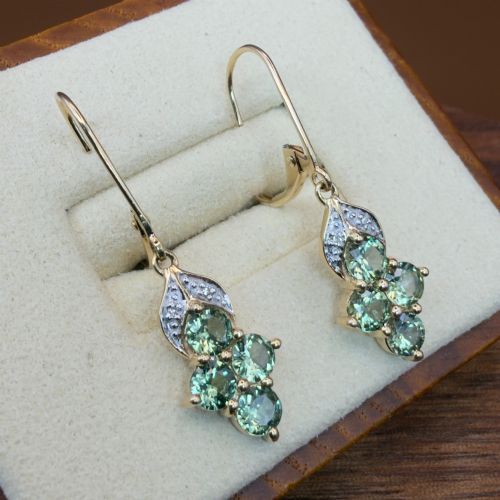
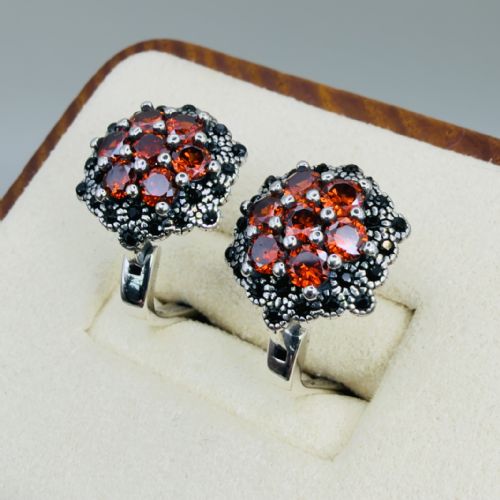
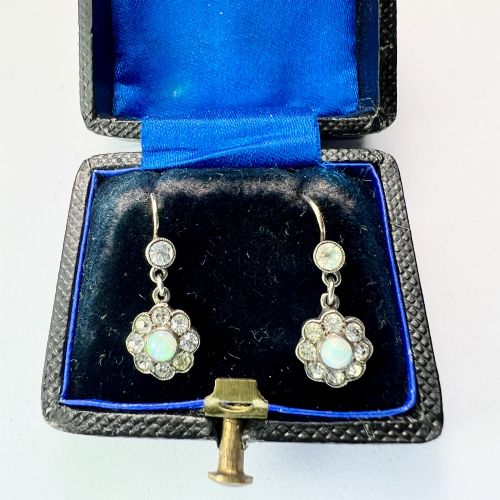
These vintage style cluster earrings bring together centuries of gemstone work, offering an array of central stones framed by sparkling surrounds.
Vintage Style Cluster Earrings
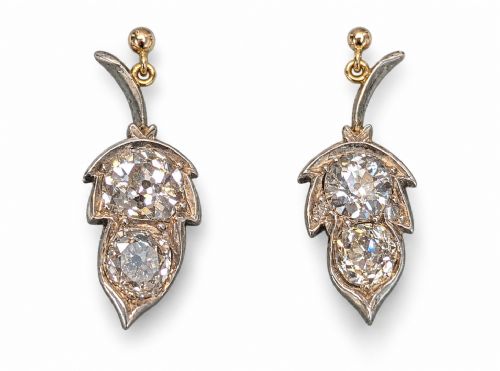
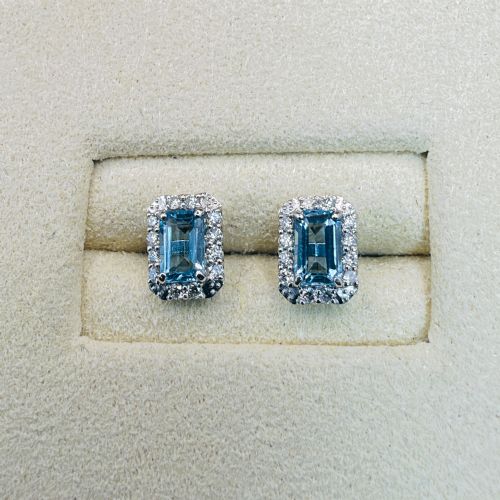
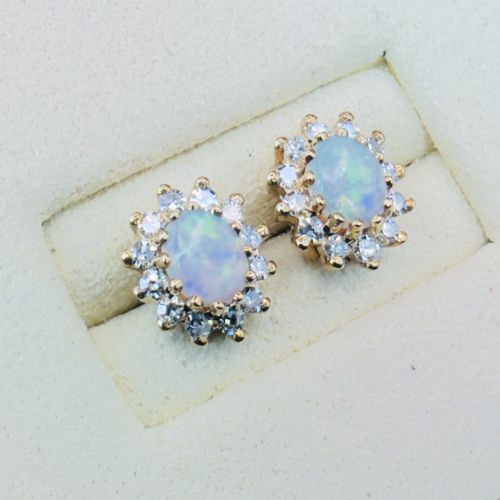
Vintage style cluster earrings combine a central gemstone focal point with a surrounding border of smaller stones, creating a concentrated visual impact that draws the eye directly to the earlobe. When exploring vintage style cluster earrings, you encounter a spectrum of eras ranging from the Victorian and Edwardian periods through to the nineteen thirties, nineteen fifties, and nineteen sixties.
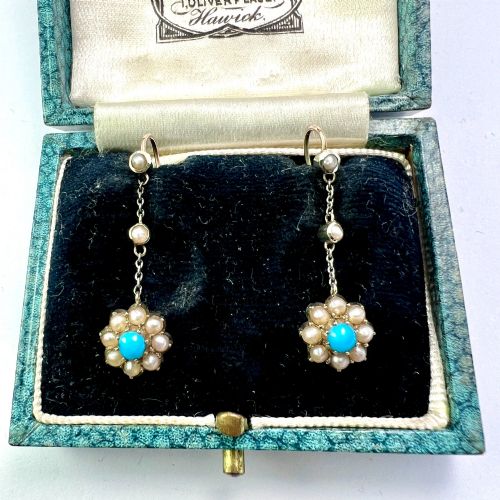
The inventory on this page spans stud earrings, drop earrings, and hinge back configurations, executed in forms such as floral daisies, sunbursts, and geometric configurations. Materials vary widely across the selection, featuring traditional mountings in yellow gold, white gold, silver, and platinum paired with diamonds, sapphires, pearls, opals, garnets, and turquoise.
Makers represented in the current selection include Knoll and Pregizer, alongside pieces reflecting the distinct aesthetics of Art Deco, Mid-Century Modern, and Victorian Revival movements. Whether configured as screwbacks, clip-ons, or standard post studs, these items showcase diverse methods of securing the cluster arrangement to the wearer.
Construction and Materials
Craftsmen built these clusters using precious metals such as eighteen carat white gold, nine carat yellow gold, sterling silver, and platinum to form secure settings for the principal stones. Gemstones including old cut diamonds, rose cut diamonds, aquamarines, and sapphires were hand-set into configurations like halos and floral daisy patterns.
Construction techniques adapted across the decades, utilising screwbacks and clip-ons for non-pierced ears alongside traditional posts and hinge backs for pierced lobes. Jewelers integrated accent stones such as paste diamonds, seed pearls, and tourmalines closely around central cabochons and faceted gems to achieve the dense cluster effect.
Listings feature clusters incorporating nine carat gold, eighteen carat white gold, silver, and platinum alongside diamonds, pearls, opals, and sapphires.
Distinctions in Quality
The standard of execution in these clusters depends heavily on the precision of the stone setting and the symmetry of the surrounding halo design. Tighter groupings of matched diamonds or coloured gemstones demonstrate superior craftsmanship compared to loose or uneven arrangements.
The choice of base material also defines the tier of the piece, with substantial mountings in platinum or eighteen carat white gold typically housing higher grade gemstones than lighter nine carat gold or silver equivalents.
Knoll and Pregizer
The Vintage Style Cluster Earrings Glossary
- Cluster
- A setting style where a central prominent gemstone is surrounded by a tighter ring of smaller accent stones. This arrangement maximises the play of light across multiple facets.
- Old European Cut
- An early form of brilliant cut diamond featuring a small table, heavy crown, and open culet, common in pieces from the late nineteenth and early twentieth centuries. It produces a distinctive chunky sparkle under candlelight.
- Halo
- A concentric ring of pavé or prong-set smaller stones encircling a larger centre gemstone. The halo amplifies the perceived size and brilliance of the middle element.
- Cabochon
- A gemstone shaped and polished with a smooth, convex upper surface rather than faceted planes. Opals and certain sapphires frequently appear in this format.
Vintage Style Cluster Earrings: Frequently Asked Questions
How do I care for vintage cluster earrings?
Store each earring in a separate soft pouch to prevent the surrounding stones from scratching the central gem or the metal mountings. Avoid using harsh ultrasonic cleaners, particularly on pieces containing softer organic materials like pearls or opals.
Clean the metal and faceted stones gently using a soft brush and mild soapy water, then dry thoroughly before storage. Regular inspection by a professional jeweller ensures the tiny claws holding the cluster stones remain secure.
Are these earrings suitable for daily wear?
Many sturdy configurations, particularly platinum or gold stud variants from the mid-century period, handle regular rotation well when treated with reasonable care. Lighter silver pieces or delicate Edwardian wirework require a gentler approach to daily activities.
Consider the fastening type when planning your routine, as screwbacks and clip-ons offer different levels of security compared to standard modern posts. Removing them prior to sleeping, swimming, or exercising preserves the integrity of the antique settings.
How can I tell a Victorian cluster from a nineteen fifties piece?
Victorian and Edwardian examples often utilise rose cut or old cut diamonds, hand-beaten silver, and yellow gold with closed-back settings or intricate millegrain detailing. Floral motifs and natural pearls frequently define these older aesthetic eras.
Nineteen fifties and sixties pieces typically showcase cleaner geometric lines, brilliant cut diamonds, and white gold or platinum compositions. The shift towards brighter white metals and standardised stone cuts marks the post-war manufacturing approach.
What is the difference between stud and drop cluster earrings?
Stud cluster earrings sit directly flat against the earlobe, centring the visual weight of the gemstone arrangement right over the piercing. They offer a compact profile suitable for close-fitting hairstyles and everyday utility.
Drop cluster earrings suspend the main decorative element below the earlobe using a stationary wire, a articulated hinge back, or a short chain. This suspension allows the cluster to swing and catch the light from multiple angles with every movement.