



Vintage Studio Stand
These vintage studio stand pieces are functional timber and metal workshop furniture designed to hold canvases, sculptures, and cameras.
Vintage Studio Stand
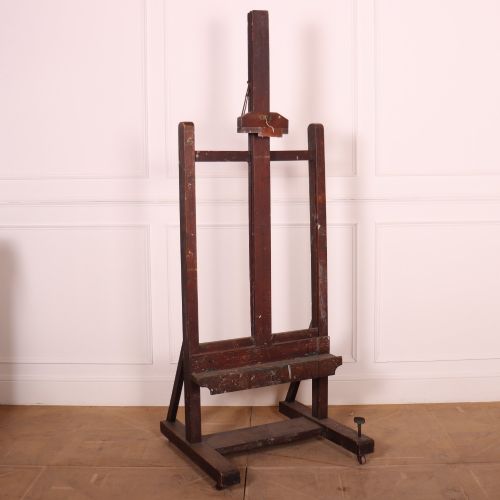
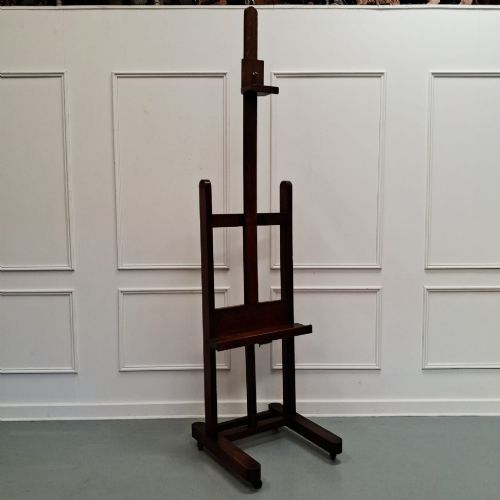
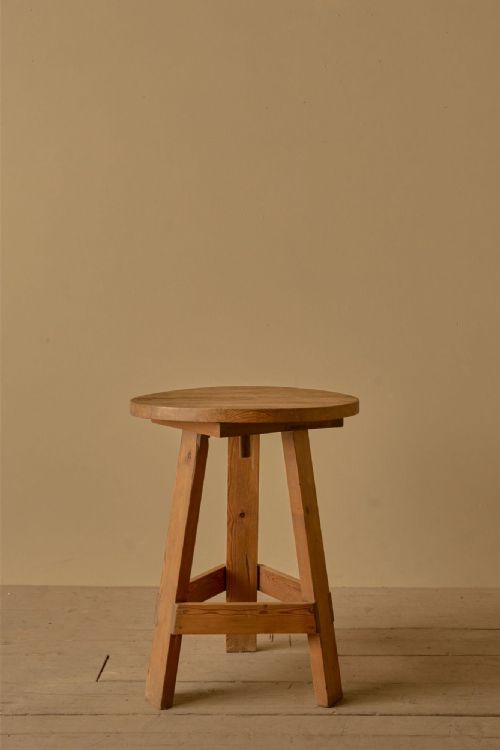
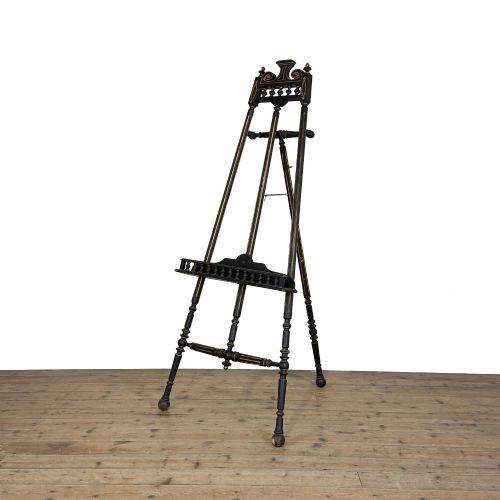
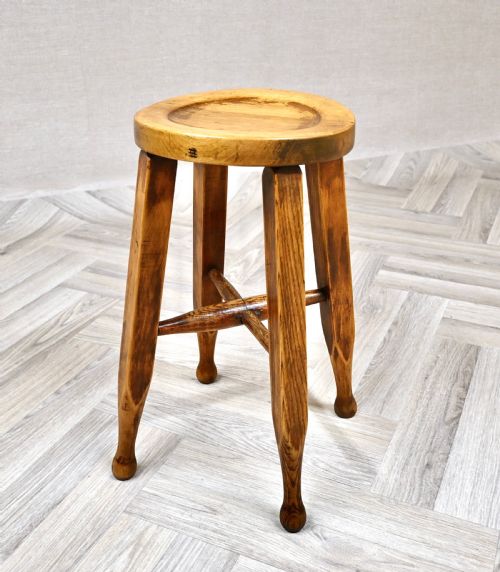
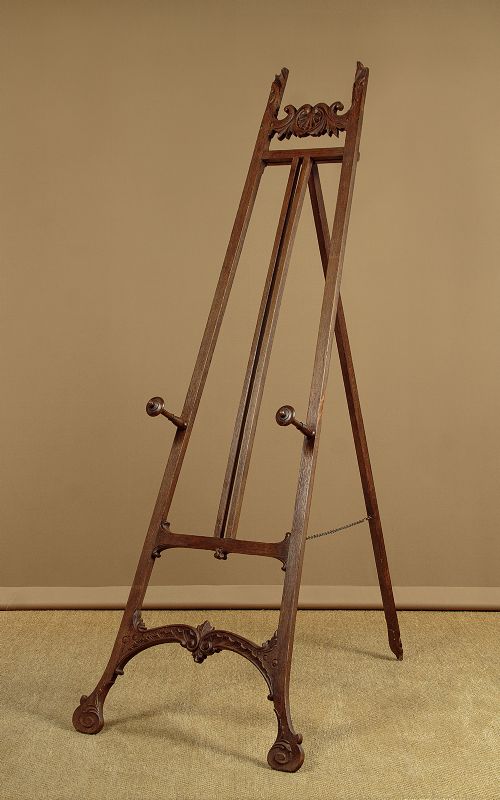
When you search for a vintage studio stand, you find working furniture from artists' workshops and studios dating from the nineteenth and early twentieth centuries. These pieces encompass heavy floor-standing easels, sculptors stands, display easels, and occasional studio seating.
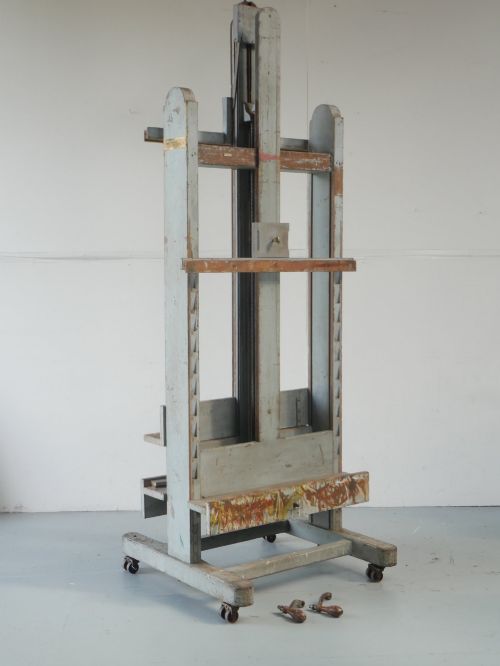
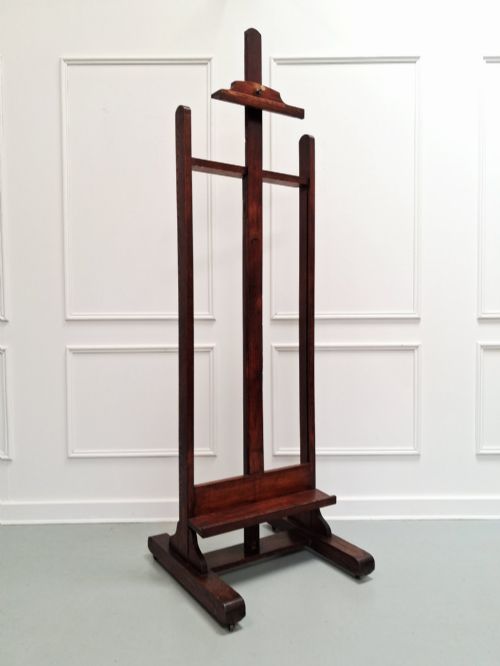
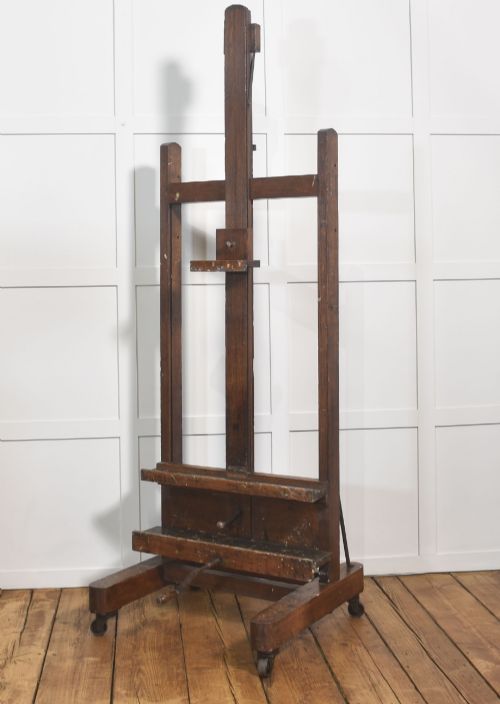
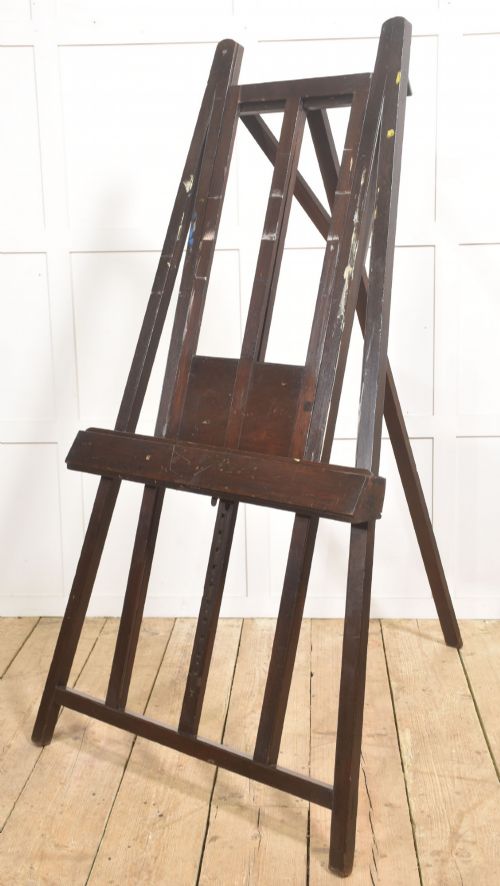
The selection on this page relies heavily on utilitarian workshop furniture built for heavy daily use rather than delicate parlour display. Oak and pine dominate the forms, frequently showing the adjustable mechanisms, winding handles, and peg holes required by working artists.
You will also encounter related pieces such as mahogany gallery easels, pine sculptors stands, and occasional oak display pieces. These items served painters, sculptors, and photographers in capturing their subjects throughout the Victorian and Edwardian eras.
Materials and construction
Makers utilised sturdy timbers such as oak, mahogany, and pine to build frames capable of supporting heavy canvases and stone blocks. Joinery focuses on functional strength, utilising visible bolts, metal winders, and heavy cast iron ratchets to provide adjustable heights and angles.
Metal and brass components appear extensively on adjustable mechanisms, runners, and feet to allow smooth movement under heavy loads. Surfaces often show the honest build-up of old paint splatters, wax polish, and raw timber grain from decades of active studio life.
Vintage Studio Stand Retail Price Guide 2026
Typical asking prices for vintage studio stand among the pieces listed under this phrase on Sellingantiques today, from the lower quarter to the upper quarter. They describe what is for sale here now, not the wider market.
Many surviving oak easels still bear the accidental paint splatters of Victorian artists.
Judging the quality
Quality rests on the robustness of the timber frame and the operational integrity of the mechanical winding gear. Superior examples retain their original brass winding handles, sliding brackets, and cast iron adjustments without replacement parts.
Proportion and stability separate standard utility pieces from exceptional workshop equipment. A well-balanced base with smooth vertical adjustment mechanisms represents the peak of period studio furniture design.
Windsor and Newton
The Vintage Studio Stand Glossary
- Sculptors stand
- A heavy rotating platform designed to support clay or stone while the maker works from all angles. These often feature thick timber tops and sturdy post bases.
- Gallery easel
- A grand display stand built to exhibit finished paintings to prospective buyers in a commercial setting. They generally feature decorative timber mouldings and large presentation ledges.
- Adjustable mechanism
- The system of pegs, ratchets, and winding handles that allows artists to raise and lower heavy canvases. Original metalwork adds significant authenticity to the piece.
- Double sided easel
- A substantial workshop stand designed to hold two separate canvases simultaneously back-to-back. These allow multiple artists to work or display work in a shared studio space.
Vintage Studio Stand: Frequently Asked Questions
How do I adjust the height?
Most pieces utilise a system of wooden pegs, sliding brackets, or metal winding handles attached to side ratchets. Turning the handle or moving the peg shifts the central carriage up and down the main upright post.
Take care to support the weight of the canvas ledge with one hand while releasing the mechanism to prevent sudden drops.
Can these hold heavy modern canvases?
The structural strength of these timber frames easily surpasses that of modern manufactured display equipment. Oak and mahogany examples were originally built to support large oil paintings and heavy wooden stretchers.
Inspect the condition of the base joints and runner tracks to ensure smooth operation before mounting large artwork.
How do I clean old workshop timber?
Remove surface dust with a dry cloth and apply a traditional beeswax polish to nourish dry wood. Avoid aggressive chemical strippers that remove historic paint splatters and surface wear.
Preserving the accumulated marks of past artistic work maintains the historical character of the furniture.
Are these suitable for domestic display?
These pieces integrate well into modern interiors as book stands, mirror supports, or direct art displays. Their adjustable nature allows them to accommodate various sizes of framed pictures or photographs.
Ensure the floor space can accommodate the wide leg spread typical of heavy studio equipment.