


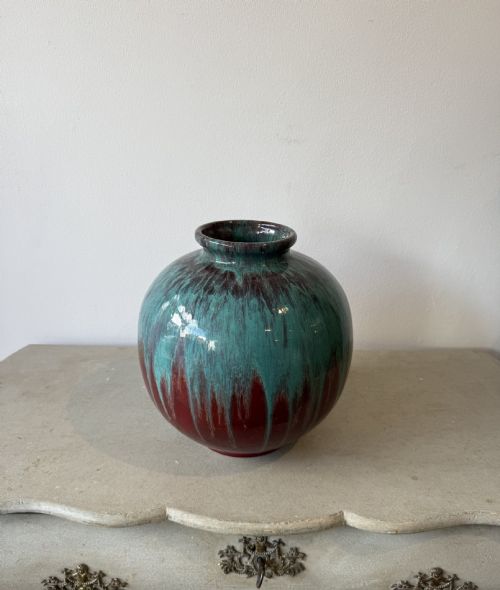


Vintage Studio Art Pottery
Vintage studio art pottery brings together individual ceramic figures, vases and vessels shaped by studio makers from the late nineteenth century onwards.
Vintage Studio Art Pottery
When you search for vintage studio art pottery, you are looking at individual decorative pieces shaped by named makers and independent potteries across Europe and Japan. The selection on this page centres on vases, figurines, sculptures and stick stands produced from the late nineteenth century through to the mid-twentieth century.
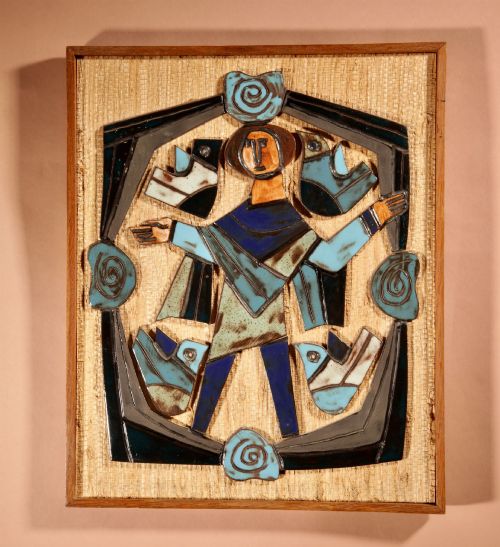
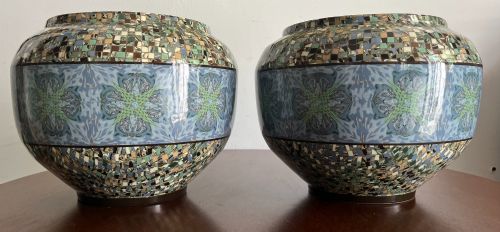
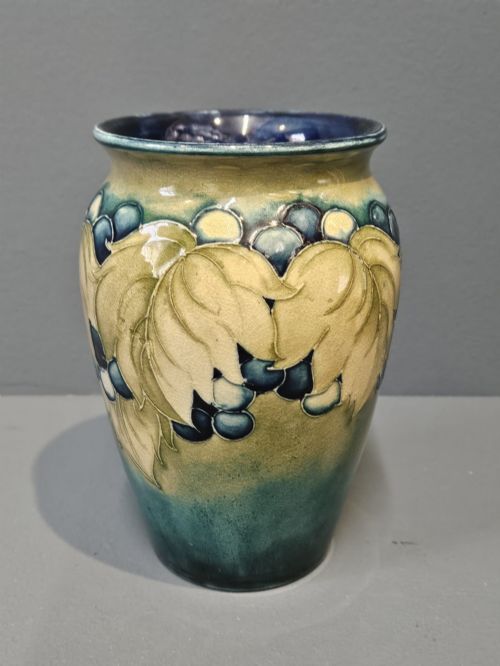
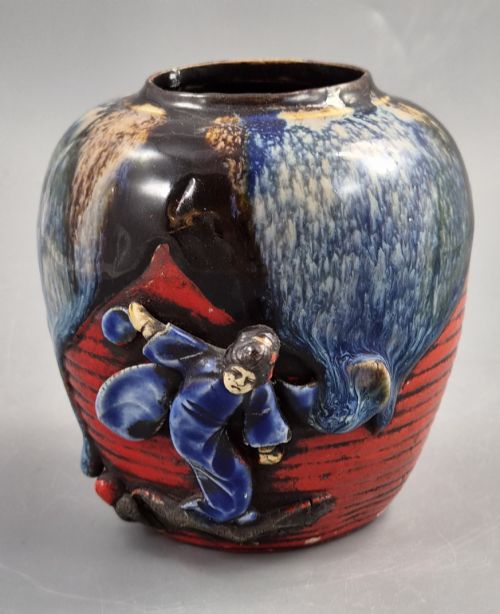
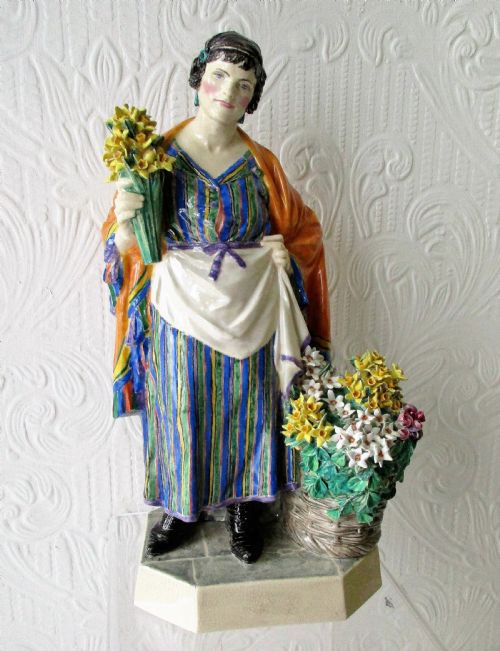
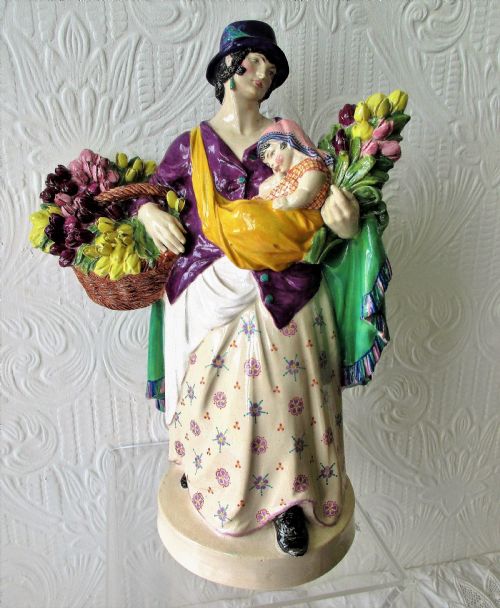
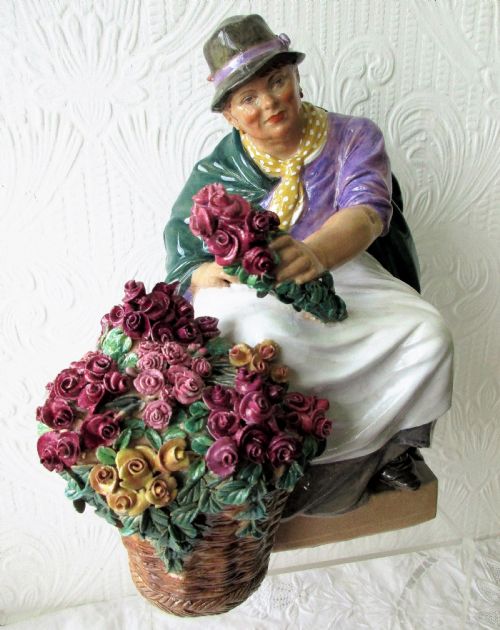
You are most likely to meet hand-painted vases and ceramic figures spanning the Art Nouveau, Art Deco and Mid-Century Modern movements. These range from English studio pottery figurines and French earthenware vessels to Japanese glazed pottery jars.
The physical forms reflect the distinct aesthetic priorities of their period, moving from floral Art Nouveau motifs and Arts and Crafts simplicity to bolder Modernist and Taisho-Showa silhouettes. Each piece captures the experimental approach of the studio potter working outside large industrial factories.
Materials and methods
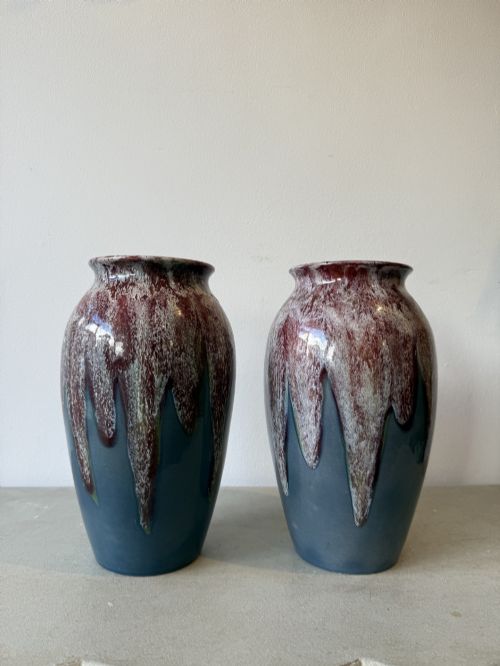
Potters built these pieces using earthenware, stoneware and terracotta, shaping the clay by hand or on the wheel before applying specialised ceramic glazes. Many works incorporate hand-painted decoration or dramatic drip glazes that reacted unpredictably in the kiln.
Makers utilised techniques such as flambé glazes, lustre finishes and modeled sculptural additions to achieve their finished surfaces. The physical weight and texture of the ceramic body remain visible, distinguishing these independent studio works from mass-produced wares.
Vintage Studio Art Pottery Retail Price Guide 2026
Typical asking prices for vintage studio art pottery among the pieces listed under this phrase on Sellingantiques today, from the lower quarter to the upper quarter. They describe what is for sale here now, not the wider market.
Materials across these listings include earthenware, stoneware, terracotta and specialised ceramic glazes.
Distinctions in quality
Quality in these ceramics rests on the confidence of the hand-modelling and the complexity of the glaze chemistry. A superior piece displays deliberate control over the form, whether in the crisp execution of a figurine or the balanced proportions of a large vase.
The sophistication of the surface decoration also separates the finest works from simpler output. Hand-painted details, specialised lustre effects and rich glaze depths show the maker's mastery of the medium.
Charles Vyse·Berthe Savigny·Gallilleo Chini·Robert T Lallement·Richard Joyce·Sir Edmund Elton·Roger Guerin
The Vintage Studio Art Pottery Glossary
- Stoneware
- A sturdy ceramic pottery fired at high temperatures until vitrified and non-porous. It accepts rich glazes and heavy textures.
- Terracotta
- Unglazed or lightly glazed fired red earthenware clay. It provides a warm, matte surface suited to sculptural busts and figures.
- Flambé glaze
- A rich, variegated glaze achieved through reduction firing in the kiln. It produces unpredictable streaks of blue, red and purple.
- Lustre
- A metallic ceramic finish that reflects an iridescent sheen. It requires specialised reduction firing techniques to fix the metallic salts.
- Drip glaze
- A fluid glaze applied to flow down the sides of a vessel during firing. It creates organic patterns across the ceramic body.
Vintage Studio Art Pottery: Frequently Asked Questions
What is vintage studio art pottery?
It encompasses handcrafted ceramic vases, figures and sculptures produced by individual artists and small studio potteries rather than large commercial factories.
The pieces span various movements including Art Nouveau, Arts and Crafts and Art Deco, showcasing the distinct artistic vision of makers working from the late nineteenth century onwards.
How do I identify different periods?
Periods are identified through a combination of the ceramic form, glaze style and characteristic ornamentation. Art Nouveau works often feature organic floral motifs, while Art Deco and Modernist pieces display geometric lines and experimental glazes.
Maker marks, signatures and stylistic conventions further help narrow down the production era from the late Victorian years through to the mid-twentieth century.
How were these ceramic pieces used?
Many items served dual purposes as decorative objects and functional vessels within the home. Vases held floral arrangements, stick stands organised hallway walking canes, and ceramic figurines decorated tabletops and mantelpieces.
Larger sculptures and busts functioned purely as focal points for interior display, reflecting the artistic tastes of their owners.
How do I care for studio pottery?
Keep ceramic vessels and figures out of direct sunlight to protect hand-painted surfaces and delicate glazes from fading over time. Dust them gently with a soft, dry cloth rather than using liquid cleaners.
Avoid placing porous earthenware or terracotta pieces in damp environments to protect the clay body from moisture damage.