

Vintage Storage Rack
A vintage storage rack organises coats, umbrellas, or wine with the honest utility of past decades.
Vintage Storage Rack
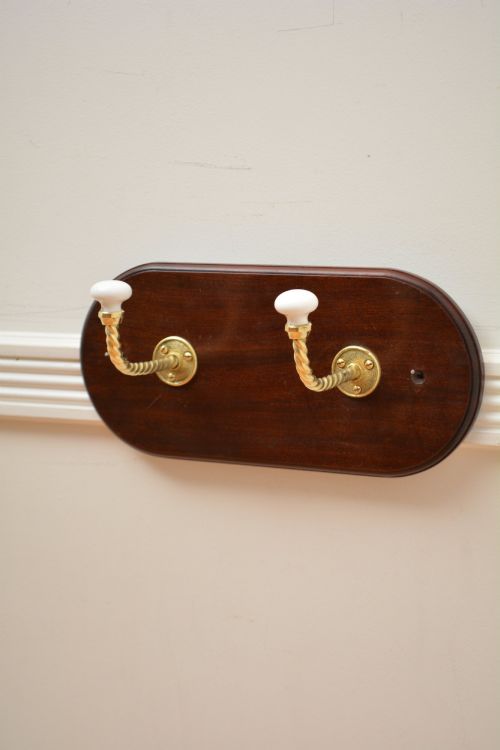
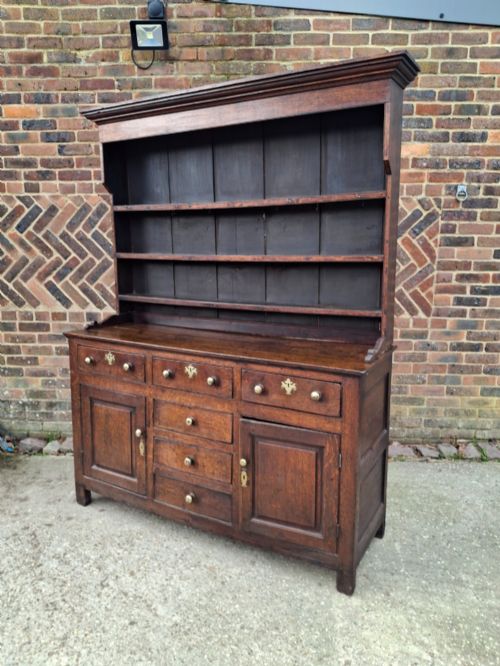
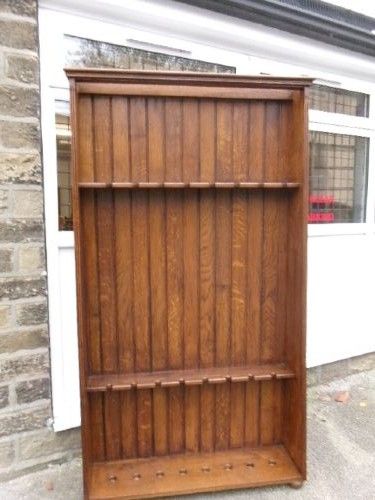
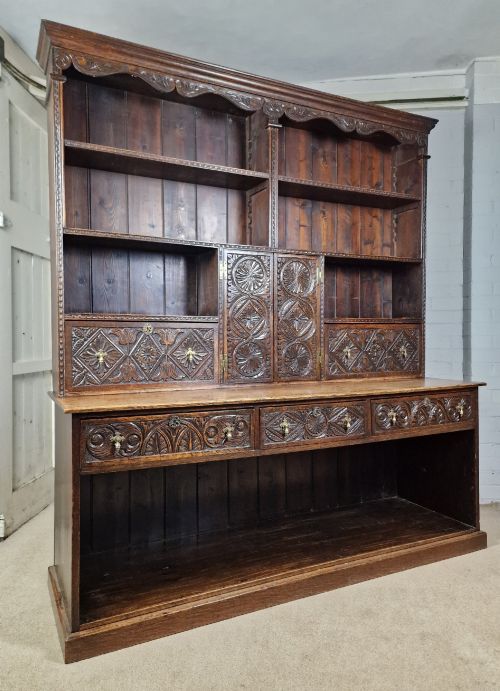
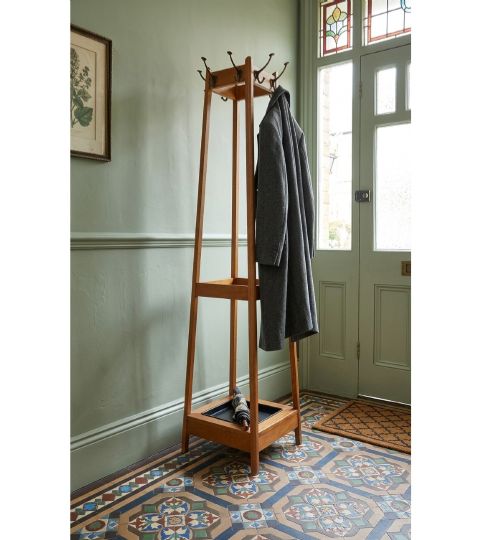
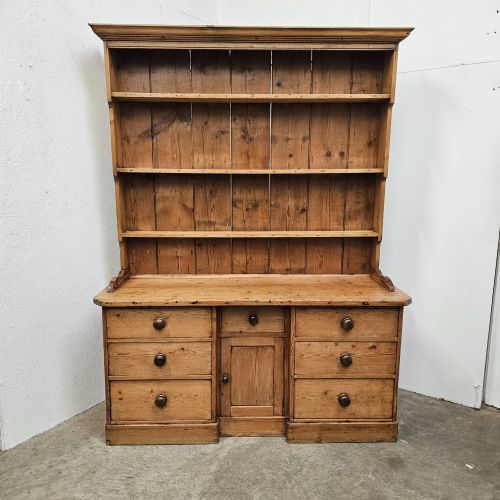
A vintage storage rack covers domestic furniture designed to hold garments, footwear, sticks, or wine across the nineteenth and twentieth centuries. These pieces appear in forms such as hall stands, umbrella holders, and industrial shelving units.
The Edwardian and Victorian eras supply many of the items found here, alongside industrial pieces from the 1920s and 1930s. Oak, mahogany, and pine form the wooden structures, while cast iron and brass provide heavy bases or structural frames.
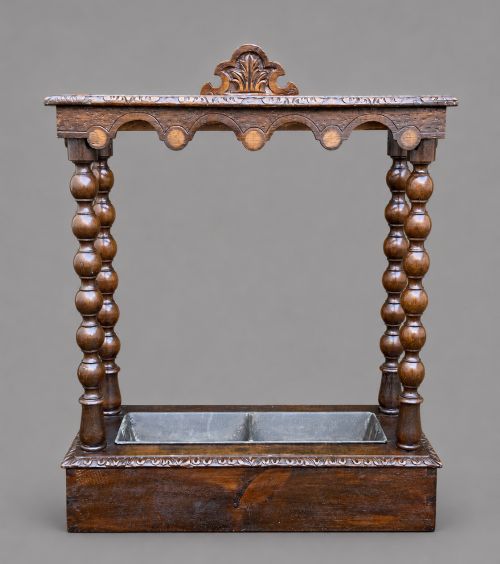
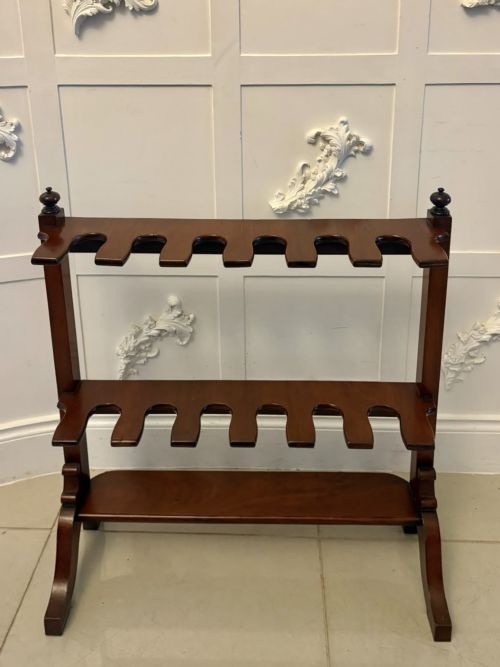
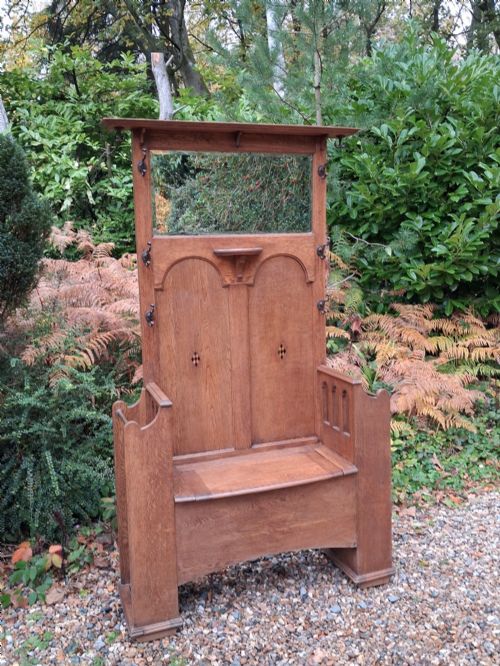
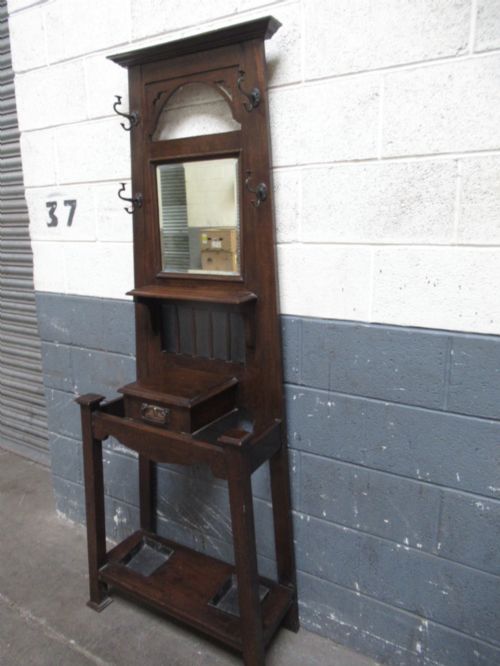
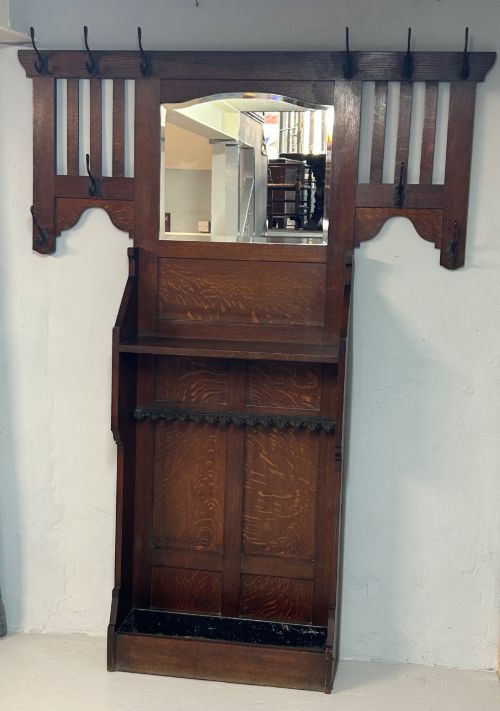
Hall stands and umbrella holders dominate the selection, combining coat hooks with drip trays and stick rings. Wine racks in steel and industrial shelving units offer alternative utilitarian storage for modern rooms.
Materials and construction
Solid timbers like oak, mahogany, and pine provide the foundational framework for hallway and wall-mounted storage pieces. Joinery techniques from the Victorian and Edwardian periods rely on pegged joints, dovetails, and sturdy brass or iron hardware.
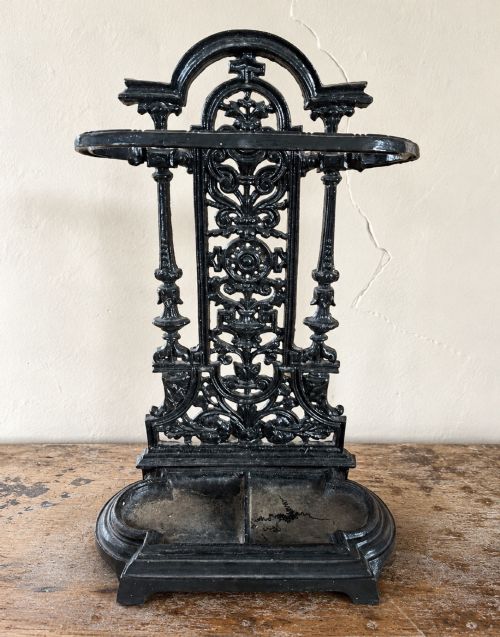
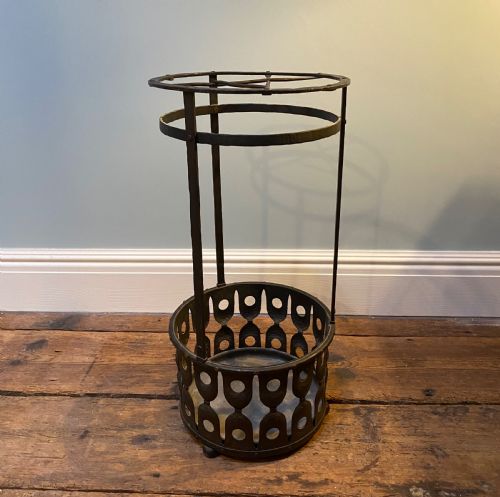
Cast iron and brass appear frequently in umbrella stands and stick holders, offering the necessary weight and stability for wet items. Nickel plating and steel wire feature in later twentieth-century industrial racks and wine storage.
Vintage Storage Rack Retail Price Guide 2026
Typical asking prices for vintage storage rack among the pieces listed under this phrase on Sellingantiques today, from the lower quarter to the upper quarter. They describe what is for sale here now, not the wider market.
Some Edwardian umbrella stands double as garden game holders for croquet mallets.
Assessing quality and construction
The integrity of the timber and the retention of original hardware dictate the standing of a piece. Solid oak or mahogany frames with crisp mouldings and uncompromised joinery command greater respect than later replacements or composite woods.
Metal components show quality through the weight of cast iron bases and the preservation of original brass drip pans or hooks. The harmony between structural timber and metal fixtures determines the overall success of the design.
Coalbrookdale·Liberty Design
The Vintage Storage Rack Glossary
- Hall stand
- A combined item of hallway furniture typically incorporating coat hooks, a mirror, glove drawers, and an umbrella stand with a metal tray. These pieces organise entrance spaces in Victorian and Edwardian homes.
- Stick stand
- A compact holder designed specifically for walking sticks and umbrellas, often featuring a cast iron base to catch water and brass divider rings. They appear in brass, cast iron, and oak.
- Arts & Crafts
- A design movement prioritising traditional craftsmanship and simple forms, frequently rendered in solid oak with exposed construction details. Pieces from this style avoid excessive machine ornamentation.
- Industrial
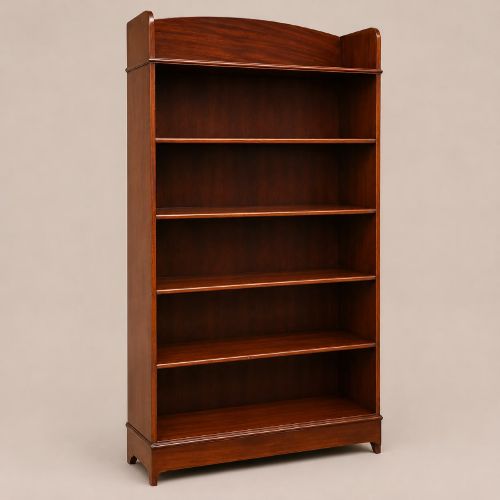
- A classification for utilitarian objects originating from factories, railway offices, or schools, constructed from heavy wood, steel, and wire. These racks prioritise function over decorative finish.
- Demi-lune
- A half-moon shape common in the footprint of wall-fitting umbrella stands and hall tables. This profile allows the piece to sit flush against a hallway wall without obstructing passage.
Vintage Storage Rack: Frequently Asked Questions
How do I use a vintage hall stand today?
A hall stand functions well in an entrance hallway for hanging coats, storing scarves, and holding umbrellas in the original drip trays.
The built-in mirrors and small drawers also provide a practical spot for keys and a final check before leaving the house.
Where did cast iron umbrella stands originate?
Foundries during the Victorian and Edwardian periods cast heavy iron frames to handle the daily moisture from umbrellas and walking sticks.
Foundries such as Coalbrookdale produced elaborate decorative patterns that doubled as durable hallway furniture.
Are industrial storage racks suitable for modern homes?
Industrial racks made from steel, wire, and heavy wood bring a robust, functional aesthetic to contemporary living spaces.
Their utilitarian origins mean they handle heavy loads of shoes, books, or wine bottles with ease.
How do I date an oak umbrella stand?
Dating relies on examining the joinery, timber selection, and hardware styles alongside period characteristics like Arts and Crafts simplicity or Edwardian proportions.
Hand-cut details and original brass drip trays often point to manufacture before the mid-twentieth century.