

Vintage Storage Display Unit
A vintage storage display unit brings utilitarian charm and practical shelving into a modern interior, holding books, china or curiosities with ease.
Vintage Storage Display Unit
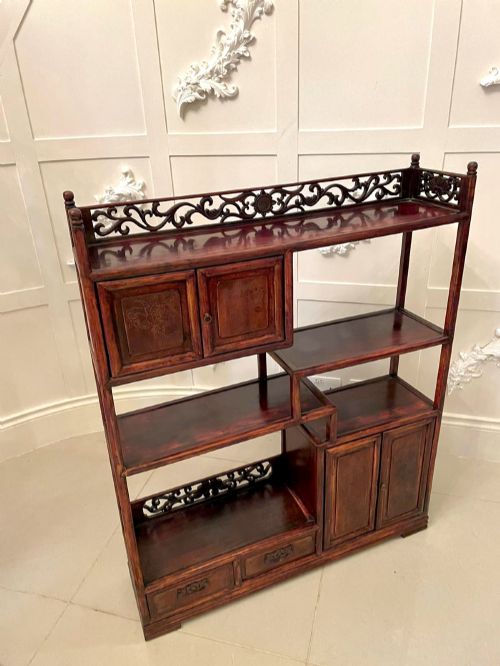
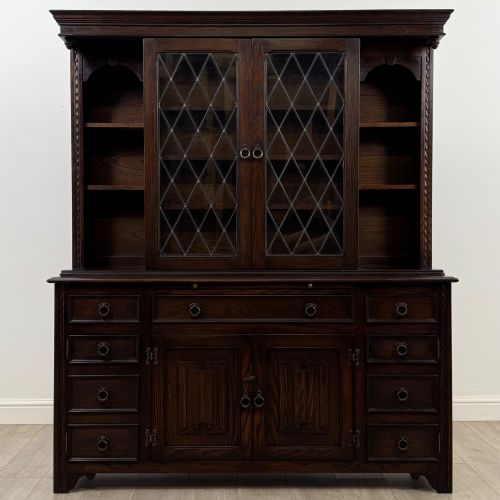
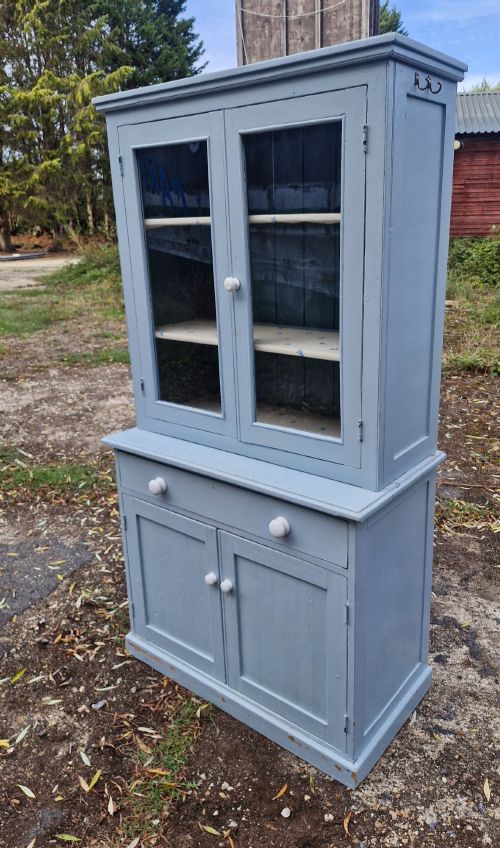
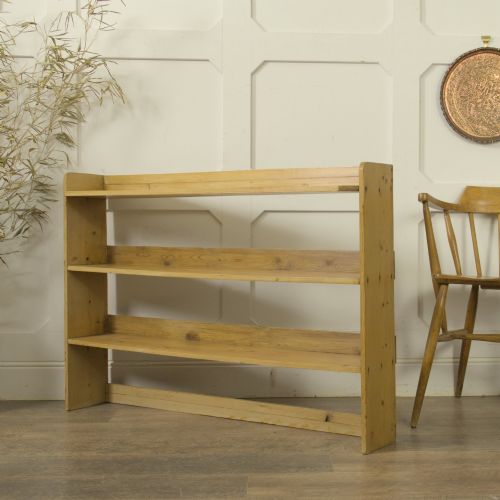
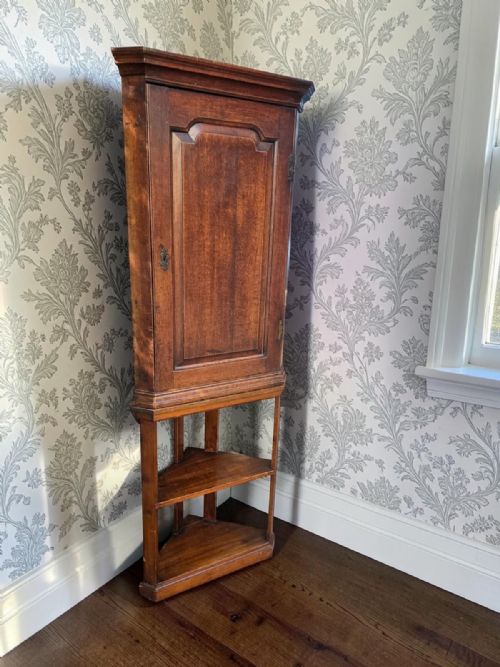
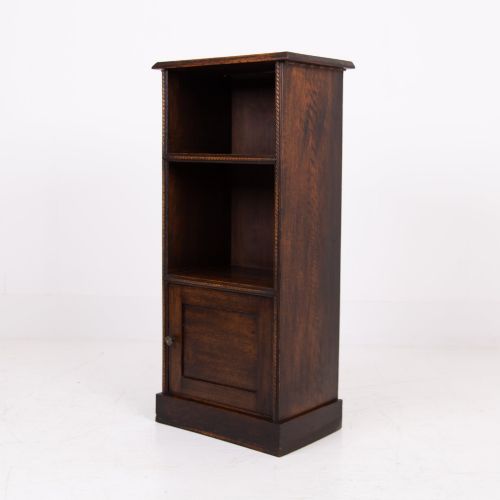
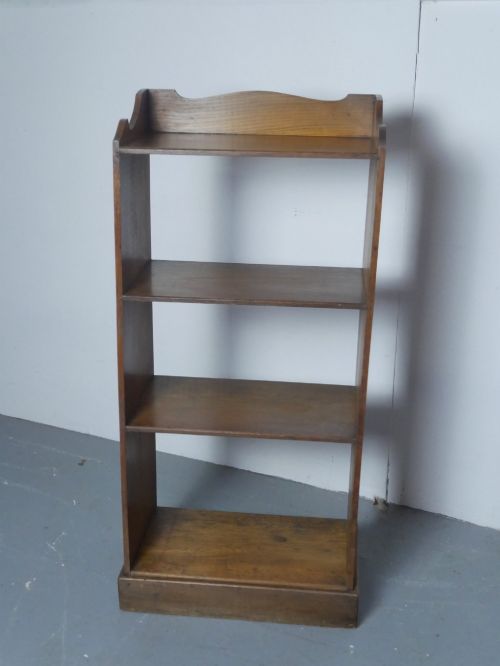
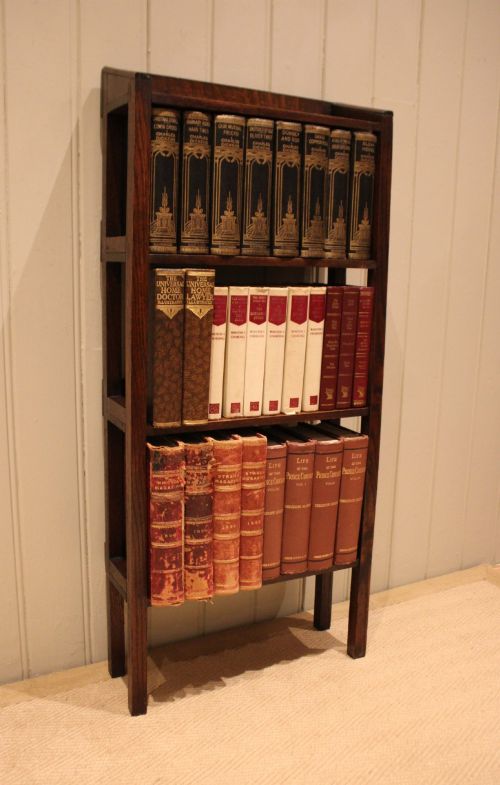
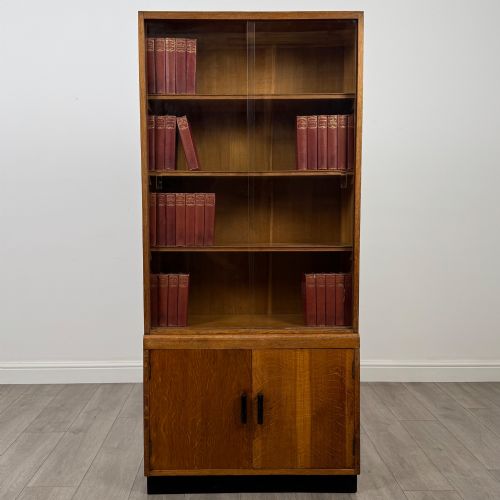
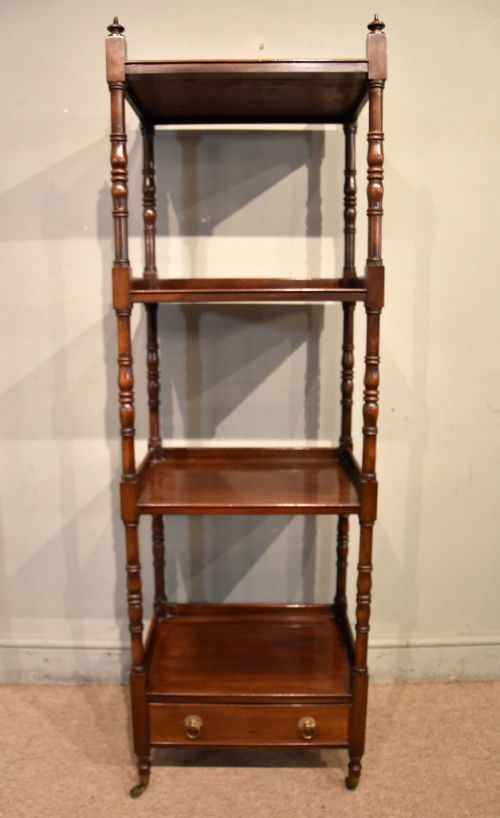
A vintage storage display unit covers a wide spectrum of functional furniture designed to organise and exhibit possessions in domestic or commercial spaces. When searching this phrase, buyers encounter everything from modest pine bookshelves and corner cabinets to glazed oak display cabinets and multi-tiered whatnots.
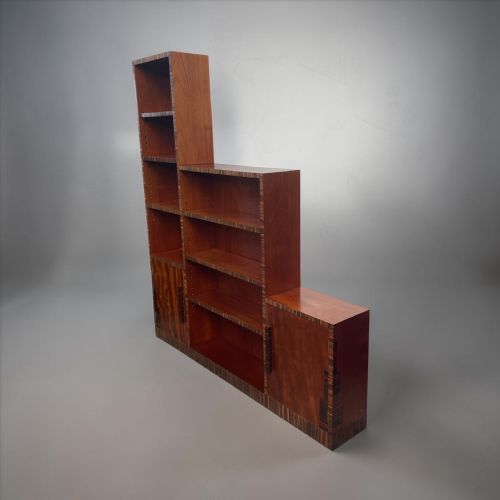
The pieces available originate across several distinct eras, spanning 18th century country oak dressers and Georgian corner cupboards through to Victorian shop fittings and 1930s Art Deco stepped bookcases. Oak and mahogany dominate the timber choices, frequently joined by pine, walnut, and iron frameworks.
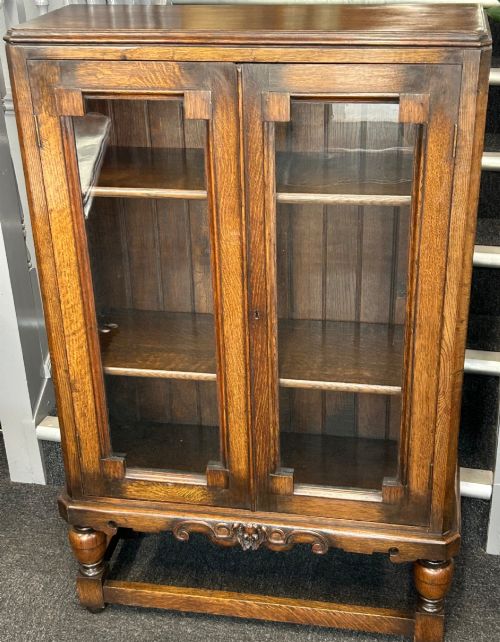
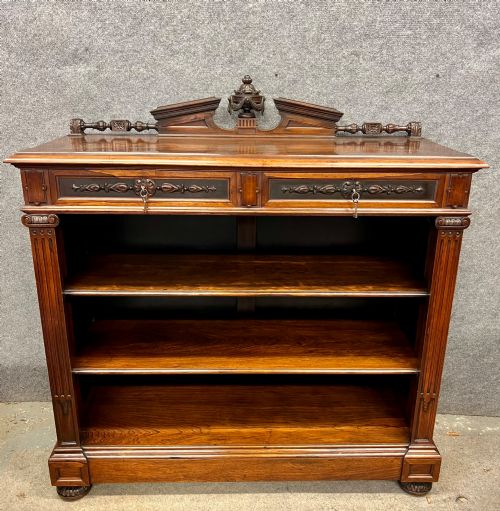
Buyers are most likely to meet Edwardian oak bookcases, Victorian glazed storage cabinets, and mid-century or Art Deco display units on this page. These forms range from floor-standing corner cupboards and kitchen units to wall-mounted shelves and bakers racks.
Materials and construction methods
Makers relied heavily on solid hardwoods and softwoods, constructing frames in oak, mahogany, walnut, and pine. Joinery techniques varied from traditional dovetails on drawers to pegged joints on earlier country furniture.
Glass panels appeared frequently in doors for display purposes, housed in timber frames alongside brass hardware. Iron and wrought iron provided structural strength for bakers racks and specialist shop fittings.
Surface finishes ranged from wax and polish on formal mahogany and oak pieces to original paint on country cupboards and commercial shop counters.
An English scroll-work iron bakery rack sits quietly waiting for bread that vanished a century ago.
Factors that define quality
The calibre of timber selection and the integrity of the construction set finer examples apart from standard utility items. Dense grains in mahogany and quarter-sawn oak indicate superior material sourcing by the maker.
Proportion and decorative restraint dictate the visual appeal, where clean lines or subtle inlay work elevate a piece above plain workshop production. Original hardware, intact glass panes, and sound structural joints preserve the integrity of the item.
Betty Joel
The Vintage Storage Display Unit Glossary
- Whatnot
- An open, multi-tiered piece of furniture designed for displaying ornaments or books. These typically feature three or four shelves supported by slender uprights.
- Waterfall bookcase
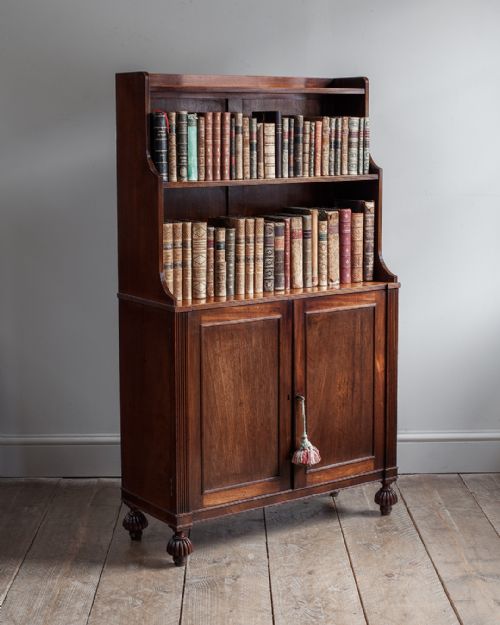
- A shelving unit where each successive shelf is shallower than the one below, creating a stepped, cascading profile. This design gained popularity during the Regency and Edwardian periods.
- Haberdashery cabinet
- A commercial shop fitting characterised by multiple small drawers or glazed compartments originally used to store textiles or small goods. They are prized today for domestic storage.
- Linenfold
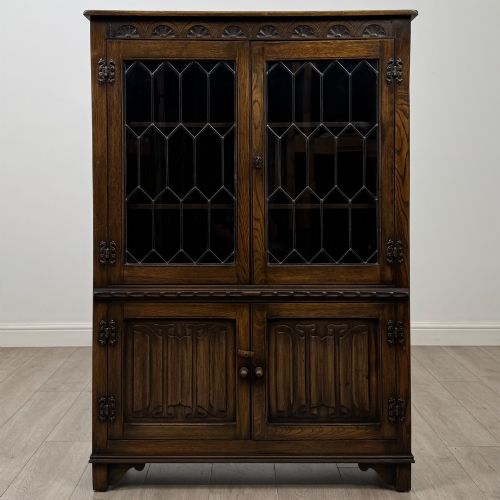
- A style of carved wooden panelling that resembles folded linen fabric. It appears frequently on Tudor Revival and early 20th century oak furniture.
- Bakers rack
- A sturdy metal or iron framework incorporating open shelves, historically used in baking establishments for cooling goods. Wrought iron versions often feature decorative scroll-work.
Vintage Storage Display Unit: Frequently Asked Questions
What is a corner cabinet used for?
A corner cabinet fits snugly into room junctions, making efficient use of awkward floor space while keeping items neatly tucked away. They often feature glazed upper doors for display and lower wooden doors for concealed storage.
Historically, these units held glassware, china, or household provisions in domestic settings.
How do I identify an Edwardian bookcase?
Edwardian bookcases often exhibit lighter timbers such as golden oak or mahogany, occasionally accented with simple inlay work. They frequently feature open shelves or glazed doors reflecting a refined domestic aesthetic.
Check for construction traits typical of the early 20th century to confirm the era.
Where should I place a bakers rack?
A bakers rack works well in a kitchen or dining area to store heavy crockery, cookbooks, or glassware on its sturdy metal shelves. The open iron framework also suits living spaces as an industrial display unit.
Ensure the floor space accommodates the depth of the scroll-work frame.