


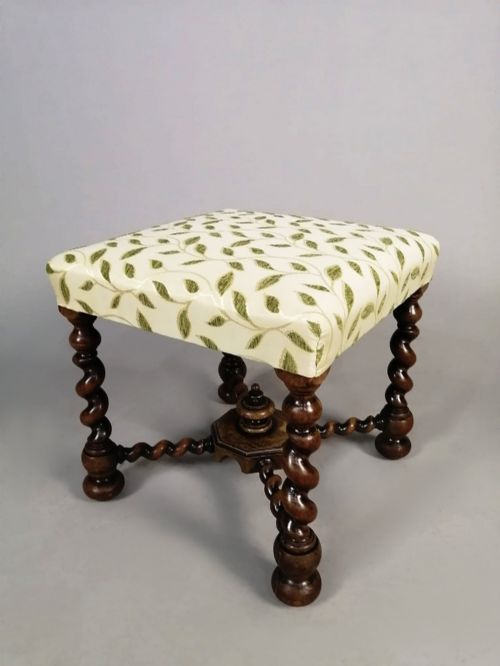

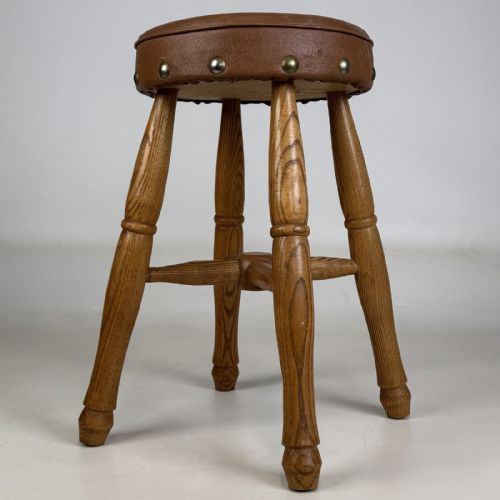
Vintage Stool
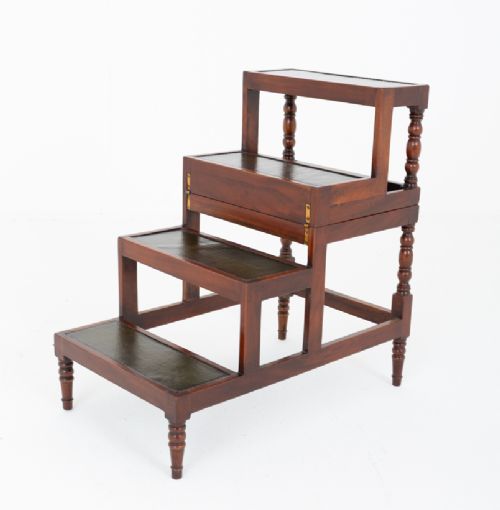
A vintage stool brings daily utility and period character to a room, ranging from industrial machinist seats to buttoned leather footstools.
Vintage Stool
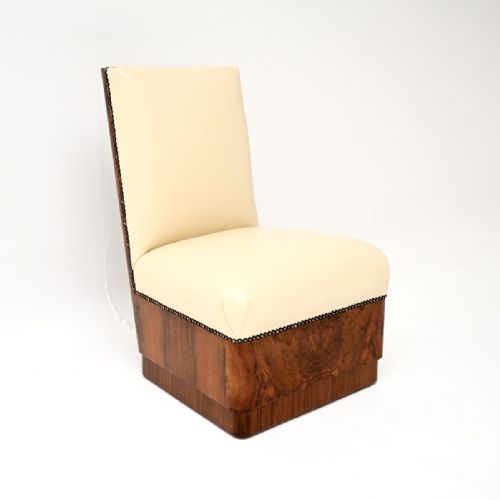
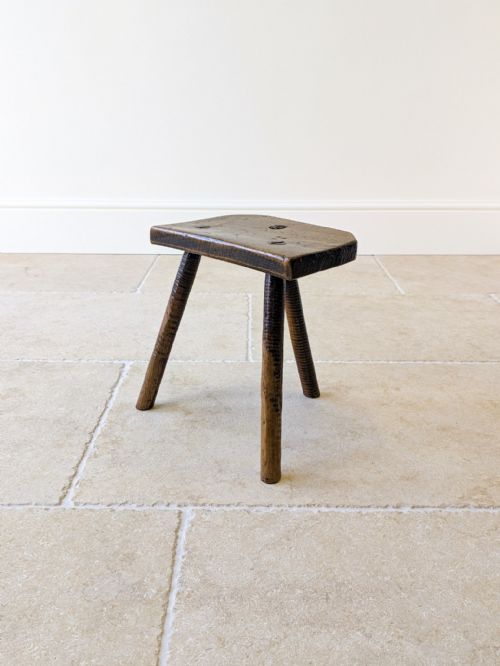
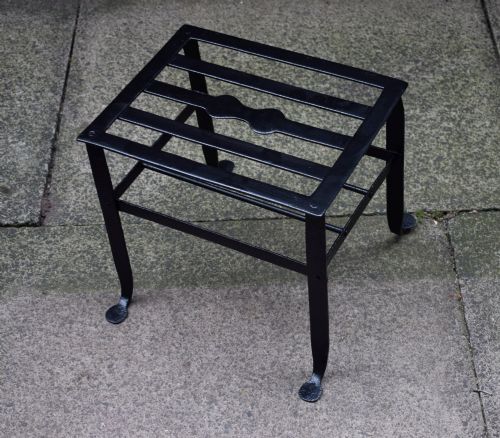
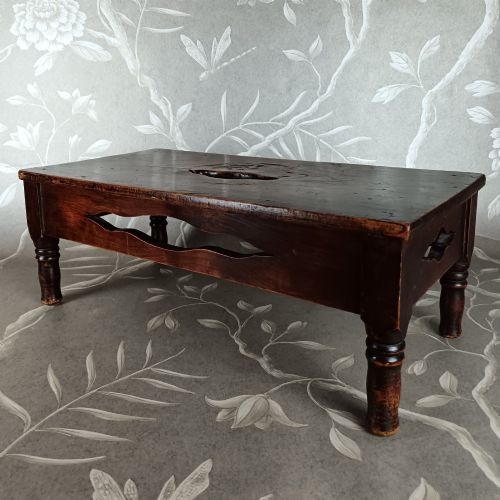
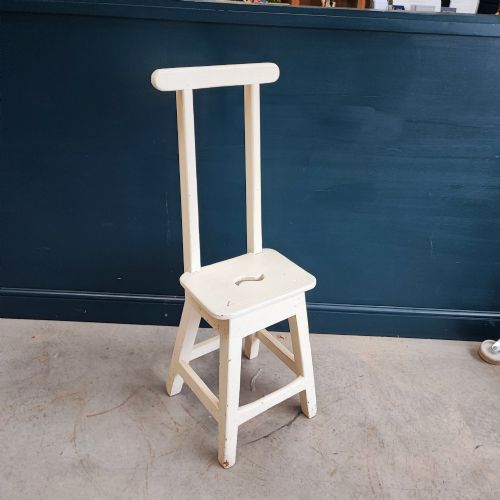
A vintage stool serves various domestic and utilitarian roles, encompassing footstools, dressing stools, piano chairs, and heavy industrial seats. Buyers encounter pieces spanning the nineteenth century through to the nineteen-thirties, reflecting distinct regional and workshop traditions.
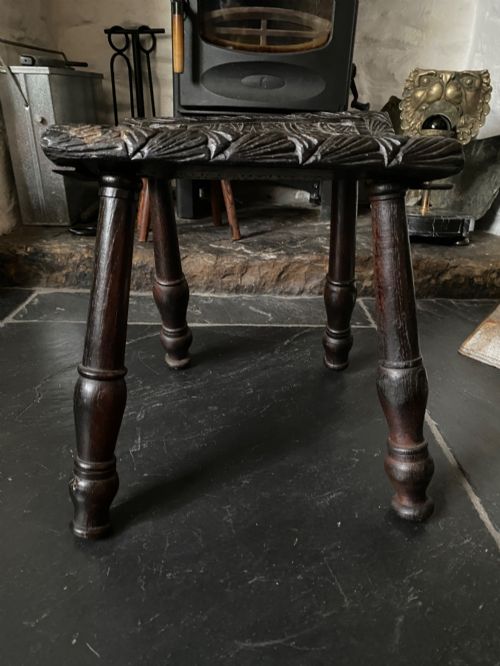
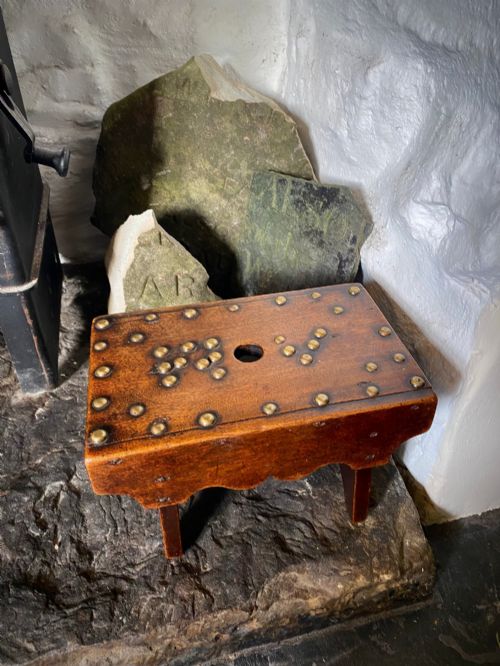
The nineteenth-century examples often utilise solid timbers such as mahogany, oak, and sycamore, taking forms from joint coffin stools to tavern seating. Later twentieth-century versions introduce swivel mechanisms, cast-iron bases, and novelty leather shapes.
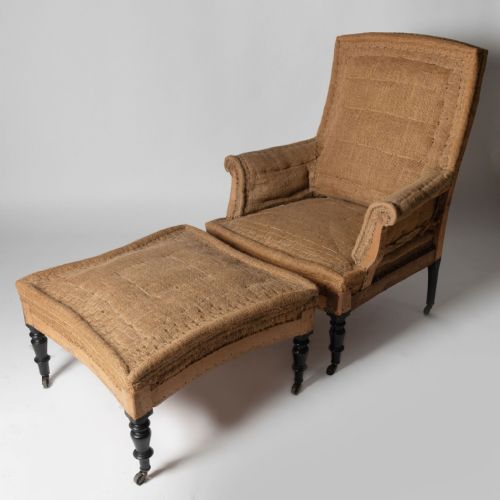
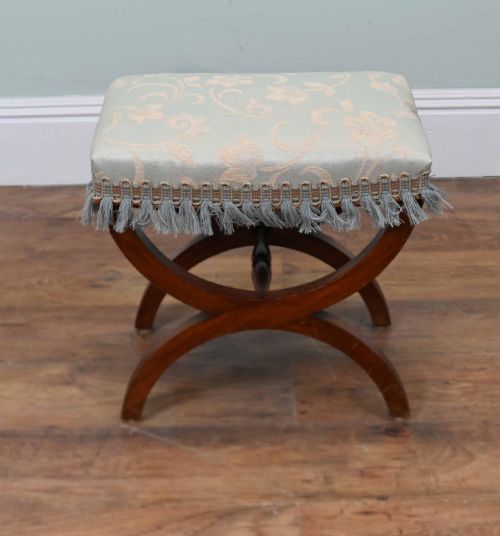
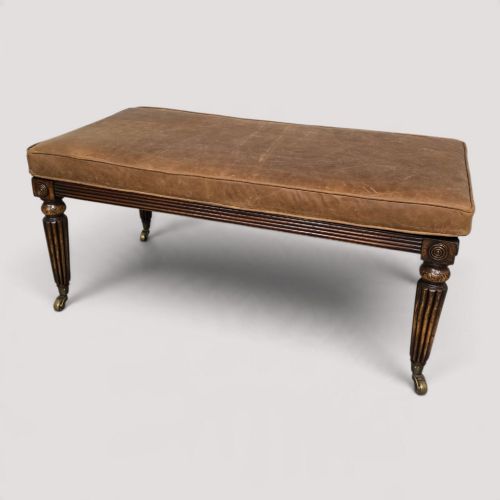
Domestic footstools and ottomans dominate the selection, frequently upholstered in leather, needlepoint, or velvet. These pieces connect directly to period interiors, pairing readily with existing seating arrangements and occasional tables.
Materials and construction
Cabinetmakers and rural joiners relied on hardwoods like walnut, mahogany, and oak, shaping legs with turning lathes or hand-carving decorative details. Joints were frequently pegged or dovetailed to withstand heavy daily use in domestic and commercial settings.
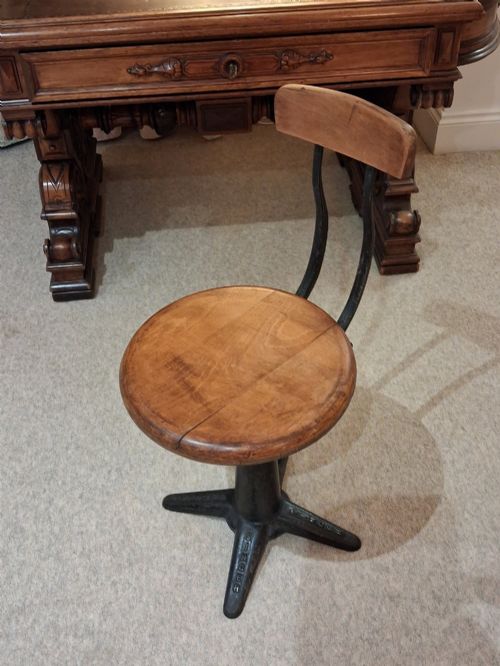
Industrial and workshop seating combined cast iron components, such as gear cogs and heavy pedestals, with elm or pine seats designed for durability. Upholstered pieces utilised horsehair stuffing, deep buttoning, and brass studwork secured to sturdy wooden frames.
Vintage Stool Retail Price Guide 2026
Typical asking prices for vintage stool among the pieces listed under this phrase on Sellingantiques today, from the lower quarter to the upper quarter. They describe what is for sale here now, not the wider market.
Listings feature timber frames in mahogany, oak, and walnut, alongside cast-iron industrial components from the nineteenth and early twentieth centuries.
Evaluating construction and finish
Quality rests in the integrity of the timber frame, the crispness of any carved detailing, and the preservation of original surfaces. Pieces retaining their initial patina and uncompromised joinery stand apart from heavily altered examples.
Upholstered forms depend on the execution of the work, where traditional hand-tied springs and period-appropriate coverings elevate a piece above standard utilitarian replacements.
The Vintage Stool Glossary
- Joint stool
- A solid wooden stool constructed with mortise and tenon joints, common in early domestic interiors. These sturdy pieces functioned as extra seating or small tables.
- Gout stool
- An adjustable footstool designed to elevate and support the foot of someone suffering from gout. They often feature pivoting panels to alter the angle.
- Cast iron
- An alloy of iron and carbon poured into moulds to create heavy, rigid machine bases and seat frames. It provides exceptional stability for industrial seating.
- Needlepoint
- A form of counted thread embroidery stitched onto canvas to create durable decorative covers for footstools and fireside seats. It introduces intricate patterns and varied colour palettes.
Vintage Stool: Frequently Asked Questions
How do I clean a leather footstool?
Use a soft, dry cloth to remove surface dust from the leather and wooden frame.
Apply a specialist leather conditioner periodically to maintain suppleness and prevent cracking on older hides.
Can I use an industrial stool at a kitchen island?
Many industrial and machinist stools feature adjustable height mechanisms suited for raised counters.
Check the base dimensions and height specifications to ensure comfortable clearance beneath your work surface.
How do I date a wooden stool?
Examine the tool marks, timber species, and construction methods used in the frame.
Hand-sawn boards and pegged joints typically indicate nineteenth-century or earlier craftsmanship, whereas machine screws point to later production.
Are upholstered stools suitable for daily seating?
Pieces with robust internal frames and tight stuffing handle regular daily use effectively.
Consider the condition of the underlying webbing and springs when selecting a seat intended for frequent sitting.