



Vintage Stool Set
These vintage stool set pieces range from oak library steps to dining stools, offering character and practical seating for period homes.
Vintage Stool Set
A vintage stool set gathers matched or paired seating and step forms across several decades of domestic and commercial life. When you search for a vintage stool set, you encounter groupings that span Edwardian dining rooms, Cotswold workshops, and French bistros.
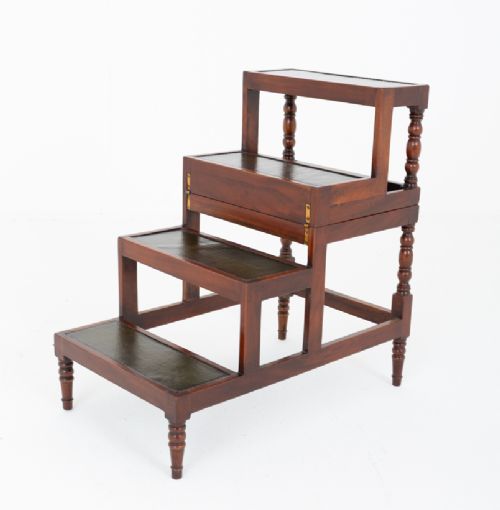
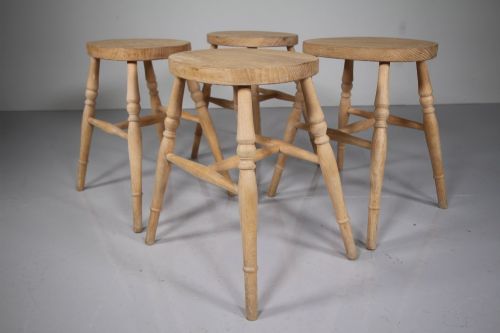
The selections on this page draw from periods such as the nineteenth century, Edwardian era, and the nineteen-thirties. Forms include dining stools, high bar stools, and sets of step stools or library steps.
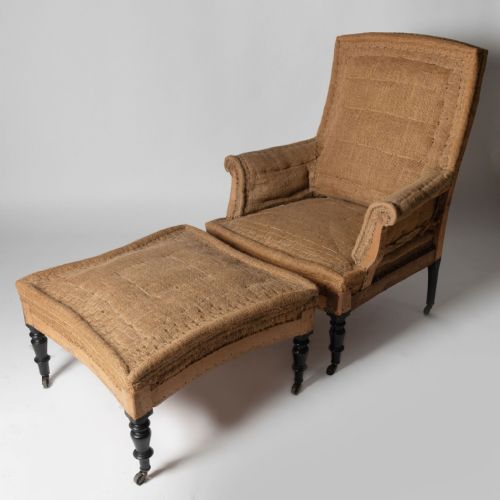
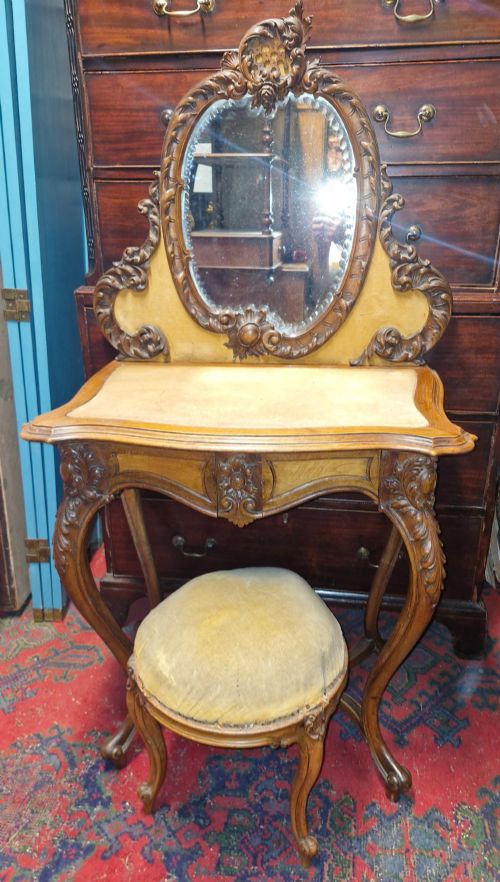
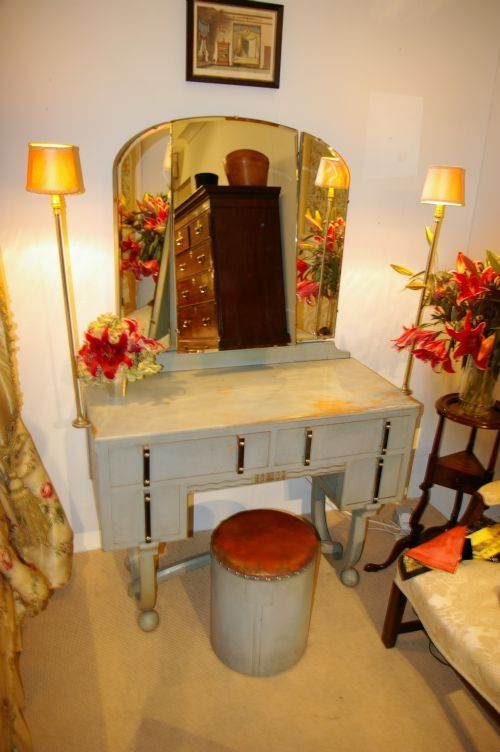
Many listings pair stools with matching dressing tables, armchairs, or library steps to create a cohesive grouping. These multi-piece assemblies reflect how rooms were furnished together in the past rather than as isolated items.
Materials and construction
Timber selection defines the construction of these pieces, with solid oak, mahogany, walnut, and fruitwood providing structural integrity. Cabinet makers and joiners utilised traditional jointing methods to ensure these items endured daily use.
Upholstered versions incorporate leather and fabric coverings over padded frames, while metal and brass components appear on industrial steps and bistro seating. Wood turning, hand carving, and bentwood techniques shape the legs and uprights across the various periods.
Vintage Stool Set Retail Price Guide 2026
Typical asking prices for vintage stool set among the pieces listed under this phrase on Sellingantiques today, from the lower quarter to the upper quarter. They describe what is for sale here now, not the wider market.
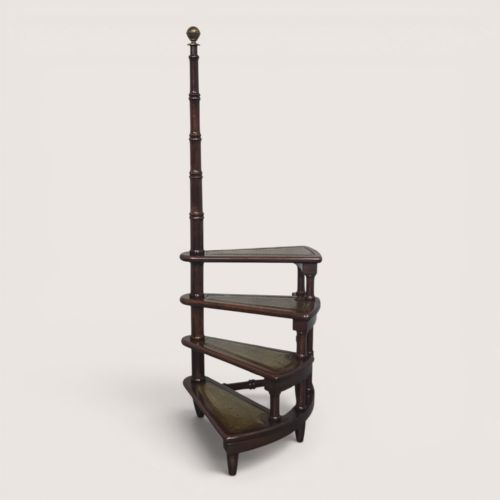
Even library steps need a rest sometimes, though these ones spent their youth helping people reach top shelf novels.
Evaluating craftsmanship and condition
Quality rests in the precision of the joinery and the selection of figured timbers like mahogany and walnut. Superior sets display crisp carving, balanced proportions, and uniform patination across every piece in the grouping.
The integrity of the structural frame determines longevity, particularly in library steps and high stools subjected to regular weight-bearing. Original leather upholstery and intact period finishes command greater regard than later replacements.
David Oakleafman Langstaff·Rowley Gallery
The Vintage Stool Set Glossary
- Library steps
- A set of tiered steps designed for reaching high bookshelves, often built in mahogany or oak during the nineteenth and early twentieth centuries. These pieces combine practicality with architectural presence.
- Bentwood
- Wood heated and bent into curved shapes, commonly utilised for lightweight seating forms. This technique produced robust commercial and domestic stools during the early twentieth century.
- Cotswold School
- A twentieth-century design movement focusing on traditional craftsmanship and visible hand tool marks on solid timber furniture. Pieces from this tradition emphasise honest construction.
- Regency Style
- A classical revival style drawing on ancient Greek and Roman forms, frequently interpreted in nineteenth-century mahogany furniture. It is characterised by clean lines and restrained ornament.
- Oxblood leather
- A deep reddish-brown leather finish traditionally applied to Chesterfield armchairs and matching footstools. This material develops a rich patina with age and use.
Vintage Stool Set: Frequently Asked Questions
How do I date a vintage stool set?
Dating relies on identifying timber species, construction methods, and stylistic cues associated with specific periods like the Edwardian era or the nineteen-thirties.
Examining fixings, secondary woods, and wear patterns helps confirm whether a set originates from the nineteenth century or later decades.
Are library steps considered stools?
Library steps function as climbing furniture rather than seating, though they share wooden construction and multi-tiered forms with step stools.
Many listings group steps alongside stools because both categories serve vertical domestic utility and occupy similar spatial footprints.
How were high stools used historically?
High stools served specific functional roles in commercial environments, wine bars, and drafting offices where elevated seating was necessary.
In domestic settings, similar tall forms accommodated kitchen counters or were paired with high tables and bistro settings.
Can I mix different wood tones in a room?
Mixing oak, mahogany, and walnut pieces creates a layered interior rather than a uniform showroom appearance.
Matching pieces within a single set ensure internal consistency, while the set itself can sit comfortably alongside contrasting timber furniture.