



Vintage Stoneware Crock
These vintage stoneware crock pieces are heavy, utilitarian vessels built for domestic storage and utility, offering robust character to modern interiors.
Vintage Stoneware Crock
When you search for vintage stoneware crock items, you encounter utilitarian vessels created for historical storage, dairy work, and liquid holding. The selection spans robust forms originating from the eighteenth, nineteenth, and early twentieth centuries.
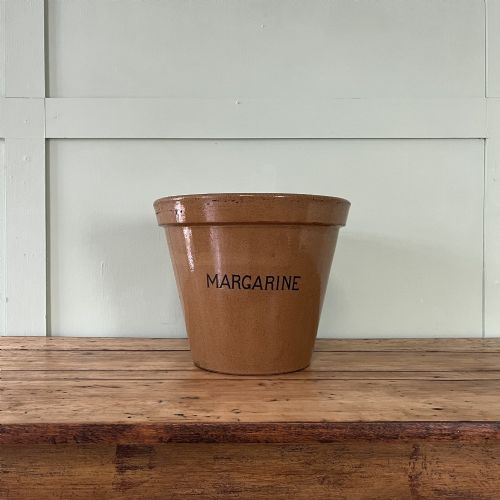
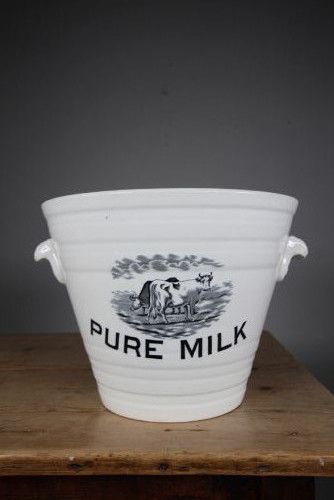
You are most likely to meet storage crocks, dairy ware, and water filters stemming from Victorian and Edwardian periods. Pieces range from large margarine bowls and milk pails to specialised vessels like vinegar barrels and turtle soup jars.
The origins documented across the inventory include English and French pieces reflecting rural, industrial, and country styles. Each object carries the marks of its functional past, from simple storage jars to decorated planters and flagons.
How they were made
Potters utilised dense clay bodies, firing them at high temperatures to achieve vitrification and create impermeable vessels suitable for holding liquids and foodstuffs. Glazes, including salt glaze, were applied to surfaces to provide a durable, watertight finish.
Makers shaped these utilitarian objects on wheels or via moulds, focusing on thick walls designed to withstand heavy daily use in dairies, taverns, and kitchens. Ironstone, earthenware, and glazed terracotta also appear alongside traditional stoneware, each requiring specific firing techniques.
Vintage Stoneware Crock Retail Price Guide 2026
Typical asking prices for vintage stoneware crock among the pieces listed under this phrase on Sellingantiques today, from the lower quarter to the upper quarter. They describe what is for sale here now, not the wider market.
Materials across the listings span stoneware, ceramic, ironstone, earthenware, glazed terracotta, and clay.
What varies in quality
Quality rests in the crispness of impressed lettering, company stamps, and applied markings that identify the original maker or merchant. Strong, even salt-glaze coverage and well-defined throwing lines elevate the visual presence of a utilitarian piece.
Proportion and structural integrity separate standard utility items from finer examples that retain their original taps, lids, or matching bases. The clarity of the glaze finish and the preservation of historical surface wear determine the overall standing of an individual vessel.
The Vintage Stoneware Crock Glossary
- Stoneware
- A type of pottery fired at a high temperature until vitrified and non-porous. It provides exceptional durability for heavy storage and liquid containment.
- Salt glaze
- A glassy, slightly textured finish achieved by throwing common salt into the kiln during high-temperature firing. This creates an orange-peel texture that resists acids and moisture.
- Ironstone
- A dense, durable type of earthenware patented in the nineteenth century. It bridges the gap between earthenware and porcelain through its heavy body.
- Slipware
- Pottery decorated with slip, which is a liquid mixture of clay and water applied before firing. It creates contrasting surface designs under a transparent glaze.
- Dairy ware
- Utilitarian vessels designed specifically for processing, storing, or transporting milk and cream. These pieces often feature wide rims and heavy walls.
Vintage Stoneware Crock: Frequently Asked Questions
What were vintage stoneware crock pieces used for?
These vessels served practical roles in domestic and commercial life, storing foods like butter, pickles, and dry goods. They also held liquids such as water, vinegar, and milk.
Heavier items functioned in dairies, taverns, and commercial kitchens where durable, non-porous containers were essential for daily operations.
How do I date a vintage stoneware crock?
Dating relies on examining the manufacturing materials, glaze types, and any impressed stamps or maker inscriptions. Stylistic clues such as Victorian or Edwardian design traits help narrow the timeframe.
Changes in production methods from the eighteenth century through the early twentieth century leave distinct physical evidence on the clay body.
Are vintage stoneware crock pieces waterproof?
Stoneware is naturally vitrified and non-porous, meaning the fired clay body holds water without leaking. Glazes add an extra layer of liquid resistance.
However, older earthenware or porous variants in the inventory may require careful handling if exposed to standing water over long periods.
How do I clean a vintage stoneware crock?
Wash surfaces gently with warm water and a mild detergent using a soft cloth or sponge. Avoid harsh chemical cleaners that might strip the historic glaze or damage the clay.
Dry the vessel thoroughly after washing to prevent moisture entrapment in any microscopic surface crazing.
How do I style a vintage stoneware crock at home?
Utilise larger vessels as floor planters, umbrella stands, or decorative urns in hallways and living spaces. Smaller jars sit well on kitchen counters or open shelving for everyday display.
The neutral tones and tactile surfaces complement rustic, industrial, and traditional interior schemes.