





Vintage Stone Column
A vintage stone column brings classical architectural gravity indoors, anchoring a room with quiet, weathered authority.
Vintage Stone Column
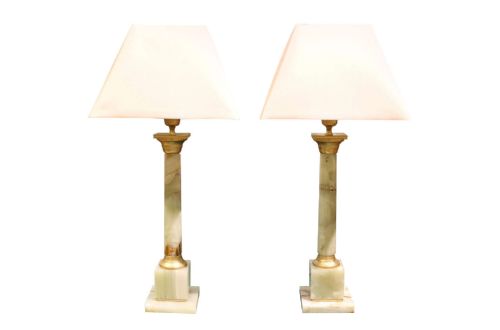
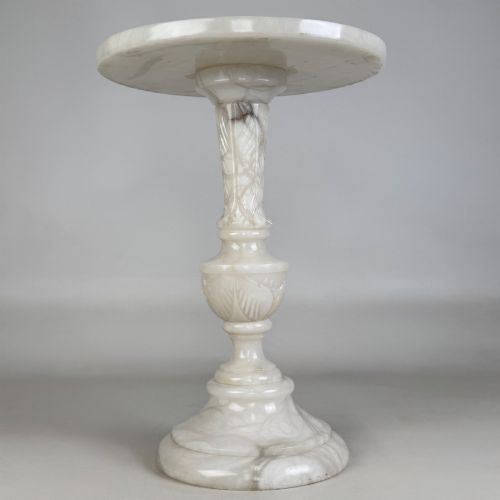
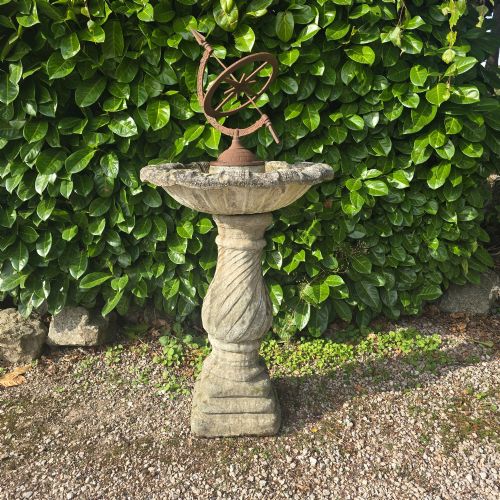
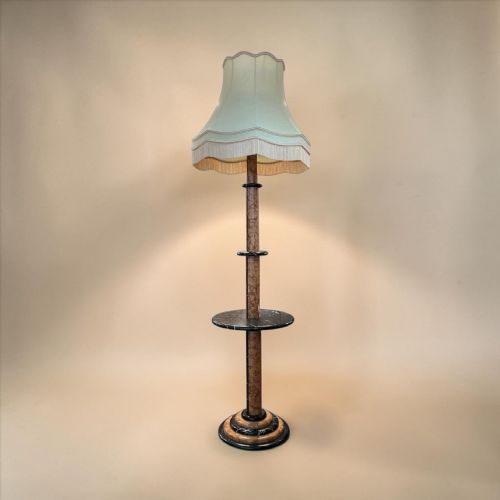
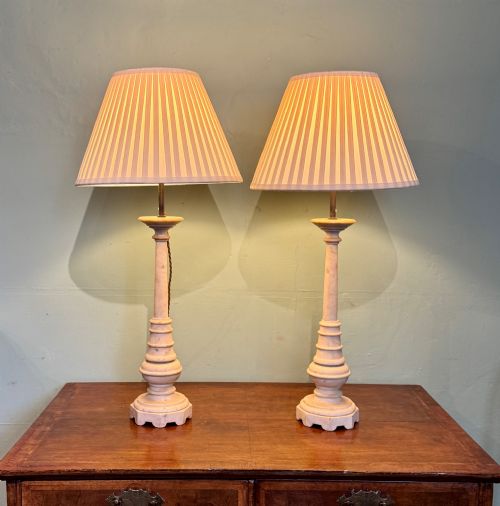
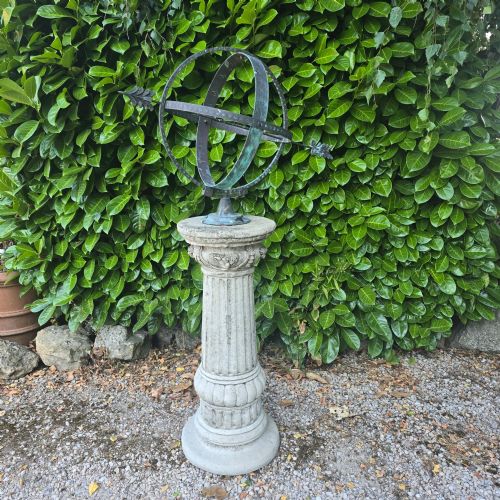
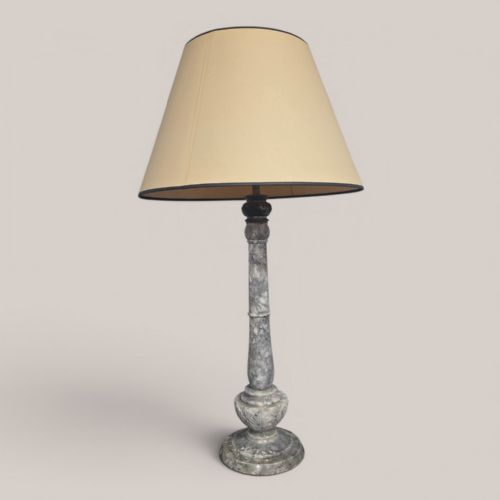
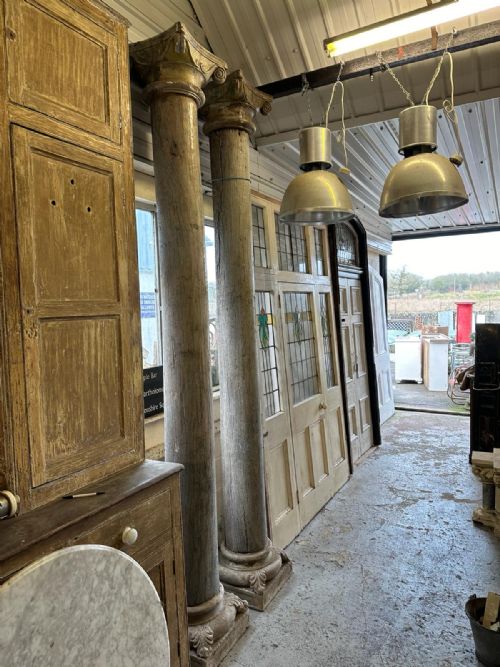
A vintage stone column encompasses a diverse group of architectural supports, display pedestals, and carved lamp bases rooted in classical antiquity. Buyers searching for a vintage stone column encounter everything from soaring nineteenth-century marble torcheres to smaller pedestals and carved lamp bases.
The selections span the Victorian era through the early twentieth century, including Neoclassical and Art Deco interpretations. These pieces serve practical roles as plant stands, table lamp bases, or sculptural pedestals for busts.
Origins stretch across English and French workshops, utilising stone, marble, alabaster, and reconstituted stone. Each piece offers a tangible link to classical revival design traditions.
How they were made
Makers shaped these pieces from natural and reconstituted materials, utilising hard stones, marble, alabaster, and cast stone. Heavy blocks underwent manual turning, shaping, and carving to achieve smooth shafts and intricate capitals.
Selected examples incorporate contrasting elements such as brass mounts, ormolu, and fabric components alongside the primary stone structure. Stoneware and carved sandstone required patient reduction and smoothing by hand tools to attain their final architectural profiles.
Vintage Stone Column Retail Price Guide 2026
Typical asking prices for vintage stone column among the pieces listed under this phrase on Sellingantiques today, from the lower quarter to the upper quarter. They describe what is for sale here now, not the wider market.
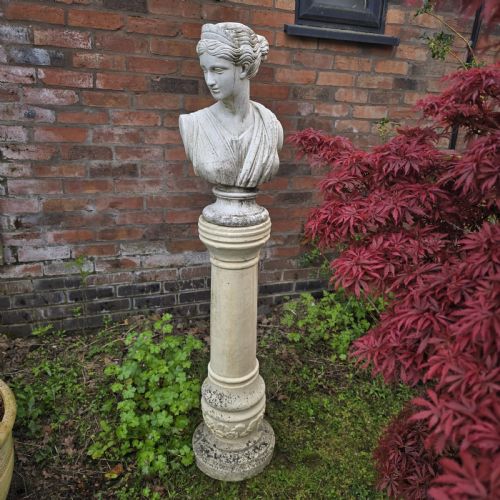
Several columns double as silent companions for historic stone busts of Athena and David.
What varies in quality
The hierarchy of quality rests upon the depth of hand carving, the selection of the raw mineral, and the integration of decorative metal mounts. Superior examples display crisp architectural orders, finely articulated capitals, and dense, unblemished marble or alabaster with striking natural veining.
Lesser pieces rely on simpler cast or reconstituted compositions with softer surface detail and uniform colouration. The precision of the joinery between capitals, shafts, and bases further distinguishes standard commercial production from ambitious sculptural work.
The Vintage Stone Column Glossary
- Neoclassical
- A style reviving the architectural and decorative motifs of ancient Greece and Rome. It emphasises symmetry, proportion, and classical orders.
- Torchere
- A tall stand or floor lamp designed to hold a light source aloft. In stone, it functions as an elevated column or plant pedestal.
- Serpentine marble
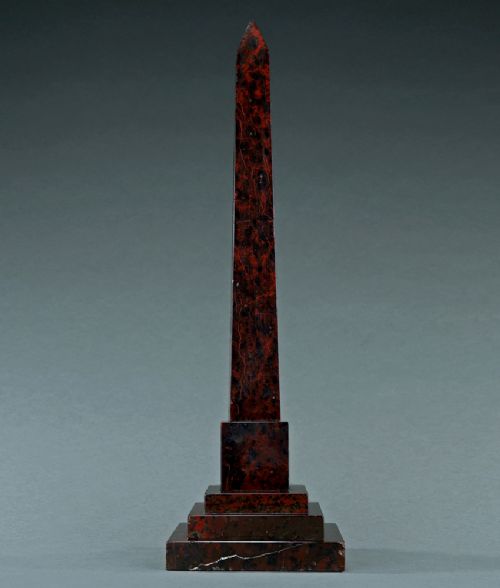
- A green, mottled stone resembling serpent skin, prized for its decorative figure. It was frequently utilised for nineteenth-century obelisks and decorative objects.
- Alabaster
- A fine-grained, translucent stone used for carved plant stands and columns. Its softness permits delicate detail and gentle light diffusion.
Vintage Stone Column: Frequently Asked Questions
Where should I place a heavy column?
Heavy stone and marble columns require stable, level flooring to distribute their substantial weight safely without shifting.
Position them away from high-traffic pathways to protect both the stone edges and passing occupants from accidental impacts.
Can these columns support heavy items?
Solid marble and stone columns easily support heavy planters, bronze busts, and large table lamps.
Verify that the top surface area matches the base of your intended display object to ensure secure balance.
How do I clean antique stone?
Dust natural stone surfaces regularly with a dry, soft cloth to prevent particulate buildup in carved crevices.
Avoid acidic cleaning agents and excess water, which can etch marble or degrade older mortar and plaster bonding.
Are these pieces purely decorative?
While many function as standalone architectural accents, numerous pieces serve practical roles as lamp bases, plant stands, or display plinths.
Their dual nature allows them to integrate utility directly into classical interior design schemes.
How do I identify Victorian examples?
Victorian columns often exhibit revival styles like Neoclassical or Corinthian capitals paired with dark marbles and occasional ormolu mounts.
Examine the turning marks and mineral composition for consistency with nineteenth-century British and continental manufacturing practices.