



Vintage Stick Pin
A vintage stick pin brings a flash of period detail to a lapel, scarf or cravat through fine goldwork and precious stones.
Vintage Stick Pin
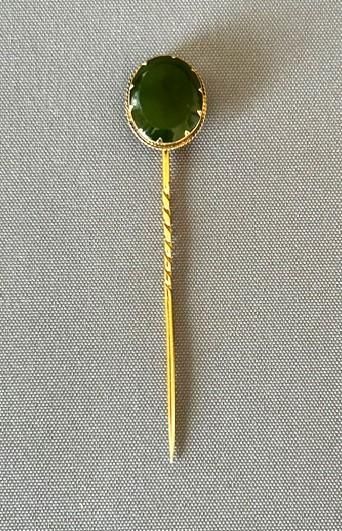
A vintage stick pin is a slender decorative pin topped with a detailed head of precious metal and gemstones, designed to secure formal neckwear or adorn a lapel. The examples seen here span periods from the nineteenth century through the Victorian, Edwardian and Art Deco eras up to the mid-twentieth century.
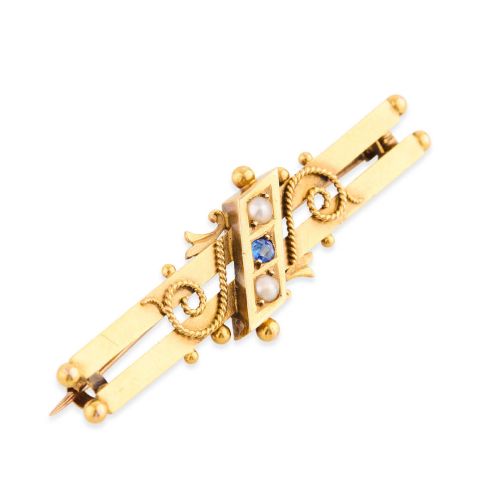
Most pieces encountered in this selection utilise gold in various purities, including nine carat, fifteen carat and eighteen carat, often paired with diamonds, pearls, sapphires or enamel. Alongside dedicated stick pins, the listings include related forms such as bar brooches and hat pins that share the same ornamental vocabulary.
The decorative heads range from floral Art Nouveau motifs and crescent moons to sporting bugles and reverse-painted Essex crystals. These items reflect the shifting aesthetic tastes of their respective decades, moving from ornate Victorian sentimentality to the geometric clarity of the nineteen-thirties.
Materials and construction
Goldsmiths constructed these pins using solid gold shafts soldered to decorative fronts cast or stamped with intricate motifs. Stones such as old cut diamonds, sapphires, rubies, amethysts and garnets were traditionally set by hand using claw, collet or gypsy settings.
Detailing often involved delicate enamel work, seed pearls secured on tiny pegs, or baroque pearls chosen for their organic shapes. Platinum and white gold begin to appear in the later Victorian and Edwardian pieces, providing a contrasting neutral background for brilliant cut diamonds.
Vintage Stick Pin Retail Price Guide 2026
Typical asking prices for vintage stick pin among the pieces listed under this phrase on Sellingantiques today, from the lower quarter to the upper quarter. They describe what is for sale here now, not the wider market.
A tiny hunting bugle pin lets you signal your arrival at the fox hunt without disturbing the horses.
Assessing quality and finish
Quality rests upon the crispness of the metalwork and the security of the stone settings, where superior examples display hand-cut gems matched precisely to their bezels. The finesse of the pin shaft itself also matters, as finer gauges indicate better proportion and less damage to delicate fabrics.
The distinction between standard commercial pieces and finer work lies in the depth of engraving, the quality of the enamel and the presence of makers' marks. Pieces with integrated safety mechanisms or specialised elements like Essex crystals demonstrate a higher level of original craftsmanship.
CHALES HORNER
The Vintage Stick Pin Glossary
- Stick pin
- A long straight pin with a decorative head used originally for securing cravats or ties, and later worn on lapels.
- Essex crystal
- A convex rock crystal backing a miniature hand-painted reverse image, creating a magnified three-dimensional effect.
- Old cut diamond
- A hand-faceted diamond cut before modern machinery, characterised by a small table, high crown and open culet.
- Bar brooch
- A narrow horizontal metal bar often featuring a central cluster of stones or decorative motif, sharing construction methods with stick pins.
- Seed pearl
- A very small natural or cultured pearl, frequently drilled and threaded or pegged onto jewellery from the nineteenth and early twentieth centuries.
Vintage Stick Pin: Frequently Asked Questions
How were vintage stick pins worn?
Originally, gentlemen wore stick pins through folded cravats and neckties to keep them neatly in place. Over time, ladies adopted them to fasten lace collars, lapels and hats.
Today, they function well secured through a lapel buttonhole or pinned into the weave of a heavy winter scarf.
Are the pin stems usually original?
Most surviving pieces retain their original long gold or metal stems, though some have seen straightening or minor repairs over decades of use. The length allowed the pin to pass securely through thick layers of cloth.
Slight bends in the slender shaft are common and generally reflect the organic handling of antique jewellery.
How do I date an Edwardian stick pin?
Edwardian pieces typically showcase lighter platinum or yellow gold work, often featuring openwork scroll designs, seed pearls and diamonds. This period favoured delicate, airy compositions contrasting with heavier Victorian jewellery.
The use of specific motifs like flowers, bows and crescent moons also helps point toward this era.
Do these pins come with safety caps?
Period pins were frequently made without modern clutch backs, relying on the friction of the cloth or simple metal sleeves. Many pieces found today include a small matching or modern friction cap to secure the sharp point.
Using a secure backing prevents loss during daily wear on modern fabrics.