



Vintage Sterling Tankard
These vintage sterling tankard pieces are solid silver drinking vessels spanning centuries of British craftsmanship, prized for their traditional forms and enduring metal.
Vintage Sterling Tankard
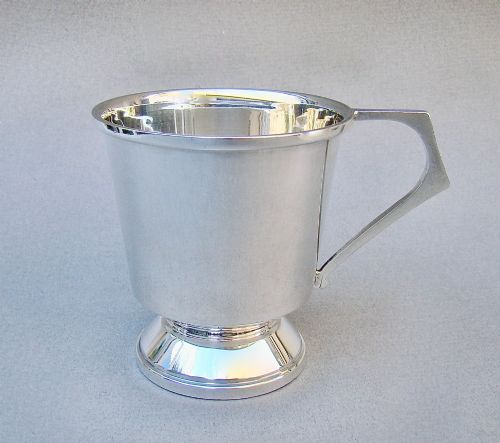
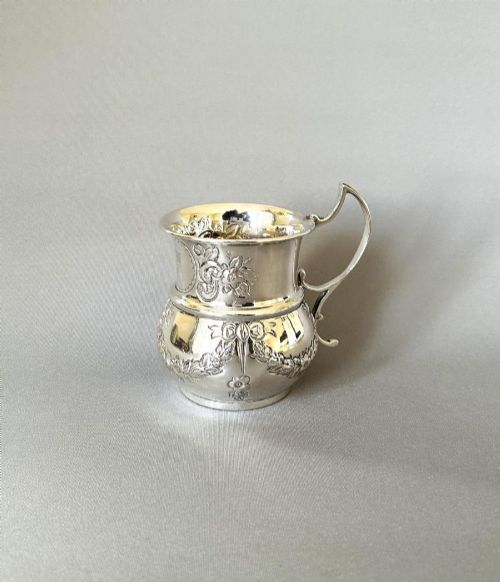
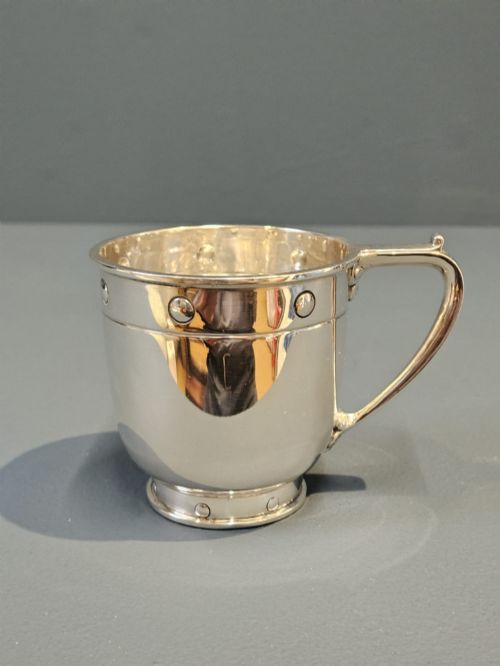
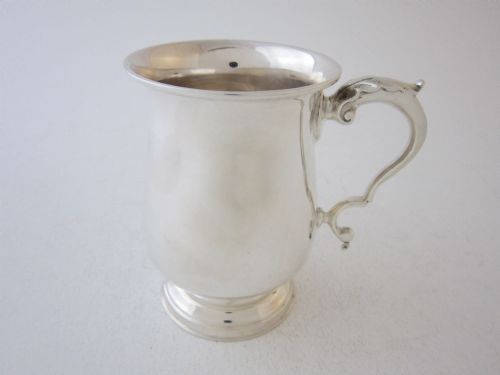
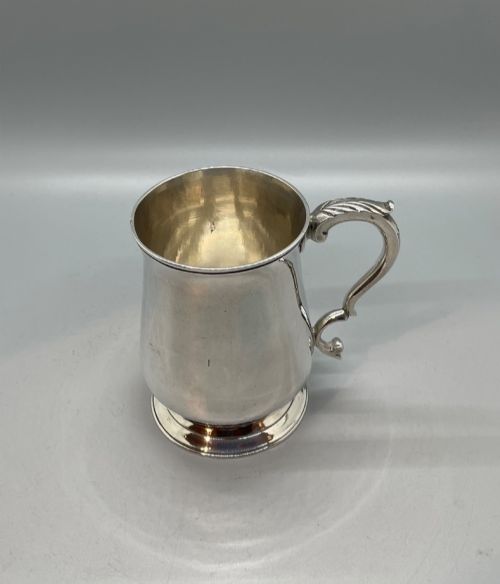
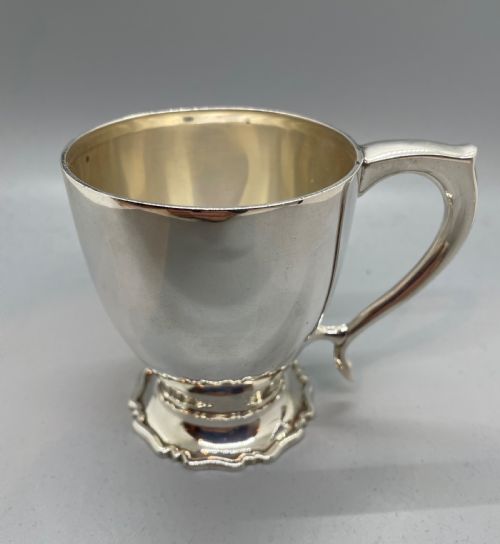
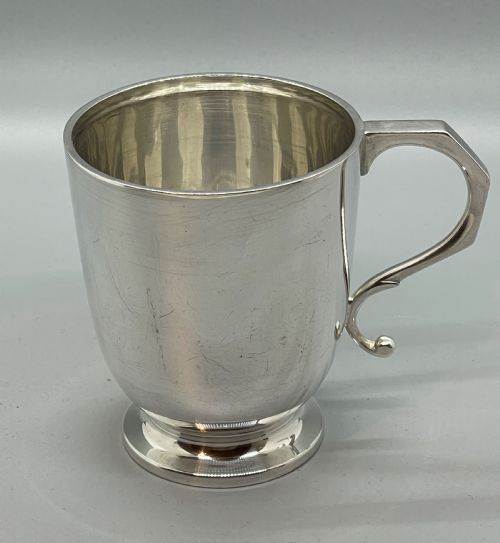
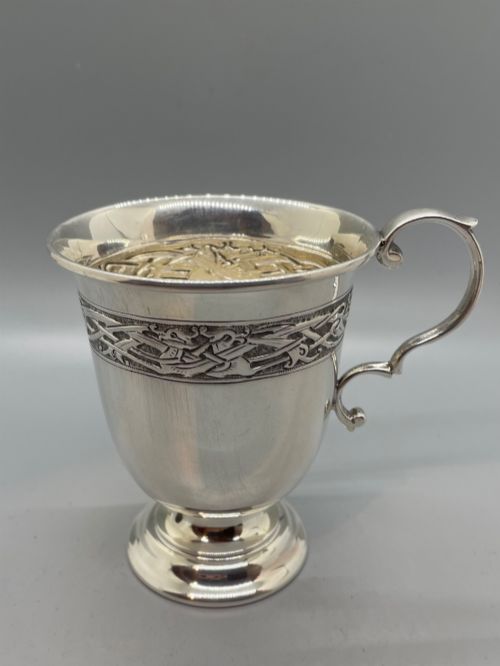
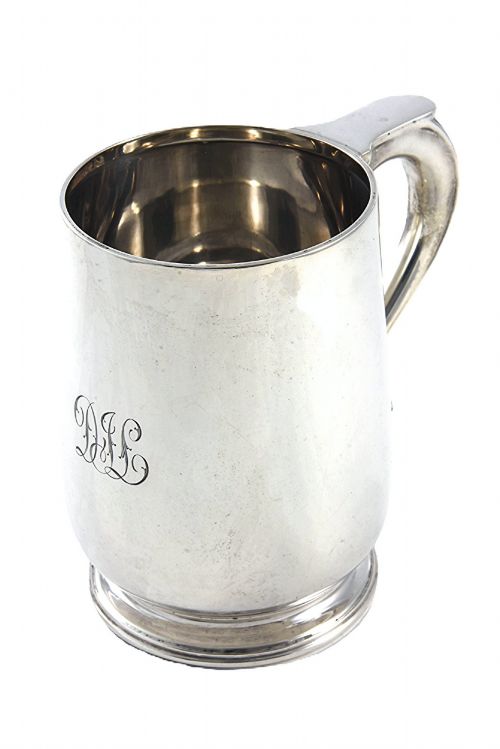
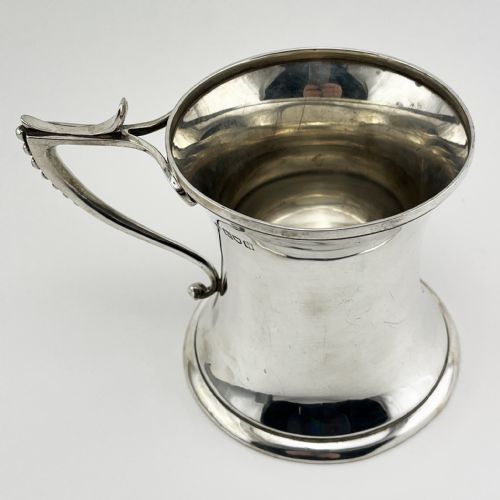
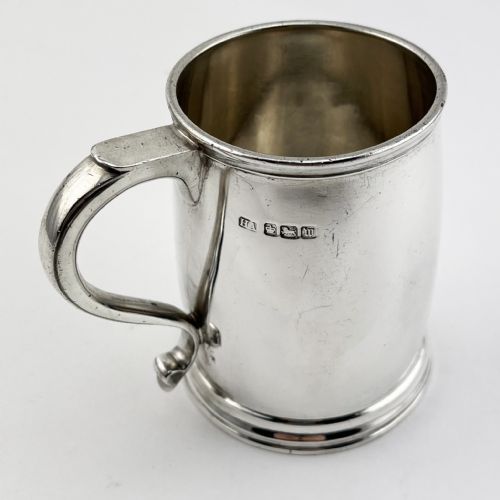
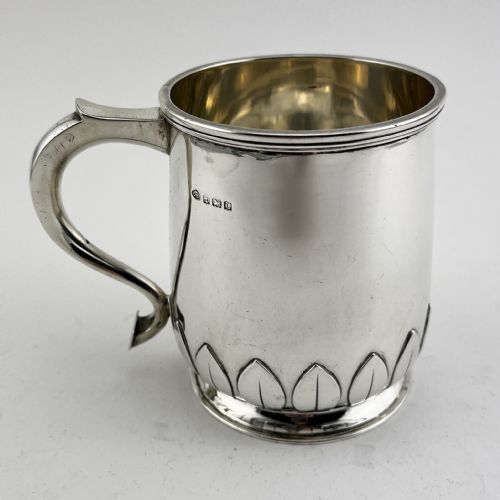
A vintage sterling tankard encompasses solid silver drinking vessels, christening mugs, and pint mugs originating from periods including the Victorian era, Edwardian period, and the twentieth century. These items manifest in forms ranging from plain bodies to baluster shapes with scroll handles, reflecting both domestic use and ceremonial gifting.
Buyers browsing this selection encounter numerous christening mugs and pint tankards bearing hallmarks from major assay offices such as Birmingham, London, and Sheffield. The pieces span styles from Georgian and Victorian revivals to George V and mid-century designs.
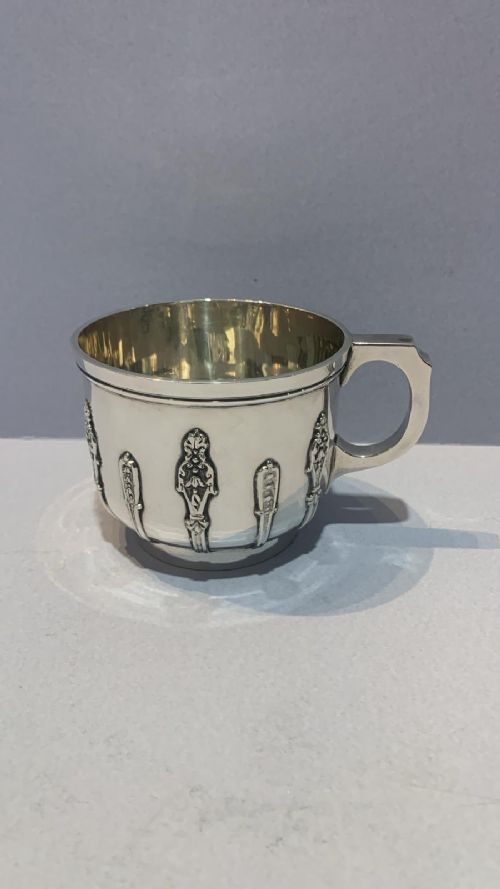
Mugs intended for children often appear alongside larger pint-capacity vessels intended for table use. Many examples survive in fitted cases or retain gilt interiors, known as silver gilt.
Materials and construction
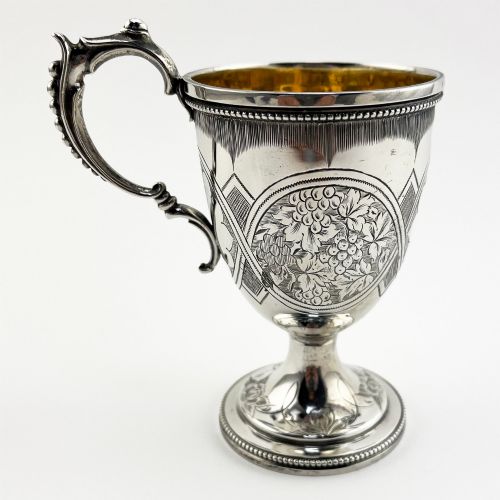
Construction relies heavily on solid sterling silver, worked into cylindrical or baluster forms often complemented by applied scroll handles. Certain examples incorporate interior gilding, resulting in a dual-tone silver gilt finish.
Manufacturing methods involve traditional silversmithing techniques, including raising sheet silver and hand-engraving decorative motifs. Makers utilised fitted velvet or silk linings for presentation cases accompanying specific christening mugs.
Vintage Sterling Tankard Retail Price Guide 2026
Typical asking prices for vintage sterling tankard among the pieces listed under this phrase on Sellingantiques today, from the lower quarter to the upper quarter. They describe what is for sale here now, not the wider market.
Listings feature sterling silver and silver gilt materials, spanning periods from the nineteenth century through the 1960s in forms such as christening mugs and pint tankards.
Evaluating craftsmanship and condition
Quality rests in the weight of the silver, the crispness of the hallmarks, and the balance of the handle attachment. Heavier gauge silver provides a substantial feel in the hand, distinguishing superior domestic tankards from lighter pieces.
The refinement of surface decoration, whether plain polished bodies or intricate engraved foliage, dictates the aesthetic standard. Well-preserved original presentation cases and clear maker marks add tangible integrity to the surviving piece.
Joseph Gloster·Barker Bros·R E Stone·William Bateman
The Vintage Sterling Tankard Glossary
- Hallmark
- Official marks stamped into silver by an assay office to guarantee the metal standard and year of production. These stamps provide the primary method for dating British silver.
- Sterling Silver
- An alloy of silver containing 92.5 percent pure silver and 7.5 percent other metals, usually copper, ensuring durability for tableware. This standard has governed British silver production for centuries.
- Silver Gilt
- Silver objects that have been coated with a thin layer of gold on the interior or exterior surfaces. This technique protects the metal and provides a rich two-tone appearance.
- Baluster
- A architectural form featuring a swelling lower portion tapering toward the top, frequently seen on mug and tankard profiles. This curved shape defines many traditional drinking vessels.
- Scroll Handle
- A handle shaped in a sweeping, flowing curve resembling a scroll or spiral. It offers both ergonomic grip and decorative flair on silver mugs.
Vintage Sterling Tankard: Frequently Asked Questions
What distinguishes a tankard from a mug?
Tankards traditionally refer to larger drinking vessels, often with lids or substantial capacities, while mugs tend to be open-topped drinking cups. In historical silver terminology, the two terms frequently overlap.
Many pieces listed as tankards in older records function primarily as mugs or christening cups.
How do I read silver hallmarks?
British hallmarks typically include a maker mark, a standard mark indicating sterling silver, a town mark for the assay office, and a date letter. Together these symbols verify the origin and exact year of manufacture.
Reference books or online assay office registers help decode the specific punch shapes and letter fonts.
Were christening mugs meant for daily use?
Christening mugs served primarily as ceremonial gifts to mark the birth or baptism of a child, often kept as keepsakes rather than utilised daily. Their precious metal content made them valuable family assets.
Many survive today in pristine condition within original velvet or silk lined presentation cases.
What is silver gilt?
Silver gilt is solid silver that has undergone a process of gold plating, usually applied to the interior of a mug or tankard. This treatment prevented the acidic taste of certain beverages from interacting with the silver.
It also provided a decorative contrast between the bright gold interior and the polished exterior silver.