



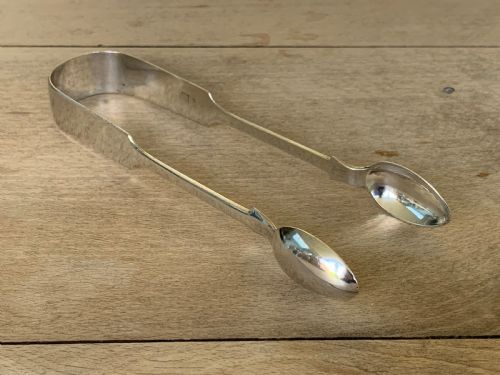

Vintage Sterling Sugar Nips
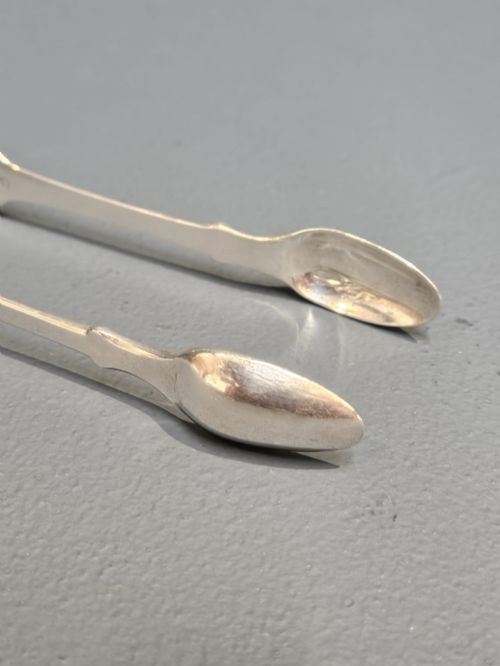
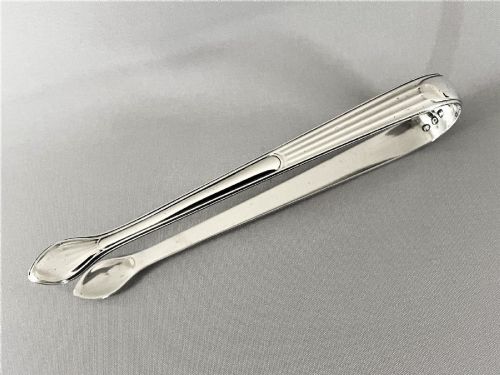
These vintage sterling sugar nips are small handheld implements designed to lift sugar lumps into tea or coffee cups with precision.
Vintage Sterling Sugar Nips
When you search for vintage sterling sugar nips, you encounter a specialised form of cutlery and flatware intended for tabletop service. These small tongs date from various periods, including the Georgian era, the Victorian era, and the mid-twentieth century.
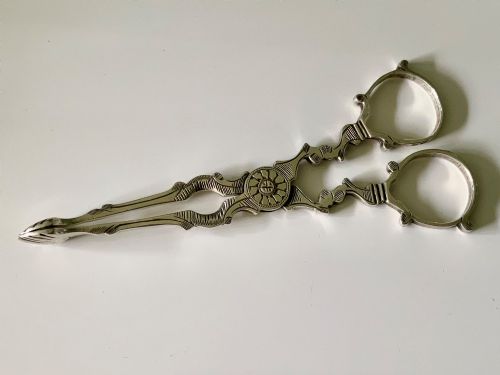
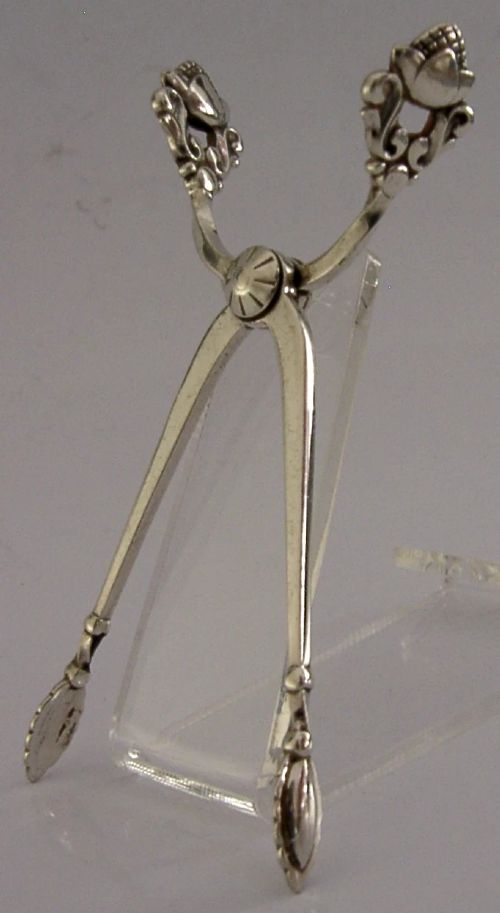
The pieces listed on this page encompass traditional scissor-action nips alongside sprung sugar tongs. You find regional Scottish examples, London hallmarks, and twentieth-century Scandinavian designs amongst the selection.
Makers ranging from the Bateman family to Georg Jensen demonstrate the longevity of this domestic form. Whether plain or highly ornate, each pair serves the single purpose of transferring sugar efficiently.
How they were made
Silversmiths constructed these implements primarily from sterling silver using casting and forging techniques. Certain twentieth-century sets integrate elements such as Bakelite handles or arrive housed in satin and velvet lined presentation cases.
Traditional production involved shaping silver sheet or casting metal into sprung bows and pivoted scissor mechanisms. Artisans applied hand-engraving, piercing, and chased ornamentation to define styles from Georgian minimalism to Art Deco and Danish Modern.
Vintage Sterling Sugar Nips Retail Price Guide 2026
Typical asking prices for vintage sterling sugar nips among the pieces listed under this phrase on Sellingantiques today, from the lower quarter to the upper quarter. They describe what is for sale here now, not the wider market.
Some nineteenth-century makers fashioned sugar nips to resemble miniature scissors, letting you snip your sugar with unwarranted martial flair.
What varies in quality
The calibre of vintage sterling sugar nips depends on the crispness of the maker's mark and the resilience of the spring or pivot mechanism. Superior examples retain their original tension and alignment without looseness in the joint.
Aesthetic refinement also distinguishes finer pieces, where hand-piercing or chased decoration remains sharp and defined rather than worn down by excessive polishing. Maker attribution adds notable distinction to specific examples.
Bateman Family·Georg Jensen·Josiah Williams & Co
The Vintage Sterling Sugar Nips Glossary
- Sterling silver
- A silver alloy containing 92.5 percent pure silver and 7.5 percent other metals, usually copper, ensuring durability for domestic implements.
- Sugar nips
- Small spring tongs or scissor-action tools historically used for cutting sugar from a loaf and transferring lumps to a cup.
- Hallmark
- An official stamp applied by an assay office indicating the metal standard, the maker, and the year of manufacture.
- Assay
- The testing of precious metals to verify their purity before stamping with official assay office marks.
- Acorn pattern
- A specific mid-century Scandinavian decorative motif featuring stylised botanical forms, notable on Danish Modern silver.
Vintage Sterling Sugar Nips: Frequently Asked Questions
What are sugar nips used for?
These implements are designed specifically for picking up sugar lumps during tea and coffee service. They keep fingers clean and allow precise placement in the cup.
Historically, they formed part of a well-appointed silver tea service alongside teapots, caddies, and cream jugs. Today, collectors utilise them for traditional afternoon tea settings.
How do I date sterling sugar nips?
Dating relies heavily on the hallmarks stamped into the silver, which indicate the specific assay office and year of manufacture. Stylistic clues such as Georgian bright-cut engraving or mid-century modernist lines also point to the era of production.
Comparing the shape and construction methods helps differentiate eighteenth-century cast examples from later Victorian and twentieth-century machine-finished pieces.
How should I clean silver sugar nips?
Cleaning requires a soft microfibre cloth and a reputable silver polish formulated to lift tarnish without removing delicate engraved details. Avoid harsh abrasive cleaners that scratch the silver surface.
Regular, gentle wiping keeps the metal bright and preserves the integrity of any maker's marks stamped into the shank.