







Vintage Sterling Silver Strainer
These vintage sterling silver strainer examples span centuries of fine metalwork, offering practical utility and timeless elegance for discerning collectors.
Vintage Sterling Silver Strainer
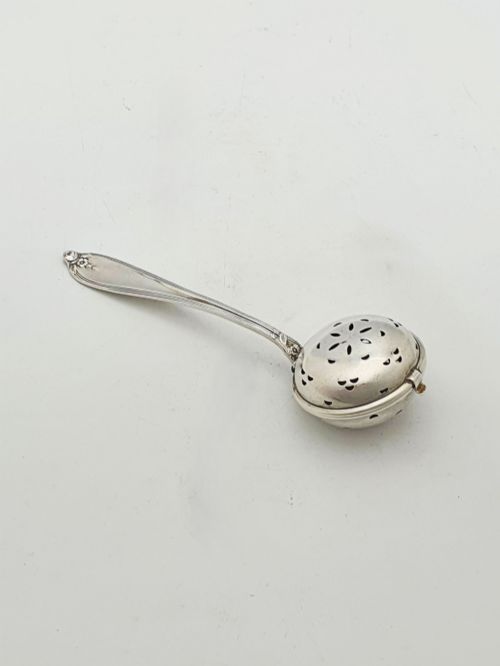
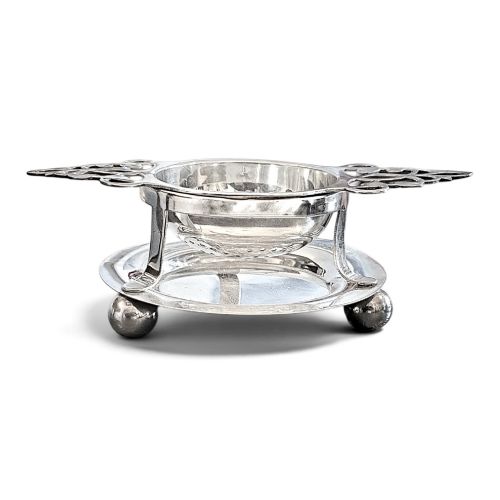
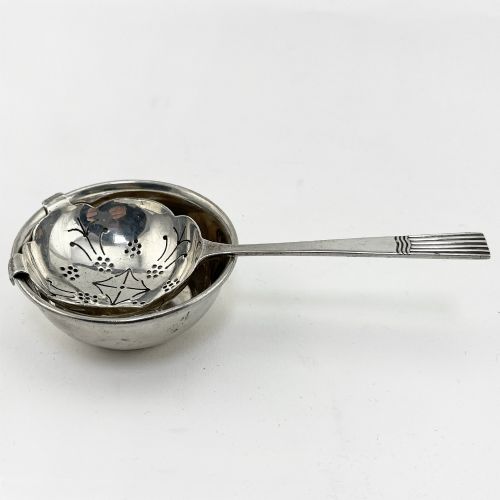
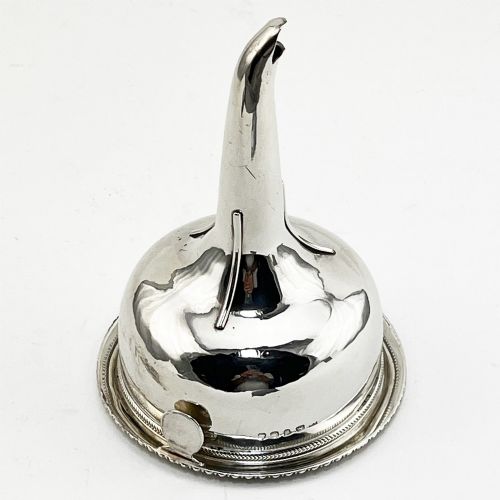
When you search for vintage sterling silver strainer pieces, you encounter a specialised selection of table and bar accessories designed for filtering liquids. These items range from tea strainers and infusers to wine funnels and straining spoons originating across multiple eras.
The objects most frequently met on this page include mid-century examples alongside earlier Georgian, Victorian, and Edwardian specimens. Makers utilise traditional forms such as three-part wine funnels and handled tea strainers to process loose leaves or decant wine cleanly.
How they were made
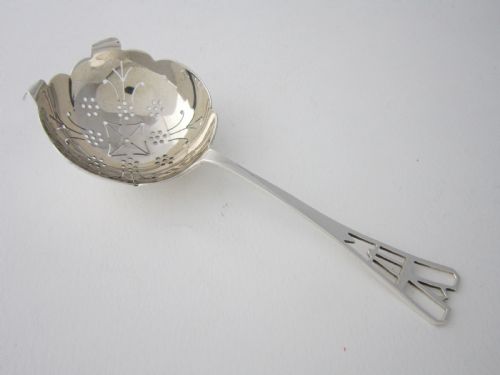
Silversmiths constructed these pieces primarily from solid sterling silver, applying traditional manufacturing techniques such as piercing, hammering, and soldering. Artisans formed intricate patterns within the bowls of tea strainers and the perforated basins of wine funnels to ensure efficient liquid flow.
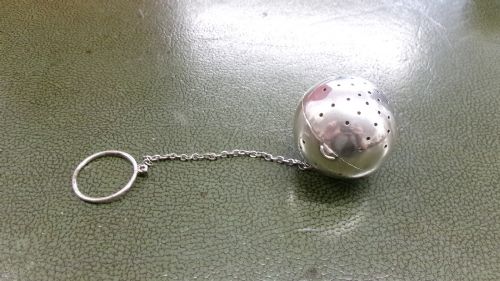
Maker workshops employed techniques including casting and hand-finishing, often incorporating chains or stands for tea infusers. Good gauge silver provided sturdy walls that resisted bending during daily use at the dining table.
Vintage Sterling Silver Strainer Retail Price Guide 2026
Typical asking prices for vintage sterling silver strainer among the pieces listed under this phrase on Sellingantiques today, from the lower quarter to the upper quarter. They describe what is for sale here now, not the wider market.
Materials documented across the inventory consist mainly of sterling silver, solid silver, and occasional silver plate.
What varies in quality
Quality in these items depends heavily on the thickness of the metal, known as gauge, which dictates the structural integrity of the piece. Heavier gauge silver provides a more substantial feel in the hand and resists dents far better than lighter alternatives.
Artistic execution and clarity of hallmarks also separate ordinary pieces from exceptional works. Finer examples display crisp piercing work in the strainer bowl and clear maker marks that verify their origin and period.
Lowe And Sone
The Vintage Sterling Silver Strainer Glossary
- Sterling silver
- An alloy consisting of 92.5 percent silver by mass, with the remainder composed of other metals, usually copper. This standard ensures the durability required for functional tableware.
- Wine funnel
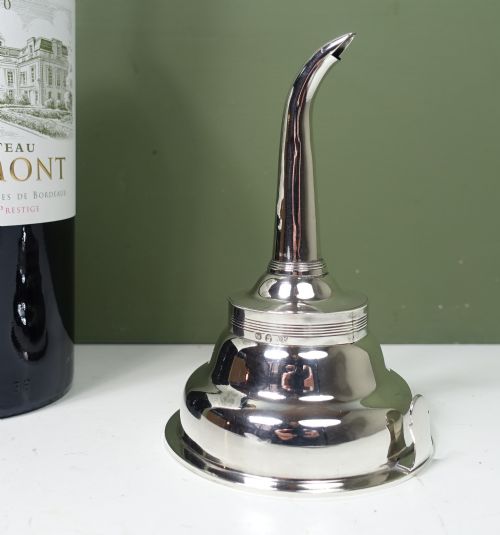
- A conical utensil designed to channel wine into a decanter while filtering out sediment. Many period examples feature a removable pierced insert.
- Tea strainer
- A small perforated device placed over a cup to catch loose tea leaves during pouring. Often accompanied by a matching drip bowl.
- Hallmark
- An official stamp applied to precious metals in the United Kingdom to certify purity and origin. These marks identify the maker, assay office, and year of production.
Vintage Sterling Silver Strainer: Frequently Asked Questions
How do I use a vintage tea strainer?
Rest the strainer directly across the rim of your teacup before pouring brewed tea from the pot. The perforated bowl catches loose leaves while allowing the liquid to pass through cleanly.
After use, lift the strainer and place it onto its designated drip stand or bowl to keep your table surface clean.
What is a three-part wine funnel?
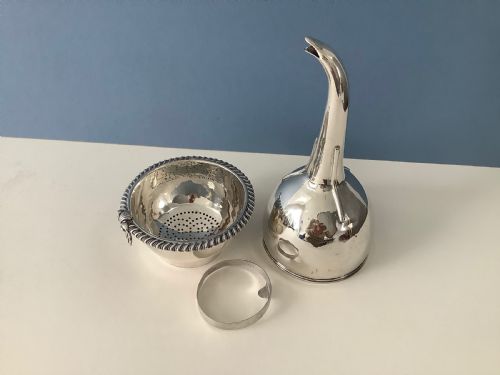
A three-part wine funnel consists of a main funnel body, a removable pierced straining insert, and a separate spout or stand. This modular design allowed the user to catch sediment effectively while decanting older vintages.
The removable middle section makes cleaning easier after the decanting process is complete.
How do I date these silver items?
Examine the stamped hallmarks on the silver surface to determine the exact assay office, standard mark, and date letter. British silver pieces typically carry a sequence of small stamps that pinpoint the year of manufacture.
Stylistic cues such as Art Deco geometric lines or Georgian bowl shapes also provide a reliable general period.
Can I use antique silver daily?
Solid silver items are durable enough for regular daily use provided they receive proper care. Hand wash them gently using mild soap and warm water, avoiding harsh abrasive scourers that scratch the finish.
Dry the pieces thoroughly with a soft cloth immediately after washing to prevent water spots and tarnishing.