


Vintage Sterling Ring
When you search for a vintage sterling ring, you find pieces spanning the Victorian era through the mid-century that offer solid silver construction and wearable history.
Vintage Sterling Ring
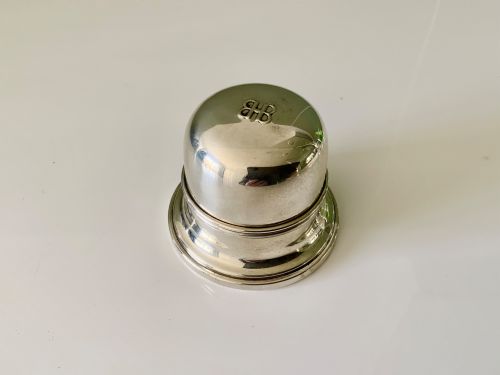
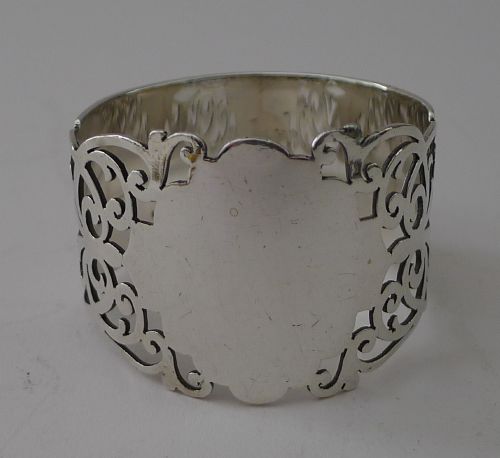
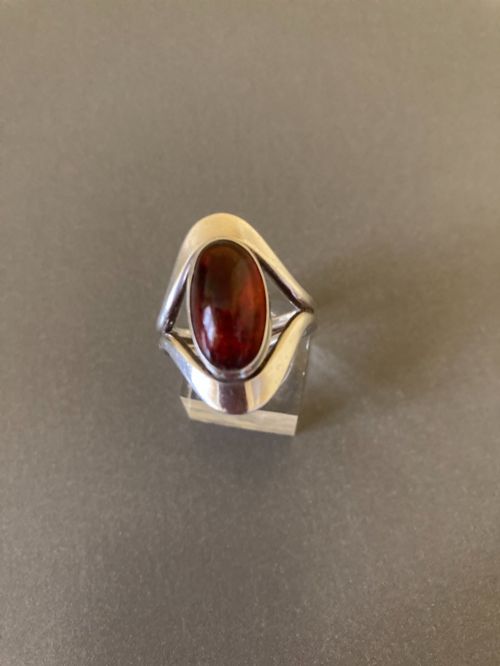
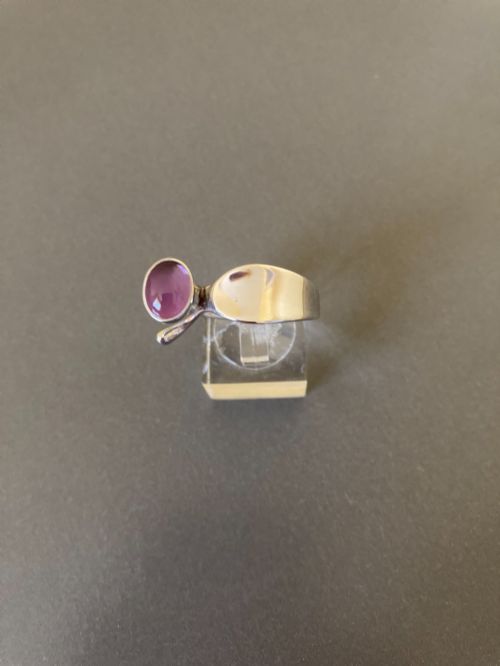
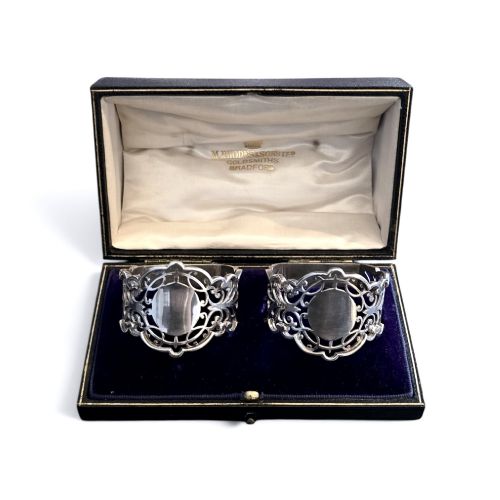
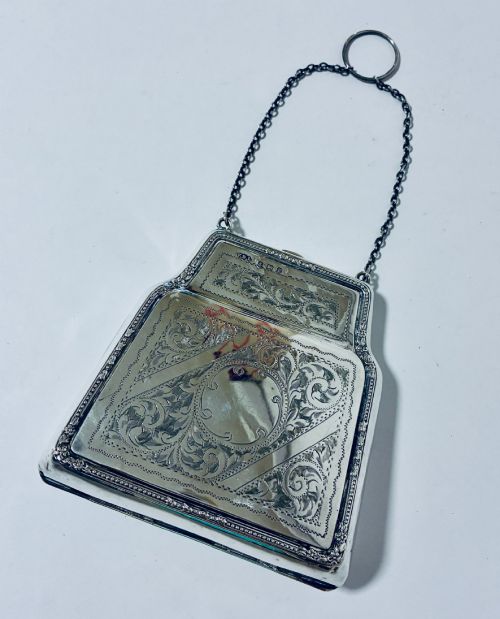
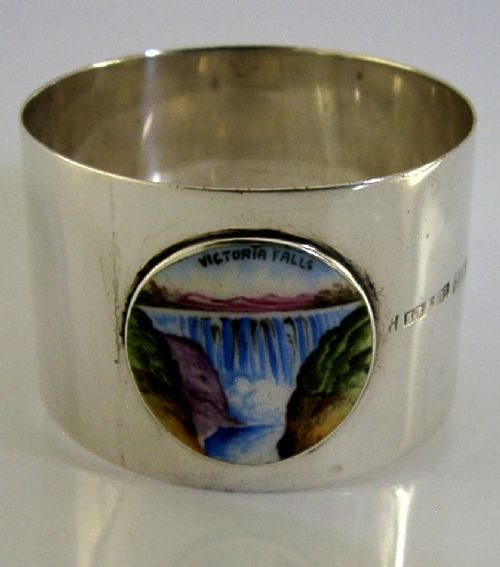
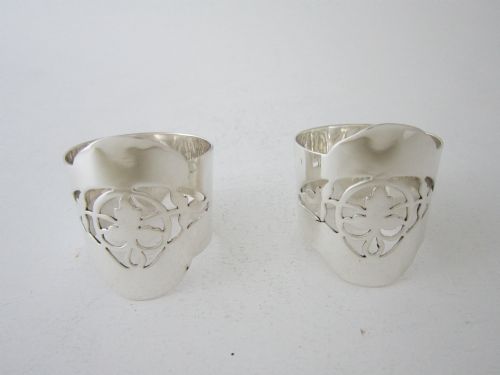
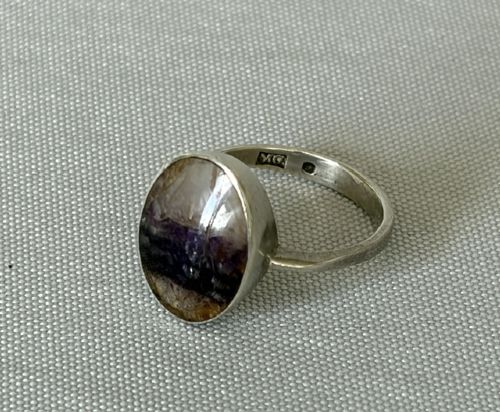
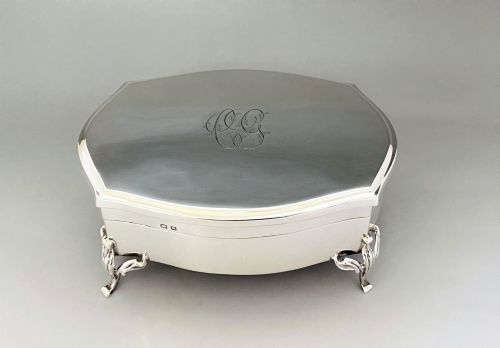
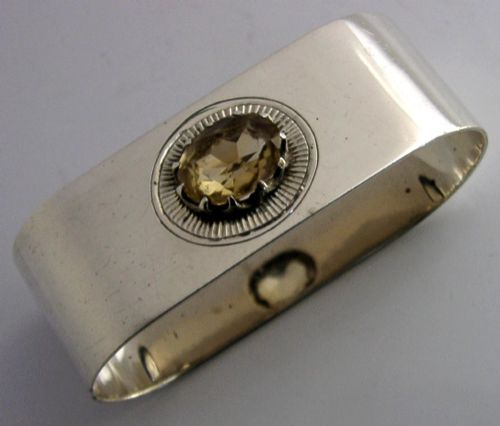
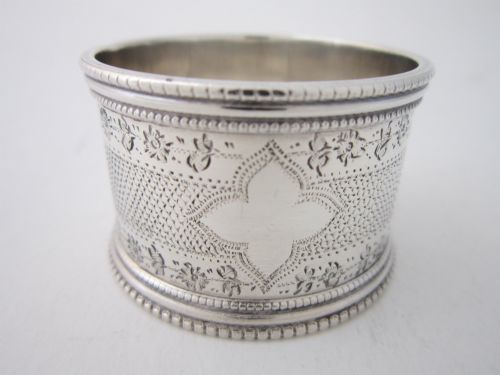
A vintage sterling ring search yields a selection that encompasses wearable finger jewellery alongside a broader array of small silver goods, reflecting how makers applied precious metal working techniques across domestic and personal items. The inventory includes solid silver bands featuring stones such as moonstone, paste, and Blue John, alongside related silver forms like napkin rings, trinket boxes, and purses from the late nineteenth century onward.
Most items you encounter date from the Edwardian period and the George V reign, capturing the shift from ornate Victorian ornamentation through to cleaner modernist lines. You see styles ranging from Arts and Crafts hand-hammered surfaces to Art Deco geometric motifs and mid-century Scandinavian designs. While some listings provide actual finger rings, many fall into silver table and vanity wares sharing the same sterling material and period aesthetic.
How they were made
Makers utilised solid sterling silver, shaping the metal through casting, hammering, and engraving to achieve structural integrity and decorative detail. Many pieces incorporate supplementary materials, setting stones like citrine, agate, and zirconia directly into the silver mount.
Items intended for vanity or dining use often feature protective linings made from silk, velvet, or leatherette housed inside fitted cases. Surface treatments include applied enamel work and gilding, which add colour and contrast to the polished silver ground.
Vintage Sterling Ring Retail Price Guide 2026
Typical asking prices for vintage sterling ring among the pieces listed under this phrase on Sellingantiques today, from the lower quarter to the upper quarter. They describe what is for sale here now, not the wider market.
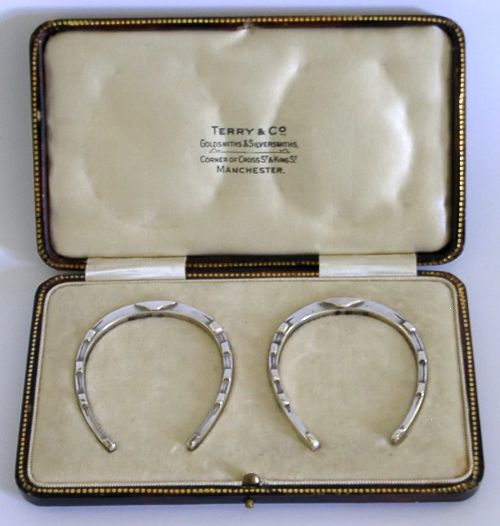
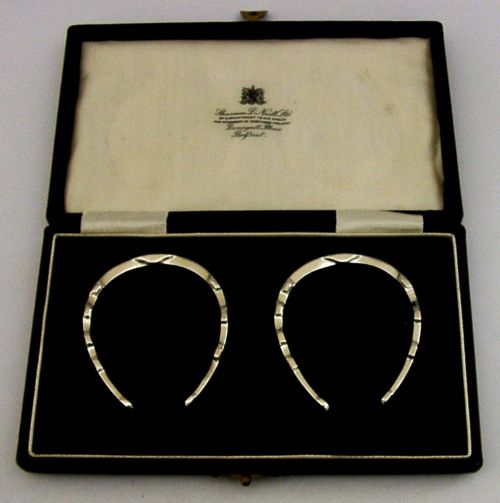
Several silver items take the form of lucky horseshoes, rowing boats, and novelty animals.
What varies in quality
Quality rests upon the crispness of the maker's mark and the precision of the silver fabrication, separating standard commercial production from workshop pieces with distinct artistic execution. Heavier gauge silver provides a substantial feel in the hand, whereas lighter items rely on hollow construction.
The integration of decorative elements, such as securely flush-set stones, evenly applied enamel, and well-fitted hinges on boxes, determines the overall standard of execution. Pieces retaining original fitted presentation cases demonstrate a higher degree of preservation from their period of origin.
Martin Hall & Co·Albert Edward Jones·R. E. Stone·Georg Jensen·Hermes, Paris·Randers Silver·C.T. Burrows & Sons·Wallace
The Vintage Sterling Ring Glossary
- Sterling silver
- A silver alloy containing 92.5 percent pure silver and 7.5 percent other metals, usually copper, to add durability. This standard is indicated by specific hallmarks stamped into the metal.
- Hallmark
- An official mark stamped onto silver items to guarantee the metal standard, the assay office, and the year of manufacture. These symbols allow collectors to date pieces precisely.
- Cabochon
- A gemstone shaped and polished with a smooth, rounded dome rather than faceted edges. This cut is common in vintage rings featuring moonstone or agate.
Vintage Sterling Ring: Frequently Asked Questions
How do I know my ring is sterling silver?
Look for stamped hallmarks on the inner band, which typically include a lion passant or standard fineness marks indicating the metal purity. Assay office symbols and date letters will also appear alongside the maker's mark.
Unmarked pieces require professional testing, as silver plating can mimic the appearance of solid sterling silver until the surface wears down.
How were antique trinket boxes used?
These small containers sat on dressing tables to hold rings, brooches, and daily personal ornaments. Lined interiors of velvet or silk protected delicate items from scratches.
Wealthy households utilised them in bedrooms and drawing rooms as both decorative objects and secure receptacles for small valuables.
How should I clean silver jewellery?
Use a soft microfiber cloth designed specifically for silver to remove everyday tarnish without scratching the metal. Avoid harsh chemical dips, particularly on pieces with stone settings or enamel.
Store items in a dry environment away from direct sunlight and humidity to slow down the natural oxidation process.
What defines Edwardian silver style?
Edwardian silver often incorporates light, graceful motifs inspired by garland styles, lace patterns, and eighteenth-century neoclassical designs. Makers favoured openwork and delicate piercing to create an airy aesthetic.
This period bridged the heavy ornamentation of the Victorian era and the geometric abstraction of the subsequent Art Deco movement.