




Vintage Sterling Figurine
These vintage sterling figurine pieces bring animal and novelty forms to desks and dressing tables through detailed silver work.
Vintage Sterling Figurine
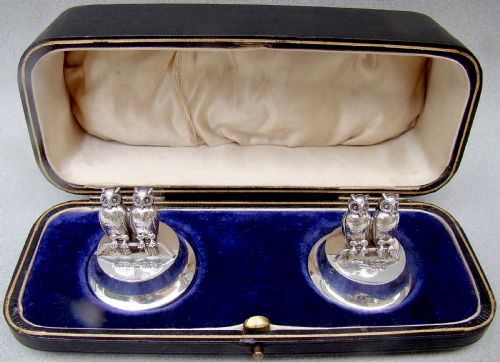
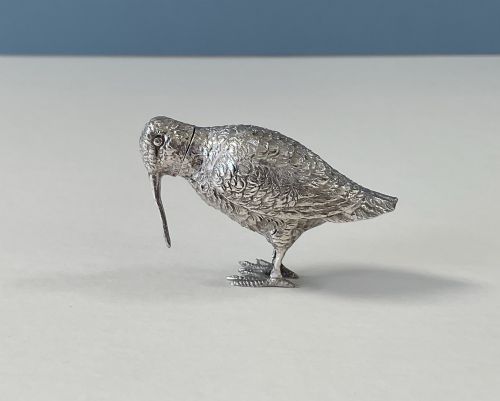
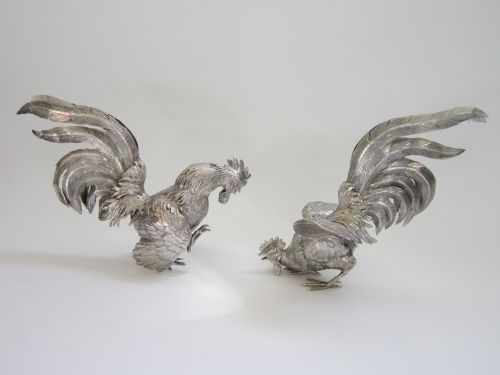
A vintage sterling figurine encompasses small decorative sculptures, novelty pin cushions, and table ornaments fashioned in silver. Collectors encounter various forms ranging from naturalistic birds and animals to mechanical figures and miniature street characters.
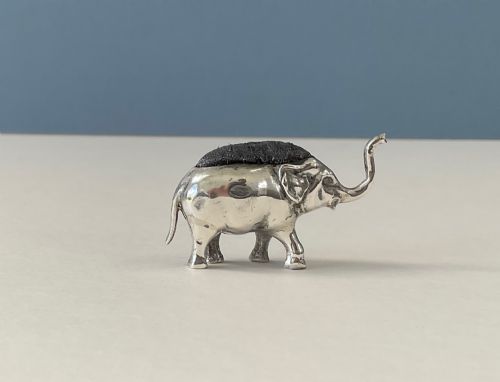
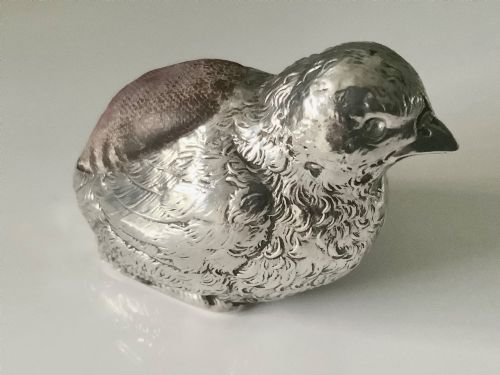
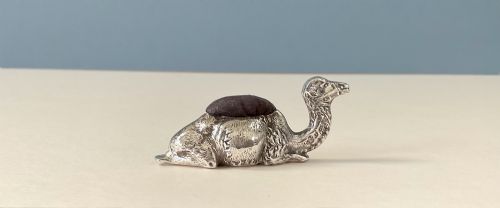
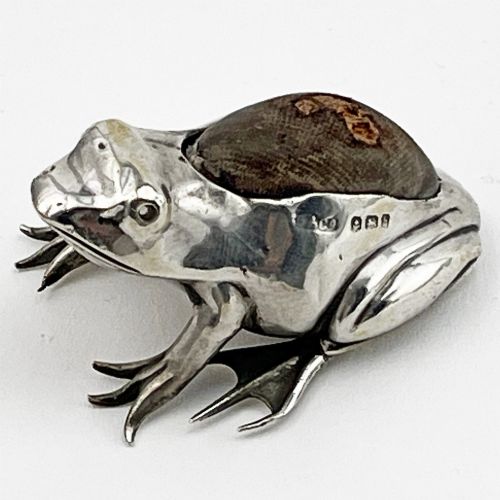
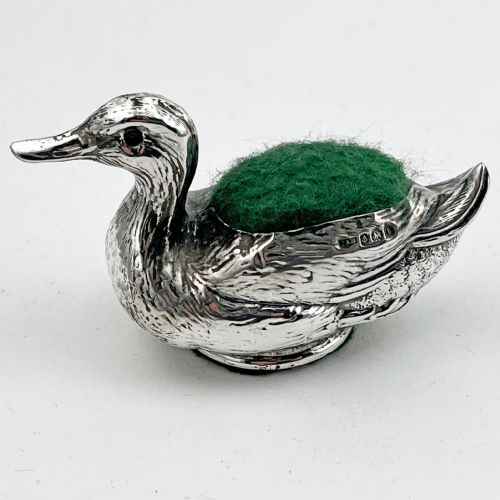
Pin cushions shaped as animals dominate the pieces seen on this page, originating predominantly from the Edwardian and Victorian periods. Makers also produced menu holders, pill boxes, pepper pots, and letter openers executed in sterling silver.
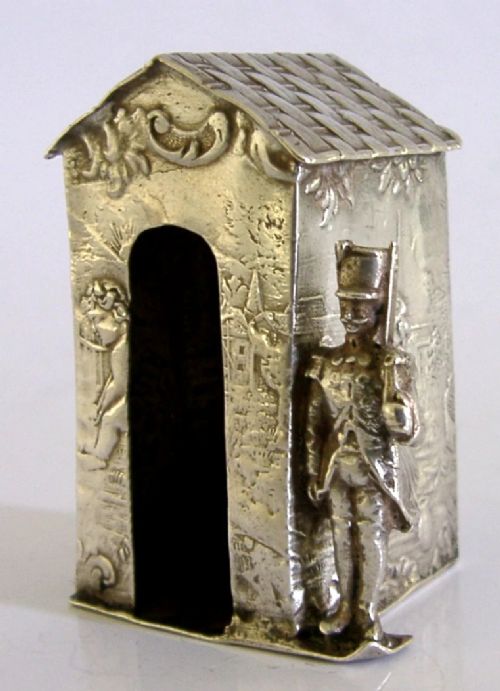
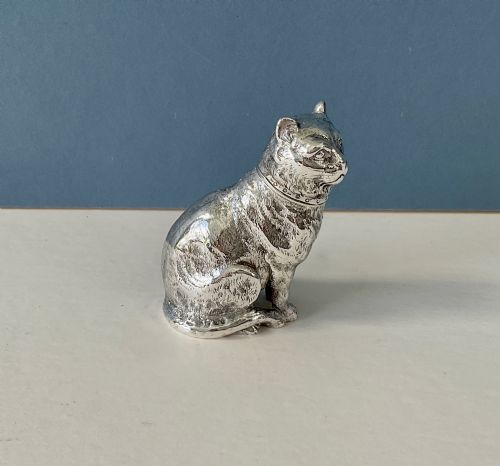
The objects combine domestic utility with sculptural whimsy, reflecting the Victorian and Edwardian taste for novelty silver. Figures include dogs, cats, birds, and military sentries mounted independently or upon plinths.
How they were made
Pin cushions incorporate internal wooden or weighted cores covered in velvet, silk, felt, leather, or fabric. Makers secured these textile elements within the silver shells to provide functional utility for pins and needles.
Vintage Sterling Figurine Retail Price Guide 2026
Typical asking prices for vintage sterling figurine among the pieces listed under this phrase on Sellingantiques today, from the lower quarter to the upper quarter. They describe what is for sale here now, not the wider market.
Silver frogs, pigs, and sentry box soldiers wait patiently on this page to guard your pins.
What varies in quality
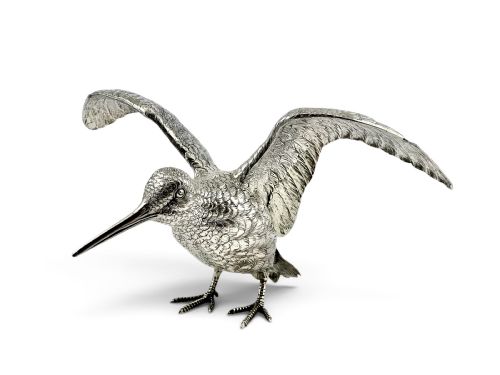
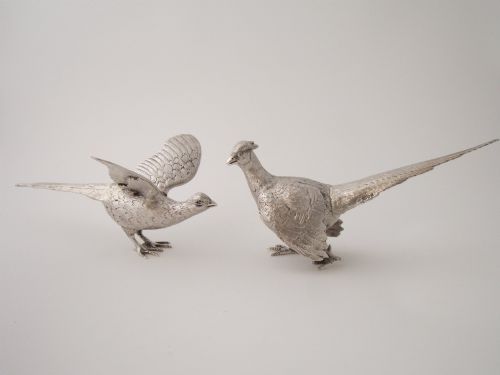
The fidelity of the animal anatomy and the crispness of the chased surface detail separate standard examples from finer works. Master silversmiths achieved realistic textures in feathers and fur that lesser castings lack.
The integrity of the interior padding and the retention of original textiles within pin cushions affect the overall condition and desirability of the object. Maker signatures, full hallmarks, and specific assay office marks also add distinction to individual figures.
Levi & Salaman·Sampson Mordan & Co.·Mario Bucellati
The Vintage Sterling Figurine Glossary
- Sterling silver
- A silver alloy containing ninety-two point five percent pure silver and seven point five percent other metals, usually copper. This standard composition provides the durability required for detailed miniature figures.
- Chasing
- A goldsmithing and silversmithing technique where metal is worked from the front with hammers and punches to sink the background and raise surface details. This method creates the fine lines of fur and plumage.
- Repoussé
- A metalworking method where the artisan hammers the reverse side of a sheet of metal to form a raised design in relief. It forms the primary hollow body shape before detailed chasing takes place.
- Hanau silver
- Silverware produced in the German town of Hanau by various workshops that specialised in antique styles and novelties. These pieces frequently emulate earlier historical periods and carry pseudo-hallmarks.
- Assay office
- An official body that tests the purity of precious metals and stamps items with hallmarks. British pieces display town marks and date letters indicating where and when they were tested.
Vintage Sterling Figurine: Frequently Asked Questions
What were vintage silver pin cushions used for?
These decorative objects served a practical purpose on dressing tables and sewing desks by holding pins and needles safely within fitted fabric cushions. Victorian and Edwardian households valued them as both functional items and charming desk ornaments.
Over time, their primary role shifted from sewing tools to collectable display pieces. Today, owners showcase them in cabinets or on tabletops as examples of miniature silver craftsmanship.
How do I identify an Edwardian silver figurine?
Edwardian pieces often feature hallmarks with specific date letters corresponding to the reign of King Edward VII between nineteen hundred and nineteen ten. Stylistically, they lean towards naturalistic animal novelties and whimsical domestic subjects.
Examining the underside for maker marks and assay office symbols helps confirm the production era. Comparing the casting sharpness against known period examples further clarifies the date.
Are these silver figurines solid?
Most of these miniature figures and animal models are hollow rather than solid cast silver. Silversmiths formed them using repoussé and sheet metal techniques to keep the weight and cost manageable.
Pin cushion variants require a hollow interior to accommodate the stuffed fabric insert. Some figures mount upon solid plinths made of wood or ebony for stability.
How should I clean antique sterling silver?
Clean antique sterling silver gently using a soft microfibre cloth and specialised silver polish designed for vintage items. Avoid abrasive materials that can wear away fine chased details on fur and feathers.
Keep polish away from any original fabric, velvet, or silk components used in the pin cushion inserts. Store the pieces in a dry environment to minimise tarnishing.