


Vintage Sterling Dish
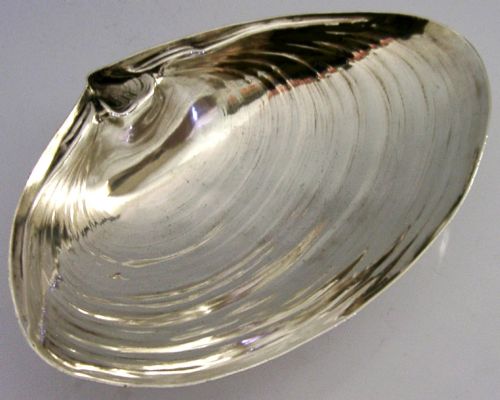
A vintage sterling dish brings together the quiet lustre of solid silver and the precise craft of early twentieth-century silversmiths.
Vintage Sterling Dish
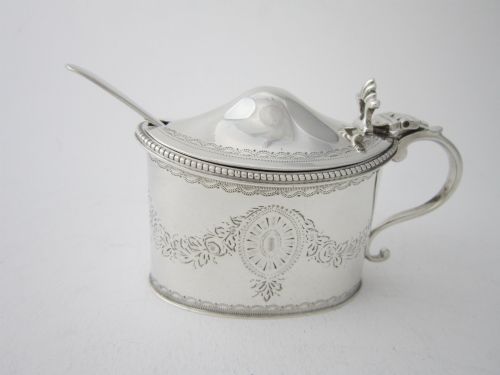
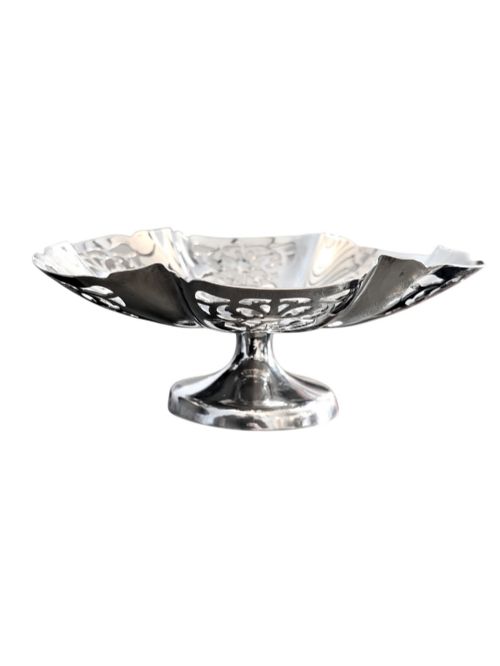
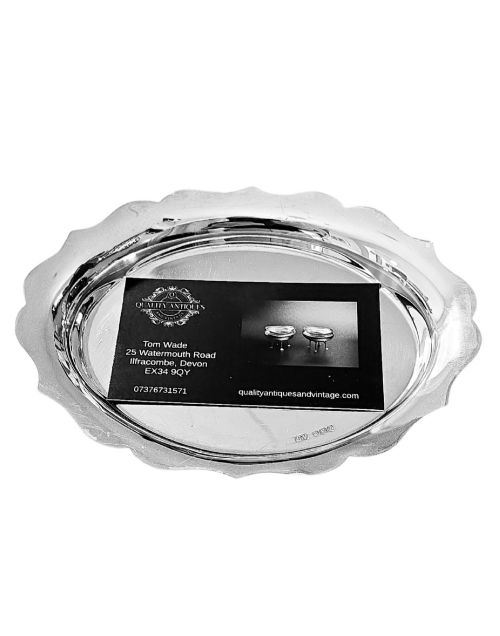
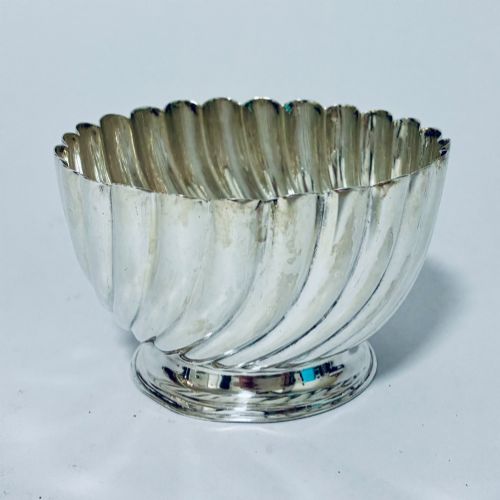
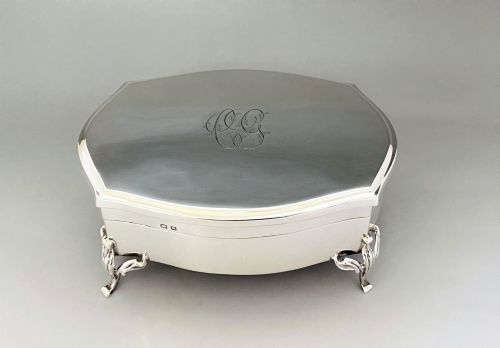
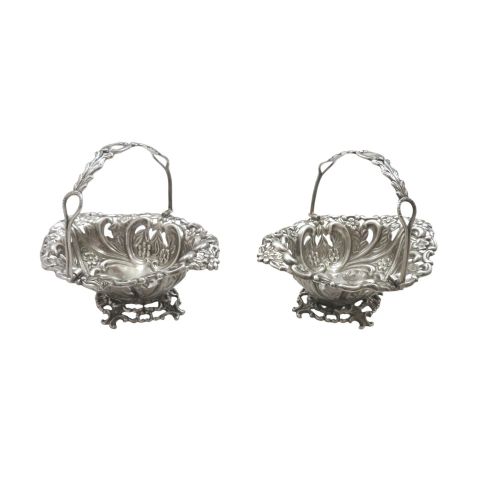
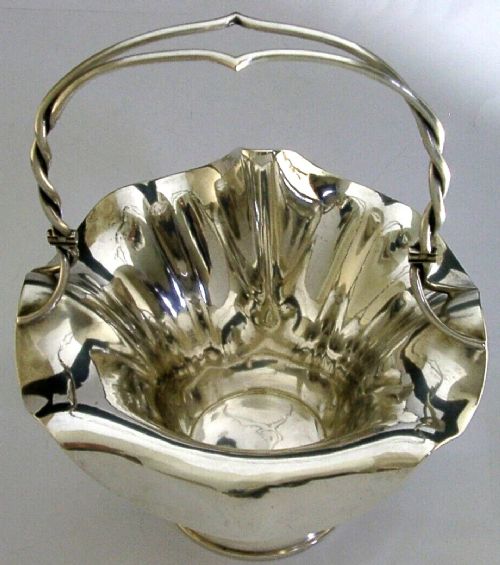
A vintage sterling dish encompasses a wide variety of domestic vessels, ranging from small trinket trays and butter dishes to larger centrepiece bowls, baskets, and tazzas.
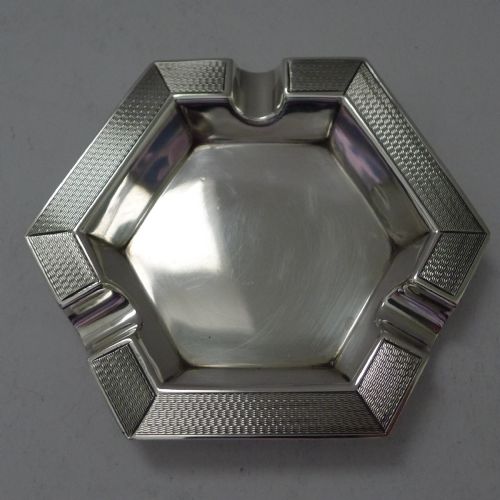
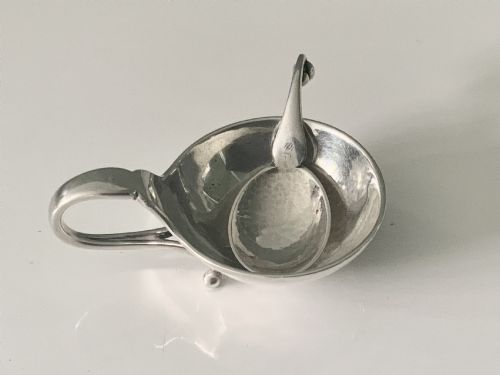
These items served diverse functional roles on dressing tables and dining rooms, functioning as card trays, ashtrays, salt cellars, and sweetmeat baskets.
Materials and Technique
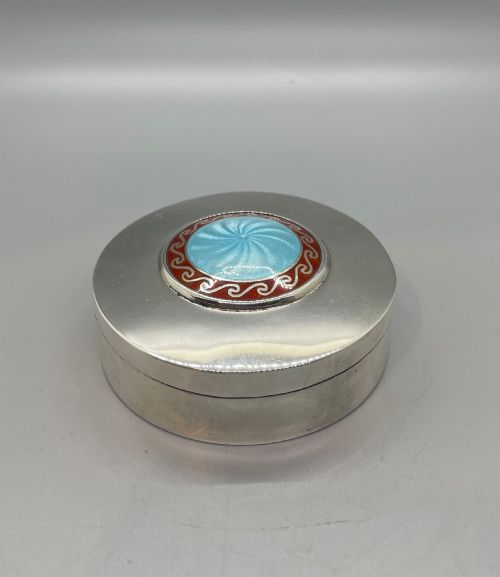
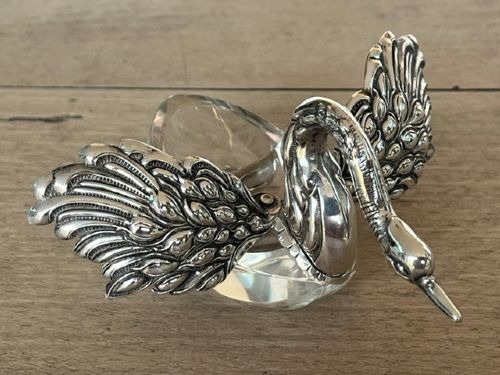
Silversmiths utilised solid sterling silver alongside decorative elements of coloured glass, guilloche enamel, velvet, and silk linings to create contrasting textures within lidded boxes and open dishes.
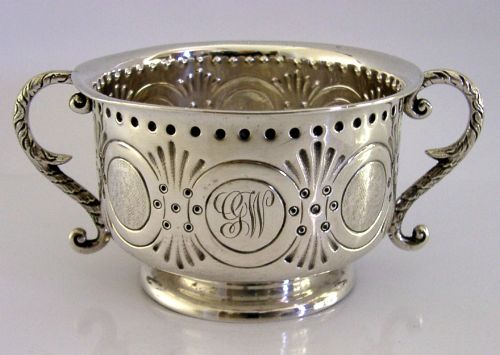
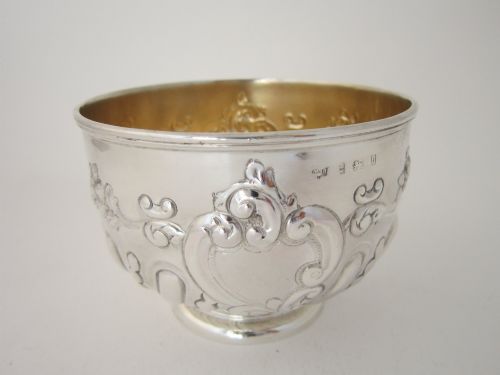
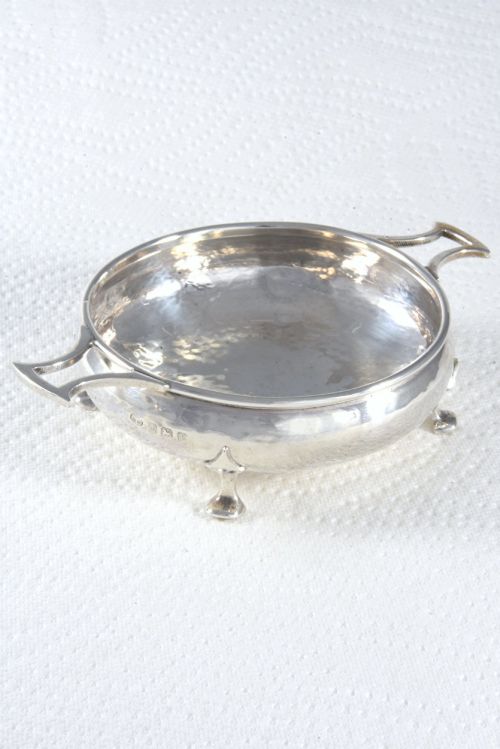
Techniques recorded across the listings include hand-hammered Arts and Crafts surfaces, pierced openwork galleries, and detailed foliate chasing applied to bowls, baskets, and hinged trinket boxes.
Vintage Sterling Dish Retail Price Guide 2026
Typical asking prices for vintage sterling dish among the pieces listed under this phrase on Sellingantiques today, from the lower quarter to the upper quarter. They describe what is for sale here now, not the wider market.
Distinctions in Execution
Quality rests upon the weight of the silver gauge, the crispness of chased or hammered surface details, and the integrity of any integrated glass liners or enamel panels.
The sophistication of the design, whether an elaborate Art Nouveau floral basket or a restrained Art Deco ashtray, dictates the distinction between standard domestic wares and exceptional studio pieces.
Emile Viner·Viners and Co·A. J. Pepper and Co·Walker and Hall·William Neale·Georg Jensen·Goldsmiths and Silversmiths Company·A. Bromet and Co·Barnards·Lee Yee Hing·John Hunt
The Vintage Sterling Dish Glossary
- Sterling silver
- An alloy containing 92.5 percent silver by mass, with the remainder consisting of copper or other metals to provide structural durability.
- Tazza
- A small, stemmed ornamental cup or shallow bowl raised on a foot, commonly used for serving sweets or displaying fruit.
- Guilloche enamel
- A decorative technique where a precise geometric pattern is mechanically engraved beneath a translucent layer of coloured enamel.
- Quaich
- A traditional two-handled shallow drinking vessel of Scottish origin, often adapted into small silver presentation bowls and dishes.
- Hallmark
- An official stamp applied by an assay office to indicate the purity of the metal, the maker, and the year of manufacture.
Vintage Sterling Dish: Frequently Asked Questions
What is a vintage sterling dish used for?
These vessels were historically manufactured for specific domestic tasks, such as presenting sweets, holding calling cards, or containing butter at the dining table.
Today, buyers frequently utilise smaller dishes and lidded boxes on dressing tables for jewellery, or display larger bowls and baskets as decorative table centerpieces.
How do I identify the date of a silver dish?
Dating relies heavily upon the official hallmarks stamped directly into the metal by assay offices in cities such as London, Birmingham, and Sheffield.
These marks typically include a date letter alongside maker's marks and standard fineness symbols, allowing accurate identification of the year of creation.
Can silver be combined with other materials?
Silversmiths frequently paired sterling silver with contrasting elements to enhance the visual appeal of hollowware and trinket boxes.
Common combinations visible on this page include cut or satin glass liners, colourful enamel panels, tortoiseshell insets, and silk or velvet interiors.
What is the difference between a tazza and a bowl?
A bowl is a simple open vessel resting directly upon a flat base or surface, designed for general holding or serving.
A tazza is elevated on a distinct central foot or pedestal, giving the piece height and presence as a decorative display dish.