




Vintage Sterling Creamer
These vintage sterling creamer examples are silver vessels for serving milk at table, prized for their craftsmanship and period form.
Vintage Sterling Creamer
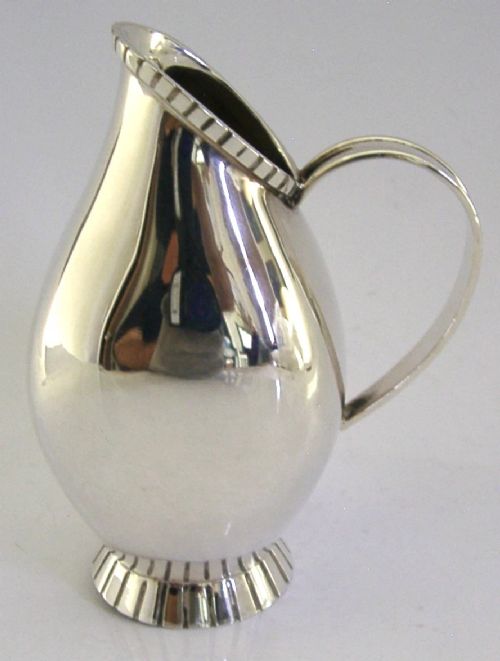
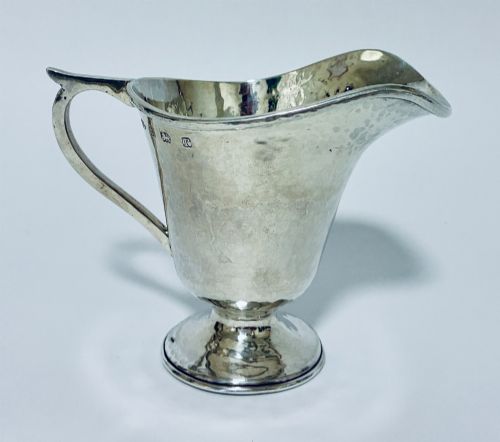
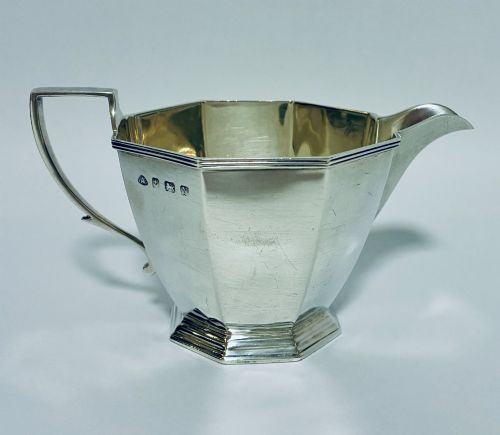
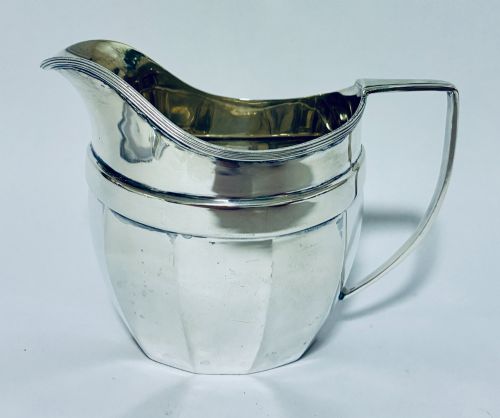
When you search for vintage sterling creamer, you are looking at small silver vessels designed for pouring milk or cream at tea and coffee services. The pieces found here span multiple eras, including Victorian, Edwardian, and earlier periods, reflecting the shifting tastes of dining culture.
The selection ranges from simple domestic milk jugs to specialised pieces like the figural cow creamer. Origin and period dictate the exact form, linking each item to its specific era of manufacture.
How they were made
Makers shaped these items from sterling silver and silver using traditional metalworking techniques. Silversmiths hammered, cast, and soldered the metal to achieve the desired hollowware forms.
Decoration was applied through hand-chasing, embossing, and engraved detailing, reflecting stylistic movements from Rococo curves to clean Art Deco lines. Handles and feet were often cast separately and attached securely to the body.
Vintage Sterling Creamer Retail Price Guide 2026
Typical asking prices for vintage sterling creamer among the pieces listed under this phrase on Sellingantiques today, from the lower quarter to the upper quarter. They describe what is for sale here now, not the wider market.
The charming Italian silver cow creamer provides milk through its mouth while you lift its hinged back to pour.
What varies in quality
Quality rests primarily on the crispness of the original chasing and the weight of the silver used in construction. Substantial gauge metal ensures durability and a better hand feel.
The reputation of the maker and the clarity of the hallmarks also separate standard domestic pieces from finer workshop productions. Better examples display clean solder joints and balanced proportions.
George Unite·Robert Pringle & Sons
The Vintage Sterling Creamer Glossary
- Sterling silver
- A silver alloy containing 92.5 percent pure silver by mass, with the remainder consisting of other metals. This standard ensures both durability and a bright finish suitable for tableware.
- Hallmark
- An official stamp applied to precious metals indicating standard of purity, maker, and year of assay. These marks provide the primary evidence for dating an item.
- Hollowware
- Tableware items such as kettles, teapots, and cream jugs that are hollow rather than solid. Silversmiths construct these pieces from sheet metal or through casting.
- Chasing
- A metalworking technique where the smith pushes metal from the front using punches and hammers to create a raised design. This creates surface texture without removing metal.
- Cow creamer
- A novelty silver container shaped like a bovine, with a hinged lid on the back and a tail forming the handle. These pieces gained popularity in the eighteenth century and continued into later eras.
Vintage Sterling Creamer: Frequently Asked Questions
How do I date a silver creamer?
Examine the hallmarks stamped on the base or rim of the vessel, which typically include assay office symbols and date letters. Comparing these marks against official registers reveals the exact year and city of manufacture.
Stylistic cues such as handle shape and decorative motifs also provide strong indications of the period, from Georgian curves to later geometric designs.
What is the difference between a milk jug and a creamer?
The terms are often used interchangeably to describe small silver vessels designed for pouring dairy at the tea table. Historically, milk jugs sometimes accommodated larger volumes while creamers held richer cream.
Both serve the same functional purpose within domestic tableware sets, varying mainly in capacity and proportions rather than basic usage.
How should I clean antique silver?
Use a specialised silver polish and a soft cloth, rubbing gently in straight lines rather than circles to preserve the metal finish. Avoid harsh abrasive compounds that can wear away delicate hand-chased details and thin plating.
Wash the vessel in warm soapy water and dry it thoroughly after polishing to remove any remaining residue from the surface.
Can I use these creamers for daily dining?
Sterling silver is durable enough for regular table use provided you handle the vessels with reasonable care. Wash them by hand immediately after use rather than placing them in a mechanical dishwasher.
Allowing milk to dry inside the vessel can tarnish the interior, so prompt cleaning preserves both the silver surface and the interior lining.