




Vintage Sterling Chain Bracelet
A vintage sterling chain bracelet brings solid silver work and classic link design to the wrist, offering lasting metal and wearable history.
Vintage Sterling Chain Bracelet
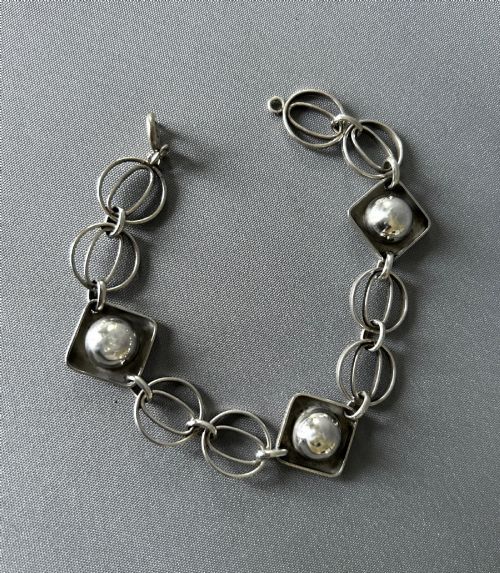
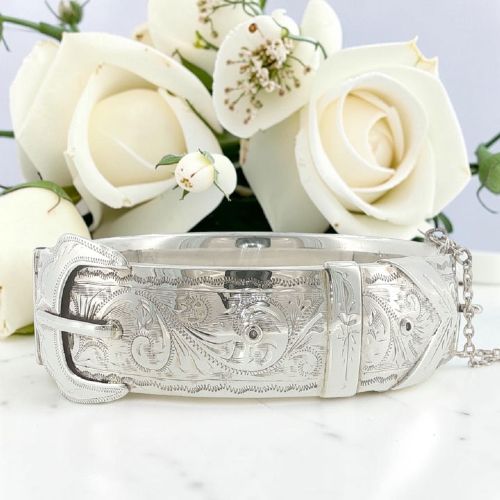
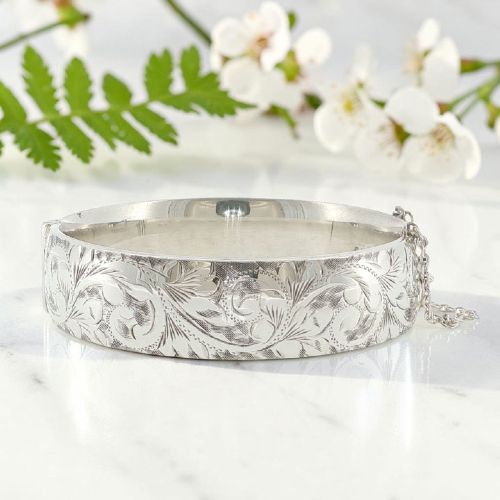
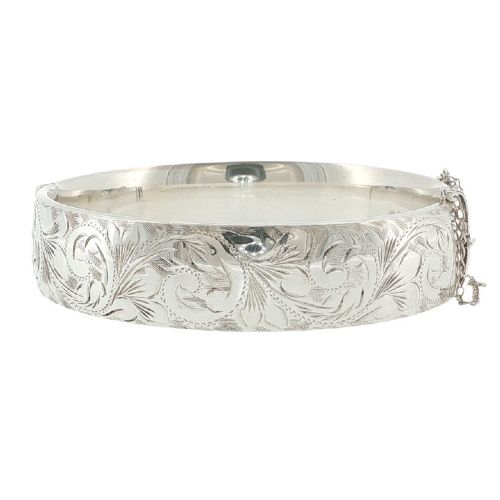
A vintage sterling chain bracelet encompasses flexible link designs and rigid hinged bangles fashioned from solid silver. The selections on this page span the Victorian era, the arts and crafts movement, art deco, and mid-century modern Scandinavian and Portuguese styles.
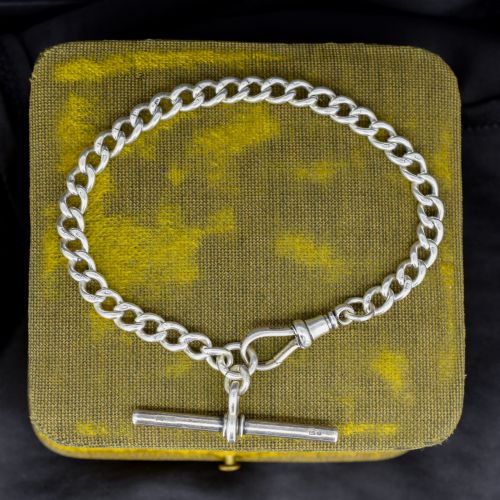
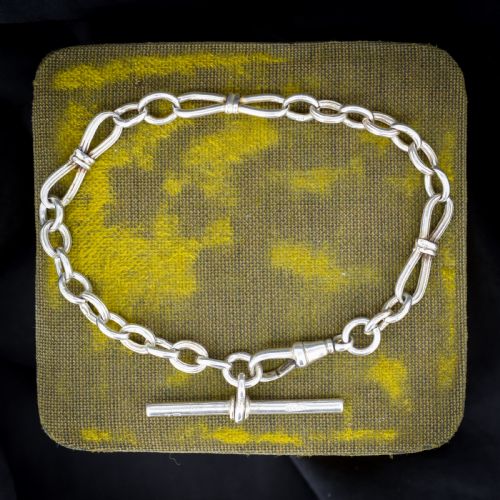
Buyers encounter items ranging from fancy link bracelets featuring dog clips and t-bar drops to hand-engraved bangles and blue enamel pieces. These ornaments reflect diverse periods including nineteen fifty, nineteen sixty, and nineteen hundred.
How they were made
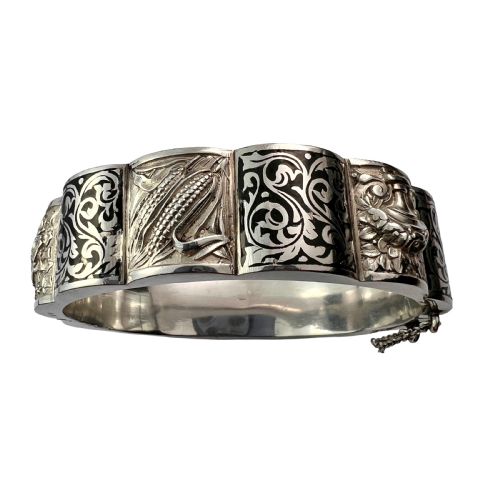
Makers shaped these pieces using solid silver and sterling silver, sometimes incorporating vitreous enamel and niello for added colour and contrast. Crystal also appears among the material details recorded in the evidence.
Craftsmen applied hand engraving and hinged construction to create secure bangles and flexible bracelets. Hallmarks from cities such as London and Birmingham anchor the manufacturing provenance on specific items.
Vintage Sterling Chain Bracelet Retail Price Guide 2026
Typical asking prices for vintage sterling chain bracelet among the pieces listed under this phrase on Sellingantiques today, from the lower quarter to the upper quarter. They describe what is for sale here now, not the wider market.
A family friendship bracelet offers a quiet nod to past companionship, fashioned entirely in solid silver without needing grand pretensions.
What varies in quality
The standard of a vintage sterling chain bracelet rests on the crispness of its hand engraving and the structural integrity of links, hinges, and clasps like dog clips. Pieces bearing clear assays and maker attribution demonstrate distinct standards of period craftsmanship.
The application of decorative elements such as blue enamel or niello dictates the refinement of the finished piece. Greater attention to detail in the links and structural fastenings separates standard workshop output from exceptional examples.
Georg Jensen·Walker And Hall·Topazio
The Vintage Sterling Chain Bracelet Glossary
- Sterling Silver
- An alloy of silver containing ninety-two point five percent pure silver and seven point five percent other metals, usually copper. This standard composition guarantees durability for everyday wear.
- Dog Clip
- A snap hook fastener featuring a spring-loaded gate, commonly found on Victorian watch chains and bracelets. It secures the ends of a link bracelet reliably.
- T-bar
- A small metal bar attached to a chain drop, historically used to anchor a pocket watch through a waistcoat buttonhole. On bracelets, it serves as a decorative toggle fastening.
- Vitreous Enamel
- Glass powder fused to a metal surface through high-temperature firing to produce a glossy, coloured decoration. Arts and crafts pieces often utilise this technique for rich blue hues.
- Niello
- A black metallic alloy used as an inlay on engraved silver surfaces. It highlights intricate patterns by creating strong contrast against the polished silver background.
Vintage Sterling Chain Bracelet: Frequently Asked Questions
What periods do these bracelets represent?
The pieces span multiple eras, including Victorian, arts and crafts, art deco, and mid-century modern styles.
Dates range from nineteen hundred through the nineteen fifties and nineteen sixties, reflecting changing design aesthetics.
How do I secure a dog clip fastening?
A dog clip operates via a spring-loaded thumb lever that opens an inward-facing gate for attachment to a ring or loop.
This mechanism provides a secure hold for heavy sterling silver link bracelets during daily wear.
What is a t-bar drop used for?
The t-bar is a decorative toggle element that hangs from a short chain section attached to the main bracelet body.
Historically rooted in watch chains, it provides a distinctive Victorian silhouette to fancy link bracelets.
Are these pieces marked with hallmarks?
Several pieces feature verifiable assay office details, including stamps from London and Birmingham alongside maker attributions.
These marks help establish the year of creation and the silver standard utilised by the silversmith.