

Vintage Sterling Bowl
When you handle a vintage sterling bowl, you hold domestic silver shaped by Edwardian elegance, Art Deco lines and mid-century modernism.
Vintage Sterling Bowl
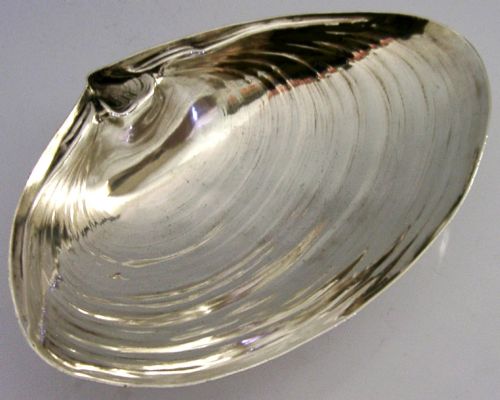
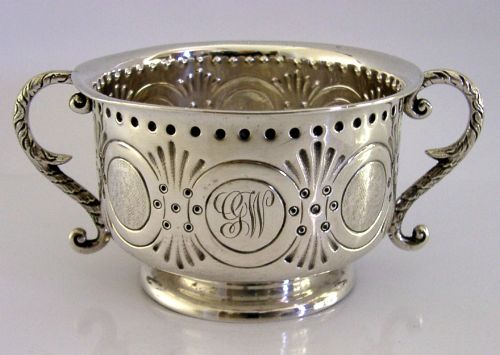
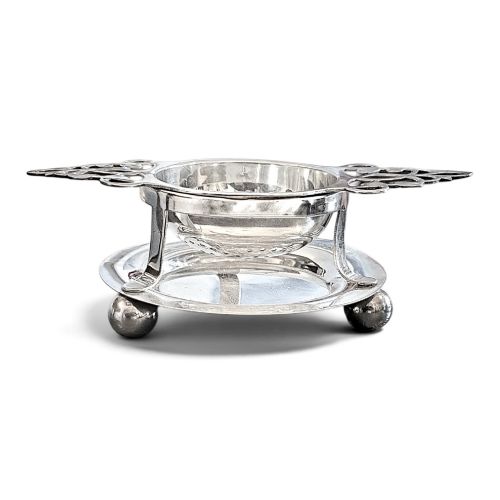
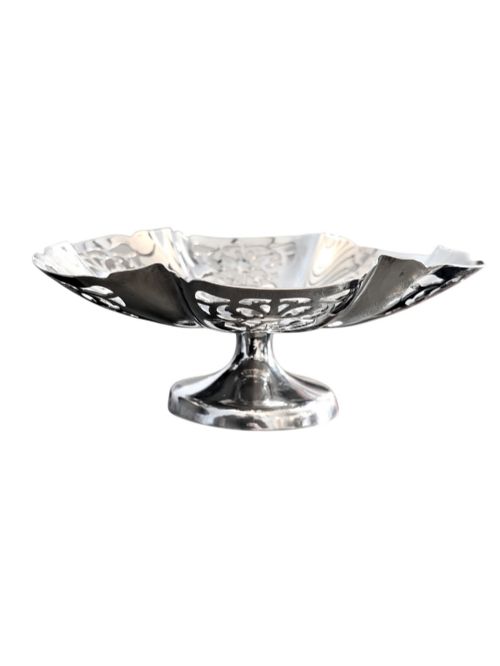
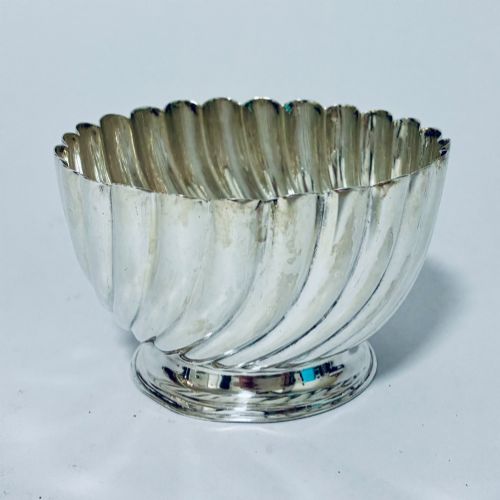
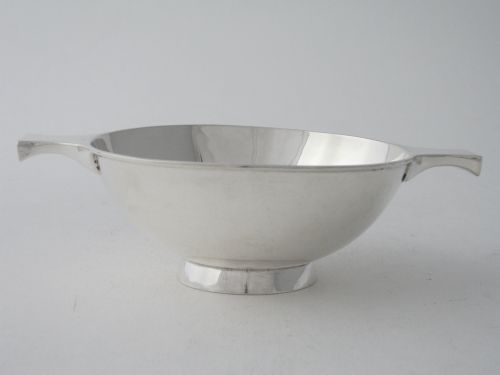
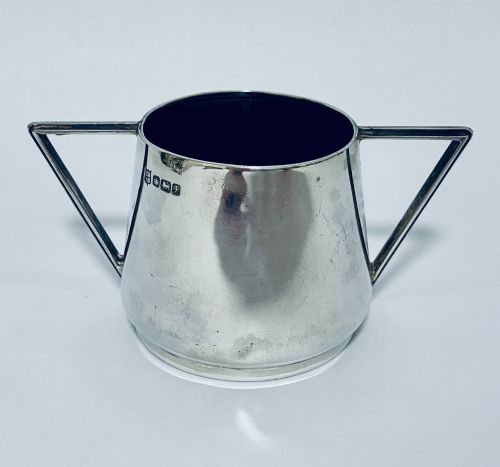
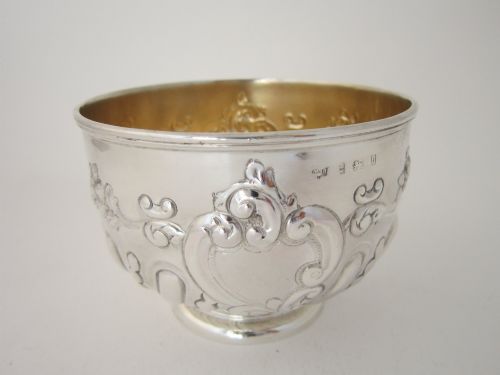
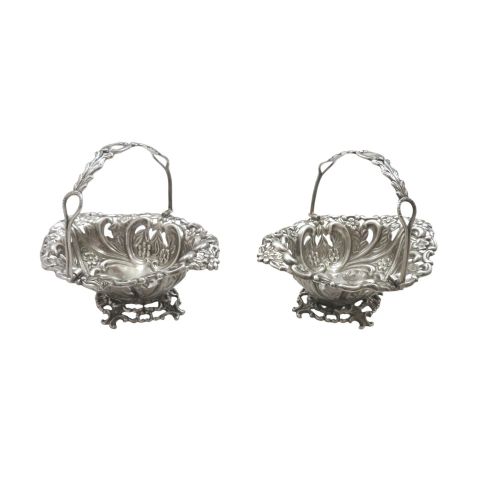
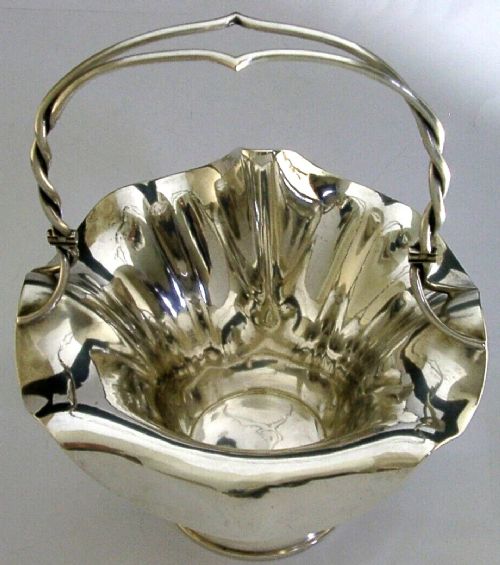
A vintage sterling bowl encompasses a wide array of domestic silver vessels spanning from early twentieth-century Edwardian designs through to the mid-century decades. The selection includes decorative bowls, bonbon dishes, quaich cups, baskets, and trinket dishes fashioned in sterling silver and solid silver.
Makers utilised various supplementary materials alongside the metal, incorporating glass, enamel, leather, velvet, and silver gilt. Pieces frequently display distinct period characteristics from the George V, Art Nouveau, Arts and Crafts, and Art Deco movements.
Buyers encounter forms ranging from heavy planished presentation pieces to simple sugar bowls and butter dishes with fitted glass liners. Scottish and Anglo-Indian variants appear alongside standard English hallmarked examples from regional assay offices.
How they were made
Silversmiths shaped these vessels using traditional methods of raising, spinning, and casting sterling silver, often finishing surfaces with visible hand-hammered or planished marks that reflect Arts and Crafts ideals. Articles combining metal with glass or enamel required specialised fitting techniques to secure delicate blue enamel panels and cut-glass body sections.
Assay offices in London, Sheffield, Edinburgh, and Birmingham stamped completed pieces with hallmarks denoting the standard of silver, the year of production, and the specific maker. Details such as engraved handles and cast scrollwork demonstrate the manual skill applied to functional tableware.
Vintage Sterling Bowl Retail Price Guide 2026
Typical asking prices for vintage sterling bowl among the pieces listed under this phrase on Sellingantiques today, from the lower quarter to the upper quarter. They describe what is for sale here now, not the wider market.
Listings feature sterling silver vessels spanning the Edwardian era through the 1960s, incorporating glass, enamel, and leather materials.
What varies in quality
Weight and gauge distinguish standard domestic vessels from heavier presentation pieces, with substantial gram weights indicating greater material investment and structural solidity. The crispness of planishing marks, the precision of chased engraving, and the intact survival of enamel or glass components govern overall merit.
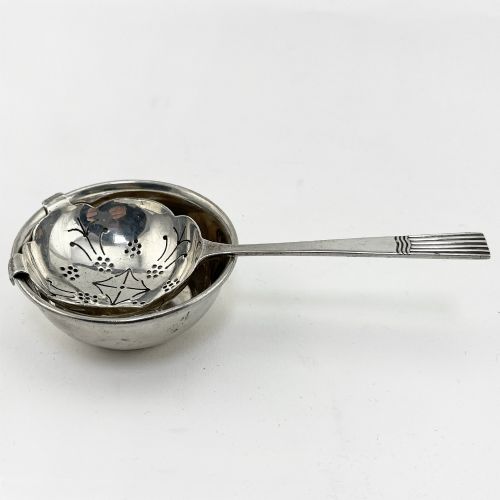
The reputation of the silversmithing firm and the clarity of regional assay hallmarks add historical weight to a vessel. Well-preserved original casing and matching auxiliary items like spoons elevate the integrity of a piece within its period category.
Viners and Co·Hammond Turner and Sons·R E Stone·Georg Jensen·Goldsmiths and Silversmiths Company·Wallace·Hamilton and Inches
The Vintage Sterling Bowl Glossary
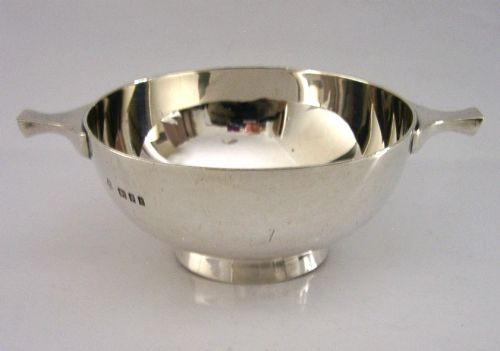
- Quaich
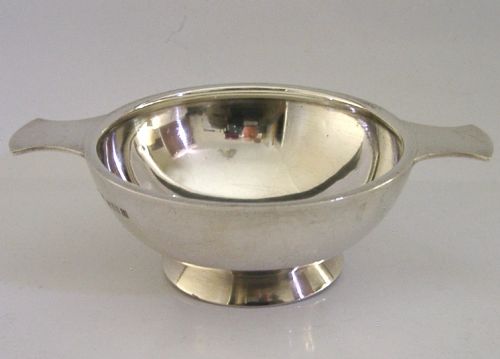
- A traditional Scottish drinking vessel featuring two flat handles, often adapted as a small bowl or presentation piece in silver.
- Planishing
- A silversmithing technique involving systematic light hammering to smooth metal while leaving subtle, light-reflecting facets across the surface.
- Bonbon dish
- A small, decorative footed bowl or tazza designed specifically to hold sweets or confectionery on a table.
- Hallmark
- An official stamp applied by an assay office confirming the fineness of the silver metal alongside the date and maker's mark.
- Tazza
- An ornamental pedestal plate or shallow bowl raised upon a central foot or stem.
Vintage Sterling Bowl: Frequently Asked Questions
What is a sterling silver bowl used for?
These vessels served diverse domestic functions, ranging from holding sugar and butter at the dining table to presenting bonbons or displaying visiting cards in a hallway.
Many examples were also created as commemorative presentation pieces or christening bowls, designed for both practical utility and decorative display.
How do I know if my bowl is sterling silver?
Examine the surface for official hallmarks stamped into the metal, which typically include a standard mark such as a lion passant for British sterling.
These marks identify the metal purity alongside the assay office and the year of manufacture, distinguishing solid silver from plated alternatives.
How do I care for a vintage silver bowl?
Maintain the finish by washing the vessel gently in warm, soapy water using a soft cloth, avoiding harsh abrasive cleaners that scratch the silver.
Store the piece in a dry environment and polish it infrequently with a dedicated silver cloth to preserve the natural lustre and any delicate planished details.
How can I tell the period of a silver bowl?
The assay date letter within the hallmark provides the exact year of manufacture, allowing you to trace the piece precisely to eras like the Edwardian period or the Art Deco decade.
Stylistic elements such as heavy cast ornament, geometric lines, or hammered surfaces also offer strong visual clues to the era of production.