



Vintage Steamship Artwork
These vintage steamship artwork pieces capture maritime history on paper, canvas, and wood from the nineteenth century onward.
Vintage Steamship Artwork
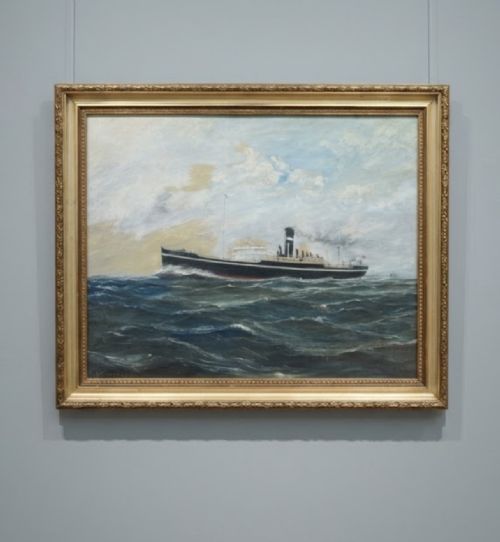
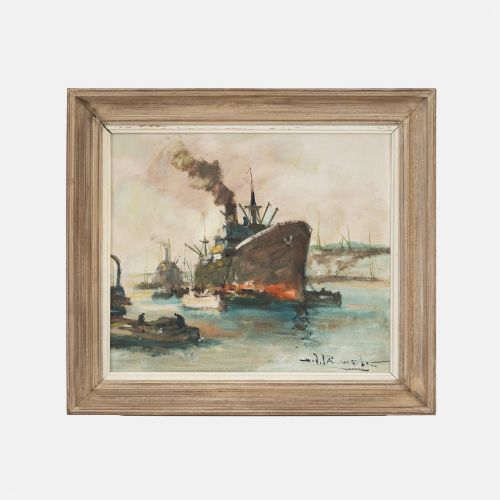
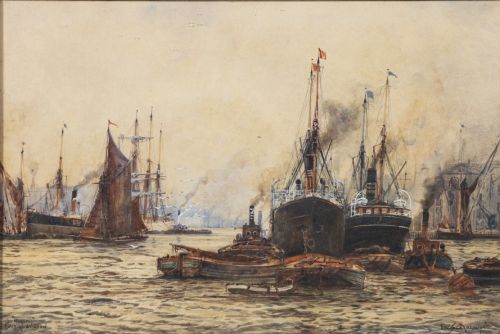
When you search for vintage steamship artwork, you encounter marine paintings, watercolours, and lithographs depicting vessels from the nineteenth and twentieth centuries. These works record specific ships like the S.S. Bregonian and the RMS Lusitania, alongside panoramic views of ports and rivers.
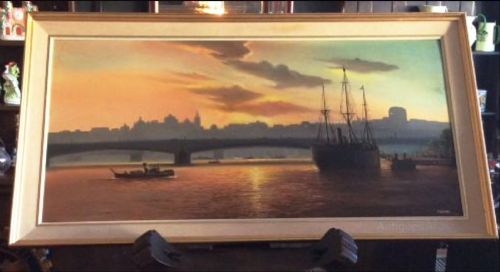
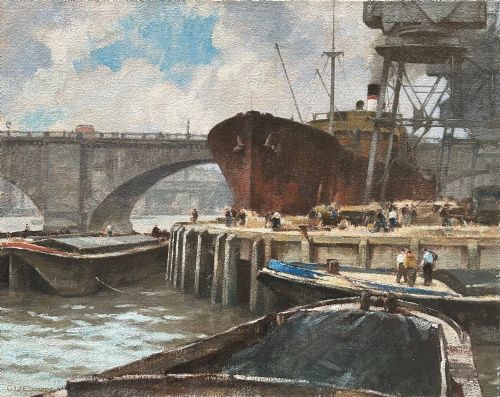
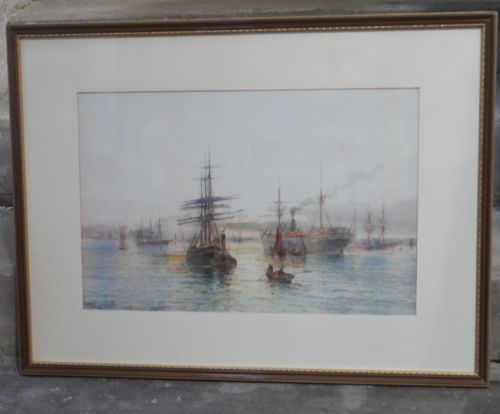
You are most likely to meet Edwardian watercolours and oils on canvas showing steamships in rough waters or docked near London bridges. The selection includes individual port portraits and broader maritime scenes created across various decades.
How they were made
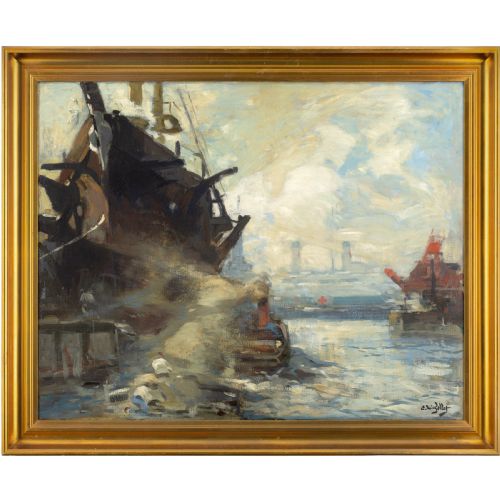
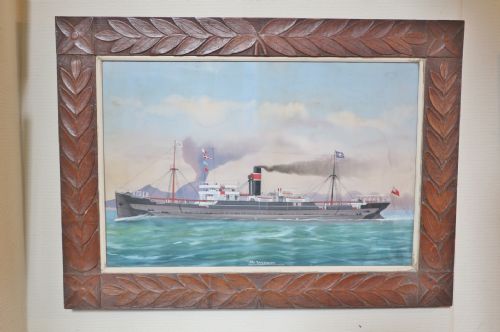
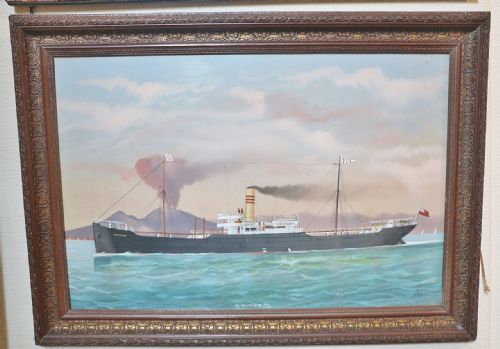
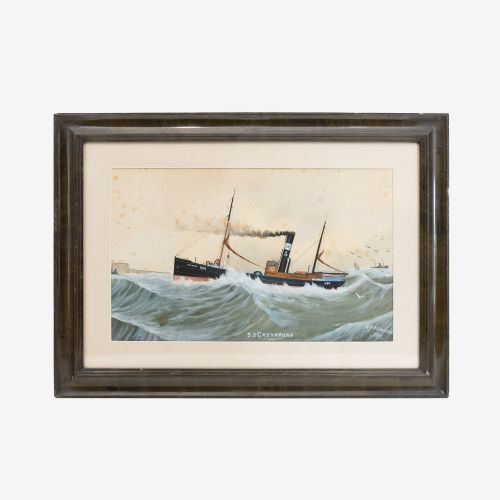
Artists applied oil paint to canvas, wood, or cardboard, building up heavy seas and smoke from funnels with visible brushwork. Others utilised watercolour and gouache on paper to render detailed ship portraits and atmospheric river scenes.
Many surviving pieces retain their original frames, sometimes incorporating gilt finishes or glass protection to preserve the delicate paper works.
Vintage Steamship Artwork Retail Price Guide 2026
Typical asking prices for vintage steamship artwork among the pieces listed under this phrase on Sellingantiques today, from the lower quarter to the upper quarter. They describe what is for sale here now, not the wider market.
Materials employed by the artists include oil on canvas, watercolour, gouache, paper, wood, glass, and gilt.
What varies in quality
Quality rests in the precision of the vessel's rigging and hull proportions relative to the surrounding sea and sky. Works by named marine artists demonstrate a surer command of light and atmospheric perspective than anonymous commercial outputs.
The immediacy of the brushwork and the condition of the original support material differentiate standard port records from more accomplished maritime compositions.
Eugène-Louis Gillot·Frank William Scarbrough·Cyril Walduck Edwards·Alexander Harwood·James Scrimgeour Mann·Johan Jens Neumann
The Vintage Steamship Artwork Glossary
- Watercolour
- A painting method where fine pigment is mixed with water-soluble binders on paper. It allows for translucent washes suited to coastal skies and river mist.
- Gouache
- An opaque water-based paint often combined with watercolour in maritime works to add highlights of white foam and ship superstructures.
- Lithograph
- A print produced from a stone or metal plate, enabling multiple impressions of popular ship subjects.
- Pierhead painting
- A specific genre of ship portraiture commissioned by captains or owners to record a vessel accurately at a particular port.
Vintage Steamship Artwork: Frequently Asked Questions
What periods do these pieces date from?
The works span from the nineteenth century through the Edwardian era and into the mid-twentieth century. Most examples cluster around 1900 and the 1910s.
Interwar and post-war decades also appear, reflecting the active operational years of the steamships depicted.
How do I identify a specific ship?
Artists often inscribed the vessel's name directly onto the mount, canvas, or within the title recorded on the frame. Names like the S.S. Westfield or RMS Queen Mary appear alongside specific port locations.
Details such as funnel colours and company house flags offer further historical clues.
Where were these maritime scenes usually painted?
Many compositions focus on British waterways, particularly the River Thames around London Bridge and the Pool of London. Other pieces record international locations including Italian coasts, Copenhagen harbour, and Neapolitan piers.
Artists frequently positioned themselves at busy commercial ports to capture vessels leaving or entering harbour.
How should I frame and display watercolours?
Watercolours on paper require acid-free mounts and framing behind glass to prevent fading and moisture damage. Keeping them away from direct sunlight preserves the original pigments.
Oil paintings on canvas need stable humidity levels to protect the paint layer from cracking over time.