


Vintage Standing Lamp Shade
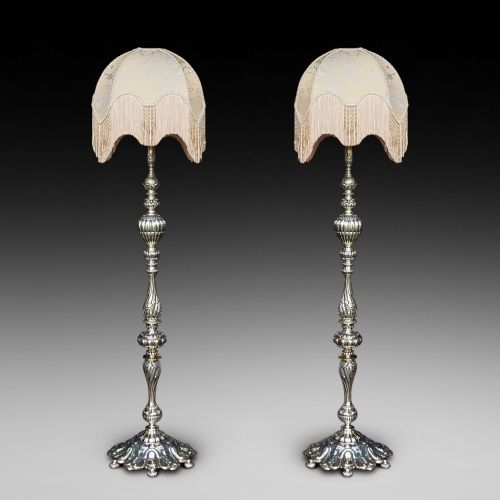
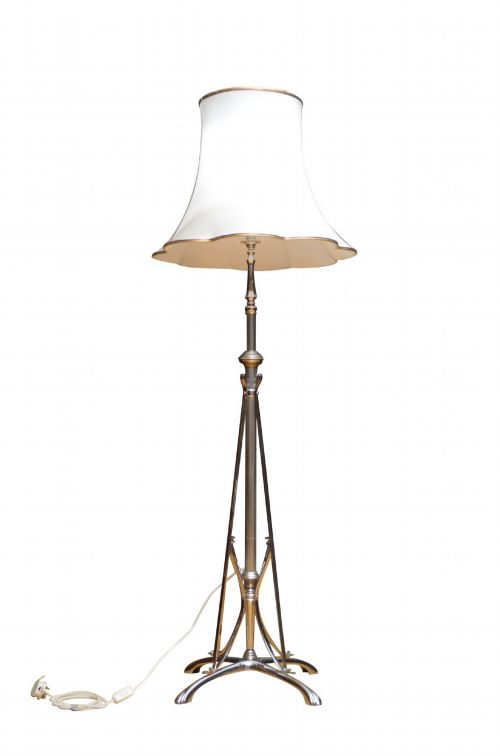
These vintage standing lamp shade options bring period illumination to a corner, combining brass, fabric and carved wood.
Vintage Standing Lamp Shade
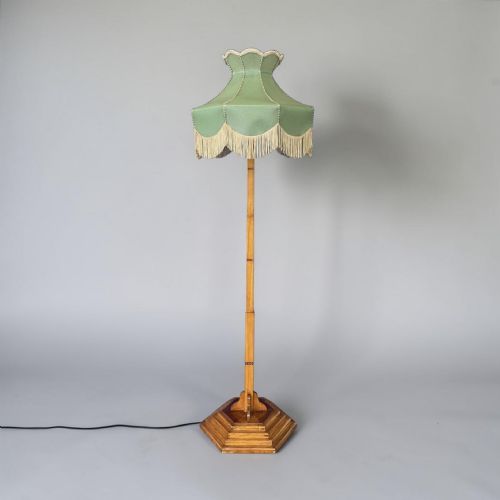
A vintage standing lamp shade search gathers floor-standing lighting fixtures from the Victorian, Edwardian and Art Deco periods, alongside earlier 19th-century designs. These pieces range from telescopic brass standard oil lamps to chrome floor lamps and giltwood standards.
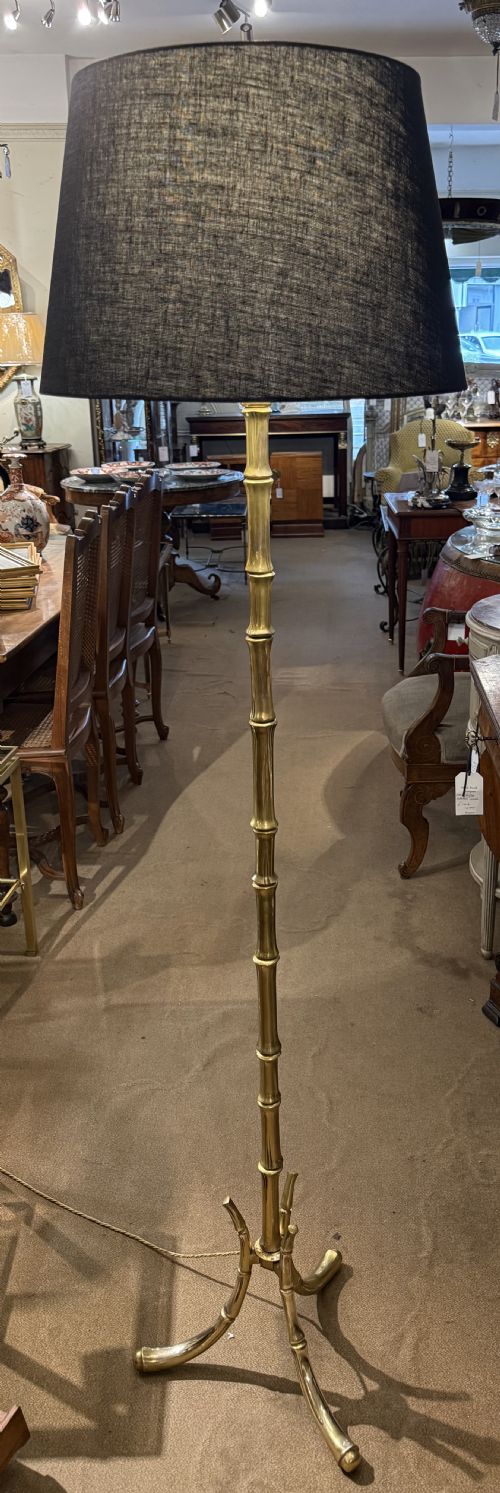
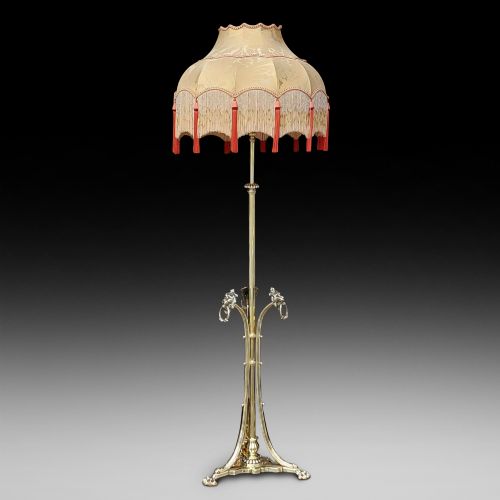
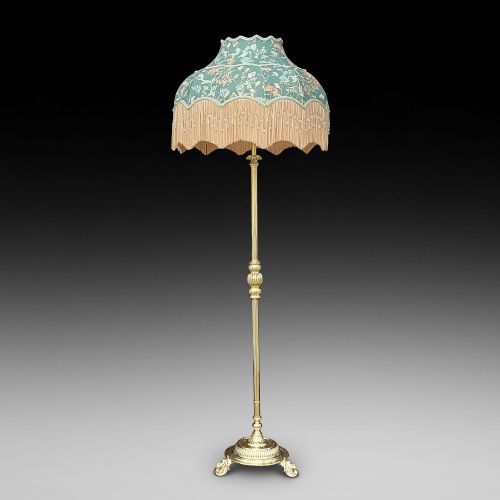
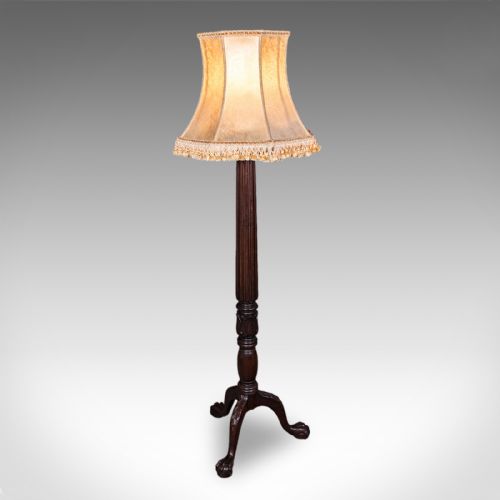
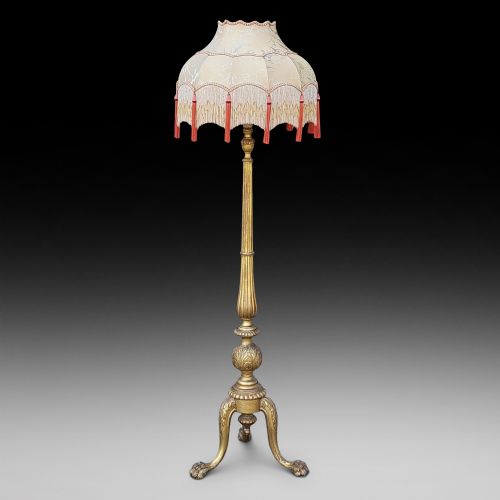
Buyers most frequently encounter brass standard lamps from the early 20th century and the 1920s, often featuring adjustable arms, scroll work or tripod bases. Mahogany, wrought iron and giltwood examples also appear across the selection.
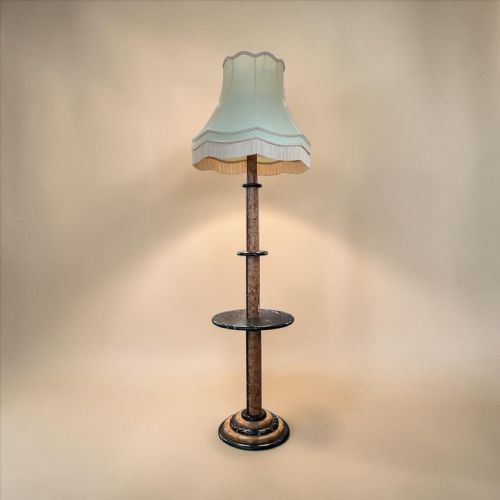
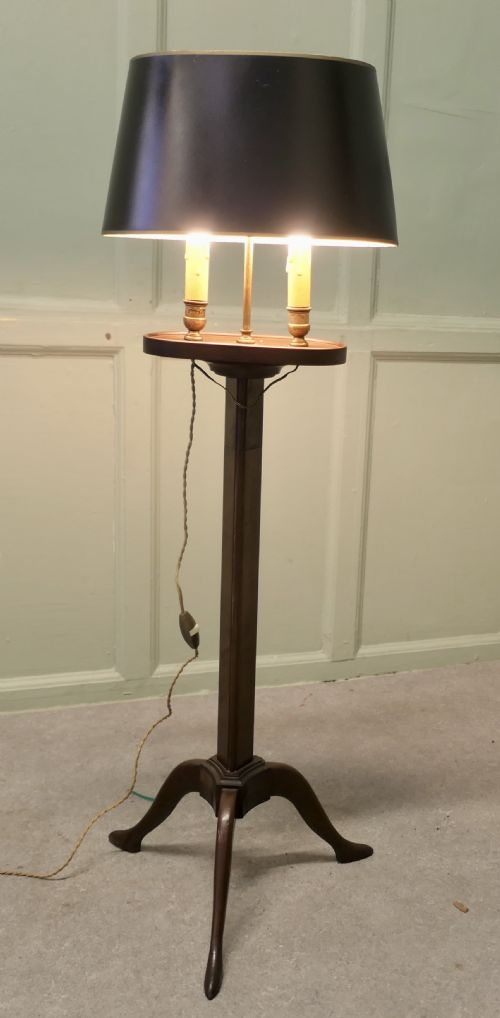
The inventory includes specialised forms such as torchiere uplighters, bouillotte twin candle lamps and standard lamp tables combining marble or wood with tall columns. Many pieces retain period shades in fabric and glass.
Materials and construction
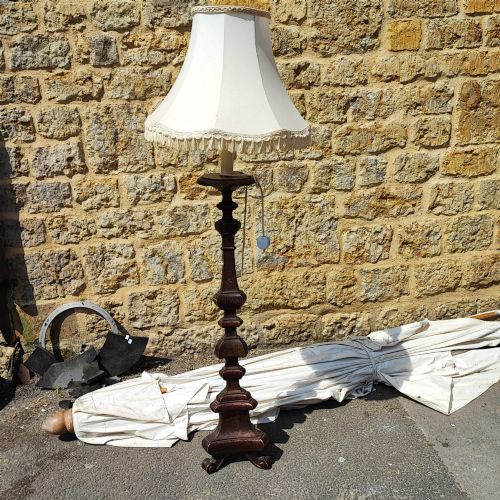
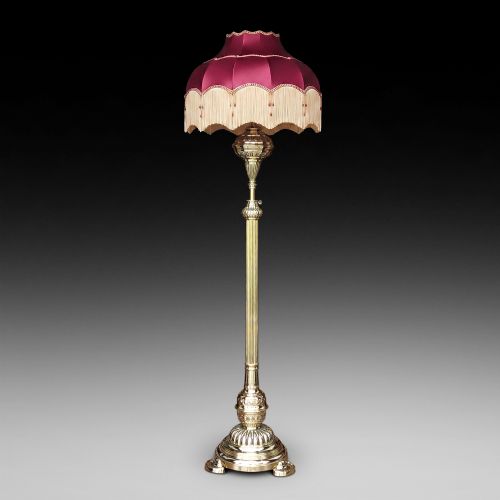
Makers utilised cast and spun brass extensively for columns and bases, often incorporating telescopic mechanisms for height adjustment. Wrought iron, solid mahogany and carved giltwood provide heavier structural alternatives.
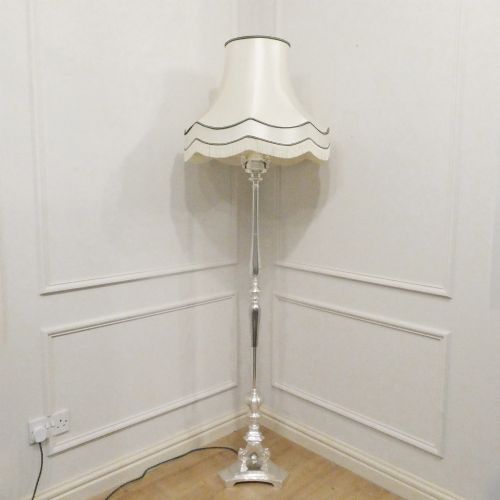
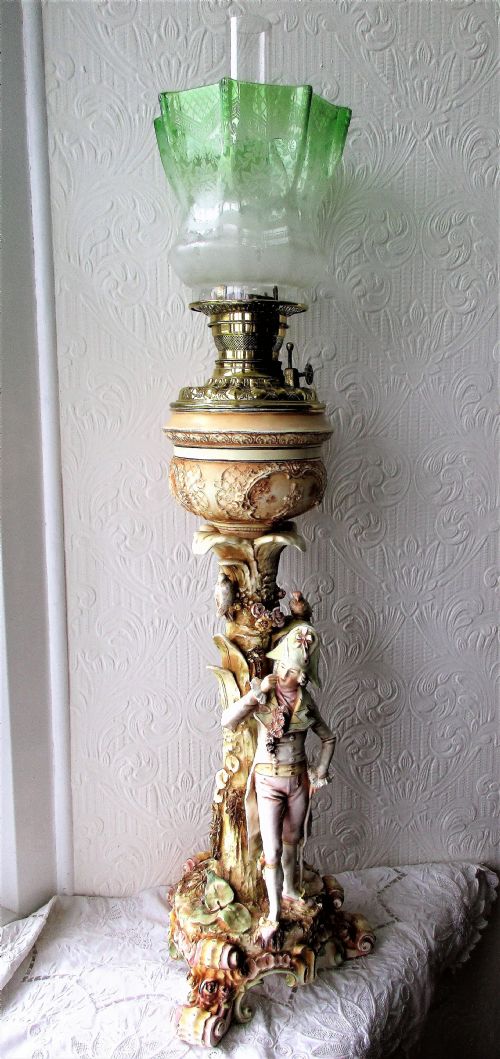
Glass elements range from cranberry glass reservoirs to triple glass shades and porcelain figural components. Surface treatments include black lacquer for Chinoiserie finishes and silver plating alongside polished brass.
The selection spans four decades from the 1890s through the 1930s, alongside general Victorian and Edwardian categorisations.
Distinctions in standard lamp manufacture
Subtlety of casting and hand-chiselling on brass Corinthian capitals or floral openwork bases separates workshops. Heavy gauge metal work provides stability that lighter stamped alternatives lack.
Sophistication of the mechanical adjustments, such as smooth-sliding telescopic stems and secure swivel arms, indicates the standard of the original maker.
Maison Bagues·Hinks of B'ham
The Vintage Standing Lamp Shade Glossary
- Standard lamp
- A tall floor-standing lamp designed to hold a light fitting and shade at height. They gained popularity in the Victorian era as rooms moved away from fixed gas lighting.
- Torchiere
- An uplighter floor lamp designed to cast light towards the ceiling rather than downwards. Art Deco examples utilise this form for ambient room illumination.
- Bouillotte lamp
- A reading lamp featuring one or more candle arms rising from a central dish or tray. Traditional versions often incorporate an adjustable metal shade.
- Telescopic
- A multi-section stem that extends upwards to alter the total height of the lamp. This mechanism appears frequently on brass and wrought iron standards from the Edwardian period.
Vintage Standing Lamp Shade: Frequently Asked Questions
How do I adjust a telescopic floor lamp?
Telescopic standards use an internal or external screw mechanism to lock the upper shaft at the desired height. Loisten the collar gently before raising the column to avoid straining the brass threads.
Ensure you support the weight of the lamp head with one hand while adjusting the height to keep the stem straight and prevent binding.
What is a standard lamp table?
A standard lamp table combines a tall floor lamp column with an integrated small table surface, usually in solid mahogany or marble. These served as dual-purpose furniture for seating areas.
They allowed a reading light and a surface for a book or drink to occupy the same compact footprint beside a chair.
Are oil lamps easily converted to electricity?
Many Victorian and 19th-century standard oil lamps have been adapted to accept modern electrical wiring through the burner assembly. This conversion lets period brass and porcelain reservoirs function safely with contemporary bulbs.
Original burners and collars are typically preserved during conversion to maintain the historical integrity of the metalwork.