
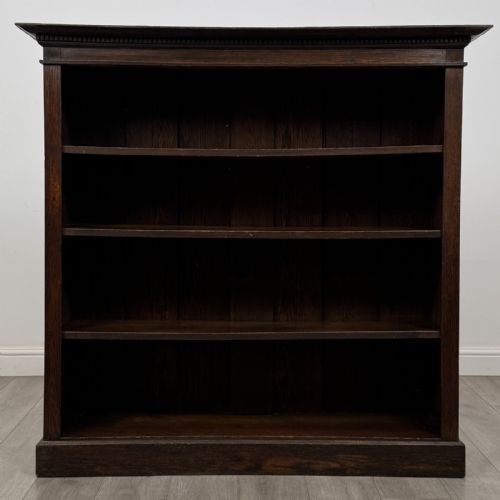
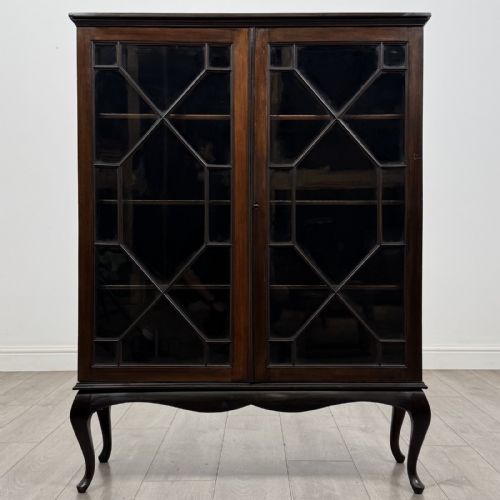
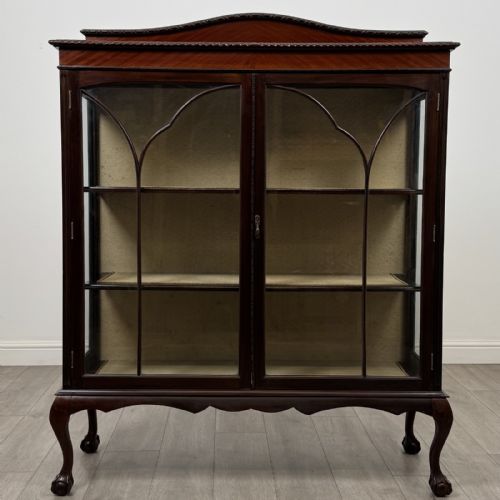
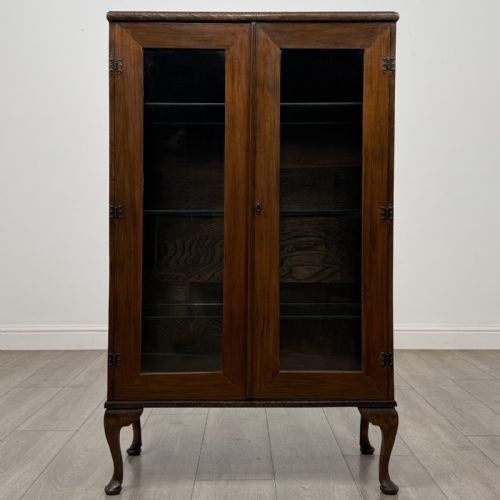
Vintage Standing Display Cabinet
A vintage standing display cabinet holds your treasured objects behind glass, bringing order and elegance to any room.
Vintage Standing Display Cabinet
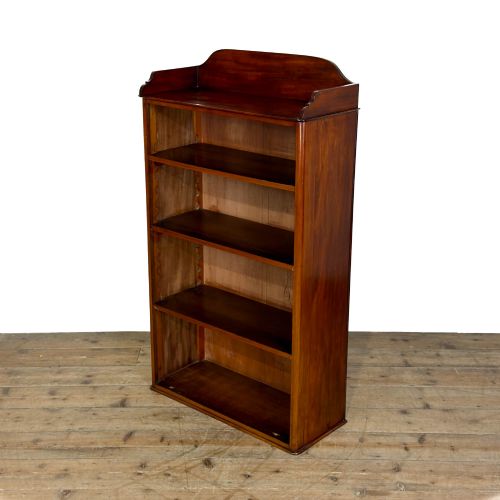
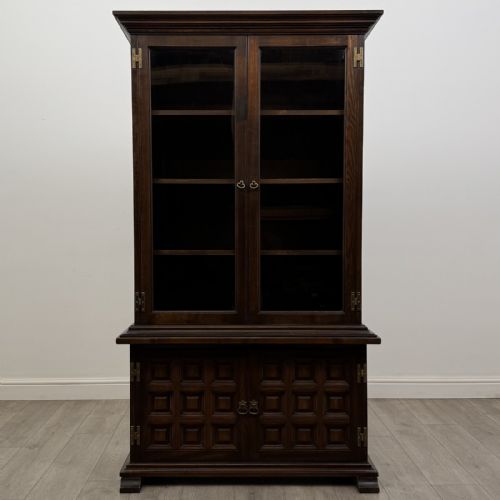
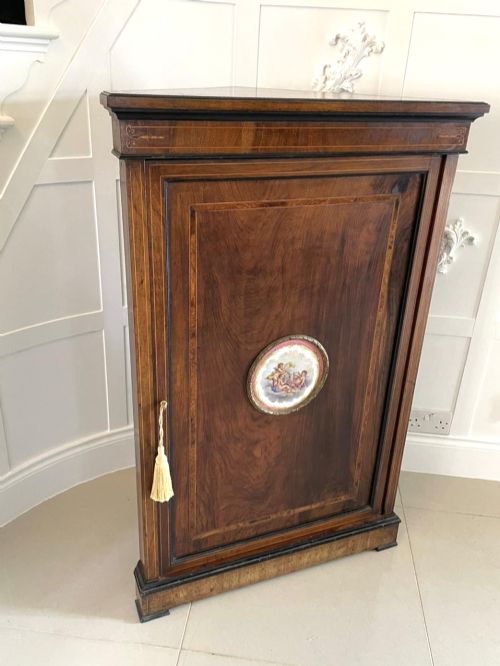
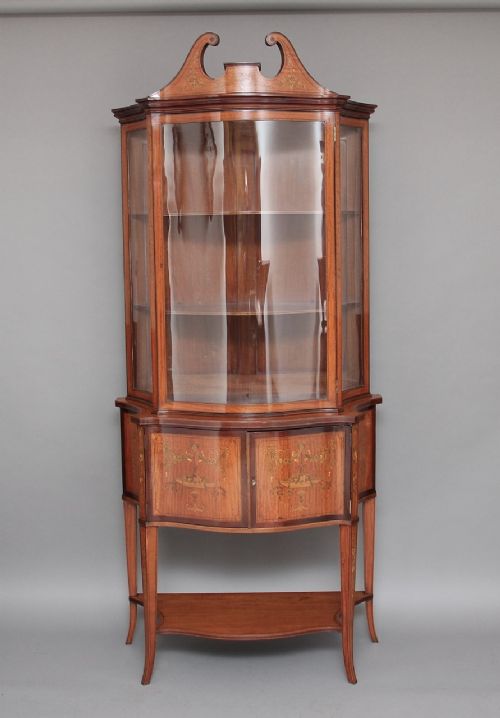
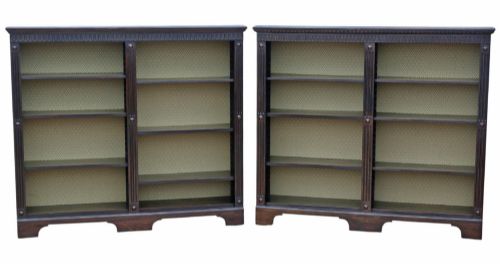
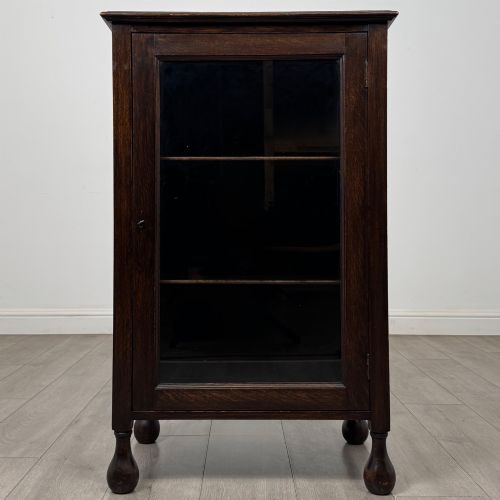
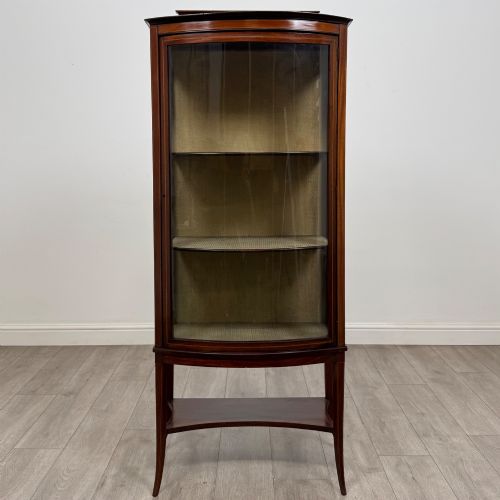
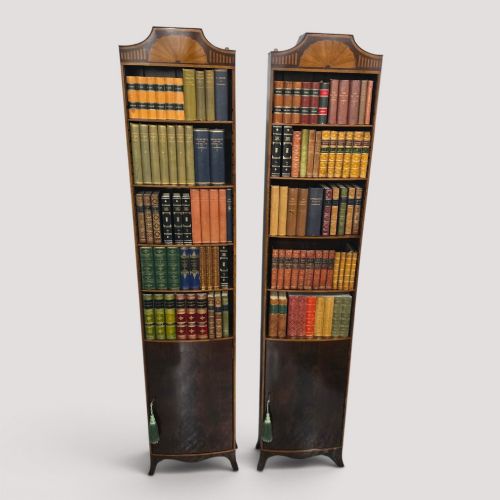
A vintage standing display cabinet serves to exhibit porcelain, books, and collections while keeping dust at bay. These pieces range from upright floor-standing corner cupboards to glazed mahogany bookcases and cabinets on stands.
The selections span eras from the Georgian period through the Victorian and Edwardian decades up to the nineteen-thirties. Edwardian oak and mahogany examples appear most frequently, alongside walnut and rosewood variations.
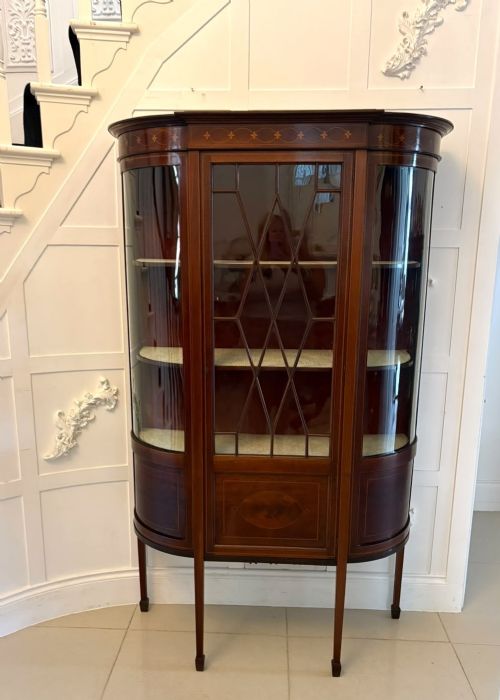
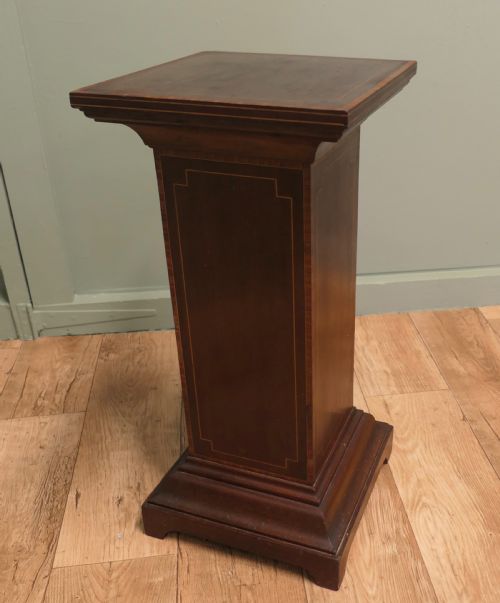
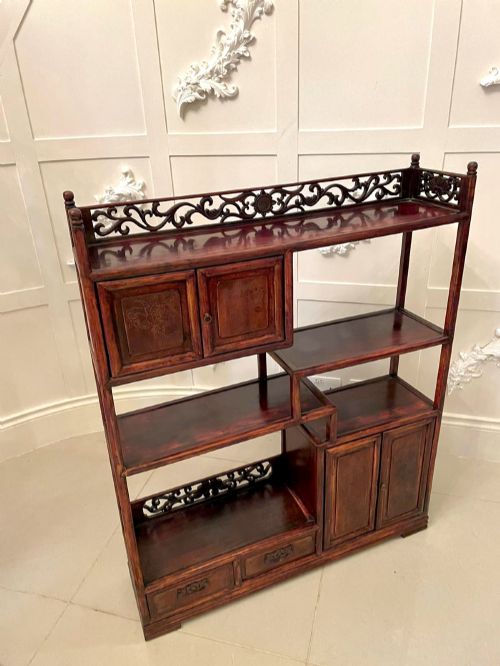
Makers utilised timber frames fitted with glass panels, sometimes adding shelves or lower cupboards. Forms include tall upright glazed units, corner shelves, and pedestal cabinets designed to stand freely against a wall.
Materials and Construction
Cabinet makers built these pieces using solid hardwoods like mahogany, oak, and walnut, frequently applying fine veneers such as satinwood and burr walnut. Brass hardware, including hinges, handles, and lock escutcheons, provided functional and decorative accents.
Glazing techniques secured glass panes within timber framing using wooden glazing bars, creating astral patterns or simple large viewing windows. Inlays of lighter wood or mother-of-pearl added surface decoration to drawer fronts and door panels.
Listings feature oak, mahogany, walnut, rosewood, and satinwood across Edwardian, Victorian, and Georgian periods.
Judging Quality and Craftsmanship
Superior examples display careful timber selection, such as matched figured walnut veneers or dense mahogany grains that align across doors and drawers. Finer pieces incorporate delicate stringing, precise dovetail joints in the drawers, and well-balanced proportions.
Simpler versions rely on plain oak or deal with minimal decoration and heavier structural framing. The finesse of the glazing bars and the weight of the brass fittings indicate the standard of workshop production.
Maple & Co.
The Vintage Standing Display Cabinet Glossary
- Vitrine
- A glass-fronted cabinet designed specifically for displaying porcelain, curiosities, or fine objects. These pieces rely on extensive glazing to maximise visibility from multiple angles.
- Astral glazing
- Wooden bars that divide a glass window into smaller panes within a cabinet door or bookcase. This technique originates in eighteenth-century design.
- Burr walnut
- Timber taken from a tree growth that produces swirling, intricate grain patterns. Cabinet makers prized this wood for high-status veneering.
- Cabinet on stand
- A dual-form piece comprising an upper enclosed storage or display section resting upon a separate supporting table frame. These elevate the main body to a comfortable viewing height.
- Pedestal cabinet
- A tall, narrow freestanding piece of furniture designed to occupy limited floor space. They often feature a single glazed door protecting interior shelves.
Vintage Standing Display Cabinet: Frequently Asked Questions
What went inside a display cabinet?
These cabinets housed valuable porcelain, silver, glassware, and natural history specimens collected during travels. Owners used them to showcase status and refined tastes to visitors.
Interior shelves allowed tiered arrangements so that smaller items remained visible behind the glass doors.
How do I date a cabinet?
Dating relies on timber choices, construction methods, and stylistic revival cues. Edwardian and Victorian pieces often show machine-sawn backing boards and standardised brass hardware.
Earlier Georgian items display hand-cut dovetails and native timber usage without twentieth-century veneers.
Where should I place it?
A standing cabinet requires a stable wall position away from direct sunlight to protect timber finishes and fragile contents. Corner units make efficient use of difficult angles in dining rooms or drawing rooms.
Ensure the floor is level so the tall frame and glass doors operate smoothly without binding.
Are shelves adjustable?
Many Edwardian and Victorian cabinets feature fixed wooden shelving grooved into the side linings. Later or custom pieces sometimes utilise wooden peg supports for movable shelf heights.
Original interiors reflect the specific items the first owner intended to exhibit.