



Vintage Spy Prints
Vintage spy prints bring the satirical caricatures of Victorian and Edwardian society straight to your walls.
Vintage Spy Prints
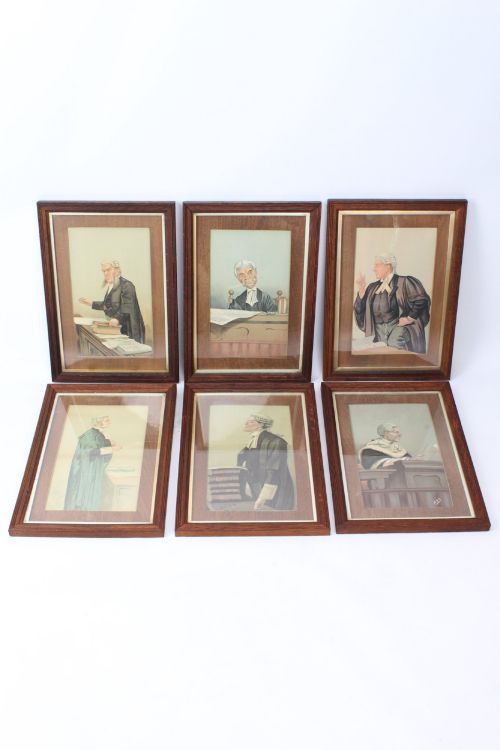
Vintage spy prints capture the notable figures of the late nineteenth and early twentieth centuries through caricature and portraiture. When searching for vintage spy prints, buyers encounter works originating from periods spanning the Victorian era, the Edwardian period, and the 1920s.
The material forms appearing in these listings include framed prints, antique prints, wall art, and double page formats. Many examples arrive framed in wood and glass with mount board, whilst others remain unfolded and loose on paper or cardboard.
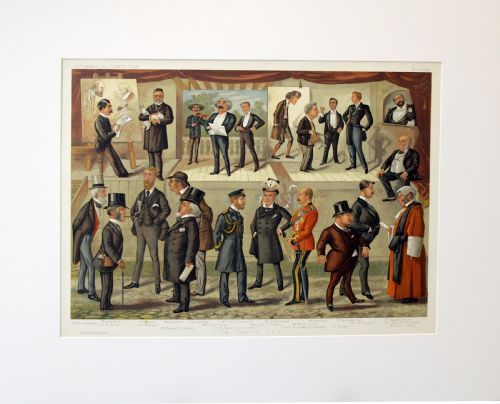
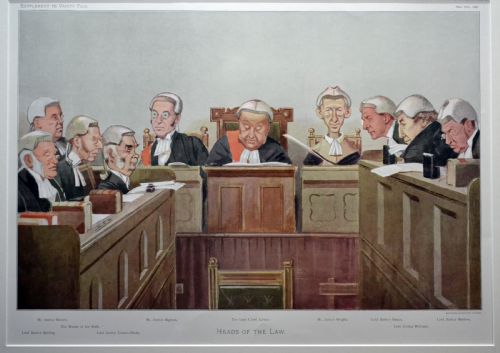
The most common subjects encountered on this page relate to Vanity Fair publications, encompassing collections, sets, and individual sheets. Themes range from politicians and royalty to the law, racing, and hunting.
How they were made
These works rely primarily on paper and ink, often utilising chromolithography to achieve their characteristic colour and detail. Production methods involve printing onto paper or cardboard substrates, yielding single or double page formats.
Finishing techniques include mounting and framing behind glass using wood mouldings and mount board to protect the delicate paper surfaces. Unfolded double page sheets demonstrate the original scale of the periodical spreads before separation.
Vintage Spy Prints Retail Price Guide 2026
Typical asking prices for vintage spy prints among the pieces listed under this phrase on Sellingantiques today, from the lower quarter to the upper quarter. They describe what is for sale here now, not the wider market.
Victorian gentlemen bought these magazines specifically to see who would be roasted next in print.
What varies in quality
Distinctions in quality often rest upon the vibrancy of the ink and the preservation of the paper substrate. Chromolithographs with strong, clean colour retention command greater attention than faded examples.
The physical presentation also influences the piece, noting whether an item retains its original double page format or arrives within a well-constructed wooden frame with appropriate mount board.
Vanity Fair
The Vintage Spy Prints Glossary
- Chromolithography
- A method of making multi-colour prints through the use of multiple lithographic stones, one for each colour. This technique produces the vivid hues found in nineteenth-century periodical illustrations.
- Spy
- The pseudonym of artist Leslie Ward, whose satirical caricatures defined the visual style of Vanity Fair. His work forms the core of these satirical portrait collections.
- Double page
- A larger print format spanning the centre fold of a periodical publication. These pieces offer a wider composition than standard single-page insertions.
- Mount board
- Heavyweight paperboard placed around a print inside a frame to separate the artwork from the glass. It provides structural support and aesthetic framing.
Vintage Spy Prints: Frequently Asked Questions
What are vintage spy prints?
Vintage spy prints are original caricatures and portraits published in periodicals during the Victorian and Edwardian eras. They depict prominent public figures, judges, politicians, and sportsmen of the period.
These illustrations capture the likeness and eccentricities of society figures through distinctive artistic styles. Most originate from the magazine Vanity Fair and remain collected as historical documents and decorative art.
How were they originally published?
These prints were issued weekly as colour supplements within nineteenth and early twentieth-century magazines. Subscribers received single sheets or larger double-page spreads bound into the periodical.
Over time, many of these plates were removed from their original bindings for individual display. Today, they appear either as loose sheets or housed in modern and period frames.
How do I display them at home?
Framing these works behind glass with acid-free mount board protects the paper from environmental degradation and light damage. Matching the frame timber to the interior decor helps integrate the historic aesthetic into modern rooms.
Grouping sets by theme, such as legal figures or sporting scenes, creates a cohesive gallery display. Keeping them away from direct sunlight preserves the original ink colours.
How do I identify the period?
The dating of these prints relies on the subject's career, the publication date of the periodical, and associated stylistic markers. Victorian examples reflect late nineteenth-century dress, whilst Edwardian and 1920s pieces show evolving fashions.
Paper characteristics, typography, and printing techniques also offer clues to the exact era of production. Examining the margins often reveals publication details and dates.