




Vintage Sporting Collectables
Vintage sporting collectables bridge competitive history and domestic display, bringing century-old craftsmanship into modern studies and living rooms.
Vintage Sporting Collectables
Vintage sporting collectables encompass items dedicated to past leisure, field sports, and athletic competition, ranging from domestic matches to international games. When exploring vintage sporting collectables on this page, you will encounter diverse objects shaped by pursuits like golf, cricket, cycling, and shooting. These pieces record the material culture of recreation across the eighteenth, nineteenth, and early twentieth centuries.
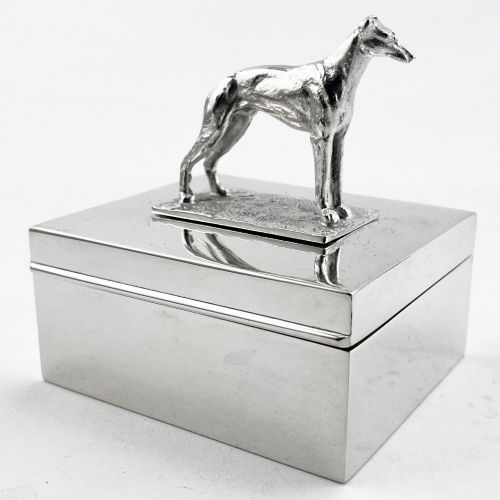
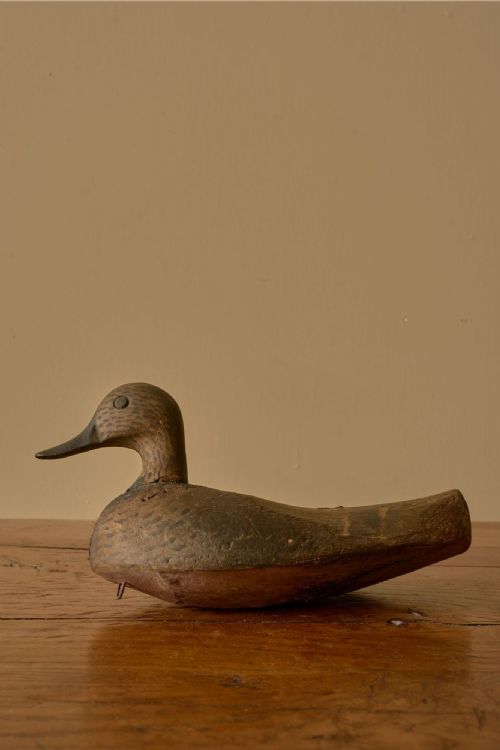
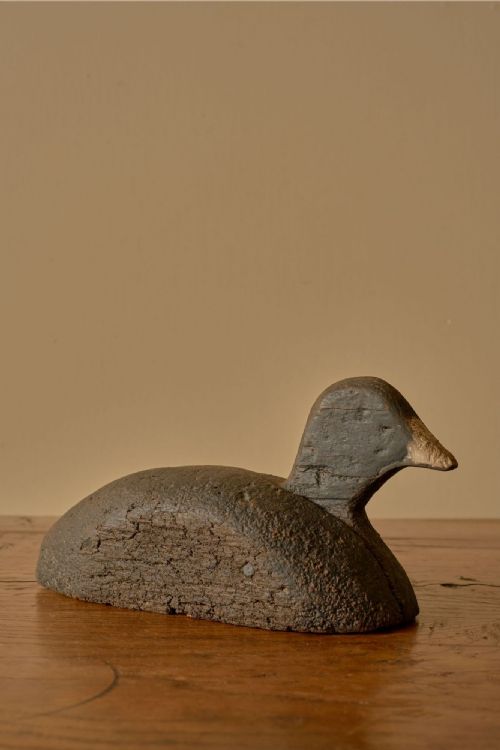
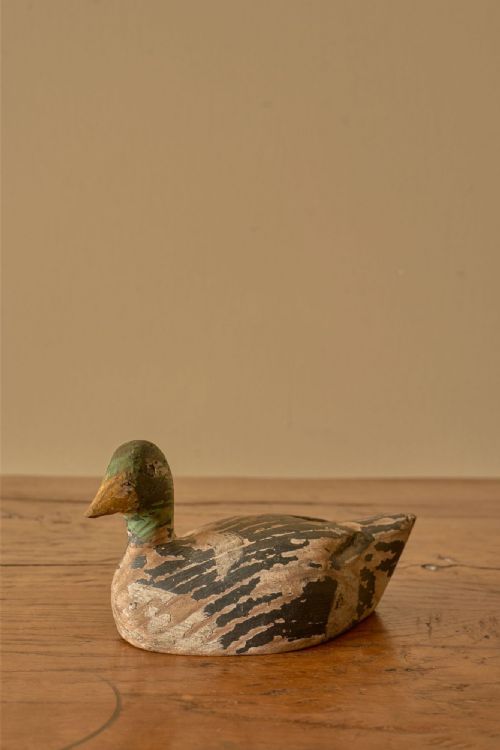
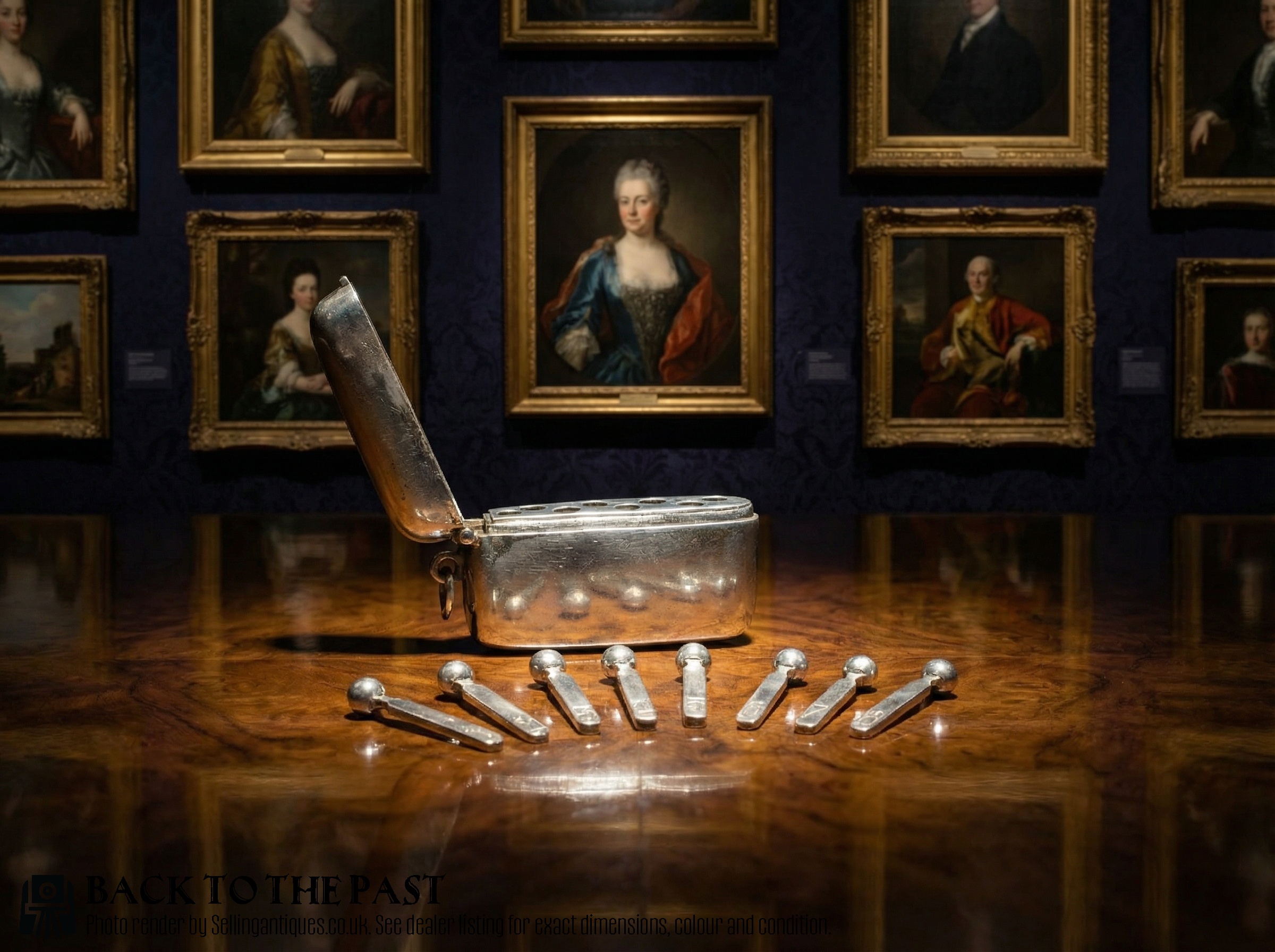
The selections span utilitarian field equipment and decorative desk pieces celebrating athletic triumphs. Common forms include carved wooden decoy pigeons and ducks, ceramic vesta match strikers honouring cricket figures, and silver-plated shooting peg cases. Walking sticks, fishing reels, cribbage boards, and early Olympic badges further broaden the scope of available artefacts.
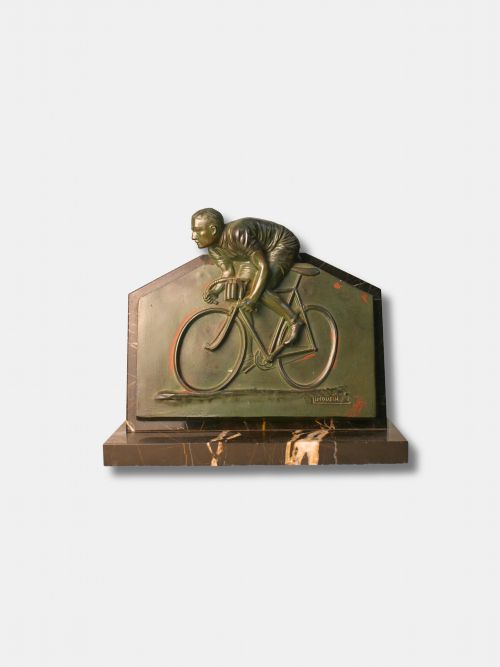
Dating conventions stretch from Georgian flintlock guns and nineteenth-century stoneware rugby ball inkwells through to Edwardian golf clubs and 1930s visitor badges. English craftsmanship dominates the selection, alongside select continental pieces such as French spelter cycling figures on onyx plinths. Each object reflects the specific materials and aesthetic tastes of its period of origin.
Materials and construction
Wood and metal form the structural core of these sporting pieces, appearing as painted carved decoys, hickory golf club shafts, and mahogany fishing reels with brass fittings. Artisans utilised traditional joinery and turning techniques to shape functional equipment that needed to withstand active use in the field or on the green. Paint surfaces on wooden decoys and tinplate sports figures provide both protection and realistic visual detail.
Ceramic, stoneware, and silver plate represent the domestic side of athletic commemoration, seen in earthenware match strikers and stoneware rugby ball inkwells. Metal casting techniques are evident in spelter figures mounted on onyx plinths, while specialised sporting accessories incorporate horn, steel, and silver plate. These diverse mediums reflect the specialised manufacturing methods required for both outdoor gear and indoor desk ornaments.
Vintage Sporting Collectables Retail Price Guide 2026
Typical asking prices for vintage sporting collectables among the pieces listed under this phrase on Sellingantiques today, from the lower quarter to the upper quarter. They describe what is for sale here now, not the wider market.
Listings feature items from the Edwardian and Victorian eras alongside 19th-century stoneware and 18th-century firearms.
Assessing quality in vintage sporting pieces
Quality rests upon the fidelity of the maker's hand and the preservation of original surfaces, particularly on painted wooden decoys and tinplate figures. Superior examples retain their authentic patination and original pigment without heavy modern restoration masking the wear of active use. The integration of materials, such as the mounting of spelter figures onto onyx plinths or brass fittings on mahogany reels, dictates the structural integrity of the piece.
The precision of detail in sculpted or moulded forms separates standard utilitarian items from exceptional display pieces. Objects bearing specific historical associations, such as named pottery match strikers or dated Olympic visitor badges, command attention through documented provenance. Ultimately, the best specimens combine robust original construction with clear period character.
The Vintage Sporting Collectables Glossary
- Decoy
- A carved and painted bird or animal used by hunters to attract wildlife. These objects now survive as prime examples of folk art.
- Vesta match striker
- A small container or surface designed for holding and igniting matches. These desk accessories often took the form of sporting figures or equipment.
- Spelter
- An alloy of zinc and other metals often cast into sculptural figures. It frequently served as a less expensive alternative to bronze.
- Flintlock
- An ignition mechanism used in firearms where a flint strikes a steel frizzen to create a spark. This system predates percussion cap technology.
Vintage Sporting Collectables: Frequently Asked Questions
What are vintage sporting collectables?
These items are historical artefacts and equipment connected to past athletic pursuits, field sports, and competitive games. They include everything from practical fishing reels and walking sticks to decorative desk pieces and commemorative badges.
Collectors prize them for their tangible link to the history of recreation and traditional manufacturing methods. Each piece reflects the materials and design sensibilities of its specific era.
How were antique decoys used?
Carved wooden decoys were placed in water or fields by hunters to lure birds within shooting range. Makers painted them with realistic plumage patterns to deceive waterfowl and pigeons.
Today, these working objects are appreciated primarily as examples of folk art and sculpture. Their surface wear often records decades of outdoor exposure.
How do I date an antique fishing reel?
Dating relies on examining the materials, such as combinations of mahogany and brass, alongside construction patents and manufacturing marks. Star-back reels from the early twentieth century display distinct timber turnings and handle designs.
Comparing hardware and wood patination against documented examples helps establish a reliable period of manufacture. Makers often updated their mechanisms while retaining traditional exterior forms.
Where should I display sporting collectables?
These pieces suit studies, libraries, and living spaces where their materials and historical character can be appreciated up close. Items like framed badges, desk inkwells, and small sculptures work well on flat surfaces or within cabinets.
Stable indoor environments away from direct sunlight protect painted wooden surfaces and delicate metal finishes. Grouping items by sport or material creates a cohesive historical display.