


Vintage Spice Chest
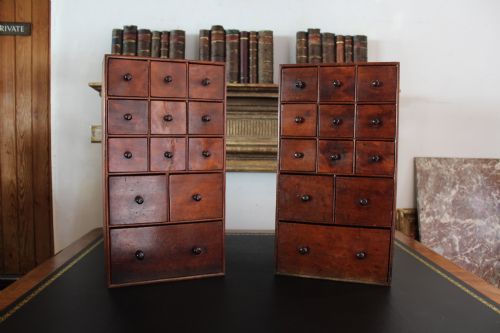
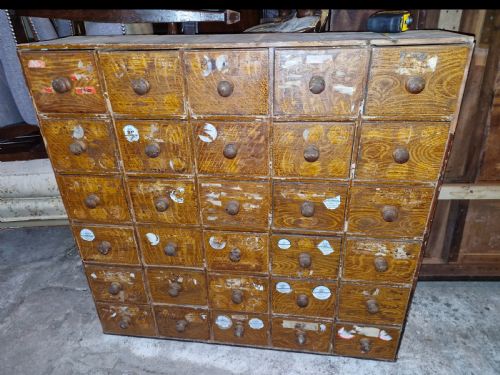
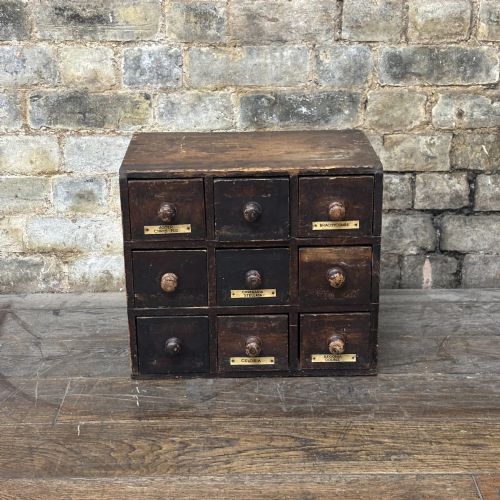
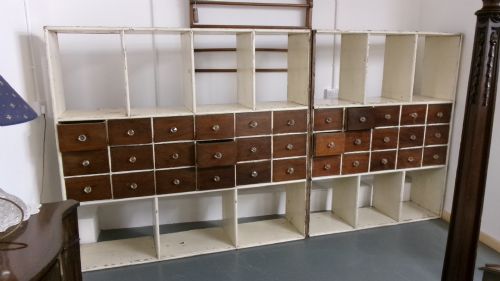
A vintage spice chest brings small-scale timber storage into a modern room, offering compact drawers originally built for domestic provisions or apothecary stocks.
Vintage Spice Chest
When you search for a vintage spice chest, you encounter small multi-drawer cabinets, wall-hanging boxes, and miniature chests spanning the eighteenth, nineteenth, and early twentieth centuries. These pieces originate from diverse domestic and trade settings, including English country houses, apothecary shops, and regional workshops abroad.
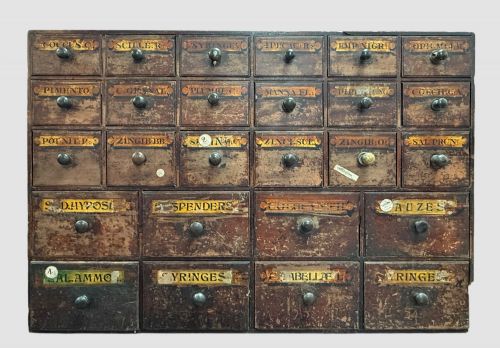
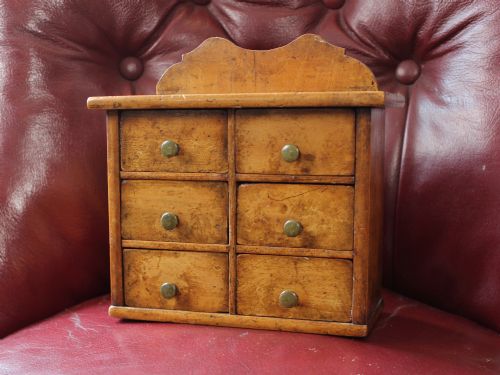
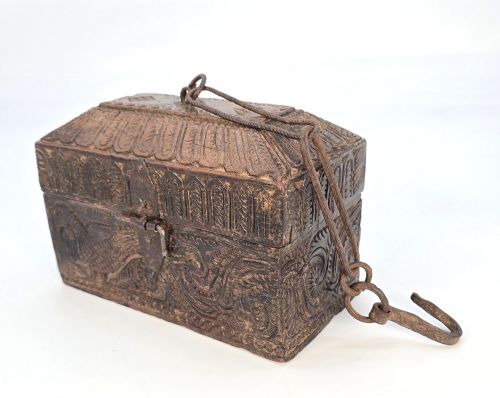
The versions most commonly met on this page include nineteenth-century pine and oak wall-hanging spice boxes, alongside utilitarian chemist banks of drawers and regional country pieces. Forms range from miniature Georgian oak chests to Scandinavian wall cupboards and carved Indian boxes.
Buyers select these items for their compact footprint and functional compartmentalisation, which suits the organisation of small household items today just as it suited dried herbs and provisions in the past. Their variety reflects the utilitarian needs of different eras and geographic regions.
Materials and construction methods
Cabinetmakers constructed these pieces primarily from native and imported timbers, utilising solid pine, oak, mahogany, fruitwood, and teak. Wood selection depended largely on the region of origin, with country pieces favouring durable pine and oak while formal examples utilised mahogany and fruitwood.
Joinery techniques focus on sturdy housing for multiple small drawers, often featuring hand-cut dovetails and panelled doors. Iron and brass hardware, including drop handles and escutcheons, provides functional access to the individual compartments.
Miniature chests allowed nineteenth-century apprentices to practice full-scale furniture joinery on a portable scale.
Assessing quality in small storage
Quality in these pieces rests upon the integrity of the timber selection and the precision of the drawer construction. Finer examples display tight dovetailing and consistent grain alignment across the bank of drawers.
The presence of original hardware, such as brass pulls and hinges, distinguishes better-preserved pieces from those with later replacements. Surface finishes also vary, with untouched patinated timber surfaces holding greater appeal than heavily refinished examples.
The Vintage Spice Chest Glossary
- Bank of drawers
- An assemblage of numerous small drawers stacked within a single housing frame. This configuration provides systematic sorting for contents like seeds, spices, or apothecary items.
- Apothecary chest
- A small cabinet featuring multiple drawers designed for storing medicinal ingredients and dried herbs. These medical storage units often share similar scales and drawer counts with domestic spice containers.
- Toleware
- Lacquered or enamelled metalware used for domestic containers during the eighteenth and nineteenth centuries. Toleware spice boxes offer lightweight metal alternatives to traditional timber construction.
- Dovetail joint
- An interlocking woodworking joint formed by alternating wedge-shaped fingers. This construction method secures drawer corners and small box frames against lateral pull.
Vintage Spice Chest: Frequently Asked Questions
What were spice chests used for originally?
These small chests and cabinets served to store valuable culinary spices, dried herbs, and aromatics in domestic kitchens. Keeping provisions in partitioned drawers protected them from moisture and pests.
Over time, similar small-scale drawer formats were adopted by chemists and apothecaries for botanical remedies, seeds, and small ingredients.
How do I hang a wall spice box safely?
Wall-hanging spice boxes generally incorporate fixed mounting brackets, rear hanging slots, or robust backboards intended for secure wall attachment. You should locate structural wall studs or utilise appropriate fixings rated for the combined weight of the timber cabinet and its contents.
Because these pieces project from the wall when loaded with drawers, stable anchorage prevents tipping or detachment.
How can I date an oak spice chest?
Dating relies on examining construction methods, timber characteristics, and hardware styles across the piece. Eighteenth-century examples often display hand-sawn timber marks and pegged joinery, whereas nineteenth-century variants utilise machine-sawn components and standard brass pulls.
Regional styles also provide clues, as vernacular country pieces frequently retain local cabinetmaking traditions distinct from urban workshop output.
Are apothecary chests different from spice chests?
Apothecary chests were originally built for medicinal storage in chemists' shops, while spice chests were intended for domestic culinary provisions. However, their physical forms overlap significantly, featuring multiple small drawers suited to organising dry goods.
Collectors frequently categorise them together due to their shared multi-drawer format and compact dimensions.