

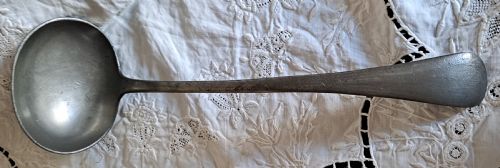
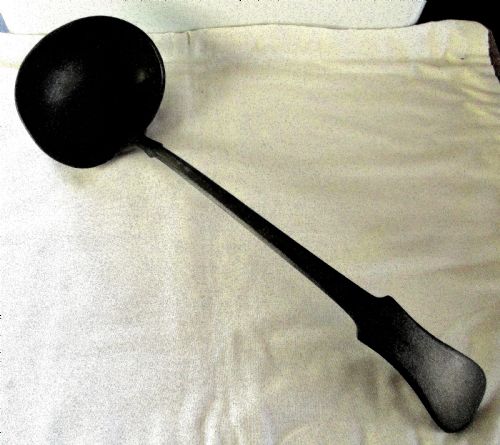


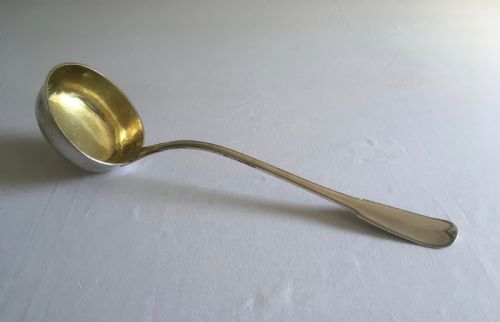


Vintage Soup Ladle
These vintage soup ladle examples range from Georgian brass to Victorian silver and carved treen, offering practical heft and fine table presence.
Vintage Soup Ladle
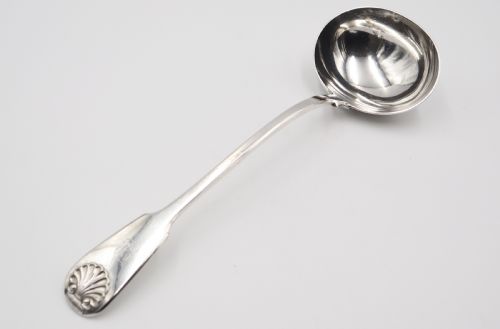
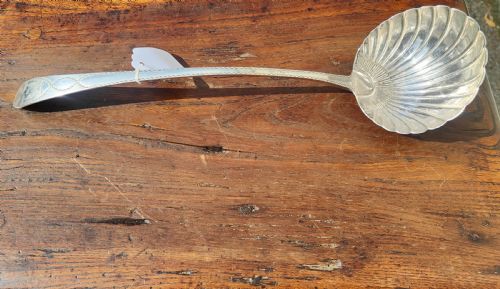
When you search for a vintage soup ladle, you encounter heavy serving utensils designed for deep vessels, constructed across the Georgian, Victorian, and Edwardian eras. These pieces include large sterling silver designs, heavy brass iterations, and carved wooden treen examples.
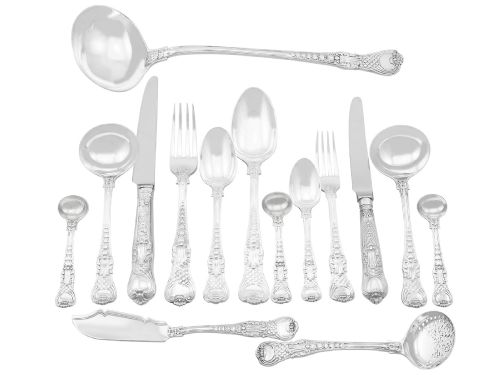
You are most likely to meet silver-plated and solid silver serving ladles on this page, alongside occasional pewter basting implements and ceramic tureen sets complete with matching ladles.
The domestic and formal dining origins of these utensils mean they span simple utilitarian kitchenalia and elaborate formal table service, reflecting the dining habits of the eighteenth, nineteenth, and early twentieth centuries.
How they were made
Makers utilised traditional casting and hammering techniques for metal pieces, working with sterling silver, German silver, pewter, brass, and ironstone. These metals provided the necessary weight and durability for frequent lifting from deep tureens.
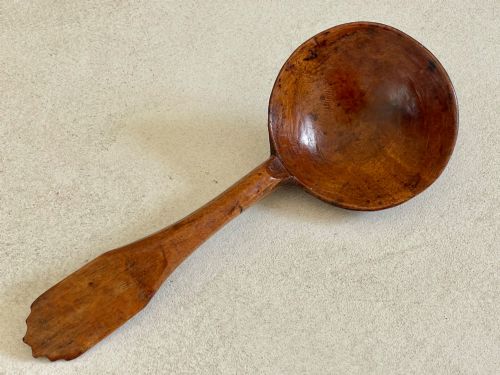
Wooden examples were shaped from solid timber or treen, relying on carving and hand-finishing to achieve smooth bowl contours and tactile handles. Ceramic and earthenware items, such as Masons ironstone, involved moulding and high-temperature firing followed by transfer printing.
Vintage Soup Ladle Retail Price Guide 2026
Typical asking prices for vintage soup ladle among the pieces listed under this phrase on Sellingantiques today, from the lower quarter to the upper quarter. They describe what is for sale here now, not the wider market.
Listings feature items spanning the eighteenth, nineteenth, and early twentieth centuries, constructed from sterling silver, pewter, brass, and carved wood.
What varies in quality
The distinction between standard utility items and superior pieces rests on metal gauge, handle balance, and maker attribution. Heavier metal gauge prevents bending under the weight of thick liquids, while balanced handles ensure proper leverage in deep service.
Purity of material matters significantly, separating solid silver and high-grade pewter from plated wares that show wear over decades of use. Maker marks and crisp pattern stamping further elevate the standing of individual examples.
John Yates·Dixon and Son·Mappin and Webb·Tiffany and Co.
The Vintage Soup Ladle Glossary
- Treen
- Small handmade wooden domestic objects produced from native timbers. This term covers carved spoons and ladles shaped before industrial manufacturing took over.
- Pewter
- A malleable metal alloy composed primarily of tin, combined with copper and antimony. It was widely used for domestic tableware and serving utensils during earlier centuries.
- Transfer print
- A decorative technique where a design is engraved on a copper plate, transferred to tissue paper, and then applied to ceramic ware before glazing. This process allowed intricate blue and white patterns on tureens and ladles.
- Basting ladle
- A large utensil originally intended for spooning pan juices over roasting meat. These pieces often feature deeper bowls and longer handles than standard serving ladles.
- Straining ladle
- A specialised utensil featuring pierced holes or a built-in sieve within the bowl. It allows liquid to drain away while retaining solid ingredients from soups or punches.
Vintage Soup Ladle: Frequently Asked Questions
What is a vintage soup ladle used for?
These utensils serve liquid dishes from large tureens into individual bowls at the dining table. Their deep bowls and extended handles provide the reach and capacity needed for hearty broths and stews.
Historically, they formed an essential part of formal dining sets, often matched to specific tureens or cutlered canteens. Today, they remain functional serving tools and decorative display pieces for traditional dining rooms.
How do I clean a silver soup ladle?
Clean silver pieces using warm water, a mild soap, and a soft cloth to preserve the metal surface. Avoid harsh abrasive dips that strip away natural patination accumulated over decades.
Store metal items in dry conditions away from direct humidity to prevent tarnish build-up. Wooden treen requires occasional treatment with food-safe oils to keep the timber from drying out.
How can I tell a Georgian ladle from a Victorian one?
Georgian pieces often display simpler, heavier utilitarian forms or distinct hand-hammered marks reflecting earlier manufacturing methods. Silver hallmarks from this period provide exact date letters for precise identification.
Victorian and Edwardian items frequently introduce elaborate patterned handles, such as colonial or floral motifs, alongside factory maker marks. Plated wares also become more common in the later nineteenth century.