
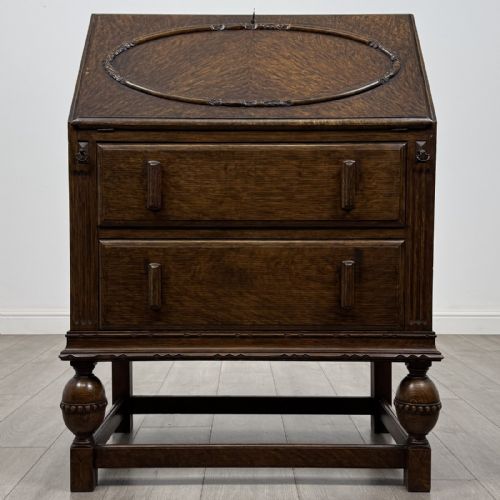
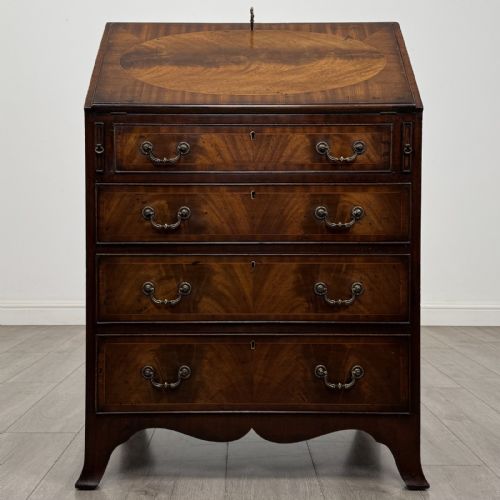
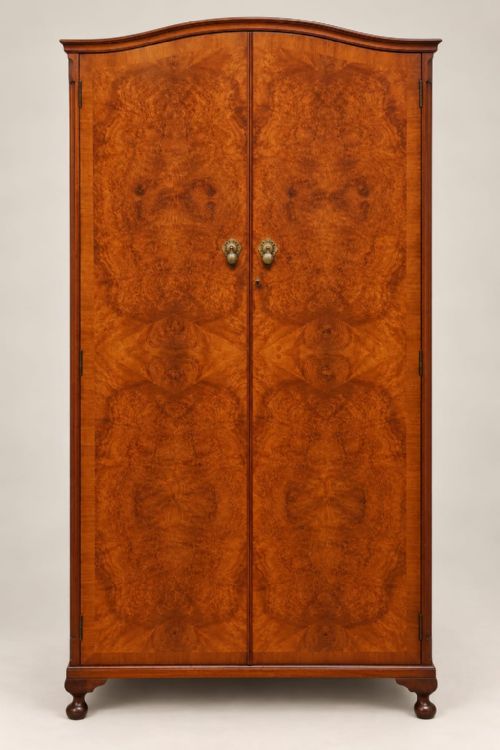
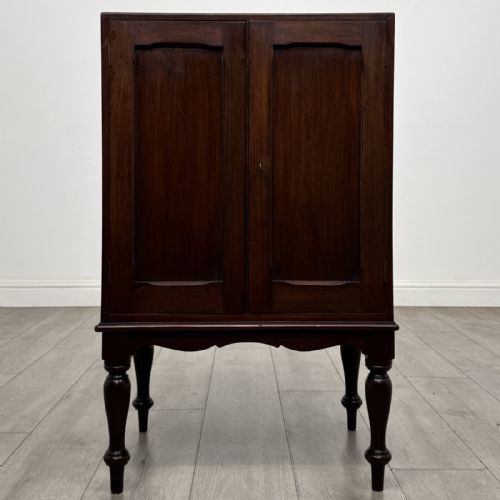
Vintage Small Cabinet
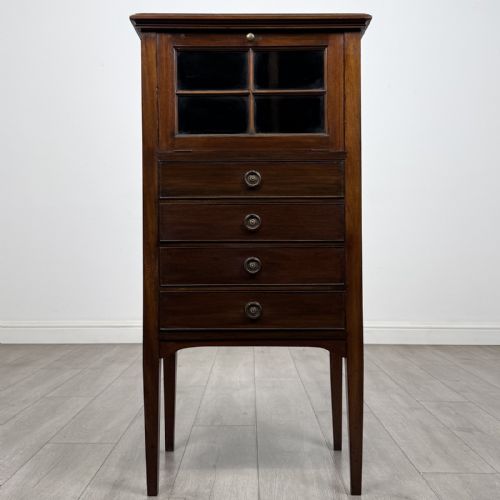
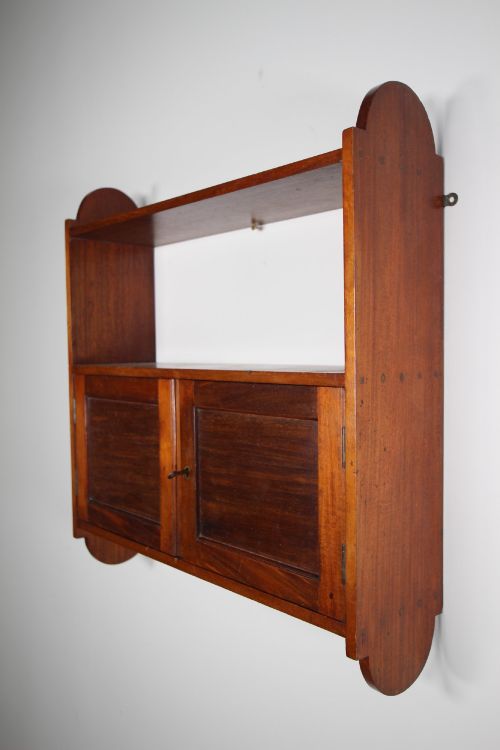
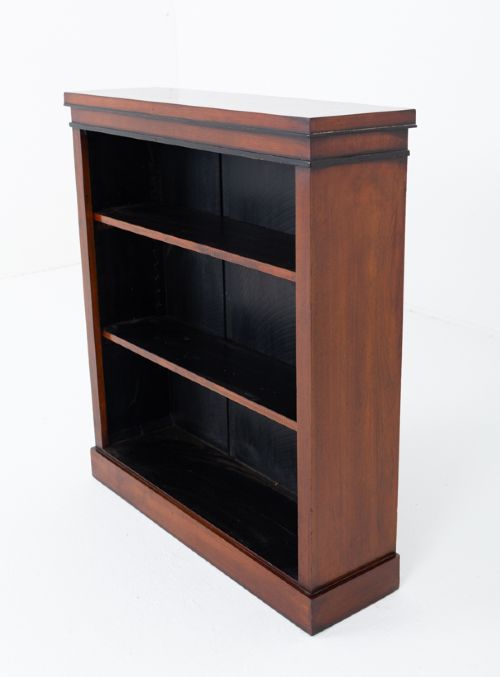
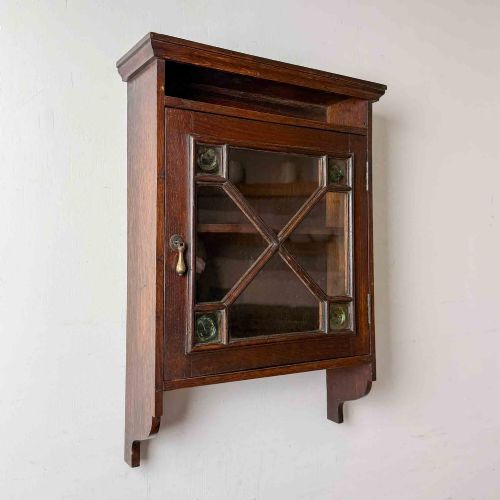
A vintage small cabinet brings compact storage and period character to tight corners, offering neat proportions in timber and glass.
Vintage Small Cabinet
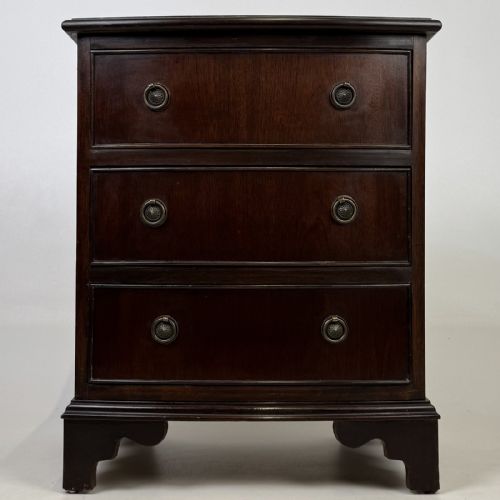
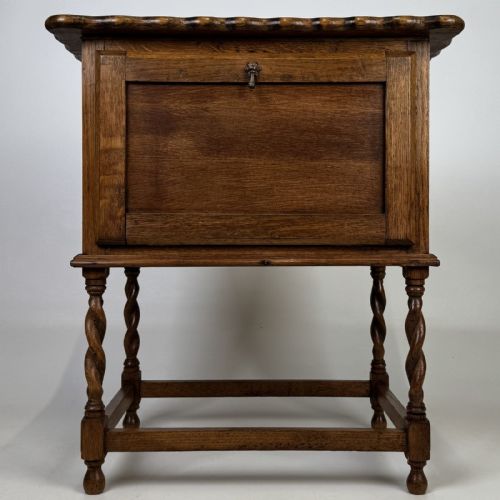
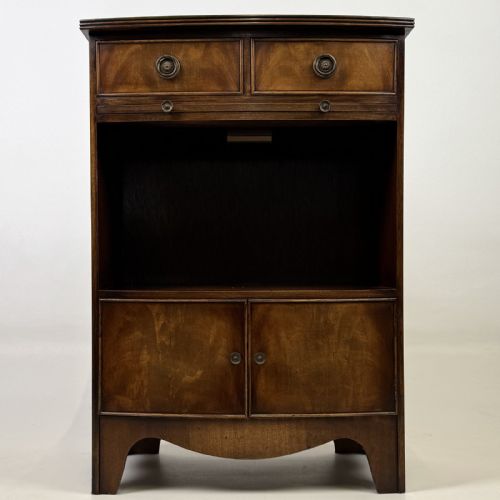
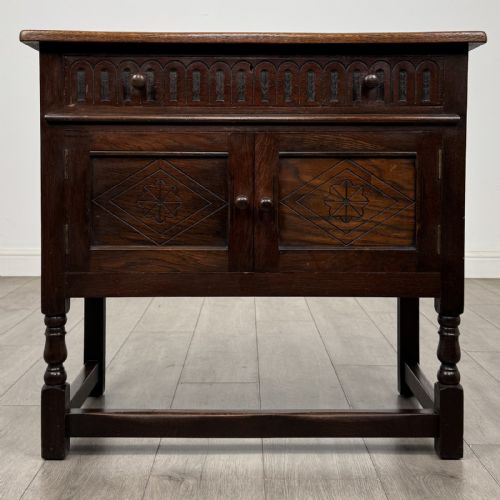
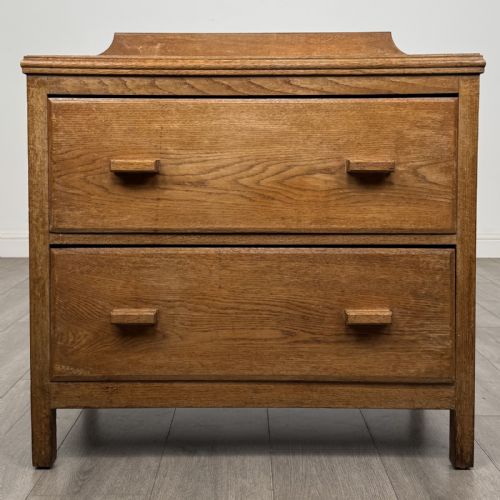
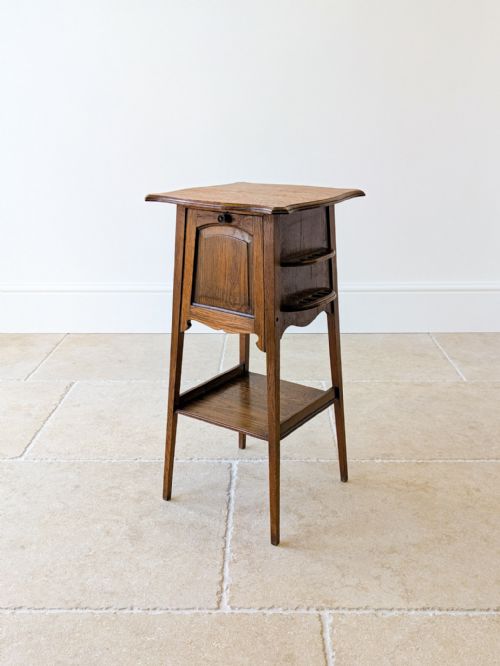
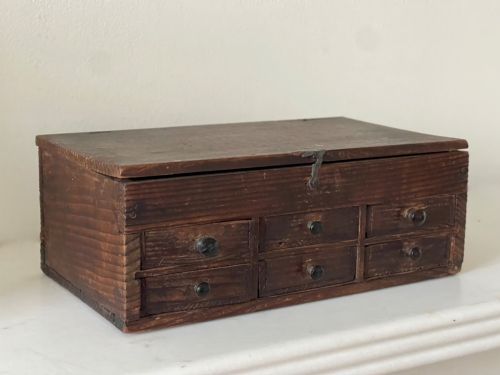
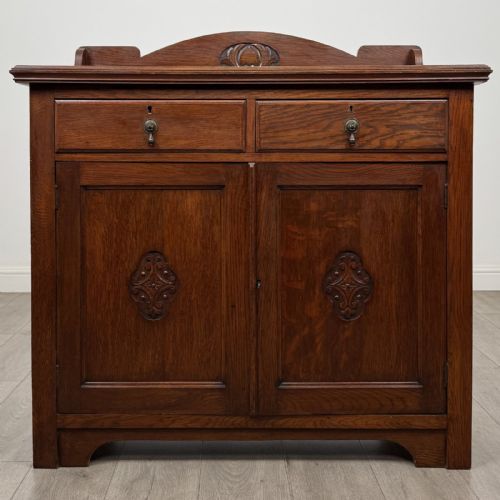
A vintage small cabinet encompasses a diverse group of compact furniture pieces designed for storage and display across the domestic interior. When searching for a vintage small cabinet, buyers encounter practical forms ranging from bedside chests and wall-mounted cupboards to diminutive bureaus and side cabinets.
The material record spans multiple decades, drawing on Victorian craftsmanship alongside Edwardian designs and 1920s or 1930s Art Deco creations. Oak and mahogany dominate the selection, appearing alongside walnut, satinwood, and maple in forms tailored for specific domestic duties.
Bedside cabinets and side cupboards meet smaller spatial requirements, while glazed display cabinets and wall-mounted pieces utilise vertical room effectively. Each variation reflects the prevailing taste of its decade, from Arts and Crafts simplicity to elaborate carved revival styles.
Materials and Technique
Makers utilised dense hardwoods such as oak, mahogany, and walnut to construct sturdy carcases that endure through generations of daily use. Figured veneers, burr walnut, and birds eye maple frequently overlay secondary timbers on refined surfaces, adding visual depth and distinct grain patterns.
Joinery techniques include dovetail construction for drawers and mortise and tenon joints for robust frames, supported by turned legs, bracket feet, or cabriole supports. Brass handles, glazed doors, and carved linenfold panels complete the construction, balancing utility with decorative detail.
Listings feature oak, mahogany, and walnut across Victorian, Edwardian, and Art Deco periods.
Standards of Execution
The distinction between ordinary and exceptional pieces lies in the fidelity of the timber selection and the precision of the joinery. Superior examples display carefully matched veneer grains, clean internal fittings, and well-executed decorative carvings that remain crisp and defined.
Hardware integrity and structural stability separate better specimens from lesser items, as original brassware and tight drawer actions indicate superior workshop standards. Finer pieces maintain their original surface patination, reflecting careful preservation rather than aggressive modern intervention.
The Vintage Small Cabinet Glossary
- Compactum
- A multi-compartment wardrobe designed to hold various items of clothing within a small footprint. It often incorporates hanging space alongside internal drawers and shelves.
- Pot cupboard
- A small bedside cabinet originally constructed to house a chamber pot. These pieces usually feature a single door enclosing a small shelf.
- Linenfold
- A style of wood carving that mimics folded parchment or fabric. It appears frequently on panels of revival and Arts and Crafts cupboards.
- Apprentice piece
- A small-scale item created by a trainee artisan to demonstrate mastery of specific woodworking skills. These pieces replicate full-size furniture in miniature proportions.
Vintage Small Cabinet: Frequently Asked Questions
Where should I place a small cabinet?
These compact pieces fit easily into hallways, alcoves, and bedrooms where larger furniture overwhelms the floor plan. They serve well as bedside storage or accent pieces in narrow spaces.
Wall-mounted versions liberate floor space entirely while providing accessible storage at eye level. Their modest dimensions allow them to integrate smoothly into existing room layouts.
Can I use a vintage cabinet for modern storage?
Most small cabinets adapt readily to contemporary domestic needs, holding books, glassware, or media accessories. Their internal dimensions suit smaller household items efficiently.
Glass-fronted display units protect delicate objects from dust while keeping them visible. Drawer configurations in bureaus and side cabinets help organise stationery and everyday clutter.
What defines Art Deco cabinet design?
Art Deco pieces favor geometric forms, streamlined silhouettes, and striking veneer patterns such as birds eye maple or walnut. They embrace modernity through sleek surfaces and minimal ornamentation.
These cabinets often stand on distinctive cabriole legs or plinth bases rather than traditional feet. The emphasis rests on the natural beauty of the wood grain rather than applied surface carving.