

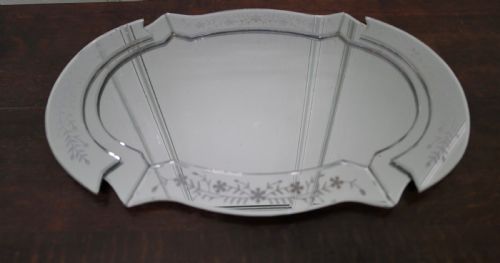


Vintage Silver Vanity Tray
A vintage silver vanity tray brings mirrored glass and polished metal together to catch the light on a dressing table.
Vintage Silver Vanity Tray
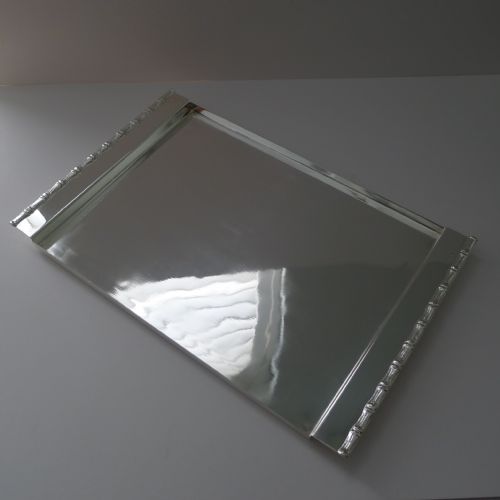
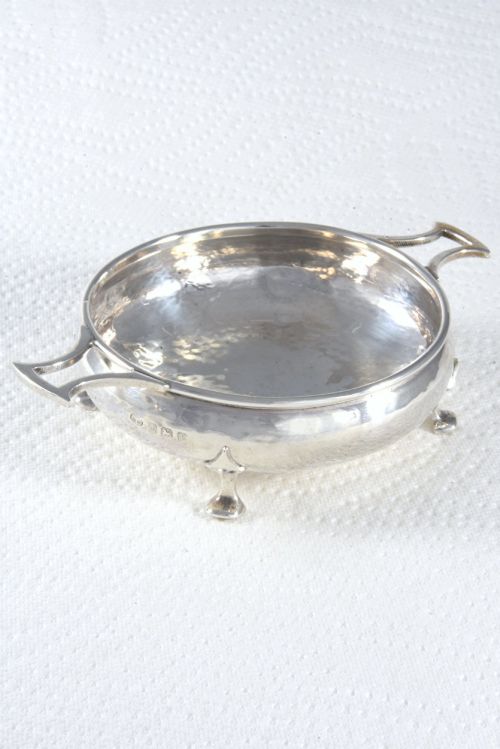
A vintage silver vanity tray is a dressing table accessory designed to hold perfume bottles, trinkets, and small accessories. These pieces range from simple silver-plated trinket dishes to large mirrored serving trays meant for display.
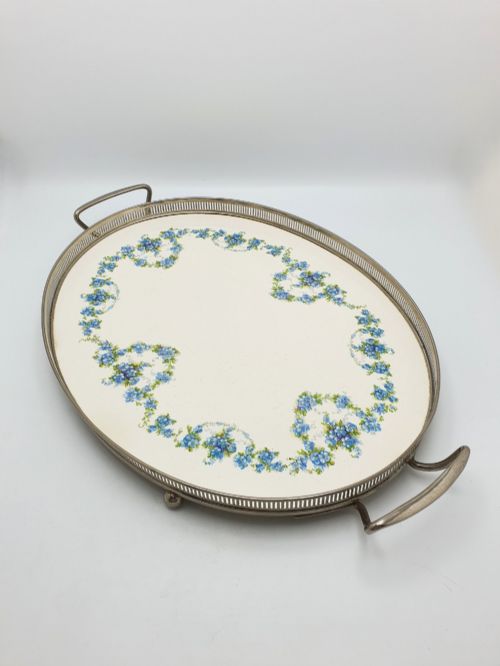
The versions most commonly met on this page span the Victorian, Edwardian, and Art Deco periods, alongside later mid-century examples. They appear in circular, oval, and octagonal forms, often featuring integrated handles or raised galleries.
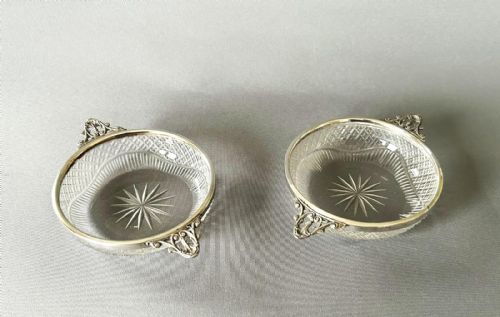
Materials run from sterling silver and silver plate to base metal frames holding thick mirror glass or cut glass inserts. Some examples incorporate decorative elements such as blue floral centres or ebonised wood details.
How they were made
Makers constructed these trays using metal frames of silver, silver plate, or base metal to secure heavy glass panels and mirror plates. Etched decoration upon the mirror glass was achieved by acid treatment or wheel cutting to create floral and geometric patterns.
Gallery edges and handles were cast or stamped separately before being soldered or screwed to the main tray body. Ebonised wood and coloured glass liners were fitted precisely into metal bases to complete the composition.
Vintage Silver Vanity Tray Retail Price Guide 2026
Typical asking prices for vintage silver vanity tray among the pieces listed under this phrase on Sellingantiques today, from the lower quarter to the upper quarter. They describe what is for sale here now, not the wider market.
Some trays double as miniature display stages, once tasked with holding little more than a favourite powder jar and a stray hairpin.
What varies in quality
Quality in a vintage silver vanity tray rests upon the weight of the metal frame and the clarity of the underlying mirror plate. Heavy silver plating and substantial sterling silver mounts distinguish finer productions from lighter base metal alternatives.
The crispness of the etching on the glass and the tightness of the joinery around handles and galleries separate superior examples from standard ones. Trays retaining original unbroken mirror glass and uncompromised silver surfaces represent the upper tier of the range.
Hukin & Heath
The Vintage Silver Vanity Tray Glossary
- Silver Plate
- A base metal foundation coated with a thin layer of pure silver. This technique allowed manufacturers to produce decorative tableware and trays at a lower cost than solid sterling silver.
- Gallery Edge
- A raised, pierced or solid metal railing surrounding the perimeter of a tray. It prevents small items from sliding off the mirrored surface.
- Mirror Plateau
- A heavy mirrored tray originally used as a centrepiece for dining tables or sideboards to reflect light and display objects. These frequently double as large vanity trays.
- Etched Glass
- Glass decorated by scratching or chemically treating the surface to create opaque patterns. On vanity trays, this often takes the form of floral borders or geometric Art Deco motifs.
Vintage Silver Vanity Tray: Frequently Asked Questions
What were vintage silver vanity trays used for?
These trays sat on dressing tables and sideboards to organise perfume bottles, powder jars, and jewellery. They kept small personal items together while protecting polished wooden furniture surfaces from cosmetic spills.
Over time, their decorative mirrored surfaces made them popular for serving drinks or displaying small collections of glass and silver ornaments in the living room.
How do I clean a silver vanity tray?
Clean the metal frame using a soft cloth and a gentle silver polish formulated to preserve plated or solid surfaces. Avoid letting liquid polish seep beneath the edges of the mirror plate, as moisture can damage the silver backing.
Wipe the glass or mirrored surface with a standard glass cleaner applied directly to the cloth rather than the tray itself.
How can I tell an Art Deco tray apart from an Edwardian one?
Edwardian trays typically feature softer floral motifs, elaborate pierced galleries, and ornate scrollwork derived from earlier Victorian styles. They lean towards traditional shapes and heavier ornamentation.
Art Deco trays, dating from the interwar years, rely on geometric lines, octagonal forms, and streamlined surfaces. Their etching is sharper and often incorporates stylized sunbursts or modernist patterns.
Are these trays made of solid silver?
Many examples on this page are constructed from silver plate over a base metal foundation rather than solid sterling silver. Makers utilised plating to achieve a bright finish while keeping the pieces affordable for everyday domestic use.
Solid silver versions do exist, usually marked with traditional hallmarks that indicate the purity and origin of the metal.