



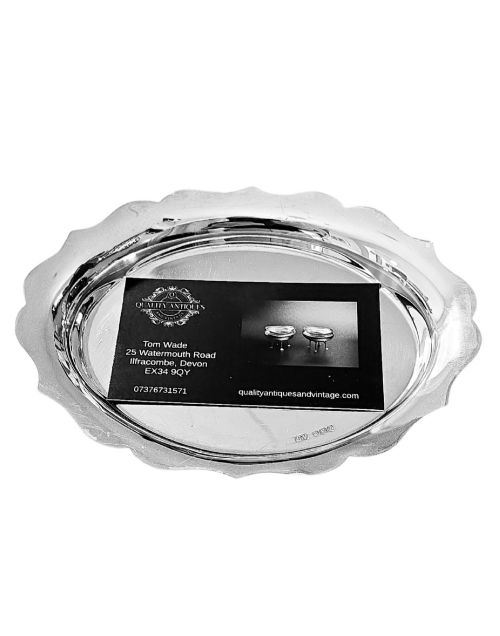
Vintage Silver Trinket Dishes
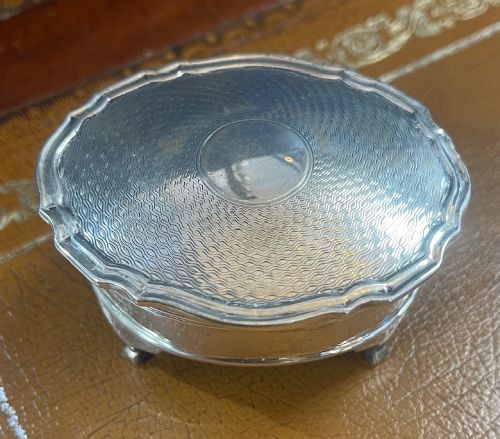
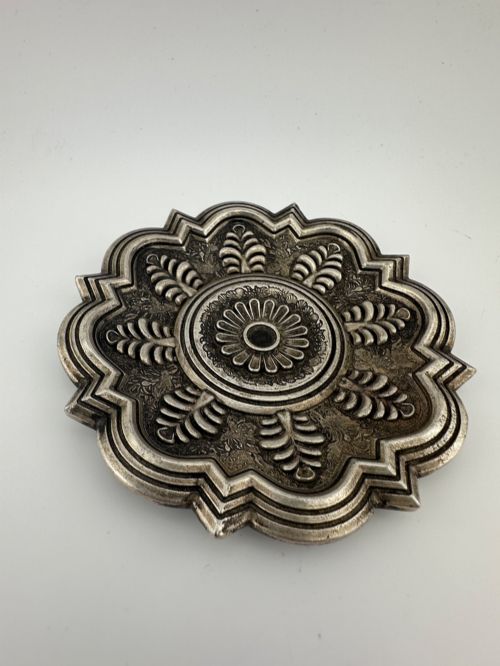
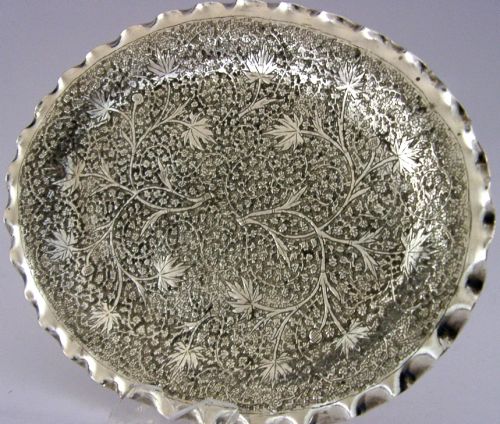
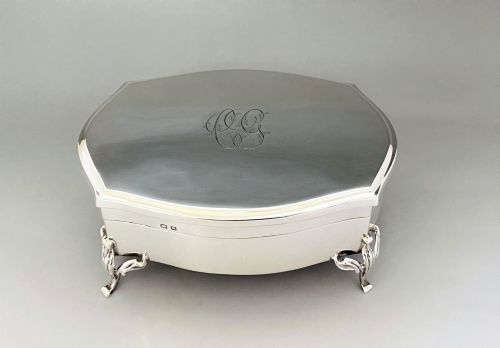
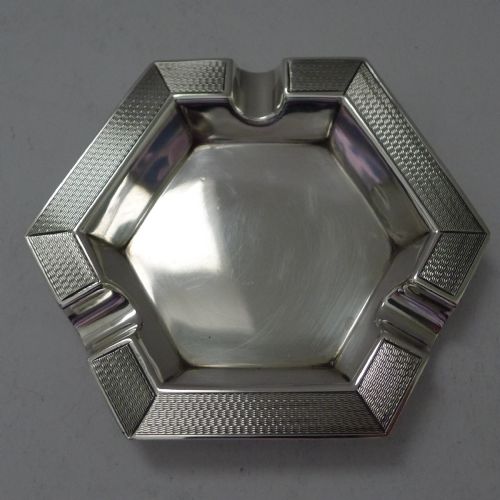
Vintage silver trinket dishes gather dressing table trifles and desk items, spanning Edwardian glass combinations to mid-century novelty pieces.
Vintage Silver Trinket Dishes
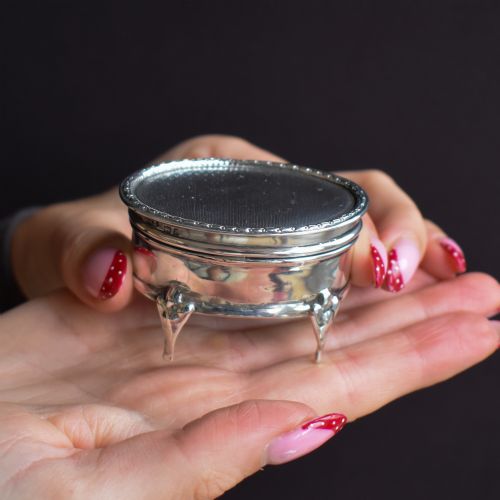
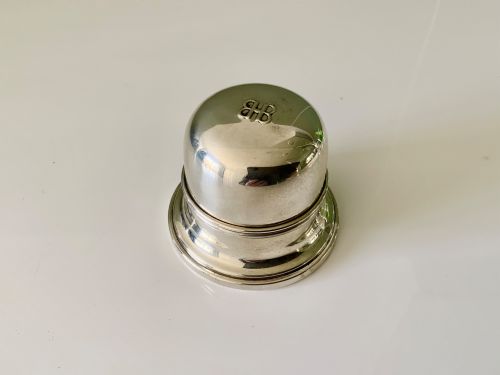
Vintage silver trinket dishes comprise small receptacles designed to hold rings, pins, and small personal items on dressing tables and desks. When searching for vintage silver trinket dishes, buyers encounter forms ranging from simple pin trays to lidded boxes and glass containers with silver mounts.
The selection includes pieces from the nineteenth century through the Edwardian period and the Art Deco era up to mid-century designs. English hallmarked items sit alongside continental European works, silver-plated novelties, and pieces reflecting Anglo-Indian or Chinese export styles.
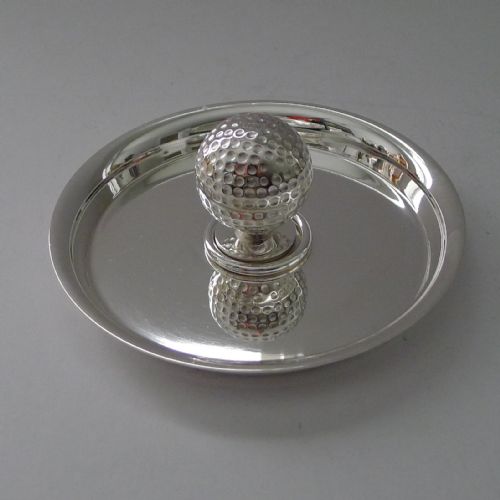
Common formats on this page include cut glass bowls with silver lids, heart-shaped boxes, small pill boxes, and novelty dishes shaped as animals or boats. These objects served domestic dressing table routines and ornamental roles in past decades.
How they were made
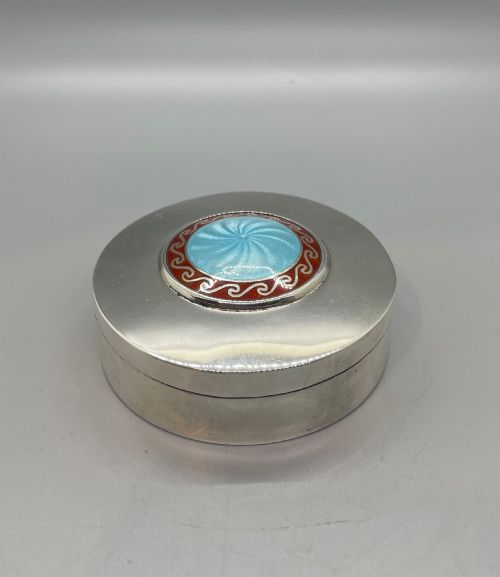
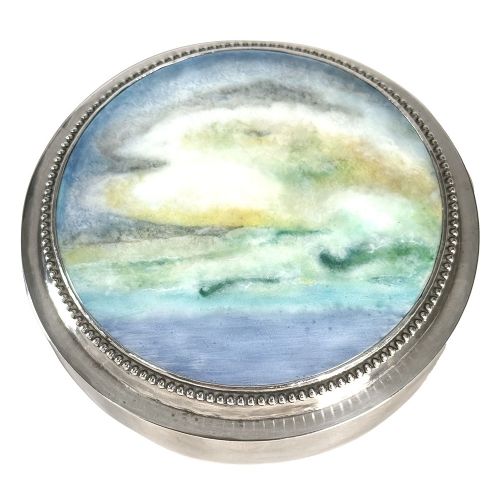
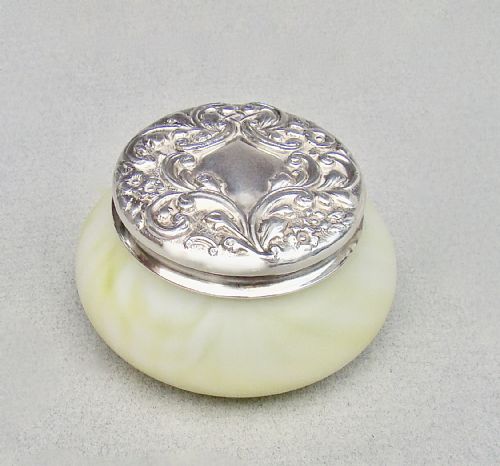
Makers utilised sterling silver, solid silver, and silver plate, often combining metalwork with cut glass, enamel, tortoiseshell, or porcelain. Lidded boxes frequently pair a heavy glass or crystal base with a hallmarked silver lid stamped or chased with decorative motifs.
Enamelling techniques introduced blue, pink, or multi-coloured surfaces to silver lids and pin dishes, particularly during the Edwardian and Art Deco periods. Hand-beating, casting, and repoussé work shaped the metal bodies of baskets, bowls, and novelty vessels.
Vintage Silver Trinket Dishes Retail Price Guide 2026
Typical asking prices for vintage silver trinket dishes among the pieces listed under this phrase on Sellingantiques today, from the lower quarter to the upper quarter. They describe what is for sale here now, not the wider market.
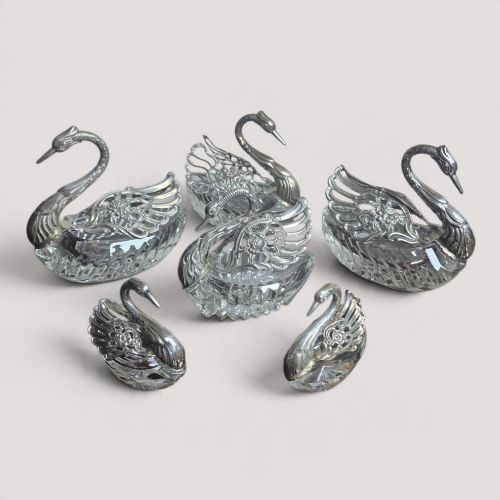
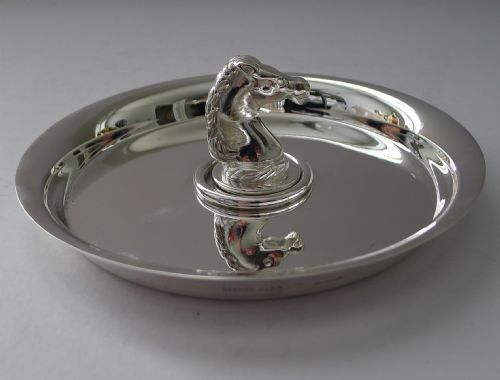
Squirrels, swans, horses, and rowing boats all take their turn holding your loose pins in this curious menagerie of silver dishes.
What varies in quality
Quality differences stem from the weight of the metal, the complexity of the chasing or repoussé work, and the integration of secondary materials like enamel and cut glass. Heavier solid silver items and pieces featuring crisp, detailed casting stand apart from lighter or simpler constructions.
The presence of clear hallmarks indicating specific makers, assay offices, and dates elevates a piece. Intact enamel free from chipping and glass bases without heavy scratching distinguish well-preserved examples from heavily worn specimens.
A. J. Pepper & Co·A. Bromet & Co·William Neale·John Grinsell & Sons·Posen·Henry Williamson Ltd
The Vintage Silver Trinket Dishes Glossary
- Hallmark
- Official marks stamped on precious metals indicating the standard of silver, the assay office, and the date letter. These stamps allow collectors to trace the origin and exact year of manufacture.
- Vide poche
- French term meaning empty pocket, describing small trays or dishes placed in hallways or on desks for coins, keys, and pocket items. They appear frequently in mid-century silver-plated designs.
- Repoussé
- A metalworking technique where the metal is hammered from the reverse side to form a raised design in relief. This method created the ornate floral and scroll patterns seen on many Edwardian and Victorian pieces.
- Castle top
- A descriptive term for boxes and trays featuring a detailed engraved or cast representation of a historic building or castle on the lid. These are sought after by specialised topographical collectors.
- Sweetmeat basket
- A small open vessel originally used for holding small confectioneries, sweetmeats, or nuts at the dining table. In later contexts, smaller versions function as open trinket or pin holders.
Vintage Silver Trinket Dishes: Frequently Asked Questions
How do I date a silver trinket box?
Dating relies primarily on the stamped hallmarks found on the metal components, which typically include a maker's mark, a standard mark for silver purity, an assay office symbol, and a date letter.
Comparing the letter punch against published assay office tables reveals the precise year the piece was hallmarked and entered trade.
What is the difference between solid silver and silver plate?
Solid silver or sterling silver objects consist of a regulated precious metal alloy throughout, containing a high percentage of pure silver combined with strengthening metals.
Silver plate involves a thin layer of silver bonded to a base metal core, such as copper, brass, or pewter, which becomes visible if the outer layer wears away.
How were glass and silver trinket dishes used?
These dishes sat atop dressing tables, vanity units, and mantelpieces to contain loose jewellery, hairpins, collar studs, and small daily accessories.
Lidded versions protected delicate items from dust while keeping dressing tables orderly and decorative during the Edwardian and Art Deco periods.
How do I care for antique silver and enamel?
Maintenance requires gentle cleaning with a soft cloth and specialised silver polish, taking care to avoid abrasive materials that can scratch the metal surface.
Enamelled and glass sections should be wiped clean with a damp cloth rather than immersed in liquid dips, protecting fragile coloured glazes and mounted settings.