






Vintage Silver Top Bottle
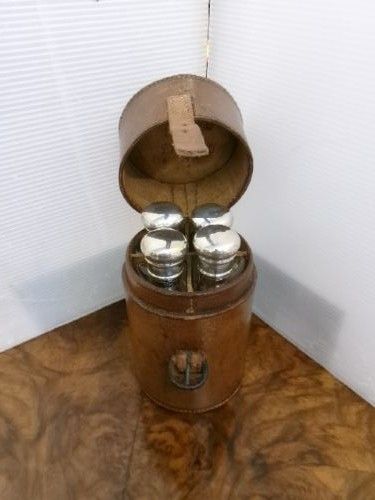
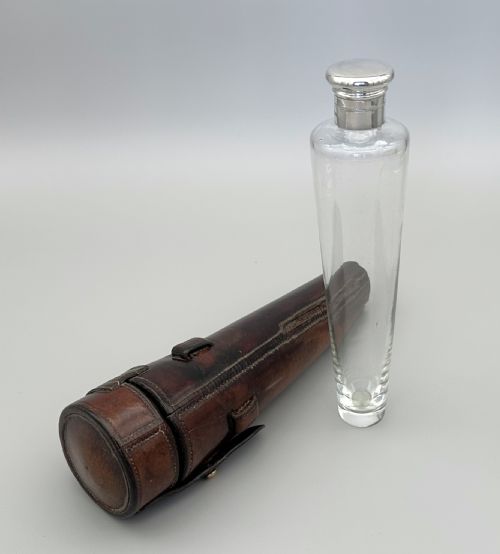
A vintage silver top bottle combines brilliant glass and polished metal to hold scent, spirits, or ink with period style.
Vintage Silver Top Bottle
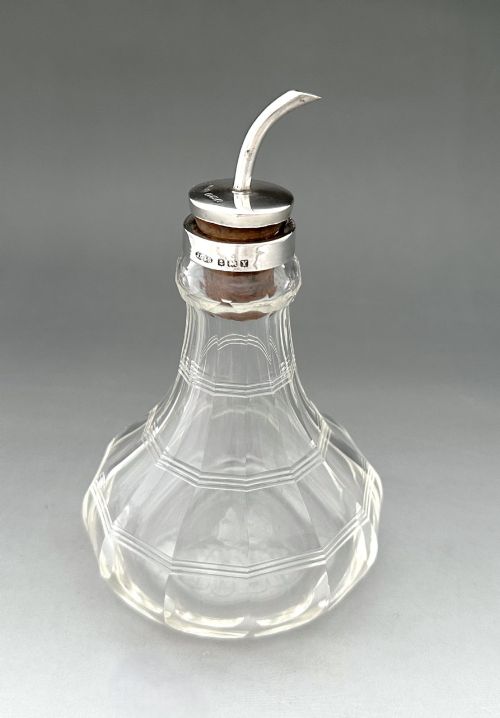
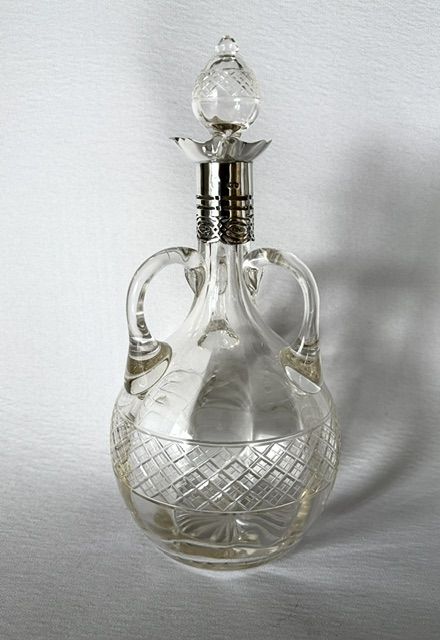
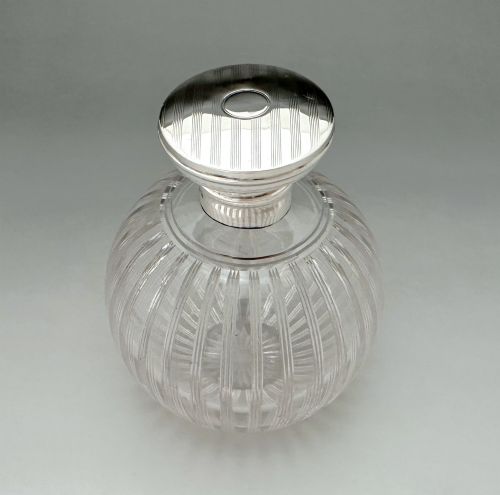
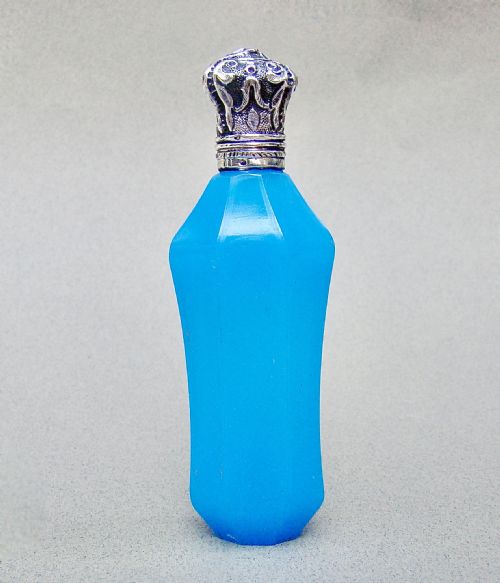
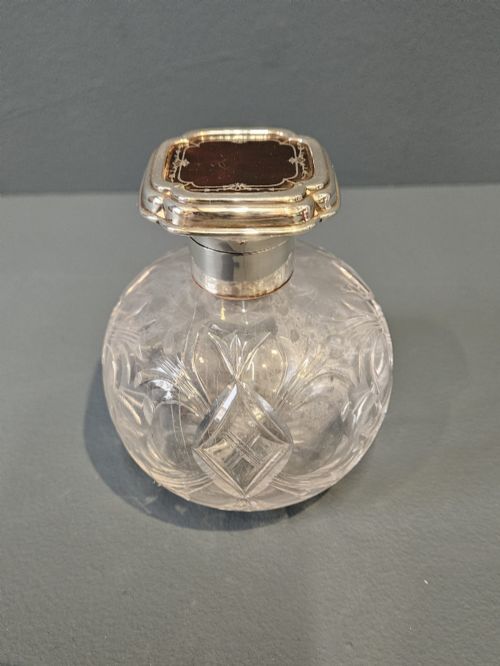
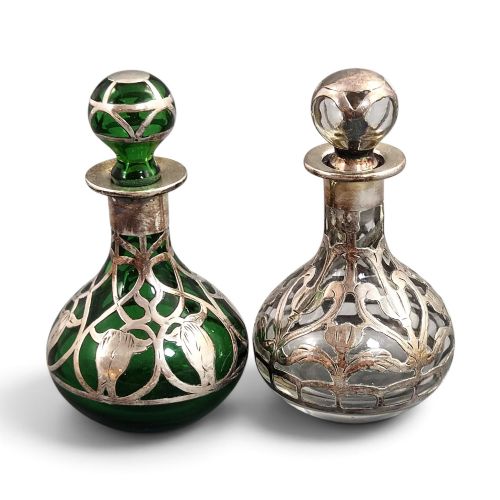
A vintage silver top bottle encompasses scent vessels, decanters, cruets, and flasks gathered across Victorian, Edwardian, and Art Deco eras.
The most frequent examples combine cut crystal or glass bodies with hallmarked sterling silver collars, lids, or mounts.
These pieces originated as dressing table accessories, barware, or dining table cruets, reflecting the domestic habits of the nineteenth and early twentieth centuries.
Materials and Technique
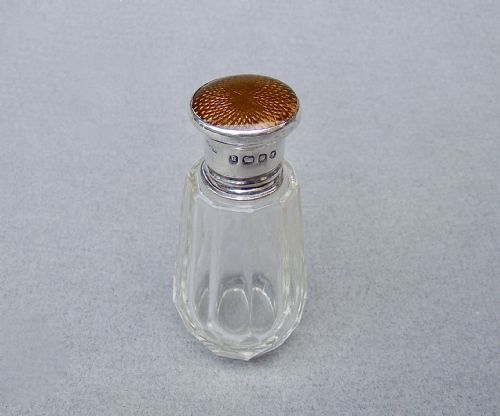
Craftsmen paired blown or moulded glass and crystal with sterling silver elements, often incorporating tortoiseshell, guilloche enamel, or opaline glass.
Silversmiths shaped metal mounts through casting and spinning, then applied chased, engraved, or enamelled decoration by hand.
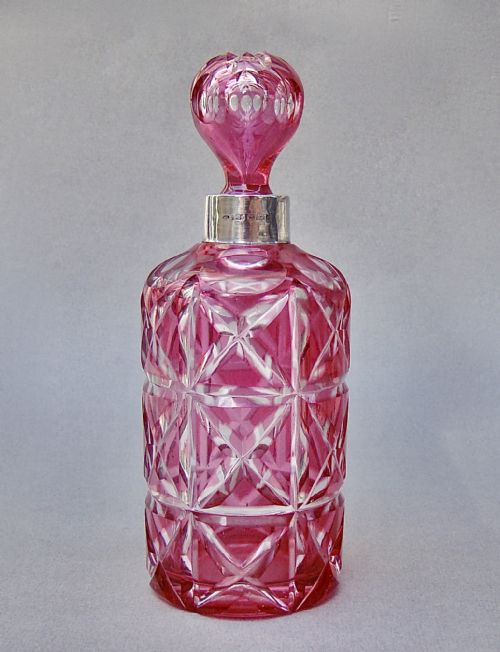
Glass bodies received faceted cutting, floral etching, or overlay techniques to create contrast with the polished silver collars.
Vintage Silver Top Bottle Retail Price Guide 2026
Typical asking prices for vintage silver top bottle among the pieces listed under this phrase on Sellingantiques today, from the lower quarter to the upper quarter. They describe what is for sale here now, not the wider market.
Evaluating Craftsmanship
Quality rests on the weight and clarity of the glass, alongside the thickness of the silver mount and the crispness of its hallmark stamps.
Superior examples feature intricate hand-cut faceting, undamaged enamel work, and perfectly fitted silver lids that seal the bottle securely.
Harold Bushell and Co·Henry Perkins·Hukin and Heath Ltd·Barnsley and Co·Adie Brothers Ltd
The Vintage Silver Top Bottle Glossary
- Sterling silver
- A silver alloy containing 92.5 percent pure silver by mass, standard for quality British metalwork. Hallmarks on the collar often indicate the assay office, maker, and year of manufacture.
- Guilloche enamel
- A decorative technique where precise geometric patterns are machined into metal beneath a translucent enamel layer. This finish appears frequently on twentieth-century vanity pieces.
- Cut glass
- Glass decorated by grinding facets or patterns into the surface using wheels, creating weight and brilliance. Many decanters and perfume bottles rely on this method.
- Opaline glass
- An opaque or translucent glass type produced in pastel shades like turquoise or green. It forms the colourful bodies of certain nineteenth-century scent bottles.
- Tortoiseshell
- The outer shell of certain turtle species used historically for decorative inlays on lids and brushes. It provides a dark, mottled brown contrast against silver mounts.
Vintage Silver Top Bottle: Frequently Asked Questions
How do I clean a silver top bottle?
Wash the glass body gently in warm soapy water while keeping moisture away from the interior of the silver lid, especially if tortoiseshell or enamel is present.
Polish the sterling silver mount with a dry cloth and a dedicated silver cleaner, taking care not to let abrasive liquids touch the glass or decorative inserts.
Can I use these for modern perfume?
These vessels suit modern liquids provided the glass interior is clean and the stopper or lid seals tightly against evaporation.
Check that older cork or ground glass stoppers remain intact to protect volatile oils from leaking or drying out.
How do hallmarks date a bottle?
British hallmarking stamps on the silver mount identify the specific assay office, the maker's mark, and a designated letter code for the year of production.
Reference tables match these stamped letters to exact years from the Victorian, Edwardian, or Art Deco periods.
What caused the different glass colours?
Makers added mineral oxides to the molten glass batch, such as cobalt for blues or gold compounds for cranberry and red tones.
Overlay techniques involved casing a coloured glass body in clear crystal before cutting through the outer layer to expose the shade beneath.