





Vintage Silver Tag
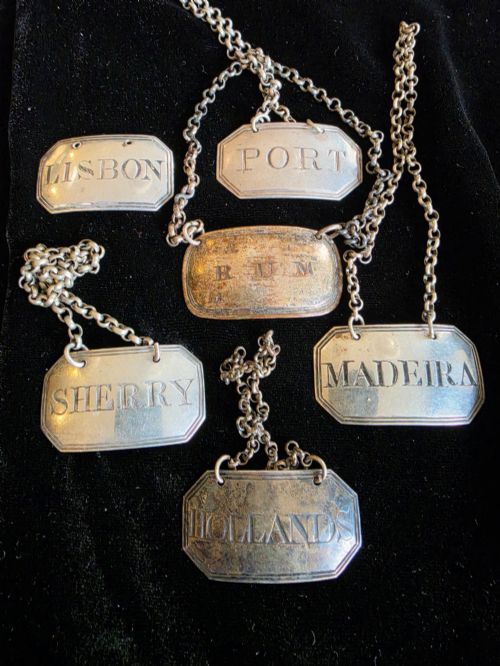
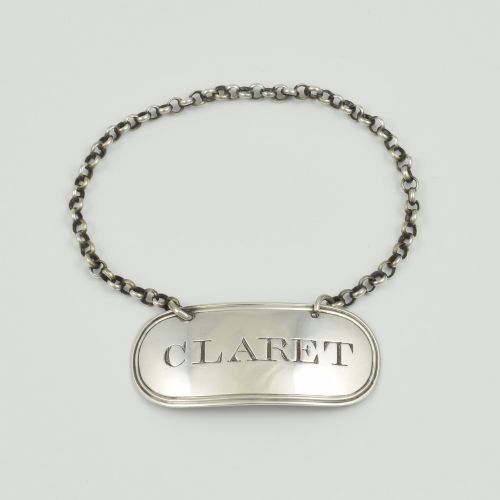
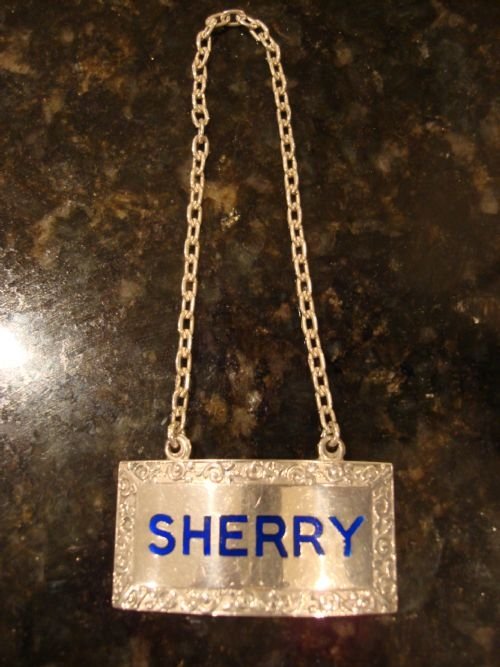
These vintage silver tag pieces are small, finely struck wine and spirit labels used to identify decanters.
Vintage Silver Tag
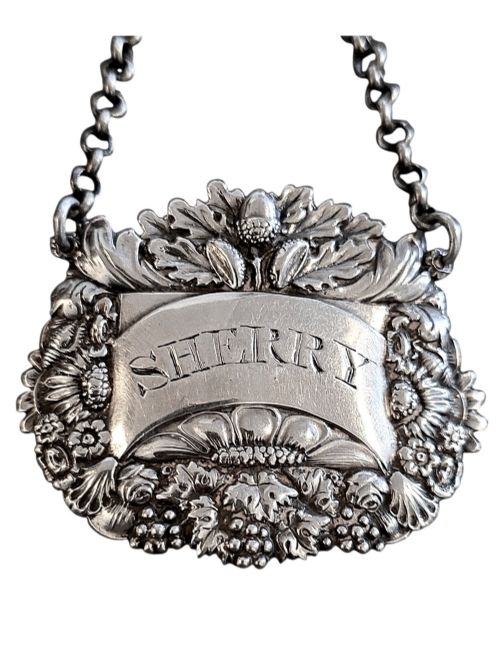
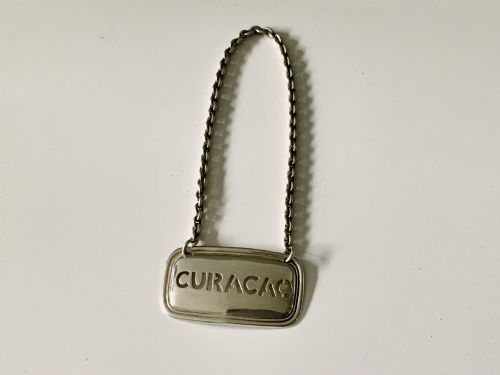
When you examine vintage silver tag pieces, you are looking at decanter labels and wine tickets shaped to name specific beverages like port, sherry, madeira, claret, gin, and brandy. The items on this page span several eras including Georgian, Victorian, Edwardian, and mid-century modern design.
You will most frequently meet solid silver and sterling silver examples produced in traditional British workshops alongside occasional pieces featuring enamel or silver gilt finishes. These identifiers hang from bottle necks by slender chains to grace dining tables and sideboards.
The selection ranges from single 18th-century Scottish provincial pieces to matched sets from the Victorian and Edwardian periods. Each object demonstrates the changing stylistic preferences from Rococo Revival curves to clean mid-century lines.
How they were made
Silversmiths shaped these pieces from sterling silver and solid silver using piercing, stamping, and casting techniques to achieve openwork frames and embossed vine motifs. Artisans applied silver gilt layers to create contrasting golden tones on specific designs.
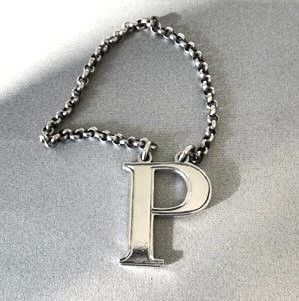
Makers integrated glass and colourful enamel panels into later mid-century works to provide visual variety alongside traditional metal engraving. Chains attached securely to cast loops so the tag could suspend freely from the decanter neck.
Vintage Silver Tag Retail Price Guide 2026
Typical asking prices for vintage silver tag among the pieces listed under this phrase on Sellingantiques today, from the lower quarter to the upper quarter. They describe what is for sale here now, not the wider market.
Some labels specify unusual beverages like gin and moselle, proving that ancestors enjoyed varied pours.
What varies in quality
Quality rests upon the crispness of the piercing, the depth of the repoussé work, and the clarity of the engraved lettering naming the spirit. Superior examples display substantial gauge silver that resists bending during handling.
The presence of clear hallmarks adds significant weight to a piece, confirming the year of manufacture, assay office, and silversmith. Matched sets demonstrate higher desirability due to the difficulty of assembling uniform groups over time.
William Barrett II·Elizabeth Morley·Thomas Wallis II·Mappin and Webb
The Vintage Silver Tag Glossary
- Decanter label
- A small metal tag suspended by a chain around the neck of a decanter to identify its contents. These items are also historically known as wine labels or wine tickets.
- Hallmark
- An official stamp applied by an assay office to indicate the metal purity, year of production, and maker identity. British silver typically carries multiple distinct marks.
- Silver gilt
- Sterling silver that has been coated with a thin layer of gold to give a rich yellow finish. This technique highlights embossed details like vine leaves.
- Provincial silver
- Items manufactured and marked outside of the major official assay offices such as London or Birmingham. Scottish provincial pieces are particularly noted for local maker marks.
- Piercing
- A technique where metal is cut away to form openwork patterns such as scrolls, borders, or letters. Skilled artisans executed this work by hand before the advent of machine stamping.
Vintage Silver Tag: Frequently Asked Questions
How do you clean vintage silver tags?
Clean these items gently using a soft cloth and a reputable silver polish formulated to remove tarnish without stripping surface detail. Avoid abrasive pads that can scratch engraved lettering or damage enamel and glass elements.
Store the pieces flat or hang them carefully to prevent the delicate chains from tangling or kinking. Proper handling preserves the original hallmarks and the integrity of the thin metal gauge.
Were these labels always hung on decanters?
These tags were designed specifically to hang from the necks of glass decanters and wine bottles using slender silver chains. They ensured guests could identify the vintage or spirit without removing the stopper.
As dining habits evolved, the forms adapted from Georgian Rococo shapes to Edwardian and mid-century aesthetics while retaining their primary function on the table.
How can I date my silver label?
Dating relies primarily on the stamped hallmarks, which record the assay office, standard of silver, and a specific date letter corresponding to the year of manufacture. Stylistic clues such as vine leaf motifs, Rococo Revival curves, or mid-century enamel also indicate the period.
Comparing the typography of the engraved beverage title helps place the piece within Georgian, Victorian, or later traditions.
What is the difference between a label and a ticket?
Decanter label and wine ticket are largely interchangeable terms used to describe the metal identifiers hung around bottle necks. Historical inventories and collectors often use both descriptions depending on regional preference.
Both terms refer to the same functional object designed to name beverages like port, sherry, claret, and Madeira.