
Vintage Silver Table Dish
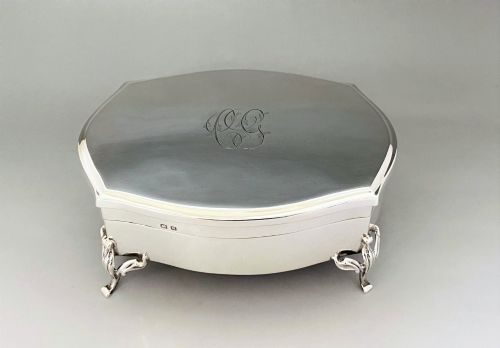
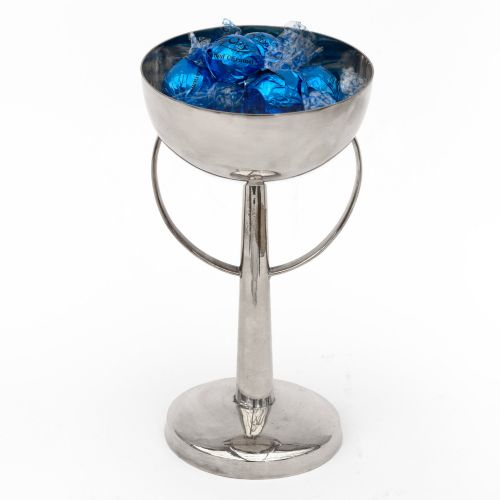
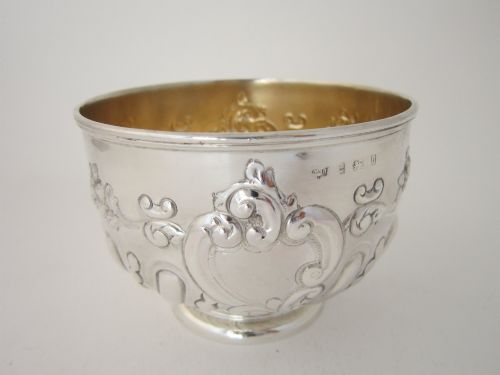
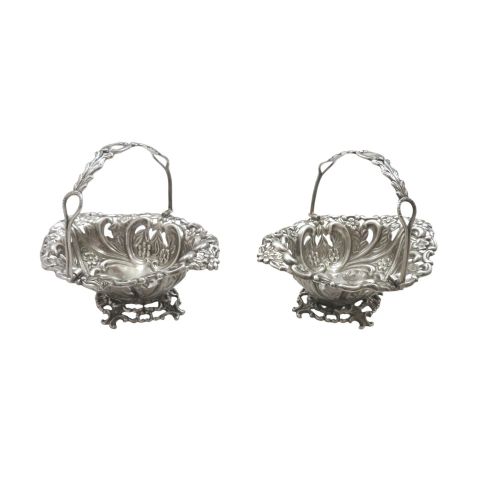
These vintage silver table dish items span decorative baskets, trinket boxes and serveware from Victorian, Edwardian and mid-twentieth-century periods.
Vintage Silver Table Dish
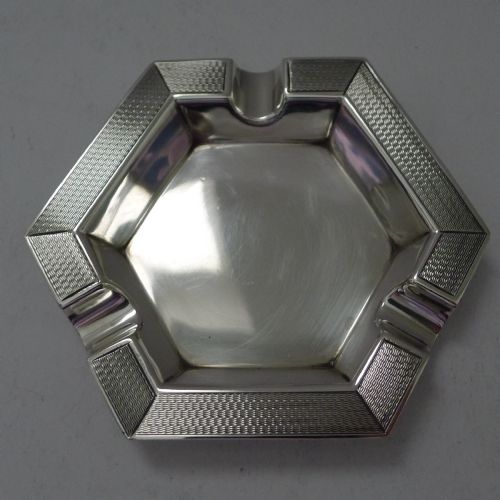
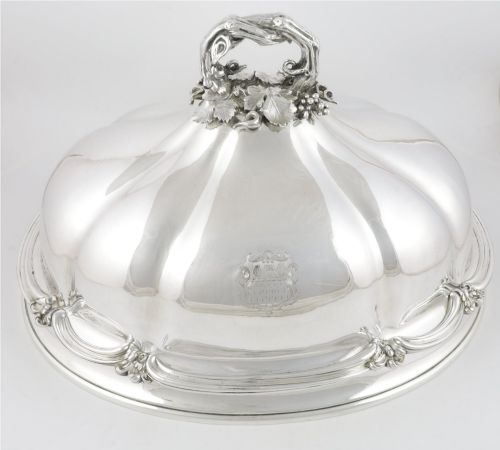
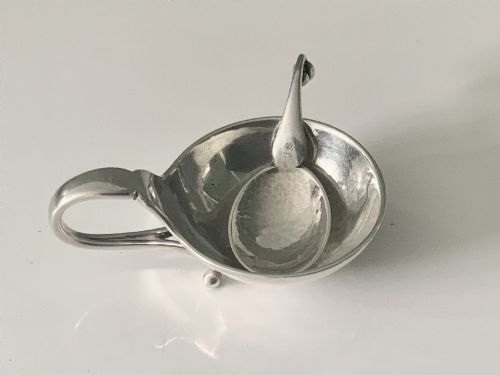
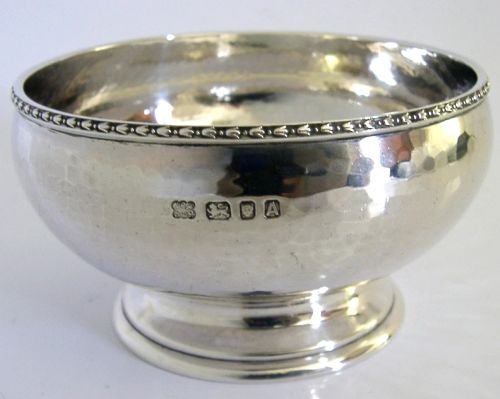
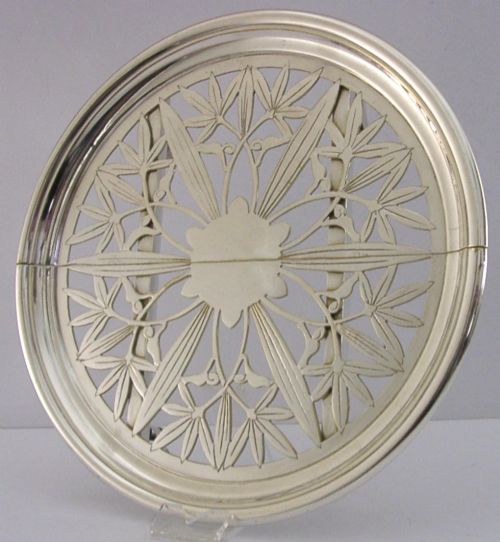
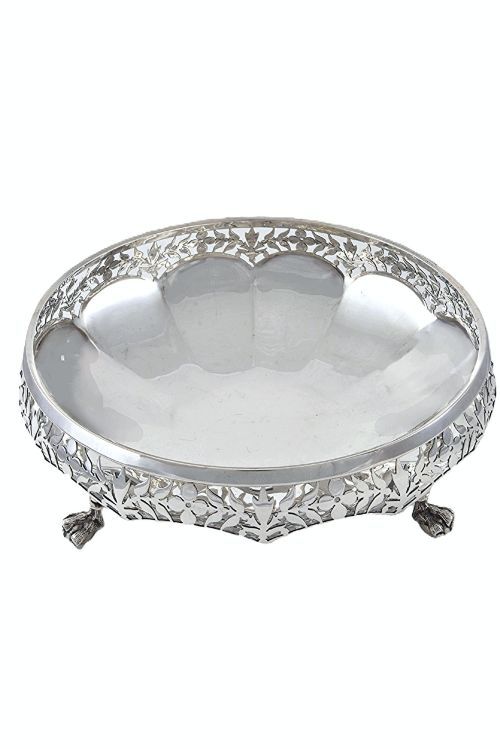
A vintage silver table dish encompasses a diverse selection of functional and decorative vessels designed for dining tables, sideboards and dressing tables. The assortment includes solid sterling silver and silver plated bowls, baskets, trinket boxes, salt cellars and meat domes spanning the nineteenth and twentieth centuries.
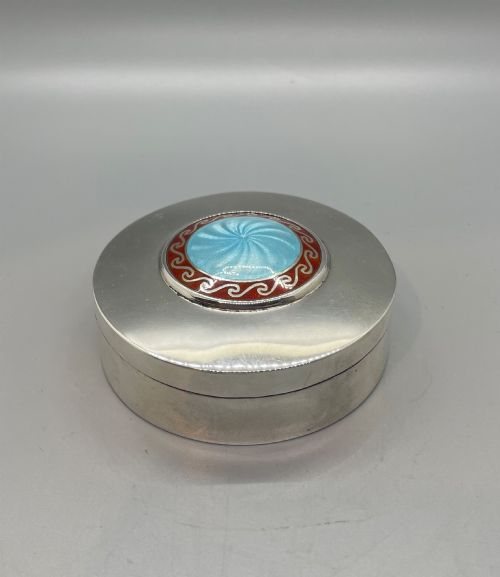
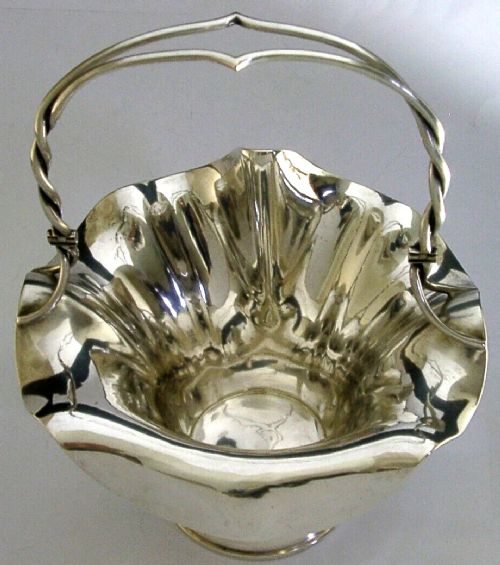
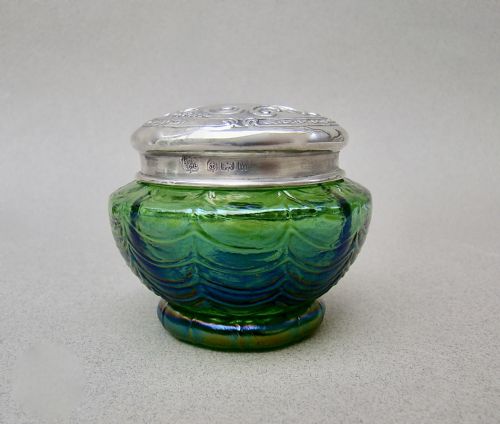
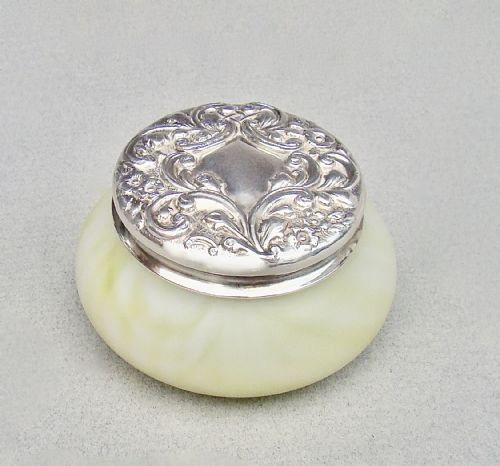
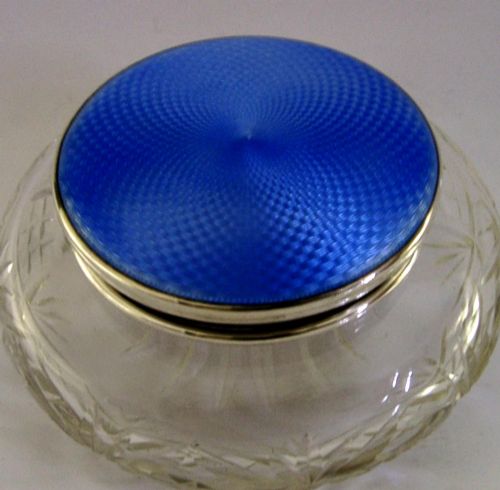
Shoppers frequently encounter Edwardian and George V silver plated baskets alongside sterling silver bowls from the Art Nouveau and Art Deco periods. Smaller tabletop items such as glass trinket boxes with silver lids and enamel details also appear across the selection.
Origins range from British workshops in Birmingham and Sheffield to continental makers like Christofle and Georg Jensen, demonstrating varied manufacturing traditions across Europe.
How they were made
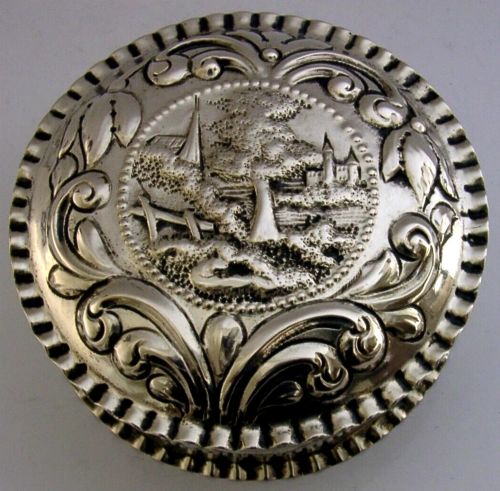
Silversmiths utilised traditional manufacturing methods including solid casting, hand-hammering, piercing and planishing to shape sterling silver and copper bases for silver plating. Many pieces incorporate applied decorative details such as floral repoussé rims, cast handles and pierced openwork patterns.
Combinations of silver with other materials are prevalent, utilising cut glass, satin glass, kralik glass and ceramic liners alongside tortoiseshell and enamel panels. Old Sheffield Plate techniques appear on nineteenth-century pieces, fusing silver sheets to copper foundations.
The inventory spans Victorian, Edwardian, Art Nouveau and Art Deco periods across bowls, baskets and trinket boxes.
What varies in quality
Distinctions in quality rest on the weight of the metal and the crispness of decorative chasing or repoussé work. Heavier gauge silver and substantial silver plate layers indicate superior durability and craftsmanship.
The integration of secondary materials such as undamaged cut glass liners, intact enamel work and well-fitted hinged lids elevates a piece. Maker marks and clear hallmarks also contribute to the distinction between standard domestic items and superior examples.
A. J. Pepper & Co·A. Bromet & Co·William Neale·Roberts Cadman·Georg Jensen·Christofle·Mappin & Webb·Henry Wilkinson·Creswick·Elkington
The Vintage Silver Table Dish Glossary
- Silver Plate
- A base metal, often copper or Britannia metal, coated with a thin layer of silver. This technique offered an accessible alternative to solid sterling silver for large dining items.
- Sterling Silver
- An alloy containing 92.5 percent silver by mass, with the remainder usually copper. It represents the standard for high-quality British silver objects.
- Old Sheffield Plate
- An early form of plated metal produced by fusing a sheet of silver to a copper ingot before rolling them together into sheets. This method often reveals a thin line of copper at the cut edges.
- Repoussé
- A metalworking technique where the artist hammers the design from the reverse side to form a raised pattern in relief on the front. It is frequently seen on Edwardian and Victorian dish rims.
- EPNS
- Electroplated Nickel Silver, a common base metal alloy of copper, nickel and zinc that is electroplated with silver. It became the dominant method for producing durable tableware from the late nineteenth century onward.
Vintage Silver Table Dish: Frequently Asked Questions
What is a vintage silver table dish used for?
These vessels served diverse domestic functions, ranging from holding fruit, bread and bonbons at the dining table to containing trinkets, pills and small accessories on a dressing table.
Larger items like meat domes and chafing dishes kept food warm during formal meals, while baskets held fruit or floral arrangements.
How can I tell solid silver from silver plate?
Examination of the hallmarks stamped into the metal usually reveals the composition, with sterling standards indicated by symbols such as a lion passant in British pieces.
Silver plate items often feature maker-specific marks denoting electroplating methods or base metals like EPNS, and may show base metal beneath worn areas.
How do I care for silver table items?
Regular dusting with a soft cloth prevents dust accumulation, while occasional cleaning with a specialist silver polish maintains the shine without removing the plating.
Items containing glass liners, enamel or tortoiseshell require careful hand cleaning to protect the delicate secondary materials from moisture damage.
What periods do these pieces come from?
The selection spans the nineteenth and twentieth centuries, encompassing Victorian, Edwardian, Art Nouveau and Art Deco eras.
Earlier nineteenth-century examples often feature Old Sheffield Plate, while twentieth-century items showcase modernist geometric designs and coloured glass combinations.