

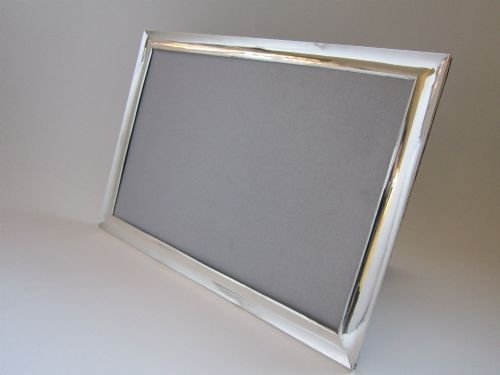
Vintage Silver Standing Frame
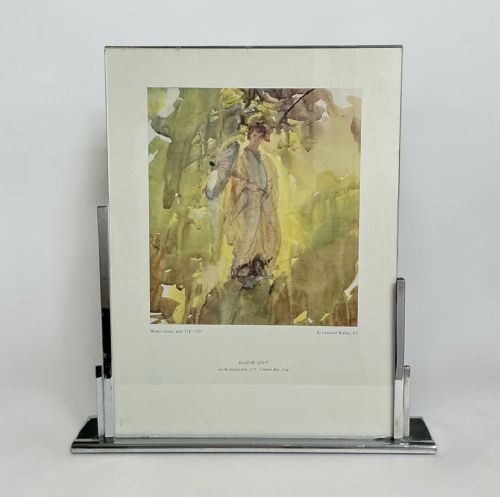
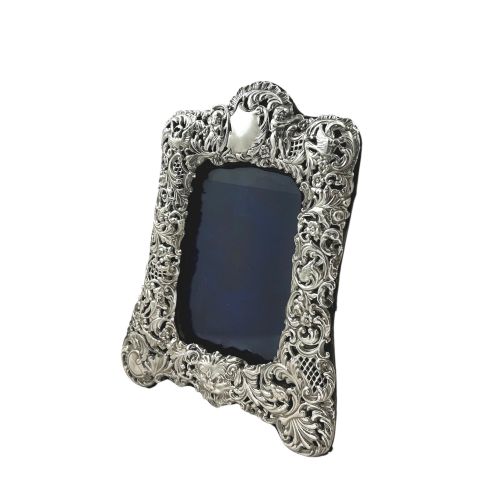
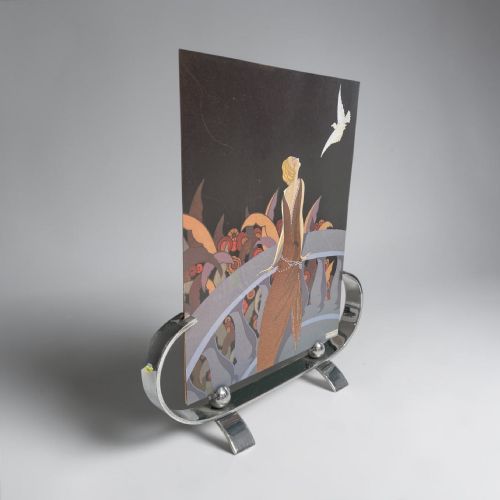
These vintage silver standing frame examples range from Edwardian portrait pieces to Art Deco designs, offering a refined way to display photographs.
Vintage Silver Standing Frame
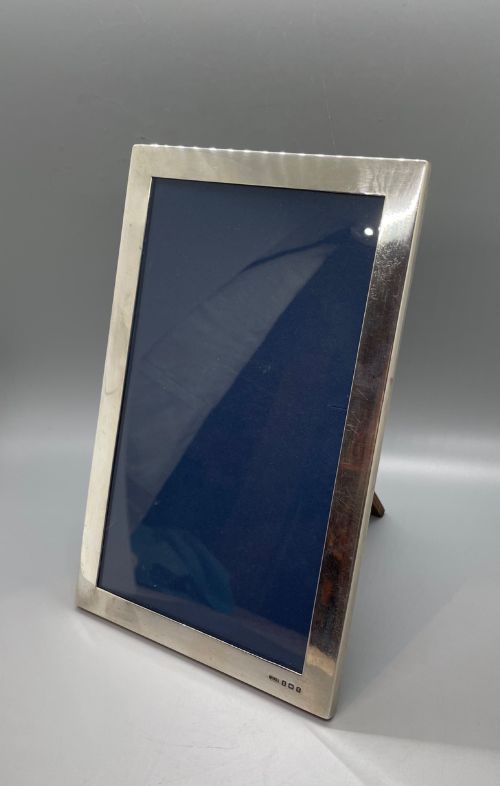
A vintage silver standing frame is designed to hold photographs, portraits, and pictures upright on a desktop or mantelpiece using an integrated support. When exploring this selection, buyers frequently encounter Edwardian and George V pieces alongside later mid-century Italian examples.
The objects span varied configurations, from small round frames to large rectangular photograph frames with wooden or leather backs. Alongside standard picture frames, the selection incorporates related strut mirrors and pocket watch holders.
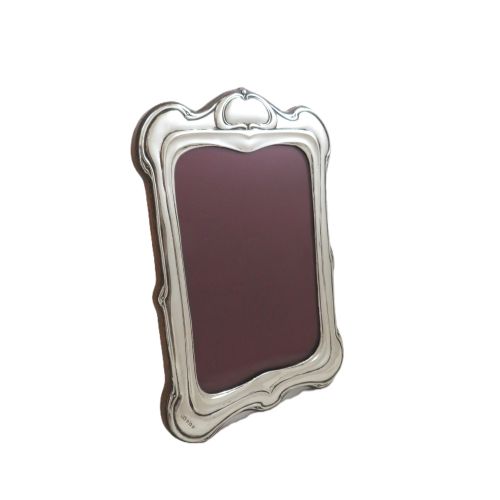
Originating predominantly from early twentieth-century workshops, these pieces showcase styles ranging from floral embossed borders to plain geometric profiles. The underlying construction typically relies on sterling silver or silver plate supported by sturdy internal backing materials.
How they were made
Silversmiths utilised sterling silver, silver plate, and 800 silver for the visible borders, applying techniques such as engine-turning and floral embossing to decorate the metal surface. Makers often mounted these precious metal facades onto wooden structures, oak backs, or fitted black leather backings.
The back of each frame integrates a hinged strut or support mechanism, allowing the object to stand securely on flat surfaces. Additional materials such as glass protect the photograph aperture, whilst velvet and fabric linings occasionally appear on related display accessories.
Vintage Silver Standing Frame Retail Price Guide 2026
Typical asking prices for vintage silver standing frame among the pieces listed under this phrase on Sellingantiques today, from the lower quarter to the upper quarter. They describe what is for sale here now, not the wider market.
Materials appearing across these listings include sterling silver, silver-plated metal, oak, glass, and black leather.
What varies in quality
The distinction between standard examples and superior pieces rests on the crispness of the metalwork and the integrity of the original backing. High-calibre items display deep, well-defined embossing and clean engine-turned patterns rather than shallow or worn stamping.
Material substance dictates durability, with heavier gauge sterling silver frames offering greater longevity than lighter silver-plated alternatives. The survival of original structural elements, including stable wooden stands and intact backings, elevates the standing of an individual piece.
Elkington·Pinci
The Vintage Silver Standing Frame Glossary
- Sterling silver
- An alloy containing a high proportion of pure silver combined with other metals to ensure structural strength. This material is frequently hallmarked to indicate its standard of purity.
- Silver plate
- A base metal foundation coated with a thin layer of silver through electroplating or older manufacturing methods. It offers the appearance of solid silver at a different scale of composition.
- Strut mirror
- A looking glass fitted with a hinged support arm on the rear, allowing the mirror to stand upright on a table. These share identical mechanical design principles with standing photograph frames.
- Engine-turned
- A decorative technique involving precise geometric patterns engraved mechanically into the metal surface. This finish provides texture and light-reflecting properties to the frame border.
- Hallmark
- Official stamps struck into precious metal objects indicating the assay office, maker, and standard of purity. These marks assist in dating and authenticating silver pieces.
Vintage Silver Standing Frame: Frequently Asked Questions
How do I date a silver frame?
Dating relies heavily on identifying official hallmarks stamped into the silver border, which indicate the specific assay office and year of manufacture. Stylistic indicators, such as Edwardian floral embossing or Art Deco geometric lines, provide further chronological context.
Examining the backing materials and construction methods also helps determine the era. Earlier pieces frequently incorporate fitted wooden or black leather backs with traditional metal hinges.
What is the difference between silver and plated frames?
Solid silver frames are constructed entirely from precious metal alloys throughout the visible border, whereas silver-plated pieces consist of a base metal coated in a thin layer of silver. Solid examples carry hallmarks denoting their silver standard.
Weight and wear patterns also distinguish the two types. Plated items may show base metal beneath the silver layer where handling has occurred over decades.
How do the support struts function?
The support strut is a hinged arm attached to the rear backing board that swings outward to prop the frame at an angle. Most designs allow the strut to fold flat against the back when the frame is not displayed upright.
These supports are typically secured with cloth ribbons or metal hinges. Careful handling of the hinge mechanism prevents strain on the backing material.
Can these frames hold modern photographs?
Most vintage frames accommodate standard photograph sizes, though older dimensions may occasionally require minor trimming of the picture. The internal aperture can be accessed by releasing the backing clips or tabs.
Care should be taken when opening older backing boards to protect the fragile original glass and lining materials. Acid-free barrier paper is often inserted to protect historical photographs.