



Vintage Silver Scent
These vintage silver scent pieces combine precious metal mounts with glass bodies, offering a touch of dressing table elegance for everyday use.
Vintage Silver Scent
When you search for vintage silver scent, you encounter miniature containers designed for perfume, cologne and smelling salts. These items span Victorian, Edwardian and Art Deco periods, encompassing both English hallmarked pieces and continental examples.
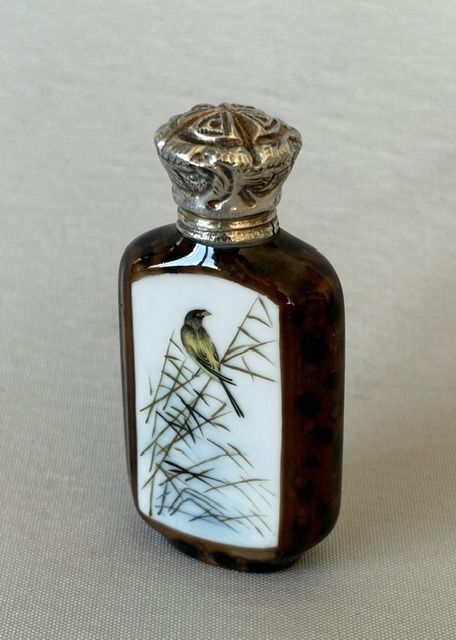
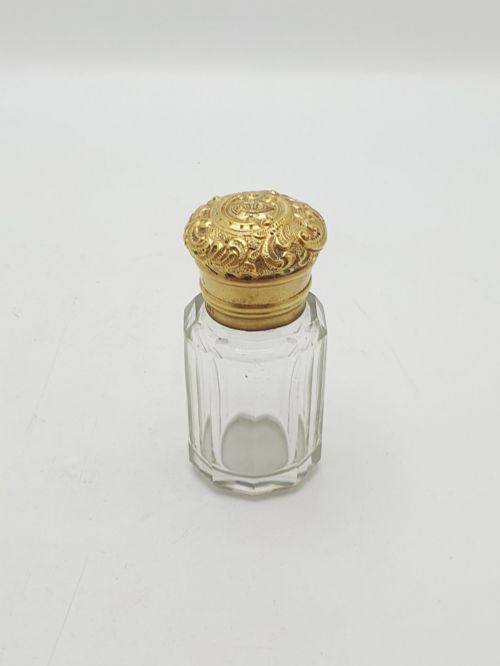
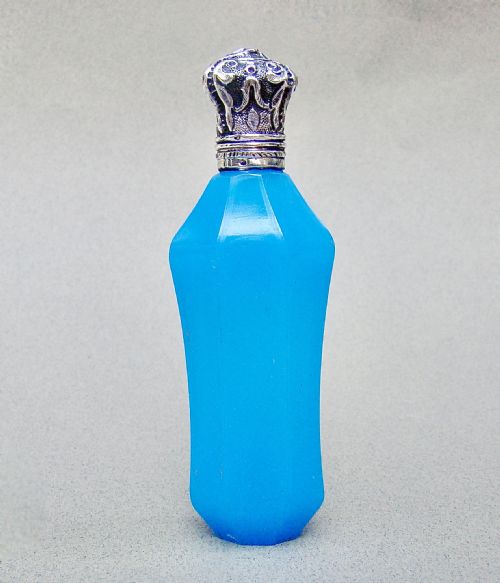
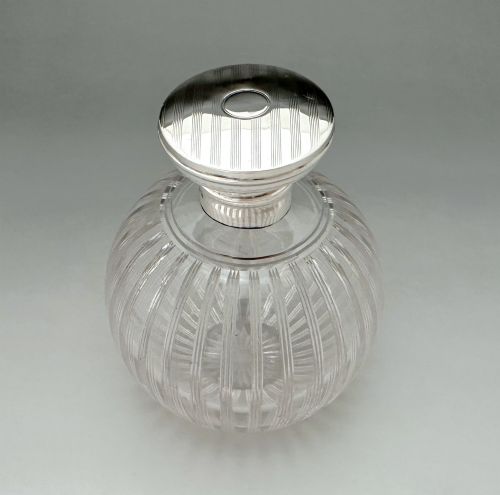
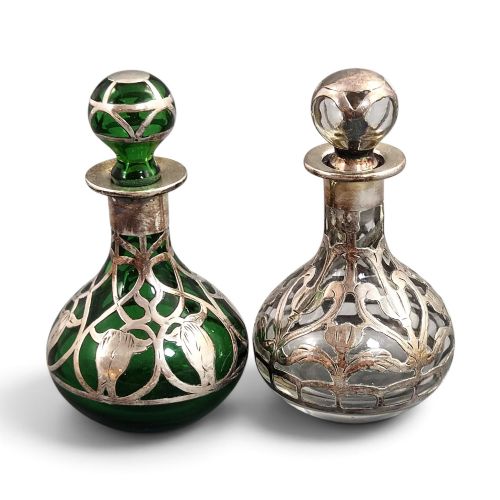
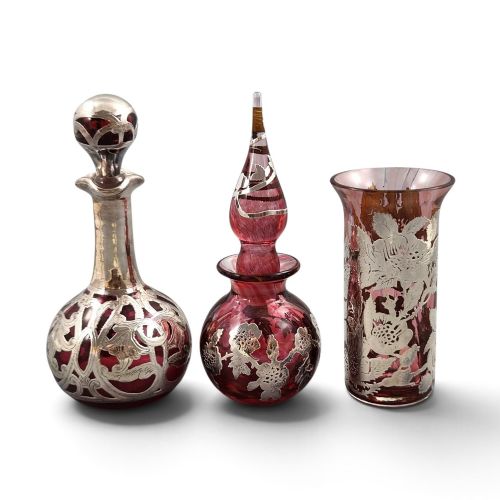
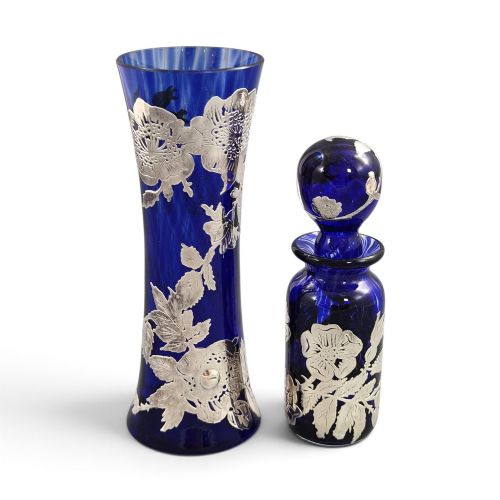
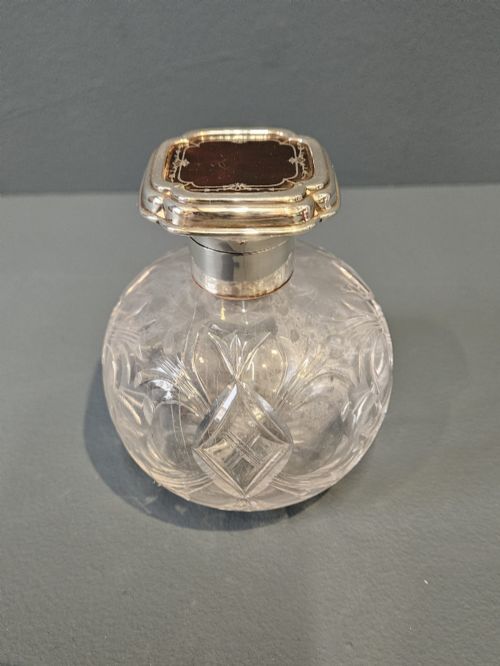
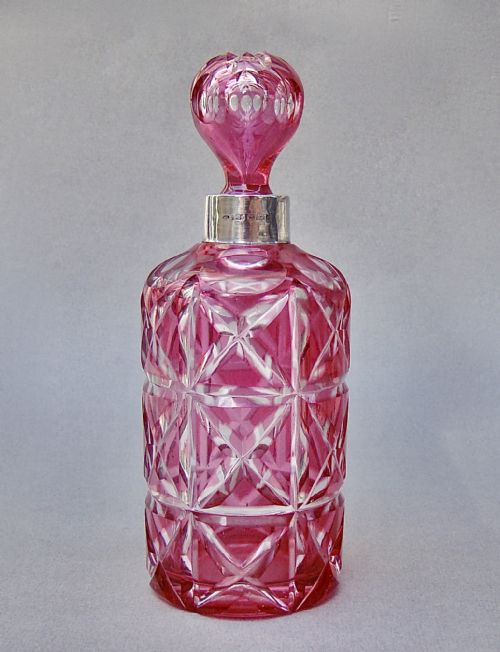
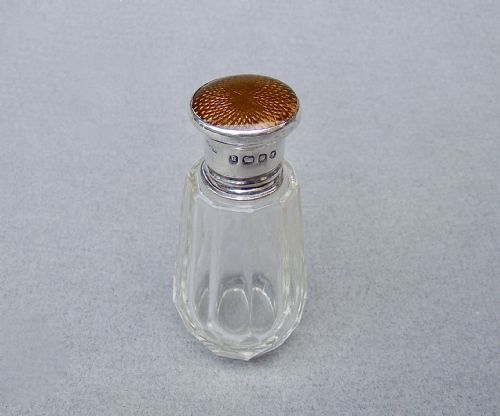
The objects take many forms, including cut glass bottles with sterling silver lids, enamel painted flasks, and vanity sets. Glass bodies range from clear cut crystal to coloured opaline, cranberry, amber and cobalt glass.
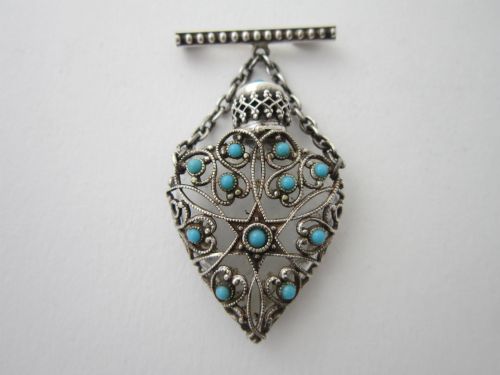
Makers paired these glass reservoirs with silver mounts, collars, and hinged lids, occasionally incorporating tortoiseshell or guilloche enamel. Collectors find everything from simple globular scent bottles to elaborate perfume atomisers and matching vanity glassware.
How they were made
Glassmakers produced the reservoirs using moulding, blowing and cutting techniques, creating faceted crystal, smooth opaline surfaces and coloured glass layers. Artisans then applied silver mounts, collars and intricate overlays to these glass bodies.
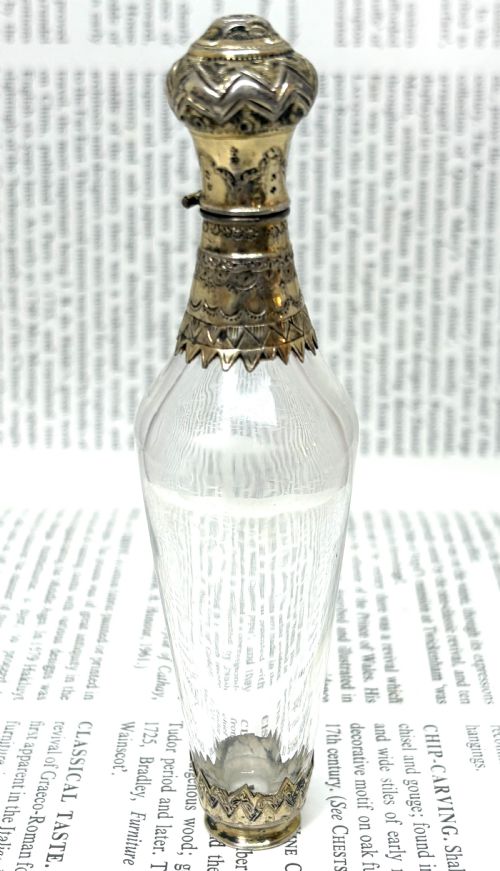
Silversmiths utilised stamping, chasing and piercing methods to shape the sterling silver and Old Sheffield plate components. Many pieces feature hand-painted enamel or guilloche enamel decoration set directly into the silver lids.
Vintage Silver Scent Retail Price Guide 2026
Typical asking prices for vintage silver scent among the pieces listed under this phrase on Sellingantiques today, from the lower quarter to the upper quarter. They describe what is for sale here now, not the wider market.
What varies in quality
Quality rests upon the crispness of the glass cutting, the weight of the sterling silver mount, and the precision of the hinge mechanism. Fine examples display unblemished enamel work and well-fitted stoppers that seal the glass neck securely.
The distinction between standard utility items and superior collector pieces involves the artistry of the silver overlay and the clarity of the coloured glass. Makers who employed detailed hand-painting or intricate guilloche patterns created the most sought-after vanity items.
Harold Bushell Co·Henry Perkins·Karl Palda·Adie Brothers Ltd
The Vintage Silver Scent Glossary
- Guilloche enamel
- A decorative technique where an engraved metal surface is covered with transparent enamel. This method produces repetitive geometric patterns beneath coloured glass layers.
- Opaline glass
- An opaque or semi-translucent glass developed in the nineteenth century. It frequently appears in soft turquoise, white and blue shades on vanity items.
- Silver overlay
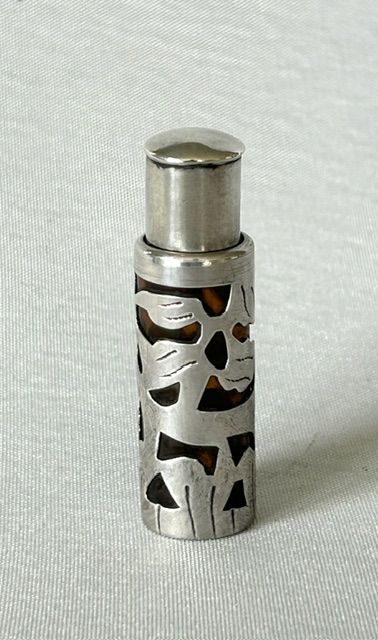
- Molten silver applied to a glass vessel in decorative patterns. Artisans then electroplated the design to secure it permanently to the bottle.
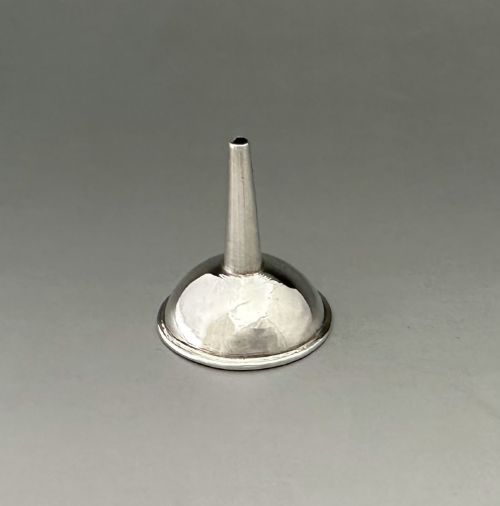
- Perfume funnel
- A small funnel used to transfer fragrance into narrow-necked scent bottles. These diminutive silver implements match the vanity sets of the period.
- Old Sheffield plate
- A composite material made by fusing a thin sheet of silver to a copper base. This technique preceded modern electroplating methods.
Vintage Silver Scent: Frequently Asked Questions
How do I clean a scent bottle?
Cleaning requires warm soapy water for the glass interior, taking care to keep moisture away from delicate paper labels or vintage cork stoppers. Silver mounts benefit from gentle wiping with a specialised polishing cloth.
Avoid submerging pieces that combine tortoiseshell or guilloche enamel with silver, as liquid can seep beneath the decorative panels and cause permanent damage.
How do I date these items?
English silver mounts usually bear hallmark stamps indicating the assay office, metal standard and date letter. These stamps provide an exact year of manufacture.
Stylistic cues such as geometric Art Deco enamel patterns, floral Art Nouveau silver overlays, or heavy Victorian cut glass help establish the period when hallmarks are absent.
Did men use scent bottles?
Gentlemen of the nineteenth and early twentieth centuries carried smaller flasks in fitted travel cases or pockets for personal grooming. These portable containers held cologne or refreshing waters.
Larger vanity bottles and matching sets remained dressing table accessories, while pocket-sized silver flasks served personal daily use.