

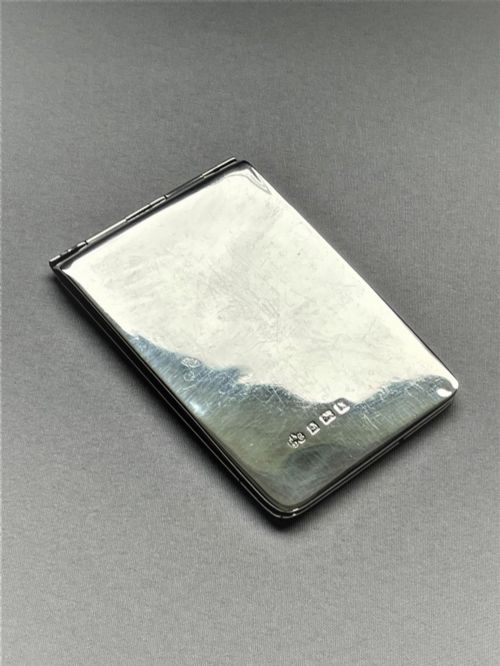
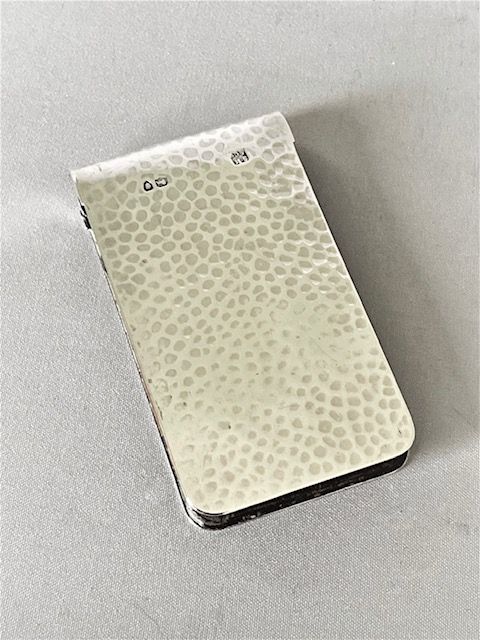


Vintage Silver Postage Holder
These vintage silver postage holder pieces sit on a desk to keep stamps organised and dry.
Vintage Silver Postage Holder
When someone searches for a vintage silver postage holder, they find desk accessories designed to hold stamps securely. The selection on this page includes stamp boxes, stamp cases, and wallets made during the Victorian, Edwardian, and George V periods.
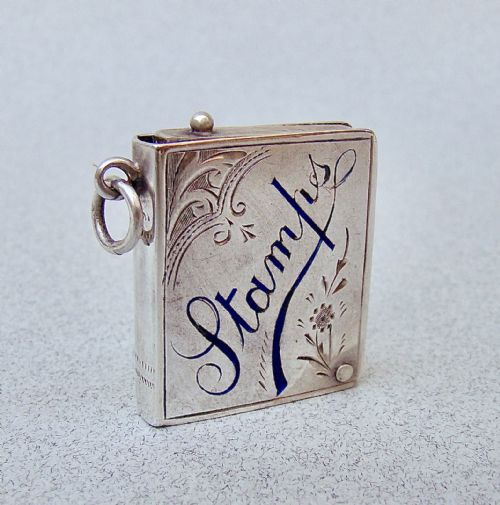
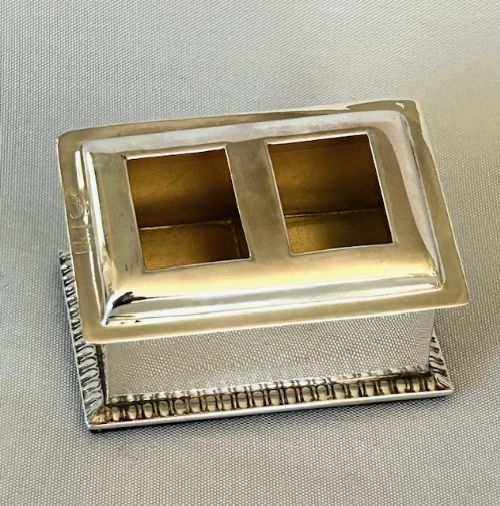
The most common forms are small boxes and folding cases that replicate the shape of letters or envelopes. Buyers also encounter novelty items like miniature wheelbarrows and patent dispensers alongside traditional double stamp boxes.
These items originate from the late nineteenth century through to the First World War. They reflect the era when regular postage required neat storage on a writing table.
How they were made
Silversmiths constructed these pieces primarily using sterling silver, silver plate, and brass, often combining them with glass, enamel, or leather. Metal components were shaped, engraved, and hallmarked to indicate origin and standard.
Box interiors frequently incorporate glass or fitted compartments to separate different postage values. Novelty items required precise miniature engineering to form realistic shapes such as garden wheelbarrows or miniature books.
Vintage Silver Postage Holder Retail Price Guide 2026
Typical asking prices for vintage silver postage holder among the pieces listed under this phrase on Sellingantiques today, from the lower quarter to the upper quarter. They describe what is for sale here now, not the wider market.
Listings feature items spanning from the Victorian period through the Edwardian era and into George V.
What varies in quality
Quality rests on the crispness of the engraving and the integrity of the hinges and closures. Pieces by known makers show finer detail in their construction.
The choice of secondary materials, such as clear glass liners and fitted leather interiors, separates standard utility items from more elaborate desk pieces.
CRISFORD & NORRIS·Sampson Morden·ALBERT ERNEST JENKINS
The Vintage Silver Postage Holder Glossary
- Sterling silver
- A silver alloy containing 92.5 percent pure silver and 7.5 percent other metals, usually copper. This is the standard metal used for the majority of these desk items.
- Hallmark
- An official stamp applied to precious metals to indicate the purity, the maker, and the assay office. These marks help date the piece accurately.
- Double stamp box
- A desk container divided into two compartments to hold different denominations of postage stamps. They often feature hinged lids with glass panels or silver mounts.
- Novelty piece
- An object shaped to resemble something unrelated to its function, such as a book, an envelope, or a wheelbarrow. These items were popular for desk use during the Edwardian period.
Vintage Silver Postage Holder: Frequently Asked Questions
What is a vintage silver postage holder?
A vintage silver postage holder is a small desk accessory designed to store and organise postage stamps. These items date from the Victorian, Edwardian, and George V periods.
They take forms such as folding wallets, miniature envelopes, and double compartment boxes intended for daily use on a writing desk.
How do I date a silver stamp case?
Dating relies on reading the hallmarks stamped into the metal, which indicate the assay office and year of manufacture. Stylistic cues such as Arts and Crafts details or Edwardian monograms also help establish the period.
The inclusion of specific maker marks provides further evidence of the exact manufacturing timeframe.
What materials are used besides silver?
While sterling silver and silver plate form the main structure, makers incorporated various other materials. Glass panels, fitted leather interiors, enamel work, and brass elements appear frequently in these designs.
These mixed materials helped protect the gummed paper stamps from moisture on the desk.
Were these items used for letters?
Some items served as combined storage for stationery, holding both small paper notes and adhesive stamps. Wallet styles specifically held folding notes alongside postage.
Desk boxes focused purely on organising stamps for correspondence.