



Vintage Silver Plated Chamberstick
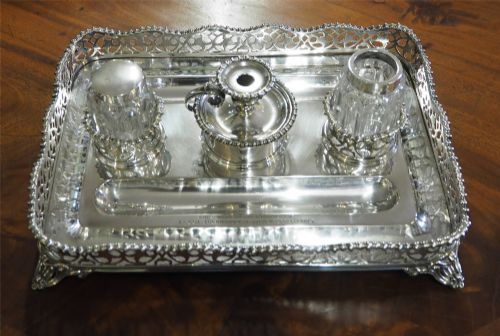
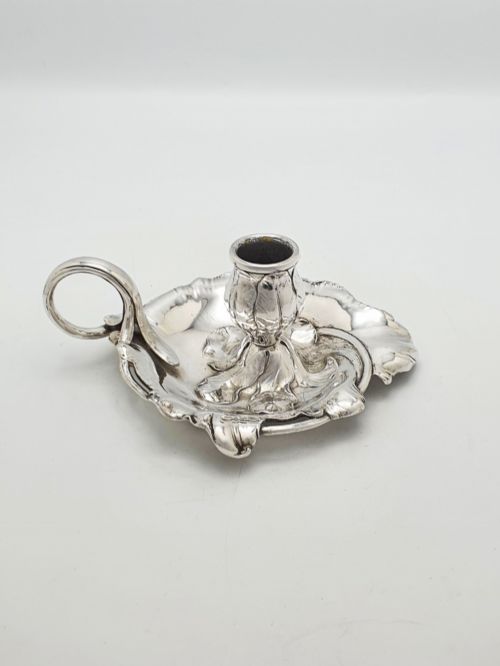
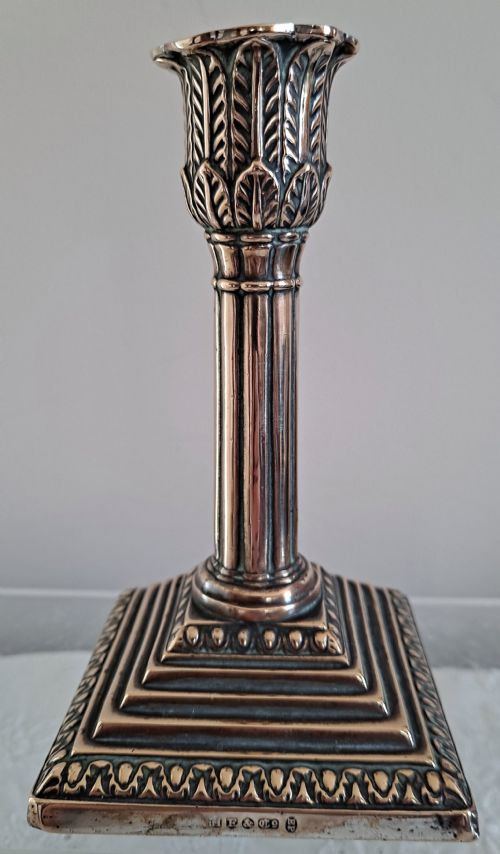
These vintage silver plated chamberstick examples bring portable candlelight to a bedside or desk with traditional metalwork and period charm.
Vintage Silver Plated Chamberstick
Most options on this page date from the nineteenth century through the early twentieth century. You will encounter single items alongside matched pairs and larger sets, spanning Victorian, Georgian, and Art Nouveau aesthetics.
Materials and construction methods
These items rely on silver plate, EPNS, and Old Sheffield Plate applied over base metals such as copper. Artisans shaped the metal bodies through stamping, spinning, or casting, depending on the decorative demands of the period.
Some examples incorporate cut glass or feature applied crests and intricate leaf forms. Makers utilised traditional soldering and plating techniques to achieve a durable metallic finish that emulates solid silver.
Vintage Silver Plated Chamberstick Retail Price Guide 2026
Typical asking prices for vintage silver plated chamberstick among the pieces listed under this phrase on Sellingantiques today, from the lower quarter to the upper quarter. They describe what is for sale here now, not the wider market.
Listings span the nineteenth century, including Georgian and Victorian eras, alongside 1900 Art Nouveau designs.
Distinguishing quality across the range
Quality rests in the crispness of the chased or embossed ornament, whether handling florid Rococo Revival scrolls or organic Art Nouveau plant motifs. Heavier gauge metalwork and retained silver plating without extensive base metal telegraphing elevate an example.
The presence of original components such as snuffers, extinguishers, or matching drip pans alters the integrity of a piece. Maker marks from established workshops like Elkington or WMF also distinguish finer productions from standard commercial wares.
Elkington·WMF
The Vintage Silver Plated Chamberstick Glossary
- Chamberstick
- A low portable candlestick fitted with a handle and a wide saucer to catch melting wax. It was historically carried to light the way to bed.
- Old Sheffield Plate
- An early method of fusing a thin sheet of silver to a thicker copper core by heat and pressure. This technique predates modern electroplating.
- EPNS
- Electroplated Nickel Silver, a common base metal composition introduced in the nineteenth century for plated wares. It provides a stable, silvery foundation for the plating layer.
- Rococo Revival
- A nineteenth century decorative style drawing on eighteenth century French motifs such as C-scrolls, asymmetric shellwork, and naturalistic foliage. It frequently appears on mid-century metalwork.
Vintage Silver Plated Chamberstick: Frequently Asked Questions
What is a chamberstick?
A chamberstick is a low, saucer-based candlestick equipped with a loop handle for safe carriage through dark corridors. They were standard bedroom accessories before electric lighting.
The wide pan serves to catch hot wax drips as the candle burns down during movement. Many include a cone-shaped snuffer resting in a clip on the handle.
How do I date a silver plated chamberstick?
Dating relies on stylistic clues, manufacturing techniques, and any visible maker marks or crests. Georgian and early nineteenth century pieces often show Old Sheffield Plate construction methods.
Later Victorian and Edwardian examples incorporate machine-stamped elements and electroplating. Art Nouveau pieces from around nineteen hundred display characteristic whiptail lines and floral motifs.
What is Old Sheffield Plate?
Old Sheffield Plate is a material created by fusing silver and copper together through heating and rolling. This process creates a layered sheet where the copper core shows slightly at exposed edges.
Items made this way generally date from the eighteenth and early nineteenth centuries. It differs visibly from later electroplated wares.
How were chambersticks used historically?
Householders carried them to light their ascent up staircases and to illuminate bedchambers at night. They sat on bedside tables until morning.
The attached snuffer allowed the user to extinguish the flame safely without blowing sparks. The wide saucer protected hands from dripping wax.